Back Country Bulletin
News from the Back Country
Get it on the Apple StoreGet it on the Google Play Store
NewsSportRuralCommunityEat, Drink, Stay
Back Country Bulletin
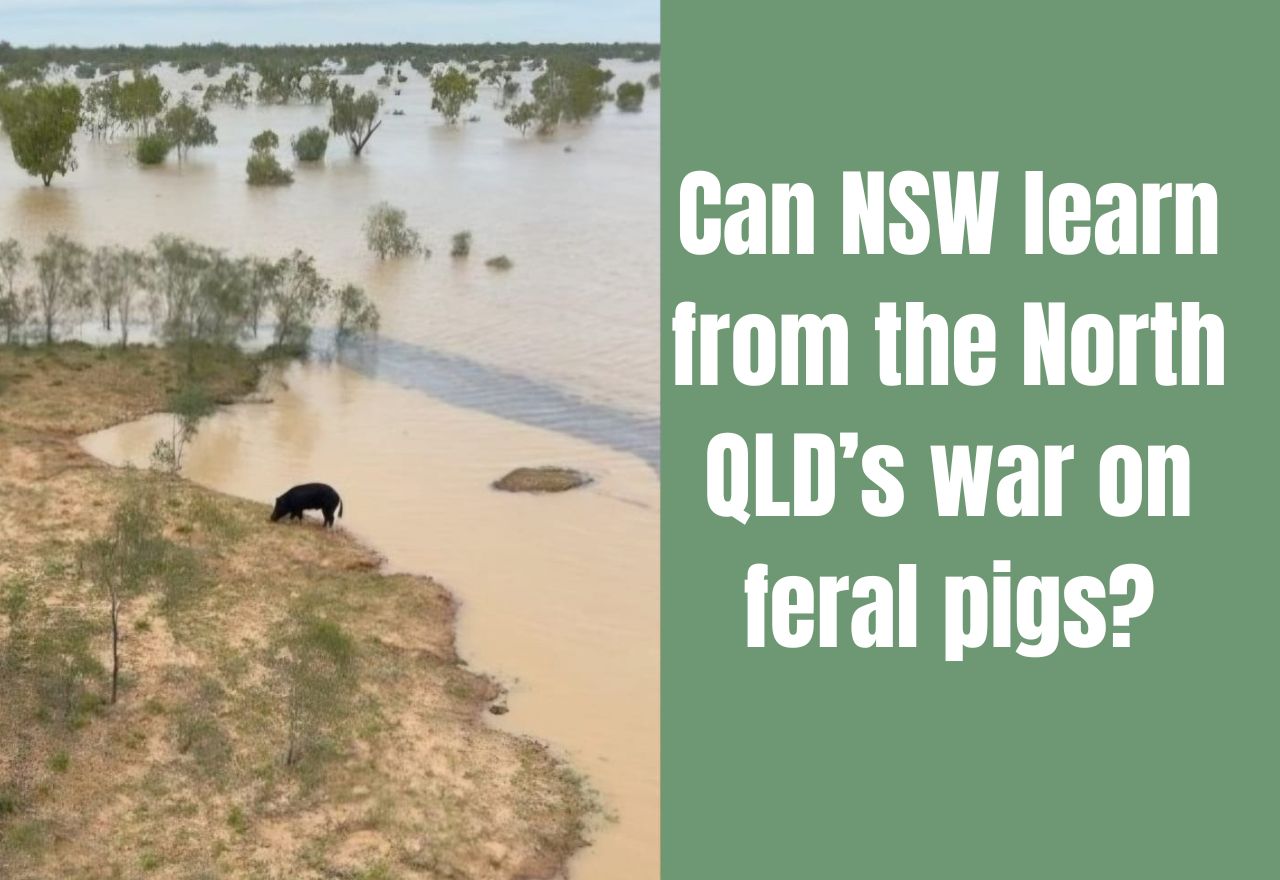
Sitting Ducks: Can NSW learn from the North QLD’s war on feral pigs?

28 January 2026, 12:36 AM

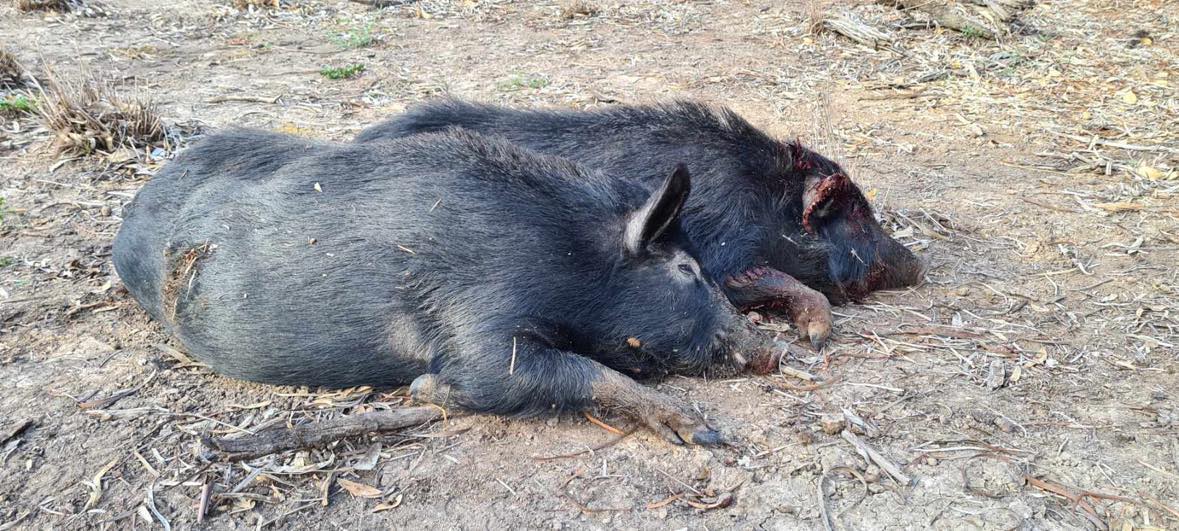
Feral Pig Culling Strategy: Lessons for Western NSW from North QLDIn Short• Tactical Advantage: Floodwaters have created "islands," trapping feral pigs in the open and providing a rare window for highly effective aerial culling.• The ‘Sinkhole’ Threat: Landholders in the Riverina and Far West warn that private control efforts are being undermined by pests migrating from unmanaged crown lands and national parks.• Policy Push: Regional MPs are calling for a unified approach, including potential bounties and aggressive cross-tenure coordination to prevent a total biosecurity disaster.As floodwaters across North West Queensland transform the landscape into a frontline for massive aerial culling operations, landholders across the Western Riverina and Far West are being urged to look north. The recent assault on feral populations in the Gulf country is providing a blueprint—and a warning—for communities in the Hay, Balranald, Carrathool, and Central Darling shires.The Carpentaria Land Council Aboriginal Corporation (CLCAC) recently spearheaded a major culling operation across the Gulf country. By using aerial marksmen to target pests stranded in hard-to-reach marshlands, the program has utilised the aftermath of flooding to thin out ballooning populations.Queensland Member for Traeger, Robbie Katter, said the floods have created a rare tactical advantage for control.“I was in a grazier’s chopper being shown around, and he made the clear observation that like the surviving cattle, wild pigs are corralling on the islands that have formed in the inland sea,” Mr Katter said.“These pigs are sitting ducks and would be effectively controlled by a trained aerial shooter. Any funds spent now will pay off in spades once the flood waters go down.”The Sinkhole EffectFor locals in the Riverina and Central Darling, the Queensland experience hits close to home. Feral pigs have shifted from a productivity nuisance to a multi-million dollar biosecurity threat, devastating lambing percentages and destroying critical water infrastructure across our local plains.While Local Land Services (LLS) has recently bolstered aerial shooting programs in New South Wales, many landholders remain frustrated by what is known as the “sinkhole” effect.This occurs when a proactive farmer clears their own run, only for a fresh wave of pigs to march back in from unmanaged crown lands or neighbouring reserves.Independent Member for Murray, Helen Dalton, has been a vocal advocate for more aggressive action, arguing that the current ad hoc approach is failing the regions.“I’ve been pushing for the NSW Government to impose a bounty on foxes and pigs,” Ms Dalton said. “Pigs are invading vineyards around Griffith, trekking in from neighbouring reserves. It’s a plague.”National Parks Under FireBoth Ms Dalton and Mr Katter have identified public lands and national parks as a primary source of the problem, describing them as “breeding grounds” for pests that eventually spill onto private property.Mr Katter was blunt in his assessment, stating that these protected estates are being “turned into pig pens, weed nurseries and fire starters by the green push.”To combat this, Ms Dalton believes the solution lies in direct financial incentives for ground control.“When hunters see a cat in the bush they will shoot it... it’s almost a two-for-one deal [with a bounty],” she said. “We need to look at every option to slash these numbers once and for all."A Unified FrontThe message from both sides of the border is clear: coordination is the only way forward.Without a unified front that bridges the gap between large-scale government aerial programs and boots-on-the-ground incentives for locals, the feral pig problem in the region is expected to persist.As the North demonstrates, the best time to strike is when the landscape forces these pests into the open. The question remains whether NSW can mirror that level of cross-border, cross-tenure coordination before the next breeding cycle takes hold.

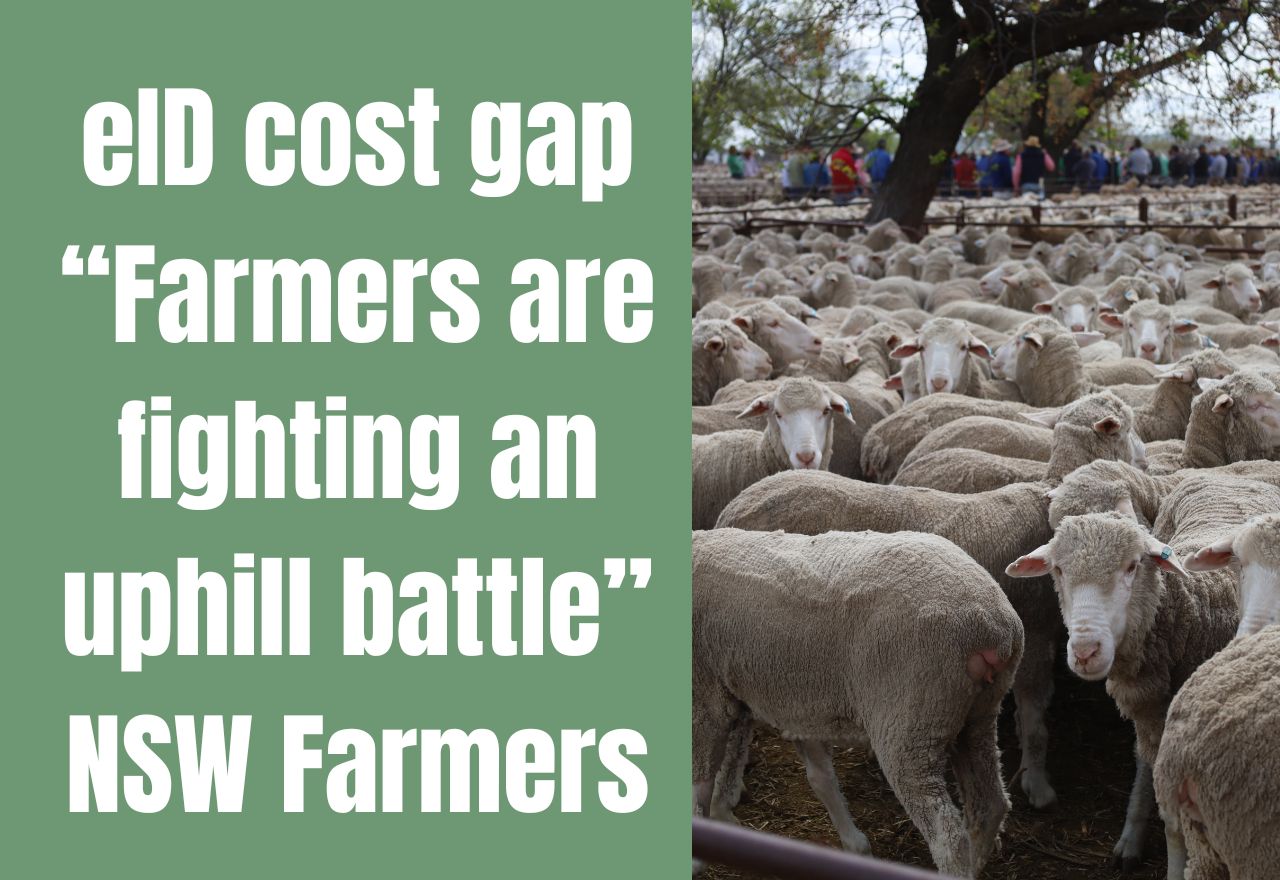
The eID Cost Gap: Why NSW Farmers Say the $2M Support Package Falls Short

28 January 2026, 12:27 AM

eID Mandate NSW: Financial Burden Shifts to ProducersIn Short• Funding Shortfall: The NSW Government’s $2 million eID package excludes the cost of individual tags, leaving producers to cover ongoing tagging expenses for lambs and kids.• Deadline Looming: Mandatory electronic identification for all sheep and farmed goats takes effect on January 1, 2025, yet only 22.4% of stock currently comply.• Harmonisation Issues: Industry leaders are calling for "tag-free pathways" and better interstate cooperation to prevent the mandate from hindering stock movements to slaughter.The countdown is on for sheep and goat producers across NSW to comply with new electronic identification (eID) mandates, but industry leaders warn that the financial burden is being unfairly shifted onto the paddock.The NSW Government recently announced a $2 million package to provide discounts on eID equipment. However, the funding excludes the individual tags themselves, leaving producers to shoulder the ongoing costs of tagging lambs and farmed kids.With less than a year until eID tags become mandatory for all sheep and farmed goats, the local agricultural sector faces a significant hurdle in transitioning to the new biosecurity framework.Farmers Flag Financial PressureNSW Farmers’ President Xavier Martin expressed disappointment, stating that the state government had failed to extend necessary support for the tags.“We wrote to the state government back in October to request an extension to this eID tag discount scheme, but our calls for investment to reduce the costs and imposts of this transition have been left unanswered, once again,” Mr Martin said.The scale of the task for our region is highlighted by recent data showing that only 22.4 per cent of sheep and goats moving through the state's saleyards last year were equipped with eID tags. For producers in the western divisions, where flock numbers are significant, the cost of compliance is a growing concern.“We’ve got less than a year until eID tags are mandatory for all sheep and farmed goats, and as input costs outstrip inflation, farmers are fighting an uphill battle to front up for the costs of this government mandate,” Mr Martin added.A Call for HarmonisationThe effectiveness of the traceability scheme relies not just on local compliance, but on how it integrates across state borders—a critical factor for producers in the Balranald and Central Darling areas who often move stock between jurisdictions.Mr Martin argued that for the scheme to be successful, it requires "eID tag-free pathways" for sheep moving directly from their property of birth to slaughter, alongside better cooperation between states.“This is supposed to be about improving Australia’s biosecurity systems, but unless we see jurisdictional harmonisation coupled with serious and continued investment for compliance, we have no confidence this scheme will succeed,” Mr Martin said.As the deadline approaches, the gap between government policy and on-ground reality remains a point of contention for rural communities. NSW Farmers has indicated it will continue to lobby the government to address the funding shortfall for tags.“For now, it’s back to Macquarie Street for NSW Farmers, where we’ll once again advocate for what’s really needed to move forward with this traceability mandate,” Mr Martin said. “It’s clear that those in Parliament are not listening to those in the paddock, and that needs to change.”

Inaugural Bruce Simpson Scholarship awarded to fourth-generation Riverina farmer

22 January 2026, 7:00 PM

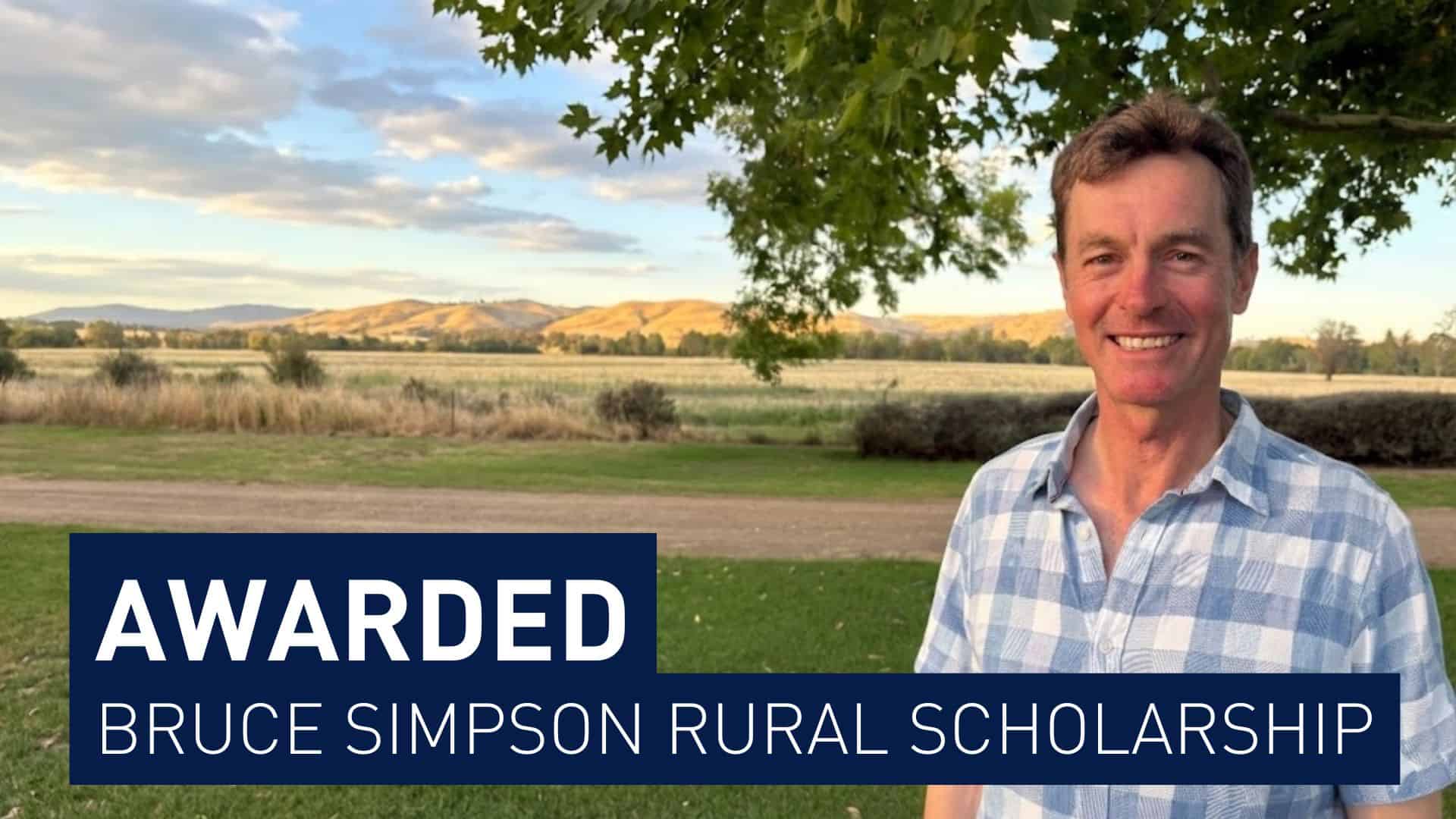
Honouring a Legacy: First Bruce Simpson Rural Scholarship Awarded to Mundarlo FarmerIn Short• Legacy Honoured: Nick Austin, a fourth-generation farmer from Mundarlo, has been named the first recipient of the Bruce Simpson Rural Scholarship.• Future Leadership: The scholarship enables Austin to join the Australian Rural Leadership Program (ARLP), mirroring the path taken by the late Bruce Simpson 25 years ago.• Endowment Progress: The family-led fund has raised over $1 million toward a $2 million goal to ensure permanent leadership training for Riverina voices.The memory of a prominent Riverina agricultural advocate and water policy expert has been formalised this week, with the announcement of the inaugural recipient of the Bruce Simpson Rural Scholarship.Nick Austin, a primary producer from the Mundoonan region, has been selected as the first scholar to undertake the Australian Rural Leadership Program (ARLP) under the newly established fund. Mr Austin is a fourth-generation family farmer at Mundarlo, on the Murrumbidgee River east of Wagga Wagga. He runs livestock with his family and according to a ARLP spokesperson has built “a strong reputation for thinking long-term and working with nature.” The scholarship was created to honour the late Bruce Simpson, a Deniliquin-based leader whose sudden passing in February 2024 was felt keenly across the region.Mr Simpson was a frequent presence in town's across the district. He was highly regarded for his ability to translate the complexities of Murray-Darling Basin water policy into practical outcomes for irrigators and dryland farmers alike.Through his leadership roles at Murray Irrigation and his work as an agribusiness consultant, he maintained strong professional and personal ties with landholders across the district.The scholarship fund is a family-led initiative, spearheaded by Mr Simpson’s wife, Shandra, and his twin brother, John. To date, the fund has raised more than $1 million toward a $2 million endowment goal, intended to provide ongoing leadership opportunities for the next generation of Riverina voices.“Bruce always put himself in positions where he kept learning. He knew you never stop learning,” Mrs Simpson said. “For future scholarship recipients, I just hope they grow from their ARLP experience like Bruce grew from his.”The successful applicant, Mr Austin, will participate in Course 33 of the ARLP. This mirrors the path taken by Mr Simpson, who was a graduate of the program's seventh cohort nearly 25 years ago. The curriculum focuses on developing the strategic skills necessary to navigate the unique socio-economic and environmental challenges currently facing regional Australia.Selection for the scholarship remains a family affair, with Mr Simpson’s children, Charlie and Lucy, and brother John, involved in the process. The committee noted that the scholarship aims to identify individuals who demonstrate the integrity and commitment to community that defined Mr Simpson’s career.Donations to the Bruce Simpson Rural Scholarship Fund are currently being accepted via the ARLP website.

Former Riverina shearer to lead AgriFutures Australia

19 January 2026, 7:00 PM

In story headline: From Shearing Sheds to Boardrooms: Mick Veitch Appointed Chair of AgriFutures AustraliaIn Short• New Leadership: Former NSW MP and Gundagai shearer Mick Veitch has been appointed Chairman of AgriFutures Australia for a three-year term.• A Power Duo: Veitch’s appointment coincides with Brianna Casey AM stepping into the Managing Director role, marking a fresh leadership era for the organization.• Grassroots Focus: The appointment is being hailed for bridging the gap between high-level policy and "on the ground" agricultural reality.The Minister for Agriculture, Fisheries and Forestry, the Hon. Julie Collins MP, has announced the appointment of The Honourable Mick Veitch as the new Chairman of AgriFutures Australia. The three-year term commenced on January 11.Mr Veitch is no stranger to the dust and demands of the local landscape. Before his 16-year career in the NSW Legislative Council, Mr Veitch grew up on a Gundagai farm and began his working life as a shearer.Mr Veitch, who served as the Shadow Minister for Primary Industries and Regional NSW during his time in government, indicated he is ready to get to work with the people on the ground.“I am honoured to take on the position and am looking forward to working with the organisation’s stakeholders and levied and emerging industries,” he said.The transition marks a significant shift in leadership for the organisation, with Brianna Casey AM also set to begin her tenure as Managing Director on Monday, January 19.Outgoing Managing Director, John Harvey, welcomed the appointment, noting that Mr Veitch’s history in both the shed and in Parliament provides a unique perspective for the road ahead.“Mick’s deep understanding of agriculture, regional dynamics and policy, coupled with his demonstrated leadership, positions AgriFutures Australia for even greater impact,” Mr Harvey said.“Under Mick’s leadership, AgriFutures Australia will continue to advance strategic research and development that builds resilience, drives productivity, and unlocks new opportunities for Australian farmers, producers and rural communities.”AgriFutures Australia oversees research and development for levied industries, including rice, honey bees and goats, as well as emerging industries.

Kooba Sale tops 2025 list

16 January 2026, 7:00 PM

One of the largest agricultural transactions in Australian history has topped the 2025 land sales across the nation. In ShortHistoric Buyout: Canadian pension fund PSP Investments has acquired full control of the 31,400ha Kooba Aggregation for $500 million, making it the largest Australian farmland transaction of 2025.Corporate Exit: The deal marks the total exit of veteran businessman Chris Corrigan from his largest agricultural holding, following his public frustrations with Federal water buyback policies.Strategic Split: The aggregation will be split into two specialized streams: AFF will manage cotton, cropping, and livestock, while Stahmann Webster takes over the 1,400ha of almond orchards.A massive $500 million transaction in our own backyard has set a new benchmark for Australian agriculture, as the 2025-26 property season reaches its peak.The total buyout of the Kooba Aggregation by Canadian pension fund PSP Investments has officially topped the list of national farmland sales. Spanning 31,400 hectares between Griffith and Darlington Point, the deal marks a significant shift in the landscape of the Riverina and Western Plains.The Top Five Farmland Sales: 2025–2026While the Kooba deal leads the pack, several other massive transactions have reshaped the agricultural map over the past year:RankProperty / AggregationRegionValueKey Assets1Kooba AggregationRiverina, NSW$500MCotton, Almonds, Water2Worral Creek AggregationBorder Rivers, QLD$340MIrrigated Cropping3McPhee Beef FarmsWalcha, NSW$150M+Cattle, Grazing4Umbercollie & JandowaeWestern Downs, QLD$150MGrains & Cattle5Arcturus DownsCentral Highlands, QLD$120MIrrigation & DrylandImpact on the Hay Cotton Gin and Local GrowersThe consolidation of Kooba is expected to have a direct "trickle-south" effect on the Hay Cotton Gin.Since Australian Food and Fibre (AFF) - a joint venture between PSP and the Robinson family - will now manage the cotton and broadacre portions of Kooba, the Hay facility is looking at a guaranteed "feeder" of high-volume production. AFF acquired the Hay Gin in 2021, and the added certainty from Kooba’s 30,000-odd hectares is intended to bolster the facility's operational future following last year's record-breaking ginning season.However, the move also underscores the departure of veteran businessman Chris Corrigan, who has exited his largest agricultural holding. Corrigan’s departure comes with a pointed warning for the region; in the past, he cited frustration with the Federal Government’s water buyback policies as a primary driver for the sale.A Split Management StrategyFollowing the buyout, PSP has carved the aggregation into two distinct management streams:Australian Food and Fibre (AFF): Led by Managing Director Joe Robinson, AFF will handle the cotton, broadacre crops, and livestock.Stahmann Webster: This PSP-owned entity has taken the reins of the 1,400 hectares of almond orchards and apiary (bee) assets.

New ‘Carbon Stacking’ Rules to Slash Red Tape for Riverina and Far West Landholders

15 January 2026, 7:00 PM

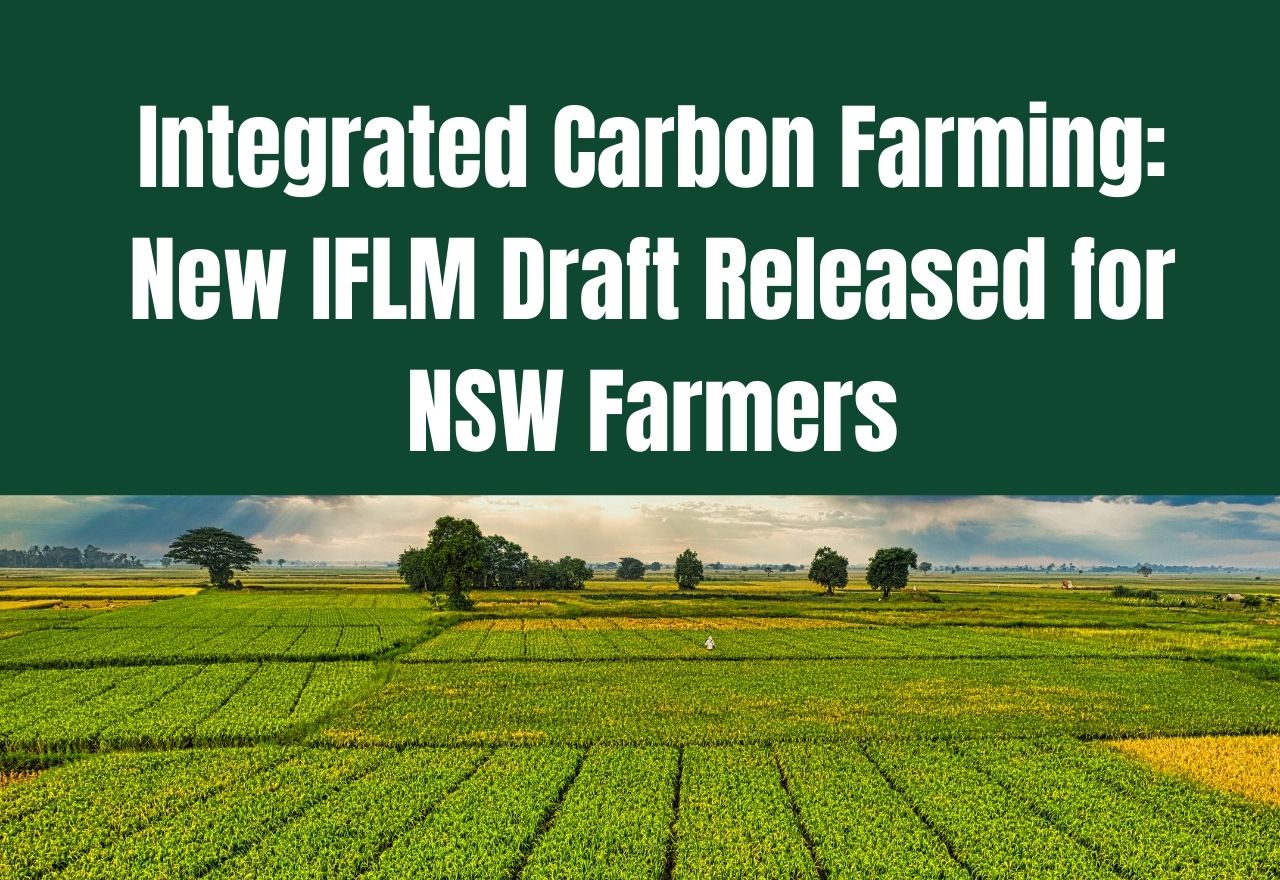
A new era of carbon farming is on the horizon for landholders across the Hay, Balranald, Carrathool, and Central Darling shires. In Short• Red Tape Reduction: The new IFLM method allows landholders to combine soil carbon, tree planting, and forest regeneration under a single contract, ending the "one project per area" rule.• Hybrid Verification: The framework moves to a "model-plus-measurement" system, using high-tech computer modelling backed by physical on-ground soil and timber testing.• Consultation Window: Public feedback on the draft opens January 27, 2026, for 28 days, with the final legislation expected to be active by mid-year.The federal government has unveiled the draft for the Integrated Farm and Land Management (IFLM) method—a policy shift designed to strip away the red tape that has long prevented farmers from running multiple carbon projects on a single paddock.For producers in the Riverina and Far West, the "one project per area" rule has been a persistent hurdle. Currently, a property cannot physically overlap a soil carbon project with a tree-planting initiative, leading to fragmented management and doubled-up reporting. The IFLM method aims to fix this by allowing a "modular" approach where activities can be stacked under one administrative roof.What This Means for Local PaddocksThe IFLM framework allows landholders to combine activities like soil carbon sequestration, native forest regeneration, and environmental plantings. Instead of managing three separate contracts with different rules, a producer in the Central Darling or Hay districts could theoretically manage them as one.The Department of Climate Change, Energy, the Environment and Water (DCCEEW) confirms that the method uses a hybrid model for verification, blending high-tech computer modelling with physical on-ground measurements of soil and timber to ensure accuracy.“This is the first Australian Carbon Credit Unit (ACCU) Scheme method to allow multiple activities that store carbon in the land to occur on the same property... giving greater flexibility to land managers,” a DCCEEW spokesperson said.Industry Reaction: Opportunity vs. Food SecurityWhile the method promises a more streamlined revenue stream, the National Farmers Federation (NFF) remains focused on ensuring that "carbon crops" don't push out traditional grazing and cropping.The NFF’s stance is clear: carbon should be an additional income stream, not a replacement for cattle, sheep, or grain production in regions like Carrathool or Balranald. The federation is pushing for enforceable codes to ensure farmers aren't sidelined by city-based consultants, who often take a significant cut of carbon profits.Meanwhile, the Carbon Market Institute (CMI), which represents the companies assisting farmers with project setup, has criticized the government for the time it has taken to reach this stage. While they view the IFLM as essential for Australia’s carbon goals, they have expressed deep frustration at "protracted delays." CMI co-chairs have labeled the current progress as “inadequate” in its urgency, noting the method was originally promised years ago.Have Your SayThe shift toward integrated carbon farming could significantly impact land valuation and land use across our local government areas. Local landholders are encouraged to review the draft and participate in the upcoming feedback window.Public Consultation Opens: January 27, 2026Duration: 28 daysExpected Legislation: Mid-2026The DCCEEW has acknowledged there are still “considerable technical issues involved in making sure the integrity of the improvements are real,” making local input from those actually working the land vital.

Biosecurity Threats and Beef Tariffs: What the Looming "Twin Crisis" Means for the Back Country

14 January 2026, 7:00 PM

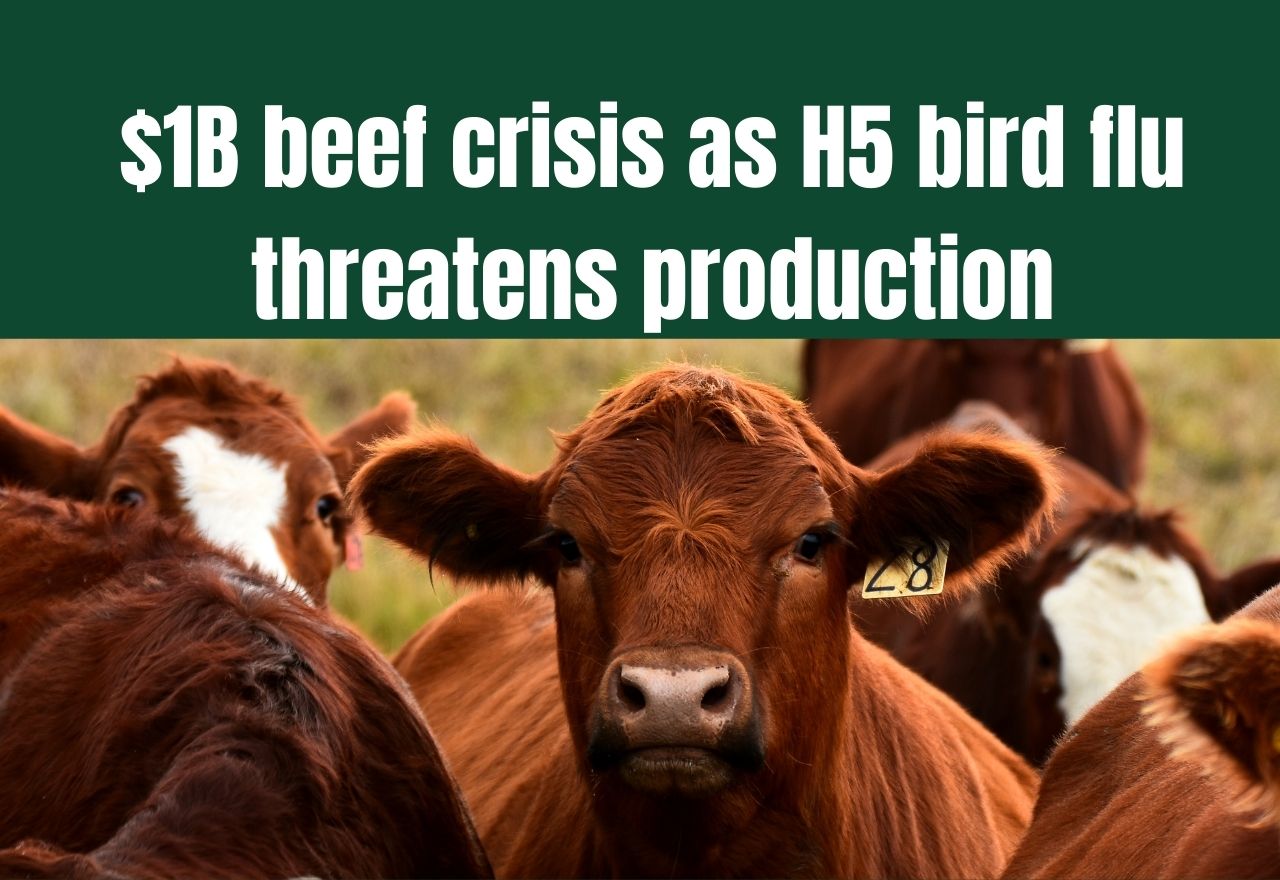
Local producers across the back country are facing a challenging start to 2026, as a combination of international trade barriers and a shifting biosecurity landscape threatens the backbone of the regional economy.In Short• The "Tariff Wall": A 55% tariff on Australian beef exports to China triggered on January 1 is expected to hit by August, potentially costing the economy $1 billion.• H5N1 Alert: While Australia remains H5-free, authorities are monitoring returning Short-tailed Shearwaters and the risk of the virus jumping to dairy cattle.• Local Impact: Producers face softening domestic prices as export demand is projected to drop by one-third.The Australian livestock industry is currently navigating a turbulent period. The pressure is coming from two fronts: the activation of significant Chinese trade restrictions on beef and the encroaching threat of the H5 High Pathogenicity Avian Influenza (HPAI) virus.The Beef Quota "Trigger"For the pastoralists of the Riverina and Far West, the most immediate financial concern is the 55 percent tariff on beef imports officially activated by China’s Ministry of Commerce on January 1.While China frames the tariff as a global safeguard, the impact on Australian producers is disproportionate. Under the current agreement, once Australian exports hit a specific "trigger" volume for the year, the tariff jumps from near zero to 55 percent.The quota for 2026 is set at approximately 205,000 tonnes—a figure significantly lower than the record volumes shipped in late 2025. Given that Australia exported over 295,000 tonnes to China in the first 11 months of last year, industry analysts expect the "tariff wall" to be hit as early as August or September. This could result in a $1 billion hit to the national economy and a projected one-third reduction in export volumes.Member for Farrer and Leader of the Opposition, Sussan Ley MP, whose electorate encompasses a massive portion of our readership area, has called for urgent intervention.“Australia will not accept a $1 billion hit to its bottom line. The Australian beef industry is an export powerhouse that anchors international trade for domestic commodities,” Ms Ley said.“What the Prime Minister needs to do is step right up, call his counterparts... and make it very clear that Australia should not be included in any of these arrangements.“The agricultural trade between ourselves and China has a long history, a long, successful history.”Biosecurity: The H5 ThreatWhile trade wars simmer, biosecurity teams are looking to the skies. Australia remains the only continent free of the aggressive H5N1 (Clade 2.3.4.4b) strain of Avian Influenza, but authorities warn the buffer is being challenged daily.The annual return of millions of Short-tailed Shearwaters to southern coastlines is being used as an early warning system. While the primary risk points are currently identified in Tasmania and Victoria, the potential for the virus to "jump" species—as seen in the United States where it moved into dairy cattle—has put the entire Australian livestock sector on high alert.For the mixed farming and dairy operations within the Carrathool and Hay regions, the stakes are high. The federal government has established a $100 million preparedness package and a cross-departmental HPAI Preparedness Taskforce to mitigate the risk to the $6 billion dairy export sector.Local ImpactIn the Hay and Central Darling shires, where the economy is inextricably linked to the price per kilo at the saleyards, these global shifts have local consequences. A reduction in export demand often leads to a softening of domestic prices, affecting the bottom line of family-run stations from Ivanhoe to Balranald.As the industry prepares for a potential "tariff wall" in the spring, the focus for local producers remains on high biosecurity standards and awaiting a diplomatic resolution to the trade impasse.

New umpire to settle irrigation wars: Dalton claims lobbying victory

14 January 2026, 7:00 PM

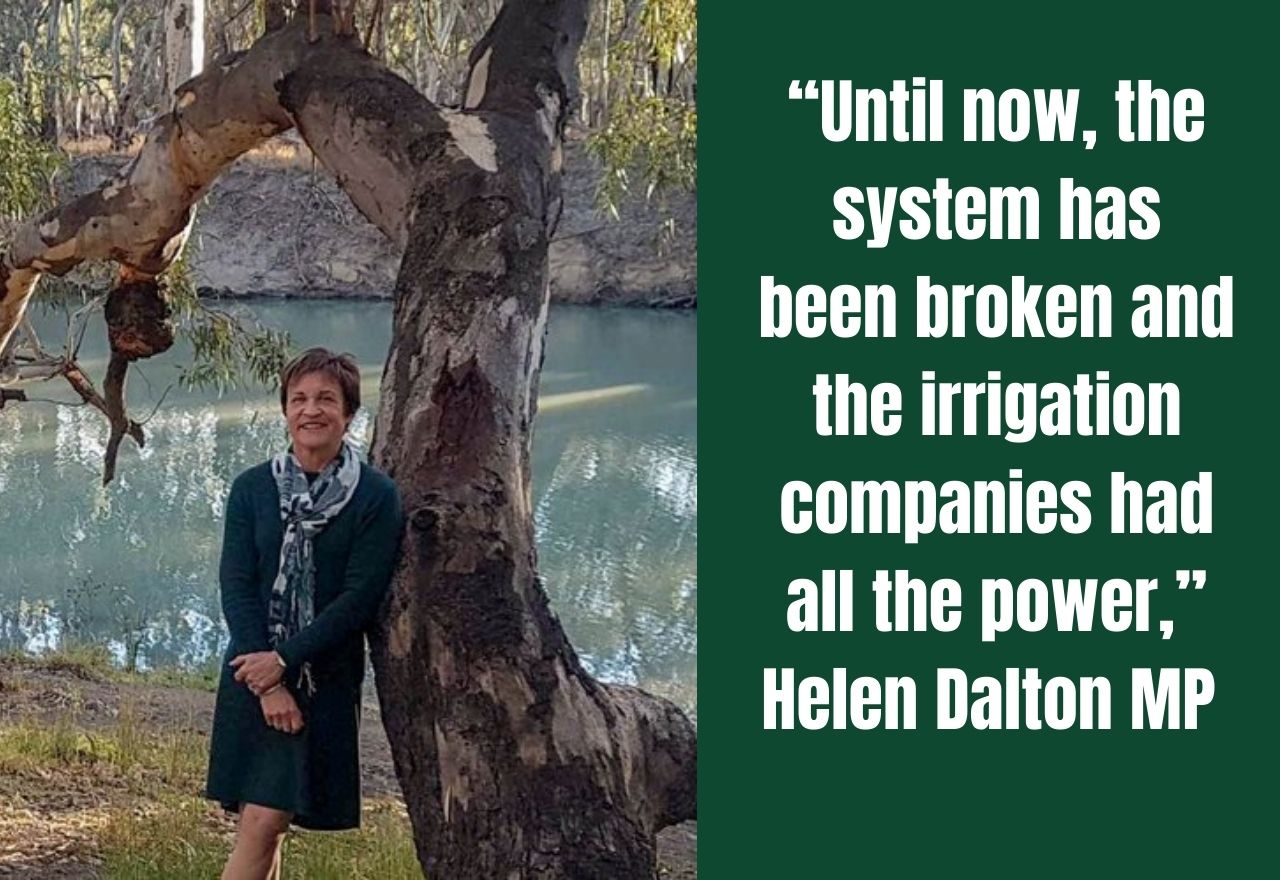
New "Umpire" to Oversee Irrigation Disputes Across Western NSWIn Short• New Legal Protections: The Energy and Water Ombudsman NSW (EWON) now has the power to independently mediate disputes between farmers and irrigation corporations.• Levelling the Field: The move ends the era of corporations being a "law unto themselves," providing rural landholders the same consumer rights as urban water users.• Regional Impact: Member for Murray Helen Dalton hails the reform as a win for families in Hay, Balranald, Carrathool, and Central Darling who have long sought accountability in water management.Local farming families and irrigators across the Hay, Balranald, Carrathool, and Central Darling shires are set to gain new legal protections following an expansion of powers for the Energy and Water Ombudsman NSW (EWON).The shift comes after the NSW Government granted the Ombudsman the authority to independently mediate disputes between irrigation customers and the state’s five statutory irrigation corporations. For communities in the western Riverina and Far West, where water access is the backbone of the local economy, the move aims to bridge a long-standing gap in consumer rights.Levelling the Playing FieldPreviously, many water users felt disadvantaged when navigating conflicts with large irrigation corporations, citing a lack of external oversight. The new resolution system is designed to provide regional irrigators with the same standard of protection currently afforded to urban water and energy consumers.Independent Member for Murray, Helen Dalton, who lobbied for the changes, suggested the previous framework left little recourse for landholders.“Until now, the system has been broken and the irrigation companies had all the power,” Dalton said. “I thank the Minns Government, and Water Minister Rose Jackson, for listening to rural communities and making this important change.”Impact on Local ShiresFor residents in Central Darling and Balranald, where water security and management are constant points of contention, the presence of an independent "umpire" is expected to alter the relationship between corporations and customers.Ms. Dalton noted that the mere existence of EWON oversight would likely influence how corporations handle grievances moving forward.“All we have ever wanted is the same level of protections people in the cities get when they have a conflict with their water companies,” Dalton said. “We never wanted a better deal. We only ever wanted the same protections as everyone else.”Accountability for CorporationsThe reform targets the statutory corporations that manage bulk water delivery. By providing a pathway to the Ombudsman, the government aims to ensure that disputes over billing, infrastructure, or service delivery are handled without the need for costly and time-consuming legal battles.“These irrigation companies have been a law unto themselves, and that will change thanks to these reforms,” Dalton said. “I’m already receiving really positive feedback about the Ombudsman getting these additional powers. People are breathing a sigh of relief.”The Energy and Water Ombudsman is now equipped to begin investigating complaints from irrigation customers, providing a centralised point of contact for those seeking independent review.

Dalton: In 2026, we must finally have a Royal Commission into Australian Water

12 January 2026, 7:00 PM

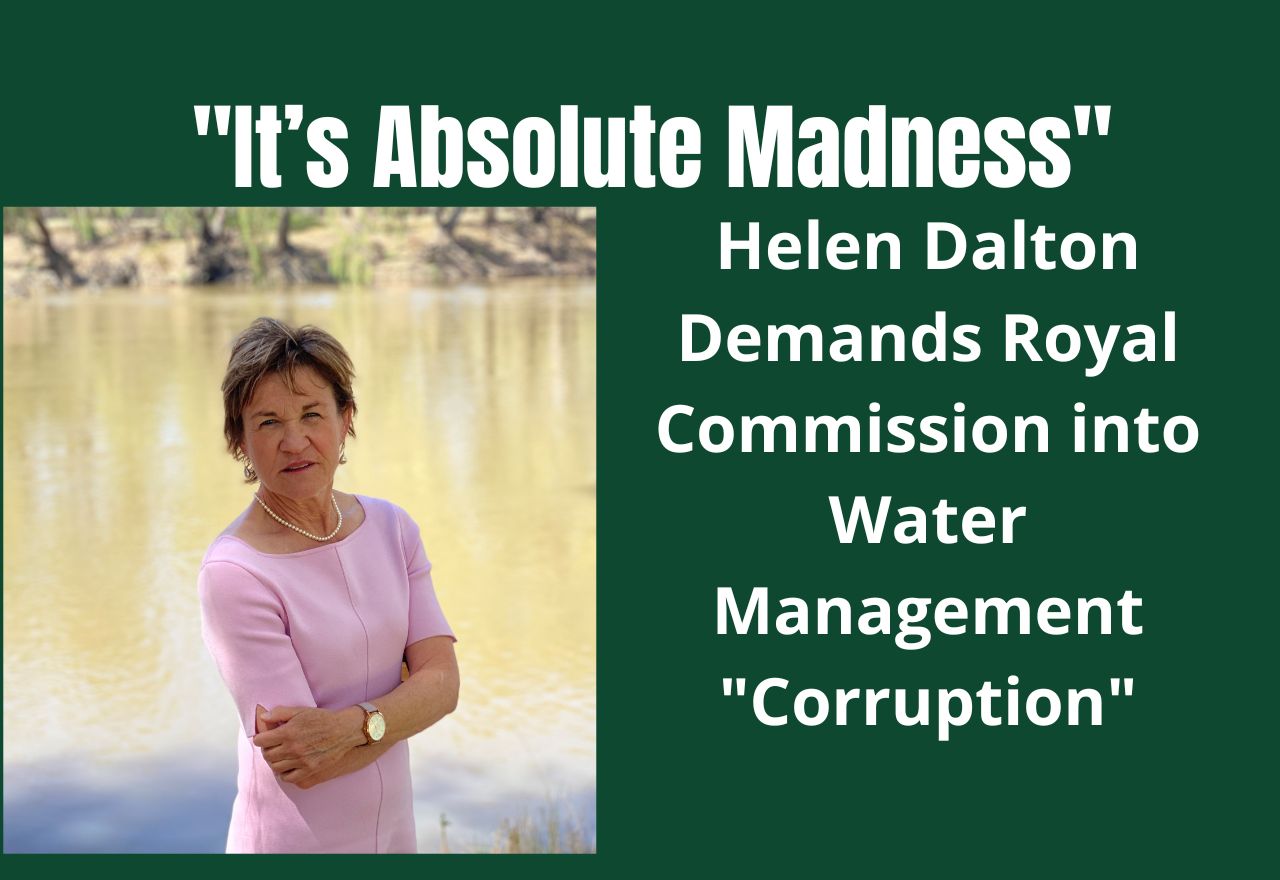
Dalton Demands Royal Commission into "Appalling" Water ManagementIn ShortThe Demand: Independent MP Helen Dalton is calling for a Federal Royal Commission with the power to force politicians to testify under oath regarding water mismanagement.The Analogy: Dalton likens current government water policies to a petrol station owner "pouring fuel down the drain" while customers wait in line.Regional Impact: The call highlights systemic failures affecting Hay, Balranald, Carrathool, and Central Darling, where "billions of dollars" are allegedly lost annually.Independent Member for Murray, Helen Dalton, has intensified her campaign for a federal Royal Commission into Australian water management, warning that political interference is pushing rural communities to the brink.The call for a top-level inquiry comes as local government areas across the Western Riverina and Far West—including Hay, Balranald, Carrathool, and Central Darling—continue to grapple with the economic and environmental fallout of Murray-Darling Basin Plan (MDBP) policies.A System in "Madness"Ms. Dalton argues that the current management of the nation's waterways is failing both the environment and the regional towns that rely on them. She pointed to the decline of the Coorong and the general mismanagement of the Basin as evidence of a systemic breakdown.“Without water, we have no Australia,” Ms. Dalton said. “Politics, and politicians, continues to destroy our waterways, our rural communities and our way of life.”Using a stark analogy to describe current water drainage and environmental flow policies, Ms. Dalton likened the situation to a fuel crisis.“Imagine there are 1000 cars outside a petrol station, waiting to fill up, and the owner is standing there pouring all the petrol down the drain,” she said. “That’s what State and Federal Governments are doing with our water. It’s absolute madness and it must stop immediately.”Local Impact: Hay to Central DarlingFor residents in the Central Darling and Balranald shires, where water security has been a decades-long battle, the call for an Independent Royal Commission touches on a sensitive nerve. Communities along the Murrumbidgee and Lachlan rivers in Hay and Carrathool have frequently raised concerns regarding transparency and the "waste" of productive water.Ms. Dalton contends that only a Royal Commission has the teeth required to expose the root causes of these regional frustrations.“Only an Independent Royal Commission, that can force politicians to give evidence under oath, will be able to end this waste and corruption,” she said.Addressing the CostCritics of the proposal often cite the significant taxpayer expense associated with Royal Commissions. However, Ms. Dalton argues that the cost of inaction is far higher for regional NSW.“Australian communities lose billions of dollars, every year, because our water is grossly mismanaged,” she said. “An efficient, independent Royal Commission will stop this appalling waste, once and for all.”A Challenge to LawmakersThe Member for Murray is now urging constituents across the back country to put the pressure on their representatives, regardless of their political stripe.“Politicians are causing this problem. Only an Independent Royal Commission will fix it. "And if any politician opposes a Royal Commission into water, voters need to know, that politics is part of the problem and not part of the solution,” Ms. Dalton said.“I would encourage every voter in Australia to ask their politician, ‘Do you support a Royal Commission into Australian water, or are you part of the problem?’”

Don’t Let Drift Destroy Your Season: The 2026 Summer Spraying Survival Guide

10 January 2026, 7:00 PM

Golden rules reminder for summer sprayingIn Short• Monitor & Pivot: Weather conditions are the primary factor in drift; operators must stop immediately if conditions shift, regardless of time pressure.• Precision Matters: Utilize the correct spray nozzles and maintain the lowest possible boom height to ensure chemicals hit the intended target.• Compliance is Key: NSW regulations require mandatory record-keeping of all pesticide applications (including weather data) within 48 hours. Farmers spraying weeds this summer are reminded of the golden rules to prevent drift and avoid damage to neighbouring properties.NSW Farmers’ Agricultural Science Committee Chair Justin Everitt said taking several key precautions remained essential when planning to spray. “We’ve always got to monitor weather conditions closely when we’re spraying, and while we’re all on a time crunch, it’s important to stop spraying as soon as conditions change and are no longer suitable for spraying.“Spraying as close to the target as possible and ensuring you’re using the appropriate spray nozzle also helps enormously in preventing spray drift. “It never hurts as well to consult your agronomist on your spray mix and its impact, so you have all the information you need to spray safely this summer.”Off-target spray drift can occur when agricultural chemicals or vapour become airborne and drift outside the intended area when sprayed. This can happen if chemicals are applied at the wrong time of day, or during the wrong weather conditions. “We’ve seen significant damage to crops in the past as a result of off-target spray drift, so it’s critical we keep prevention top of mind this season,” Mr Everitt said. “Our neighbours will thank us for it, and wouldn’t it be brilliant if 2026 was a stellar production year for us all.”Compliance is keyUnder the Pesticides Regulation 2017, compulsory record keeping of pesticide use is required in NSW, with records to be made within 48 hours and kept for three years. Pesticide and application details including weather need to be included in the record. A sample pesticide application record is available on the EPA website. If you have been affected by a spray drift incident or pesticide misuse, you should report the incident to the NSW EPA Environment Line on 131 555 as soon as possible.  

Bio-security support from LLS to tackle pest problems

09 January 2026, 7:00 PM

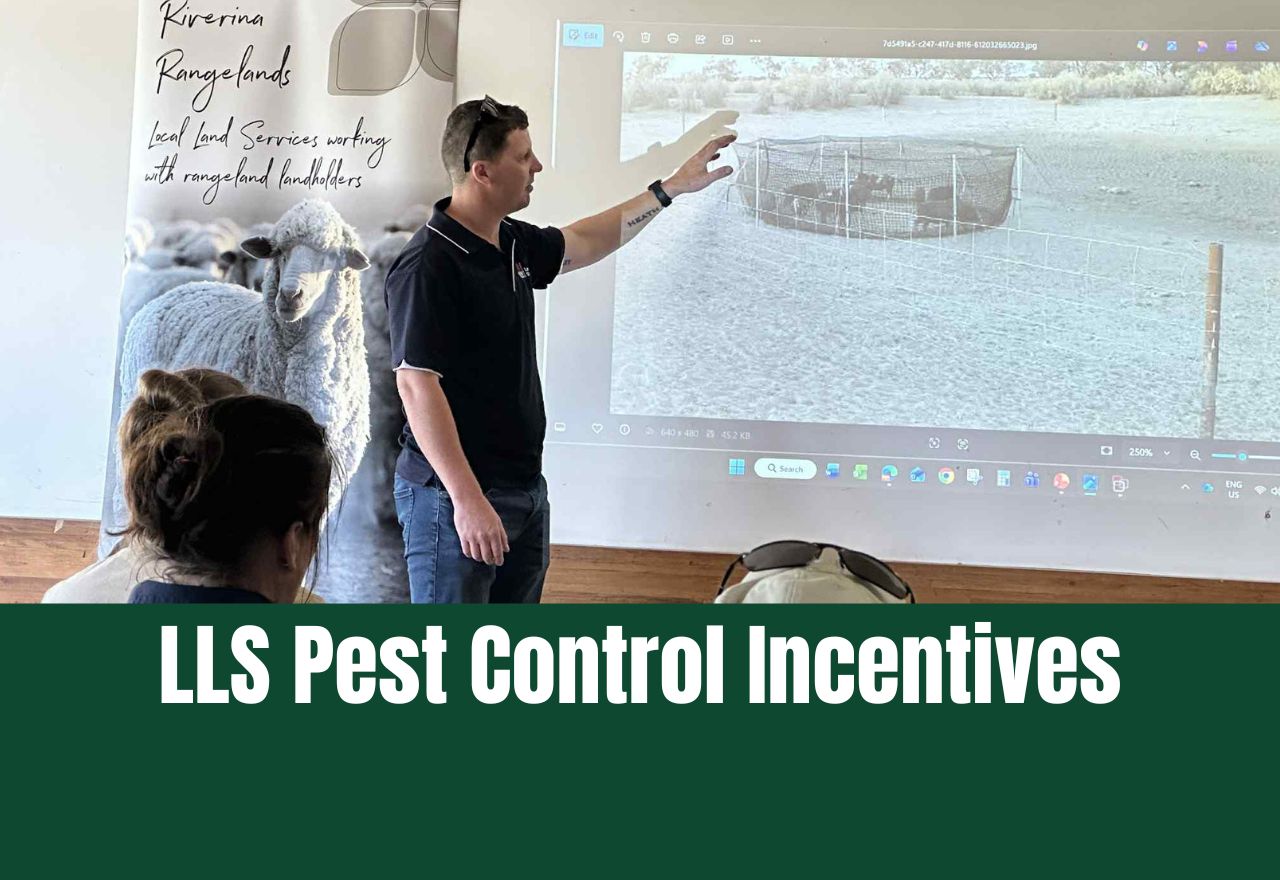
Free Baits and Smart Traps: How Riverina LLS is Helping Farmers Win the War on PestsIn Short• Free Resources: Riverina LLS is providing landholders with free meat baits for foxes, poisoned carrots for rabbits, and grain for pig traps.• Advanced Trapping: Netted pig traps are showing high success rates in the region, offering a humane and efficient way to manage feral populations.• Expert Support: Landholders can access free compliance training, site inspections, and tailored advice through the Hay LLS office.Jesse Thomson is one of the Riverina region team, working for Local Land Services (LLS), based in the Hay office. He recently presented at the Riverina Roadshow sharing details of landholder incentives, and the work being done to tackle feral pigs, foxes and rabbits across western NSW. Riverina LLS provides landholders with various incentives, which were outlined by Mr Thomson. “We supply landholders with free meat bait for foxes and the poisoned carrots for rabbit baiting,” he explained. “For pigs, we offer free grain so farmers can use it in their traps.” Mr Thomson shared vision of the netted pig traps, which are being used successfully in the region. The trap is baited with wheat to attract the pest animals, which are later humanely euthanised. Riverina LLS also offers free training for landholders, to ensure they comply with pesticide control orders, and can conduct site inspection and offer advice.

MDBA Report Warns Major Projects Won't Meet 2026 Deadline

07 January 2026, 1:00 AM

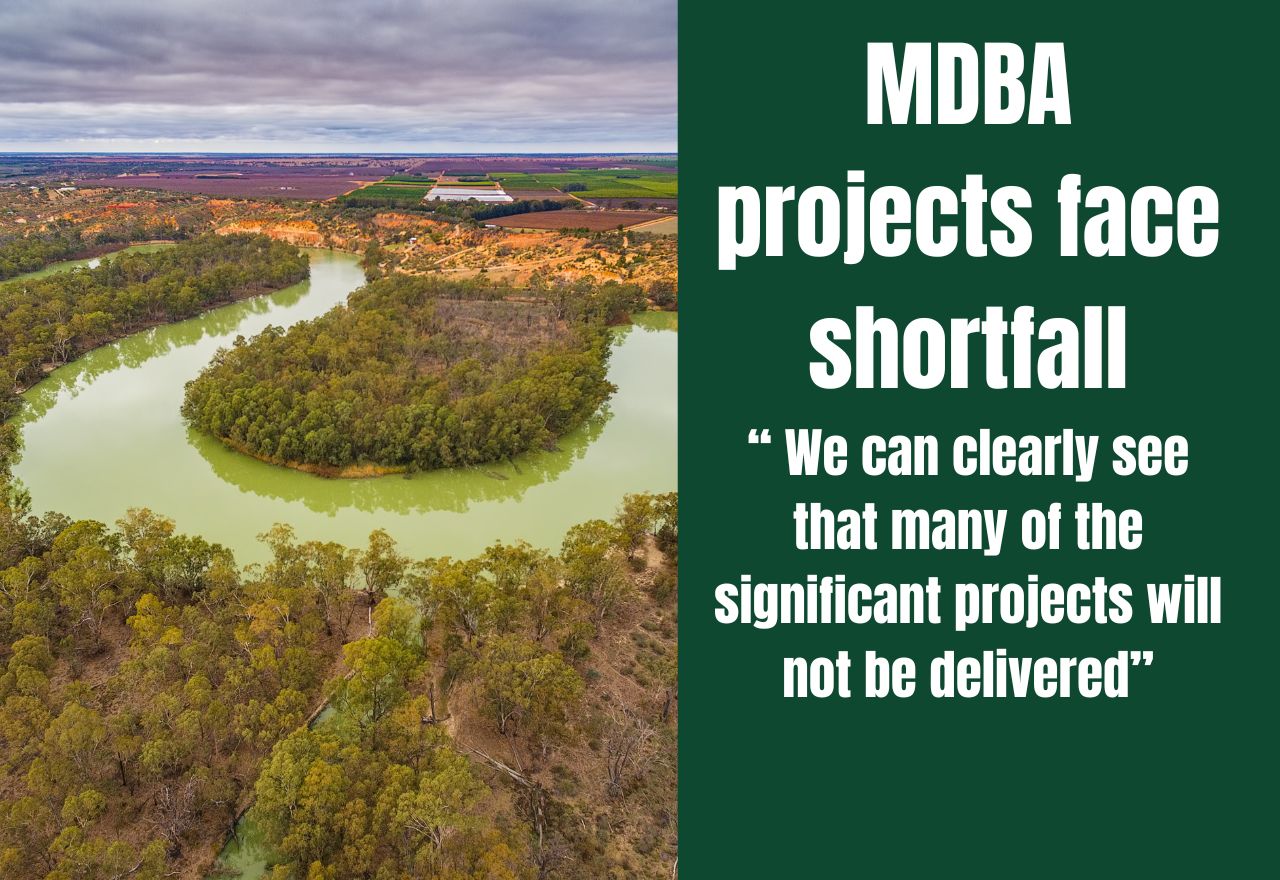
MDBA 2025 Assurance Report: SDLAM Projects Facing Major ShortfallIn ShortMissed Targets: The MDBA predicts a significant shortfall of between 255GL and 355GL of water due to incomplete state-led projects.Strict Deadlines:All Sustainable Diversion Limit (SDLAM) projects must be fully operational by December 31, 2026, to be counted toward the Basin Plan.Final Say: A draft determination on water limits will be released for public submission in late 2026 before a final decision by the Federal Water Minister.The Murray-Darling Basin Authority’s 2025 assurance report on the Sustainable Diversion Limit Adjustment Mechanism (SDLAM) has found that significant work remains to deliver a number of outstanding SDLAM projects, and many projects will not be delivered in time or at all. The SDLAM has a strict deadline of December 31, 2026 under the Basin Plan, and for any projects to be counted they must be complete and operational. Murray-Darling Basin Authority Chief Executive, Andrew McConville said some of the smaller projects will be delivered, and they’ve delivered some great environmental outcomes, including Nari Nari Tribal Council’s Gayini Nimmie-Caira project west of Hay, the Chowilla floodplain in South Australia, and Hattah Lakes in Victoria. “However, we can clearly see that many of the significant projects will not be delivered and we can expect a shortfall compared to the 605 gigalitres a year determined in 2017,” said Mr McConville. “The report includes a revised and reduced supply estimate of between 250 gigalitres to 350 gigalitres – this is a shortfall of between 255 gigalitres and 355 gigalitres. “The evidence base used to inform the report was obtained from the NSW, Victorian and South Australian state governments, who are responsible for implementing the projects. “The-final SDLAM supply contribution will be determined by the package of projects delivered by state governments, and continued collaboration will be essential to achieving the intended outcomes. “The Authority acknowledges their ongoing cooperation in implementing the Basin Plan and their contributions to this assurance report.” In 2026, the Authority will reconcile and determine the final supply contribution from the completed package of measures. “The MDBA will release a draft determination of the proposed Sustainable Diversion Limit (SDL) adjustment, and the public will have an opportunity to make submissions on the draft determination in late 2026,” said Mr McConville. The final reconciliation determination was provided to the Australian Government Minister for Water on December 31, 2026 for consideration and decision.

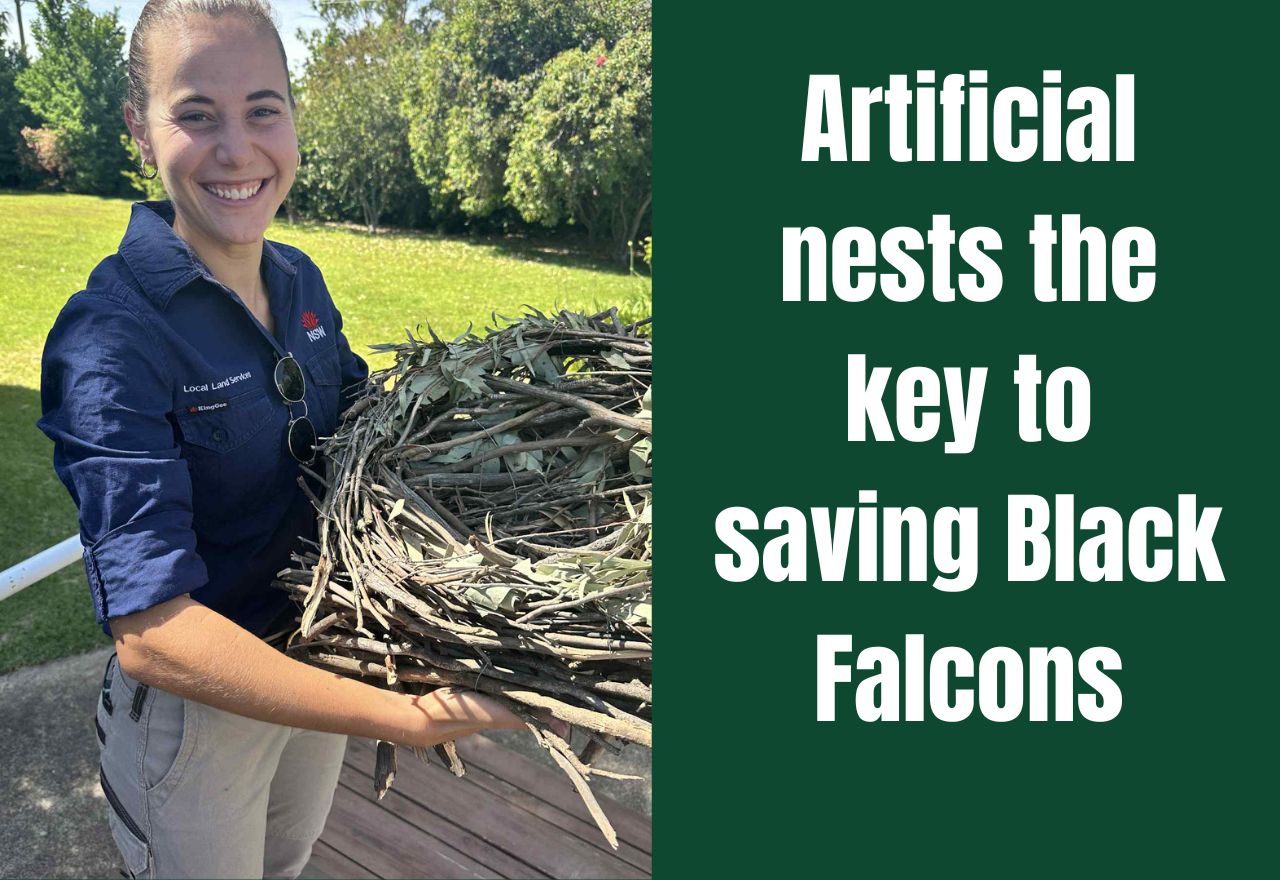
Weaving a Future: How Handmade Nests are Saving the Riverina’s Black Falcon

05 January 2026, 7:00 PM

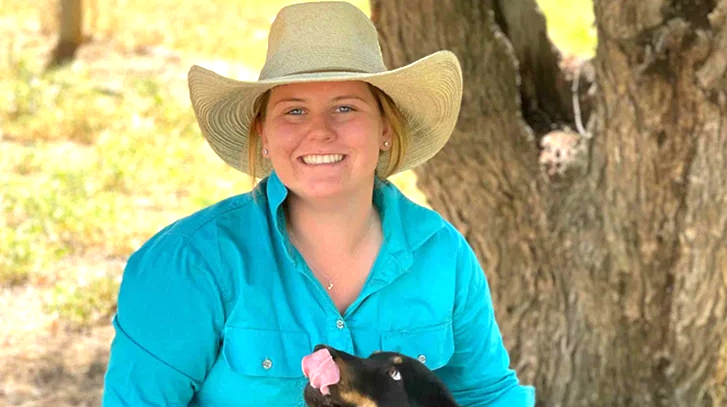
In Short • Artificial Habitats: Local Land Services (LLS) installed 17 handmade "stick nests" across the Riverina to combat habitat loss and competition from other birds.• Species in Decline: Black Falcon populations have plummeted by 30% nationwide, with as few as 3,000–5,000 individuals remaining in NSW due to land clearing and secondary poisoning.• Community Conservation: The project combined high-tech monitoring with local education, including a student-published book and over 57,000 hectares of pest control.Lucy Wright (pictured) is part of the Local Land Services Natural Resource Management unit, and has recently wrapped up an education and conservation project, focused on the threatened Black Falcon.The project area spanned the Riverina region from Narrandera to beyond Maude, and involved the creation and installation of 17 artificial stick nests.“We takes sticks from the areas we are planning to put the nests, and we weave a nest together,” Ms Wright explained.“We use a bit of tie wire to hold them - I’m not as clever as the birds and I actually don’t know how they hold their nests together without fingers!”Black Falcon numbers have declined by 30 per cent across Australia. There are thought to be less than 10,000 Black Falcons in the country, and perhaps between 3,000 and 5,000 individuals in NSW.Land clearing, pest predators such as cats and foxes, competition for nest sites from an overabundance of crows and ravens, collisions with vehicles and wind turbines susceptibility to secondary poisoning by chemical sprays have all contributed to the Black Falcon now being listed as a vulnerable species.“We use an EWP (cherry picker) to put the nest up in the trees, and install a solar-powered, wi-fi camera for monitoring.“That’s the starting point.”As well as installing the hand-made nests, the project partnered with Hay Public School to roll out an educational program.Students took part in excursions to project sites and released a book, full of illustrations and information on the Black Falcon.The project also controlled African Boxthorn across more than 351 hectares, and undertook 57,600 hectares of pest animal control.Revegetation work was done in important areas and acoustic recorders installed and monitored, to collect data on the Black Falcon.The Riverina LLS Natural Resource Management project team also partnered with Birdlife Australia to produce education material for landholders, including a glovebox guide for diurnal raptors of Australia.

FREE pig bait: $850K boost to Back Country farmers in feral pig war

09 November 2025, 10:07 PM

Free Pig Bait Hits the Bush: $850k Boost for Western and Riverina LandholdersIN SHORT:$850,000 in Free Supplies: Landholders in the Hay, Balranald, Carrathool, and Central Darling LGAs can now access free grain and bait to combat feral pigs via Local Land Services (LLS).Widespread Collaboration is Key: Experts stress that successful control requires strategic, community-wide action across property lines, utilizing multiple methods like baiting, trapping, and shooting.Farmer Warning: A local producer who has removed hundreds of pigs urges others not to underestimate the problem, noting the biosecurity risks and extent of damage they discovered only after setting up control programs.Farmers and landholders across the vast Hay, Balranald, Carrathool, and Central Darling local government areas are being urged to tap into a share of $850,000 in free grain and bait as part of a new statewide offensive against feral pigs.The support, announced by the NSW Government, is being delivered through Local Land Services (LLS), the agency responsible for pest control programs that cover the Western and Riverina regions where these communities reside. The program has already been embraced by some landholders. Sheep and cattle farmer Colin McCrabb, who operates near Wanganella, described the severity of the issue and the relief the support provides.“We found pigs causing problems with predation of ewes and lambs, so we were in touch with Local Land Services to see what we could do. We’ve used their knowledge and support to not only set up traps, but permanent baiting stations with real time monitoring.”“Baiting is a great option for us because it’s passive and to be honest I’ve been really surprised by the number of pigs we’ve had. You don’t think you have any on your property until you set it up and see what is actually going on. We’ve removed hundreds since we started our control program.”“The support from Local Land Services is fantastic. My message to others who don’t think they have a pig problem is you will be surprised what you discover once you start looking for them. The predation and damage of pigs is horrendous, plus the biosecurity risks are very real, so we are doing anything we can to put a stop to that.”The initiative is a direct response to the escalating damage caused by feral pigs, which threatens the profitability of local agriculture and the region’s sensitive ecosystems.The funding is part of the Government’s ongoing Feral Pig and Pest Program, which has seen the state commit over $40 million to control efforts since July 2023. According to government figures, this commitment has led to the removal of approximately 223,000 feral pigs and the supply of over 475,000 kilograms of bait statewide.The provision of free bait is significant for local producers, as the cost of grain for baiting and trapping can be a major financial hurdle in an area already dealing with market pressures and environmental challenges.The announcement included firm statements on the government’s commitment and the scope of the problem.“Feral pigs are wreaking havoc on our landscapes, threatening biodiversity, damaging crops and undermining biosecurity," Minister for Agriculture and Regional NSW, Tara Moriarty said.“With free grain and bait being offered across the state, we’re backing our farmers and regional communities with real, practical support.“Increasing access to baiting and trapping resources gives landholders the tools they need, meaning greater impact on the ground and fewer pigs out there causing damage.”Local Land Services Feral Pig Coordinator Bec Gray emphasised the need for a collaborative approach in areas like the Western LLS, where pig populations often move freely across property lines.“When it comes to feral pigs and pest animal control, unfortunately there’s no silver bullet, which is why we need to support the use of multiple control methods, such as baiting, trapping and shooting," Ms Gray said.“Feral pigs don’t respect fences or boundaries. They move across landscapes and cause widespread damage. That’s why we’re encouraging landholders to team up, plan strategically and use the free bait and grain available across all 11 Local Land Services regions.”“This isn’t just about individual properties, it’s about community-wide action. The more unified the response, the greater the success.”Landholders in the Hay, Balranald, Carrathool, and Central Darling LGAs - who fall under the Western and Riverina LLS regions -are encouraged to contact their closest LLS office for tailored advice and to access the free supplies while stocks last.To find your Local Land Services region or for more information, visit the NSW Government website.Contact Local Land Services: 1300 795 299
New $36 million drought preparedness program launched for regional Australia

08 November 2025, 10:00 PM

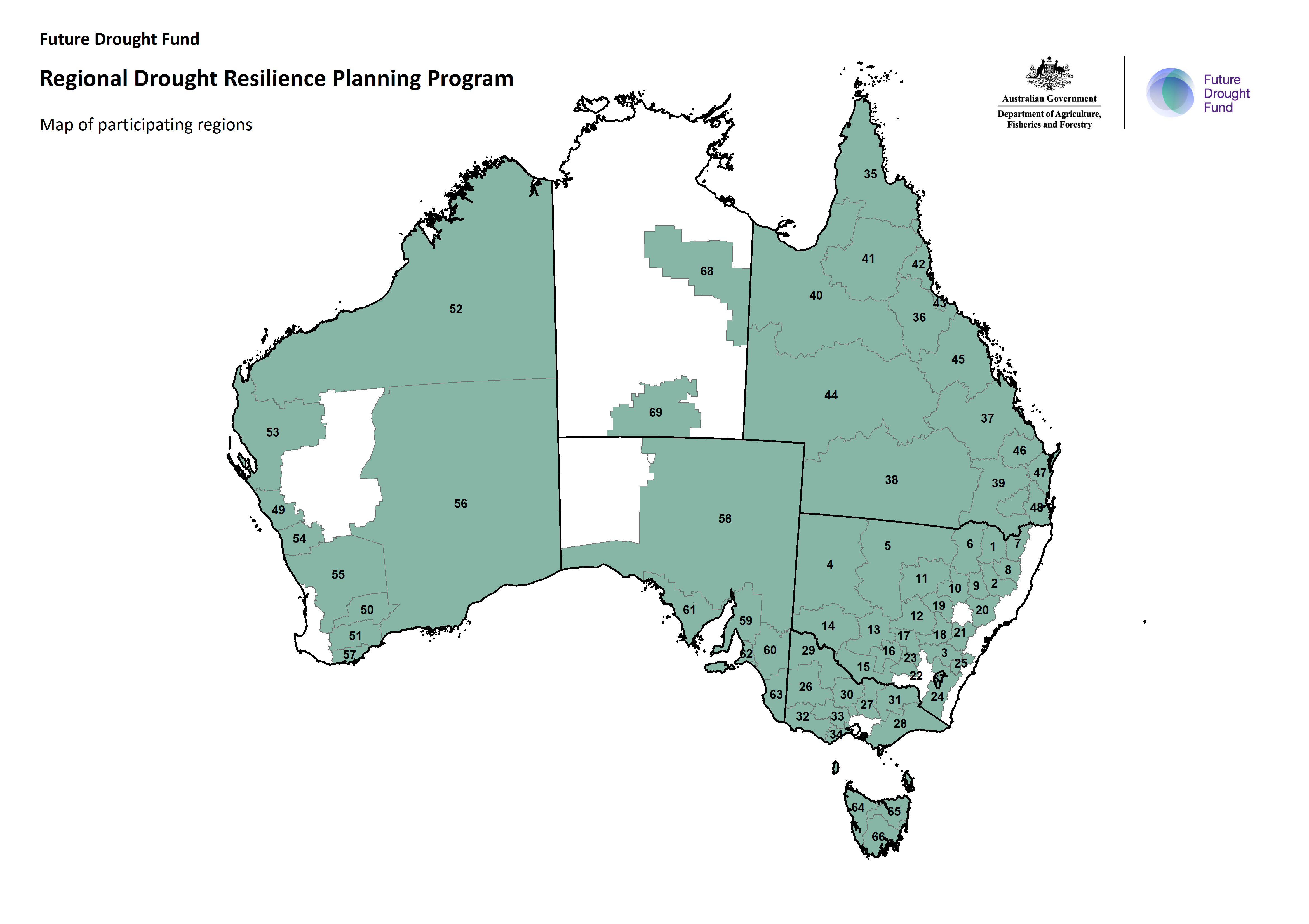
Remote, rural and regional communities across Australia will receive $36 million in support over the next three years through a new drought preparedness program announced by the Foundation for Rural & Regional Renewal and the Australian Rural Leadership Foundation.The Future Drought Fund's Communities Program, funded by the Australian Government, aims to empower people in agriculture-dependent communities to prepare for drought by building and maintaining their social resilience. The initiative was announced earlier this year by the Honourable Julie Collins, Minister for Agriculture, Fisheries and Forestry.FRRR Chief Executive Officer Natalie Egleton said the program recognises that remote, rural and regional communities already possess a strong foundation of resilience shaped by their experiences with drought and other disasters. However, she emphasised that communities want to be less reactive and better prepared for inevitable dry times.People in agricultural regions understand better than anyone that drought is inevitable and often isolating, Ms Egleton explained. The challenge is that drought can also impact the ability of community organisations to support people and provide services during challenging times.The program will offer a mix of grants and capacity building activities, including leadership development, with funding available across three main grant streams as well as national mentoring and additional capacity building activities. Two of the grant programs opened for applications on 5 November 2025, whilst planning is underway for a third stream to launch in early 2026.Small Network Grants of up to $50,000 each are available to locally-based not-for-profit organisations in 314 Local Government Areas across the country. These grants can support activities that strengthen professional, social or community networks, host community events, run training workshops, upgrade small-scale community infrastructure or facilitate professional, personal or leadership development. A total of $3 million is available through this stream, with around $1 million available per funding round.Regional Drought Resilience Plan Social Outcome Grants are specifically designed to bring to life social resilience activities and projects already outlined in existing regional drought resilience plans. Available in up to 50 eligible regions, these grants can support similar activities to the Small Network Grants, with a maximum of $100,000 available per region over the life of the program. In total, $5 million will be available through this stream, with around $2 million in the first round.Ms Egleton said the key to the program's success is that it is driven from the ground up, recognising that building community networks, increasing collaboration, sharing skills and knowledge, or improving community infrastructure will look different in every community.The aim is for people to be better skilled, informed, connected and resourced so that they can draw upon these strengths in times of drought, she said. For community groups, this preparedness work will enable them to have greater capacity and access to the right resources and support that their communities need, when they need them.In addition to organisational grants, individuals in any agriculture-dependent community can apply to participate in a National Mentoring Initiative delivered by the Australian Rural Leadership Foundation. Participants will be paired to share experiences, perspectives and knowledge in a supportive virtual environment, with 12 sessions offered over 12 months.ARLF Chief Executive Officer Matt Linnegar said the most powerful resource in any rural community is its people, and the program is about bringing together those who have weathered the worst of drought with those preparing for what lies ahead.The program is not about creating a one size fits all solution to prepare for the next dry season, Mr Linnegar explained. As an organisation with deep roots across regional and rural Australia, ARLF understands that what works for one community may not be suitable for another. The focus is on empowering local leaders to find appropriate local solutions for their region.Mr Linnegar emphasised that the initiative is about more than just drought. It is about building the kind of leadership that lasts, grounded in community, shaped by experience and ready for the future.The program will also include a Community Impact Program offering integrated support for 12 regions. Locally-based not-for-profit organisations within each region will work collaboratively with FRRR and a facilitator to design and agree upon a series of community driven projects that will help local communities be better prepared for drought.Each of the 12 regions can access grants of up to $150,000 to fund projects identified in a community roadmap, with a total of $900,000 available in each region. Leadership activities delivered by ARLF will complement the grants, designed to strengthen the leadership capabilities of communities to build individual and community drought resilience.Over the coming months, FRRR and ARLF staff will meet with organisations in each region and begin planning the engagement process, which will take place in communities early next year. Applications for grants to support agreed initiatives will open in July 2026.The Future Drought Fund's Communities Program builds on previous initiatives including the Helping Regional Communities Prepare for Drought Initiative, the Networks to Build Drought Resilience program and the Drought Resilience Leaders program.Further information about the program and eligibility criteria is available at frrr.org.au/funding/fdf-communities, whilst those interested in the National Mentoring Initiative can learn more at rural-leaders.org.au/national-mentoring-initiative.

Regional food producers warn fuel insecurity puts Back Country supply chains at risk

06 November 2025, 7:00 PM

Farmers across the country could be forced to halt operations, causing a nationwide freeze in food deliveries, if Australia's critically low fuel reserves are threatened.IN SHORT:Risk of 'Nationwide Food Freeze': Australia's peak farm body warns that the country's critically low onshore diesel reserves (currently 22 days' supply) could force farmers in the Far West of NSW to halt operations, immediately impacting national food supplies and exports.Acute Local Vulnerability: The threat is most severe in remote LGAs like Hay, Balranald, Carrathool, and Central Darling, where vast farming operations are critically dependent on diesel for irrigation, machinery, and transporting produce over long distances.Urgent Call for a National Program: NSW Farmers are demanding the Federal Government establish a new national program to actively monitor and prevent shortages of key agricultural inputs (diesel, fertiliser, chemicals), including creating an early warning system and mapping supply chains.The warning comes directly from the state's peak farm body, which is launching a call for a new national program to monitor stocks of key agricultural inputs like diesel, fertilizers, and chemicals. The farm leaders argue that the lack of preparation puts the country's food security—and the viability of major production regions like the Far West of NSW—at unnecessary risk.With Australia currently carrying just 22 days of diesel reserves onshore, NSW Farmers Acting CEO Mike Guerin said the state of national readiness is "nothing short of critical.""Our fuel insecurity is the leak in the tank that could drain our nation of vital food supplies and export markets in just days," Mr Guerin said. "One iceberg sank the Titanic, but a thousand things could stop our oil tankers from reaching Australian shores. And no fuel means no farm machinery, no tractors, no trucks – and that means no food on shelves, no food in shops, and no food leaving our shores.”Local Impact: The Tyranny of DistanceThe potential for a national food standstill is particularly relevant to the communities within Hay, Balranald, Carrathool, and Central Darling. Farming operations here—from broadacre cropping to vast pastoral enterprises—rely heavily on diesel to run irrigation pumps, tractors for sowing and harvesting, and the heavy transport required to move livestock and produce across the long distances to market.Any disruption to the national supply chain would be acutely felt in these remote LGAs, where fuel deliveries are already complex and timely access to inputs is essential to maintain productivity.To address this, Mr. Guerin called for any new national program to monitor stocks to also include mapping of the supply chains that provide fuel and other necessary inputs, alongside an early warning system.“Farmers deserve to know when a shortage of fuel, fertiliser or another key input is imminent, so they can prepare accordingly,” Mr Guerin said. “The program should also be working actively to prevent shortages of these inputs, and have plans in place to relieve shortages, not if, but when, they occur. This isn’t about triggering panic buying but about preventing a national standstill in food supplies – and with 27 million hungry mouths to feed just in Australia, we just can’t keep risking it until the system fails.”

Gas mining debate rolls on

31 October 2025, 7:00 PM

The proposed Narrabri Gas Project in northwest New South Wales has emerged as one of the state's most divisive infrastructure debates, pitting energy security and manufacturing interests against agricultural concerns and environmental protection.Santos' Narrabri Gas Project proposes to extract coal seam gas from beneath the Pilliga region near Narrabri, with plans to drill up to 850 wells across a 95,000-hectare project area. The company has committed to supplying 100 per cent of the gas to the domestic market, with the potential to meet up to half of New South Wales' gas needs.The project received approval from both the NSW Independent Planning Commission and federal environment minister in 2020, following extensive environmental assessments. However, implementation has been delayed by various factors including native title processes, legal appeals and difficulties securing land access agreements for associated pipeline infrastructure.NSW Premier Chris Minns has described the project as "incredibly important" for the state's energy security and manufacturing base. In a speech to the Australian Workers' Union NSW delegates conference on Wednesday, 30 October 2024, he announced the government would consider compulsory land acquisition to progress the pipeline infrastructure if Santos and landholders cannot reach voluntary agreements."We need that project to go ahead because it's absolutely crucial to our industrial base," Mr Minns told the forum. He linked the project to the uncertain future of Tomago Aluminium, which employs around 1,500 people directly and supports an estimated 5,000 indirect jobs in the Hunter region.Santos currently has land access agreements with only about a third of landholders along the proposed 413-kilometre Hunter Gas Pipeline route, which would connect the Narrabri gas field to the Port of Newcastle.NSW Farmers has taken a strong stance against the project, with president Xavier Martin stating the organisation "does not, and cannot, support the Narrabri Gas Project" due to concerns about risks to groundwater, soil quality, air quality and local food production."The north west of NSW is this state's food bowl, producing healthy food and fibre, and governments must recognise this and protect our food and water security," Mr Martin said. He described the Premier's comments about compulsory acquisition as "disappointing" and a "bulldozer approach" that ignores genuine farmer concerns.The region sits above parts of the Great Artesian Basin, Australia's largest groundwater resource, which supplies water to towns and farms across vast areas. Coal seam gas extraction involves drilling into coal formations and can potentially affect groundwater systems.Environmental groups and farming organisations including Farmers for Climate Action, the Country Women's Association and Lock the Gate Alliance have united in opposition to the project. Lock the Gate claims more than 100 impacted property owners in the Hunter Valley oppose the pipeline's construction.Santos maintains the project will be subject to strict environmental and groundwater protections. The company points to its experience operating coal seam gas projects in Queensland's Surat Basin and notes that the NSW Department of Planning found during its assessment that it was "difficult to reconcile the significant community concerns about the Narrabri Gas Project with the technical advice from experts that the risk of any significant impacts occurring is low."The Gomeroi people, whose traditional lands overlap with approximately 70 per cent of the project area, have also raised concerns. The National Native Title Tribunal granted Santos permission to proceed in May 2024, but only after stipulating that gas must be exclusively for domestic use with additional cultural and environmental safeguards.This decision came after the Federal Court of Australia overturned an earlier approval in April 2024, following an appeal by the Gomeroi in January 2023.Proponents argue the project would bring significant economic benefits, including:Up to 1,700 jobs during construction and 200 ongoing positionsApproximately $1.2 billion in state royalties over the project's lifeA gas community benefit fund of up to $120 million for local programsPotential to reduce energy costs for NSW households and businessesSantos has already invested more than $1.5 billion in the project and currently produces small amounts of gas from appraisal wells to supply the Wilga Park power station, which generates electricity for the northwest NSW grid.The project remains in limbo, awaiting final planning approvals for the pipeline infrastructure. Santos recently signed a memorandum of understanding with energy company ENGIE for the supply of up to 20 petajoules per year of gas for at least 10 years, contingent on a final investment decision and various approvals.The Narrabri Lateral Pipeline, which would connect the gas field to the Hunter Gas Pipeline, is still in early stages of the state planning process.The debate reflects wider tensions in Australian energy policy between the need for reliable gas supply to support manufacturing and complement intermittent renewable energy, and concerns about protecting agricultural land and water resources from resource extraction.With NSW currently importing more than 95 per cent of its gas from other states, supporters argue the project is essential for energy security. Opponents counter that the potential risks to one of Australia's most productive agricultural regions and its vital groundwater resources are too great, regardless of the economic benefits.As the state government considers using compulsory acquisition powers to advance the project, the controversy appears set to intensify, with both sides maintaining firmly held positions about what constitutes the best outcome for New South Wales' future.

$10M Pest War: How the Good Neighbours Program Will Impact Hay, Balranald, & Carrathool Landholders

23 October 2025, 7:00 PM

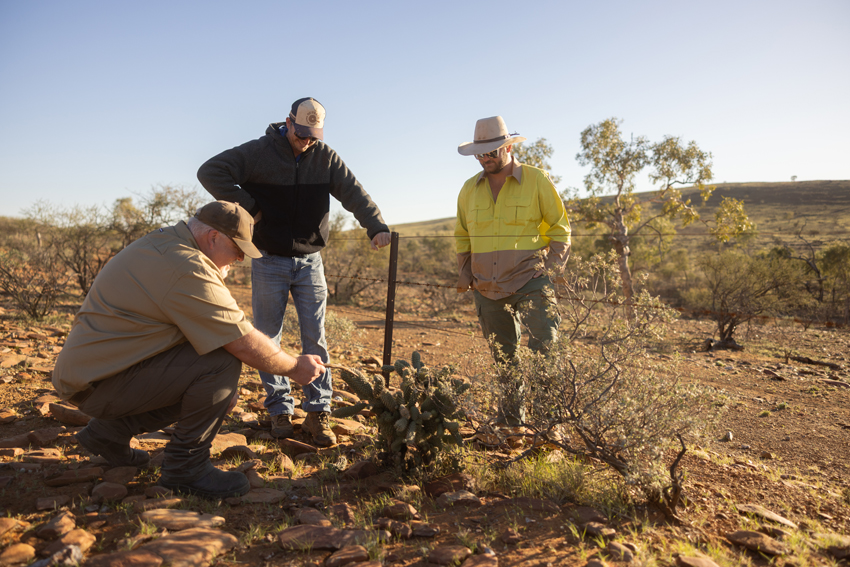
PEST WAR FUNDING: Western NSW Projects Offer Hope for Local LandholdersIN SHORT:$10 Million Boost: The Minns Government is investing $10 million through the Good Neighbours Program to fund 36 biosecurity projects statewide to fight invasive pests and weeds.Targeted Western NSW Action: New funding includes a key initiative for feral deer management in the Hillston-Euabalong area, with success expected to benefit neighbouring LGAs like Hay, Carrathool, and Balranald.Mandate for Collaboration: The program requires mandatory cooperation between private landholders and public land managers (like National Parks and LLS) to ensure effective, cross-boundary control of pests like wild dogs and boxing glove cactus.The Minns Labor Government's $10 million Good Neighbours Program is injecting funds into the ongoing battle against invasive species, with new projects announced that hold significant relevance for communities in Hay, Balranald, Carrathool, and Central Darling LGAs.The government has allocated $2.1 million across 17 new statewide projects targeting notorious pests and weeds like tropical soda apple, wild dogs, harrisia cactus, and feral deer. The funding, part of the government's broader biosecurity plan, is designed to protect primary industries and regional landscapes by mandating collaboration between public land managers and neighbouring private landholders.Of the 17 new projects, a key initiative is directly relevant to the region:Feral deer management in the Euabalong area in Western NSW: Local Land Services (LLS), in collaboration with public agencies and private landholders, will deliver a comprehensive pest management program. This program will target feral deer on public and private land in the Hillston-Euabalong area.While Euabalong falls outside the immediate LGAs, the proximity to Carrathool and the wider Western NSW context means any success in controlling feral deer has the potential to lessen the pressure on surrounding properties. Feral deer are a growing concern for agriculture and biodiversity across the region.Previous Successes in Western NSWThe new funding builds on the success of the program's first round, which saw $4.25 million allocated and already underway. A project in the far west has already demonstrated the program's reach:Boxing Glove Control Program in Western NSW: This project has helped protect 55,903 hectares of private and public land in Sturt National Park and Tibooburra from boxing glove cactus through targeted weed control and the use of cochineal insects.Furthermore, another new project announced aims to protect a major local asset:Protecting the Ramsar values of Caryapundy Swamp near Tibooburra: LLS, in collaboration with public agencies and private landholders, will support the delivery of a multifaceted pest and weed management program aimed at preserving the biological diversity of the Ramsar listed Caryapundy Swamp.Minister Emphasises CollaborationMinister for Agriculture and Regional NSW, Tara Moriarty, reiterated the program’s focus on cross-boundary cooperation, a crucial element for vast Western NSW properties that border multiple types of public land.“We know pest animals and weeds do not respect property boundaries, which is why the Minns Government is investing in a range of new and expanded on-ground biosecurity projects to protect farms lands and our environment through the Good Neighbours Program,” Minister Moriarty said.“These projects support public and private land managers to work together to prevent the spread of pests and weeds because we can only make headway by collaborating. We are already seeing positive results from these collaborative efforts, including stronger relationships between landholders and land managers, which we will continue to build on as the latest projects get underway. The latest projects continue the important work already underway which is showing success. There is action addressing target problem pests and weeds, such as feral pigs, deer, tropical soda apple and Hudson pear.”The commitment is part of the Minns Government’s biosecurity plan, which will ultimately deliver a total of 36 projects across NSW via the Good Neighbours Program. The focus is on coordinated pest animal and weed control programs, alongside capacity-building workshops and training for landholders and land managers. These will be delivered in partnership with public land managers such as Forestry Corporation, the National Parks and Wildlife Service, Crown Land, and local councils.

21-40 of 208
Back Country Bulletin
News from the Back Country

Get it on the Apple StoreGet it on the Google Play Store