Back Country Bulletin
News from the Back Country
Get it on the Apple StoreGet it on the Google Play Store
NewsSportRuralCommunityEat, Drink, Stay
Back Country Bulletin
Ag industry stopping cyber-criminals in their tracks

03 March 2026, 7:00 PM

In ShortRising Risk: As producers in Hay, Balranald, and Carrathool adopt more digital tech, they become higher-priority targets for data theft and ransomware.The Threat: Phishing emails are becoming more sophisticated, often mimicking banks or family members to steal passwords or lock down machinery.Action Required: Experts recommend immediate adoption of Multi-Factor Authentication (MFA), regular software updates, and offline data backups to safeguard operations.As red meat producers increasingly adopt digital platforms and automated technologies, industry experts are warning of a corresponding rise in exposure to cyber threats.The shift toward digital record-keeping, remote monitoring, and smart machinery has been framed by industry bodies as a means to streamline operations and meet regulatory requirements. However, according to the Integrity Systems Company (ISC), this increased connectivity has made both large enterprises and small family-run operations potential targets for digital interference.A Growing Business RiskThe ISC suggests that cybersecurity should no longer be viewed strictly as a technical concern, but as a fundamental business imperative. Potential consequences of a breach include the disruption of operations, compromise of sensitive data, and threats to regulatory compliance.Julian Moorhouse, ISC’s Chief Technology Officer, stated that attackers employ various methods to infiltrate agricultural systems.“Cyber criminals are becoming increasingly adept at using deceptive emails or messages to trick staff into revealing passwords or clicking on malicious links – often creating a sense of urgency that may cause the receiver to act without their usual caution,” Mr Moorhouse said.“These messages will often look like they’re from your usual bank or service provider, or they might even appear to be from a friend or family member but you should always be wary of any message which demands an immediate payment or asks you to click on unfamiliar links.”Data Vulnerability and RansomwareFor producers in the Carrathool and Central Darling regions, the sensitive nature of livestock records, financial accounts, and compliance documents remains a primary concern. The ISC reports that once access is gained, attackers can steal or leak this information.Furthermore, the threat of ransomware—where data or equipment is locked until a payment is made—poses a risk to physical operations.“Julian said cyber criminals can also use ransomware to lock you out of your data or equipment – potentially halting your operations, causing financial loss, or damaging your reputation until a ransom is paid,” the ISC disclosure noted.Recommended Protective MeasuresThe ISC has outlined several protocols for producers to reduce their online risk profile:Credential Security: Use unique, strong passwords for all accounts and enable multi-factor authentication (MFA). The use of password managers is recommended to maintain complex credentials.Software Maintenance: Regularly update operating systems, applications, and firmware to patch known security vulnerabilities.Staff Training: Educate employees and contractors on how to recognise sophisticated phishing attempts, which the ISC notes are now being enhanced by AI.Data Redundancy: Maintain regular, secure backups of critical records, stored either offline or in trusted cloud services.Incident Planning: Establish a clear response plan detailing contacts and procedures in the event of a cyber incident.Equipment Security: Change default passwords on all connected hardware and disable unnecessary network features.Producers are encouraged by the ISC to engage with reputable IT providers familiar with agricultural operations to tailor security solutions to their specific business needs.

"Stop Feeding Us Debt": Country Mayors Demand Direct Subsidies Over New Govt Loans

02 March 2026, 7:00 PM

CMA Calls for Direct Subsidies as NSW Government Expands Drought PlanIn Short Loans vs. Subsidies: While the NSW Government doubled loan limits to $500,000, the CMA argues that debt-heavy farmers need direct subsidies for water and fodder transport to remain viable.Pests Beyond Pigs: The CMA is urging a broader feral animal culling strategy, noting that exploding rabbit populations are destroying what little ground cover remains in the Western Plains.Migration of Drought: Despite potential relief in parts of the Riverina by April, experts forecast the drought will intensify as it moves toward Western and Northern NSW.The Country Mayors Association of NSW (CMA) has responded to the NSW Government’s recent expansion of the state’s drought plan, asserting that while the measures are a starting point, further intervention is required to protect the viability of primary producers in the Far West and Riverina.The updated plan, announced on 16 February, introduces increased finance loans, expanded financial counselling, water testing resources, and support for feral animal culling. However, for communities within the Hay, Balranald, Carrathool, and Central Darling shires, the focus remains on whether these measures address the immediate logistical costs of a deepening drought.Debt Concerns and Transport CostsCMA Chairman and Temora Shire Mayor, Rick Firman OAM, stated that maintaining core livestock is the immediate priority for landholders. He suggested that providing further credit may not be the solution for an already leveraged sector."The CMA believes that direct subsidies are essential to maintain livestock welfare and farm viability as local supplies diminish," Cr Firman said.While the government has doubled the Drought Ready and Resilient Fund loan limit to $500,000 and introduced a $100,000 Drought Relief Loan, Cr Firman noted that many affected graziers are already carrying significant debt. According to the CMA, the ongoing cost of transporting fodder and water continues to be the primary financial strain on properties in the south-west.Feral Animal PressuresThe expansion of the plan includes targeted funding for the culling of pigs and deer. However, the CMA has advised the Minister for Agriculture, Tara Moriarty, that the scope of these programs must be wider to protect the fragile ecology of the western plains."I have also advised Minister Moriarty that the feral animal focus needs to broaden," Cr Firman said. "Targeted funding for pigs and deer is positive but rabbit populations continue to place immense pressure on degraded pastures. In some areas, it’s a case of protecting what little ground cover remains."Regional Outlook and Future PlanningThe Department of Primary Industries and Regional Development (DPIRD) has forecast that while conditions in parts of the Riverina and Murray regions may ease by late April, the drought is expected to migrate toward western and northern NSW.In response to the evolving situation, the Premier’s Remote, Rural and Regional Advisory Committee (PRRRAC) has established a dedicated Drought and Water Working Party.Cr Firman, a member of the PRRRAC, outlined the objectives of the new group:"One of our goals is to work collaboratively with the Minister and her Department on the development of initiatives that support not just our farmers, but the rural businesses and communities that depend on their success, while they battle the economic and social impacts of drought."He concluded by emphasizing the need for sustained monitoring as the drought moves deeper into the western division."We need to be constantly vigilant to ensure that responses to the drought are timely, effective and provide the support that our remote, rural and regional communities need," Cr Firman said.

MIA Fire Permit Update: Burning Hours Extended Across District

02 March 2026, 7:00 PM

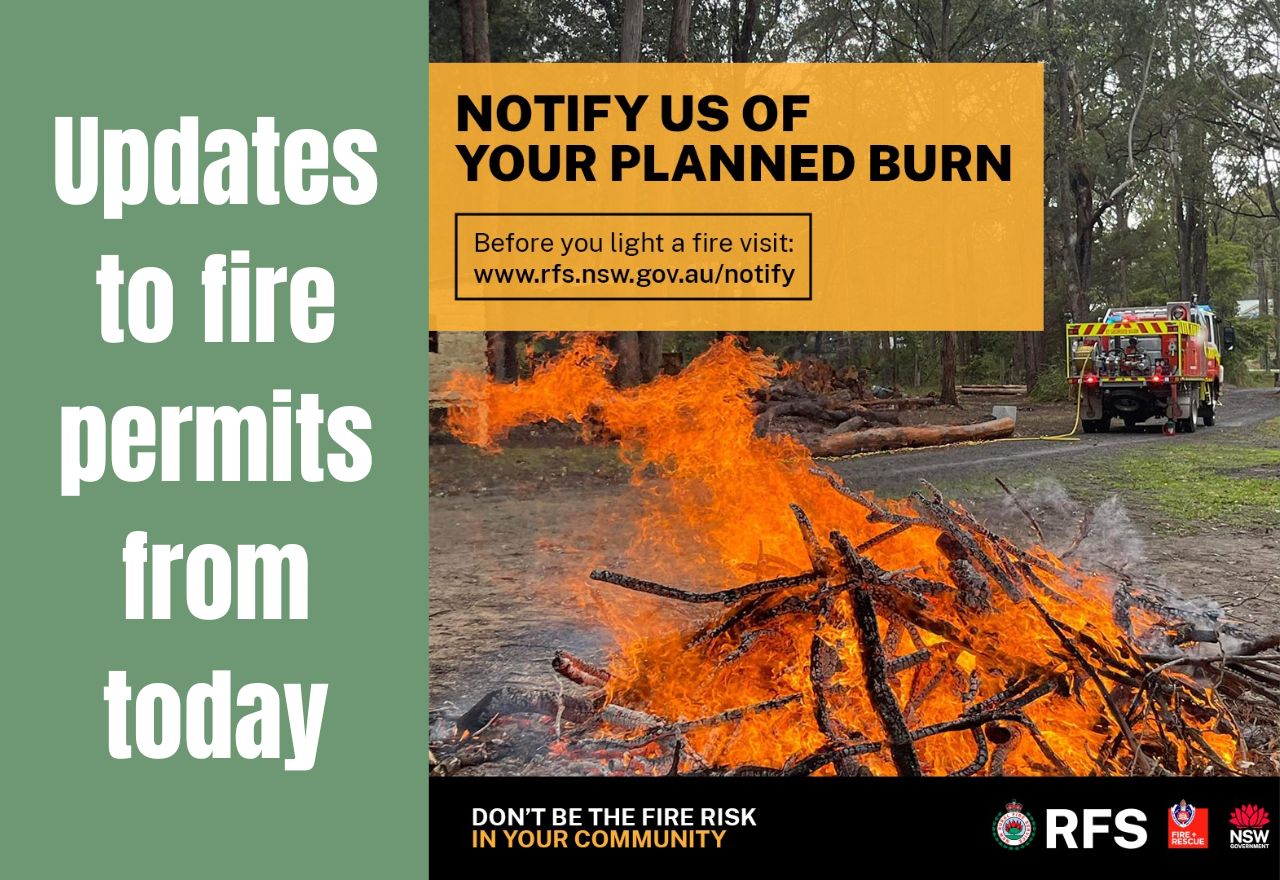
Time Change for Fire Permits in the MIA DistrictIn ShortNew Start Time: Effective March 2, permit holders can begin burning at 12:00 noon, four hours earlier than the previous 4:00 PM limit.Strict Deadlines: All fires must still be completely extinguished by midnight on the day of the burn.Notification Rules: You must notify the RFS and your neighbors at least 24 hours before lighting up.The NSW Rural Fire Service (RFS) MIA District advises residents and landholders of achange to burn times for Fire Permits.From yesterday, Monday March 2, 2026, Fire Permits issued within the MIA District will now allow burning from 12:00 noon, replacing the previous 4:00 pm start time.All other Fire Permit conditions remain unchanged: • Fires must be fully extinguished by midnight on the day of the burn • No burning of timber, logs, stumps, or piles is permitted • Permit holders must comply with all safety requirements outlined on the permit • A Burn notification is also still requiredThis adjustment provides greater flexibility for landholders while maintaining strict safety controls designed to reduce fire risk across the district.The NSW RFS reminds the community that Fire Permits are issued subject to weather conditions and may be suspended or cancelled during periods of elevated fire danger.Residents are encouraged to: ✔ Check local weather forecasts ✔ Notify neighbours at least 24hrs prior to burning ✔ Ensure adequate firefighting equipment is available ✔ Notify the RFS online at least 24hrs prior to burningFailure to comply with Fire Permit conditions or not notifying may result in penalties.For further information or permit enquiries, contact MIA District Office 02 6966 7800 or visit www.rfs.nsw.gov.au.

Purple Tomatoes Approved for Sale in Australia — What Primary Producers in the Region Need to Know

01 March 2026, 7:00 PM

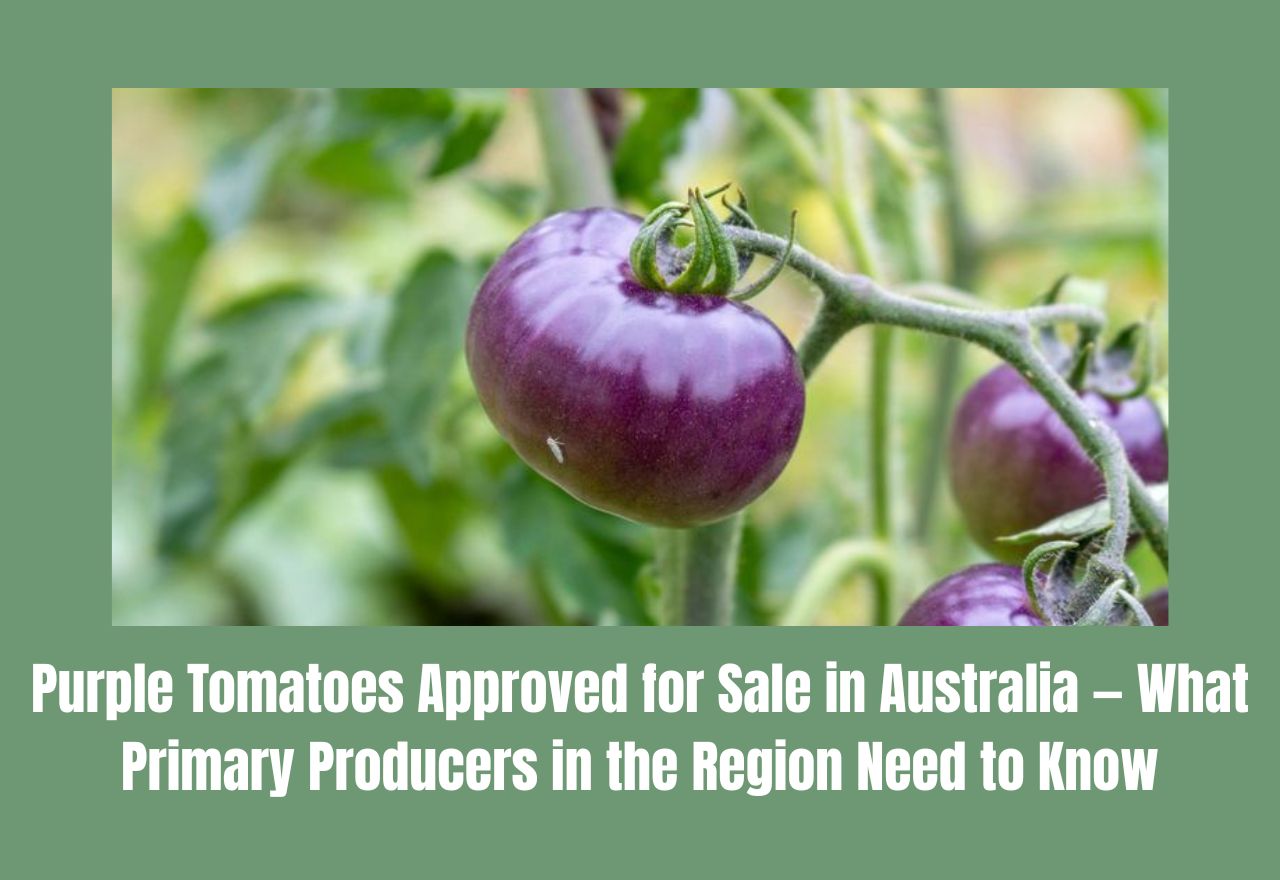
IN SHORT The Office of the Gene Technology Regulator has issued licence DIR 218 approving the commercial release of genetically modified tomatoes that produce a purple fruit colour. These tomatoes will soon be available in Australia for use in both human food and animal feed and have been assessed as posing no risk to human health or the environment. Carrathool Shire Council noted the correspondence at its February ordinary meeting as part of its regular practice of keeping the community informed of developments in agricultural technology. The Office of the Gene Technology Regulator has cleared the way for a new variety of genetically modified tomato to enter the Australian market, and for primary producers and food businesses across the Carrathool Shire and the wider region, it is worth understanding what that decision means and what it does not. Licence DIR 218 authorises the commercial release of tomatoes that have been genetically modified to produce a purple fruit colour. The modification is the result of genetic engineering that causes the tomato to produce anthocyanins, the same class of pigments responsible for the deep colours found in blueberries, purple cabbage and red onions. These compounds have been associated in research settings with various health properties, though the commercial case for the purple tomato is primarily driven by the novelty of the colour and its potential appeal in both fresh food and processed food markets. The regulatory authority has assessed the purple tomato and concluded that it poses no risk to human health or the environment. The tomatoes will be available for use in both human food production and as animal feed, meaning that the product could theoretically appear in stock rations as an ingredient alongside more conventional feeds. For growers and feedlot operators across the region, awareness of the approval is useful background even if purple tomatoes are unlikely to appear on local properties in significant volumes in the short term. Carrathool Shire Council noted the correspondence formally at its February meeting as an information item. The council's approach of formally noting regulatory approvals of this kind and recording them in the public meeting record is a practical way of keeping the community informed of developments in agricultural and food technology that may not otherwise filter through normal communication channels. The broader context is that genetically modified crops and food products approved under the federal regulatory framework are a growing feature of the Australian agricultural landscape. The gene technology regulator's processes involve extensive assessment of human health and environmental risk before any commercial release licence is granted, and DIR 218 follows that established pathway. For farmers, feedlot operators and food processors across the western region, the practical implication for now is simply awareness that this product exists and is approved for the Australian market.

 Rabbits of the River: Will the 2027 'Virus Trials' Finally Reclaim the Murray-Darling?
Rabbits of the River: Will the 2027 'Virus Trials' Finally Reclaim the Murray-Darling?

25 February 2026, 7:00 PM

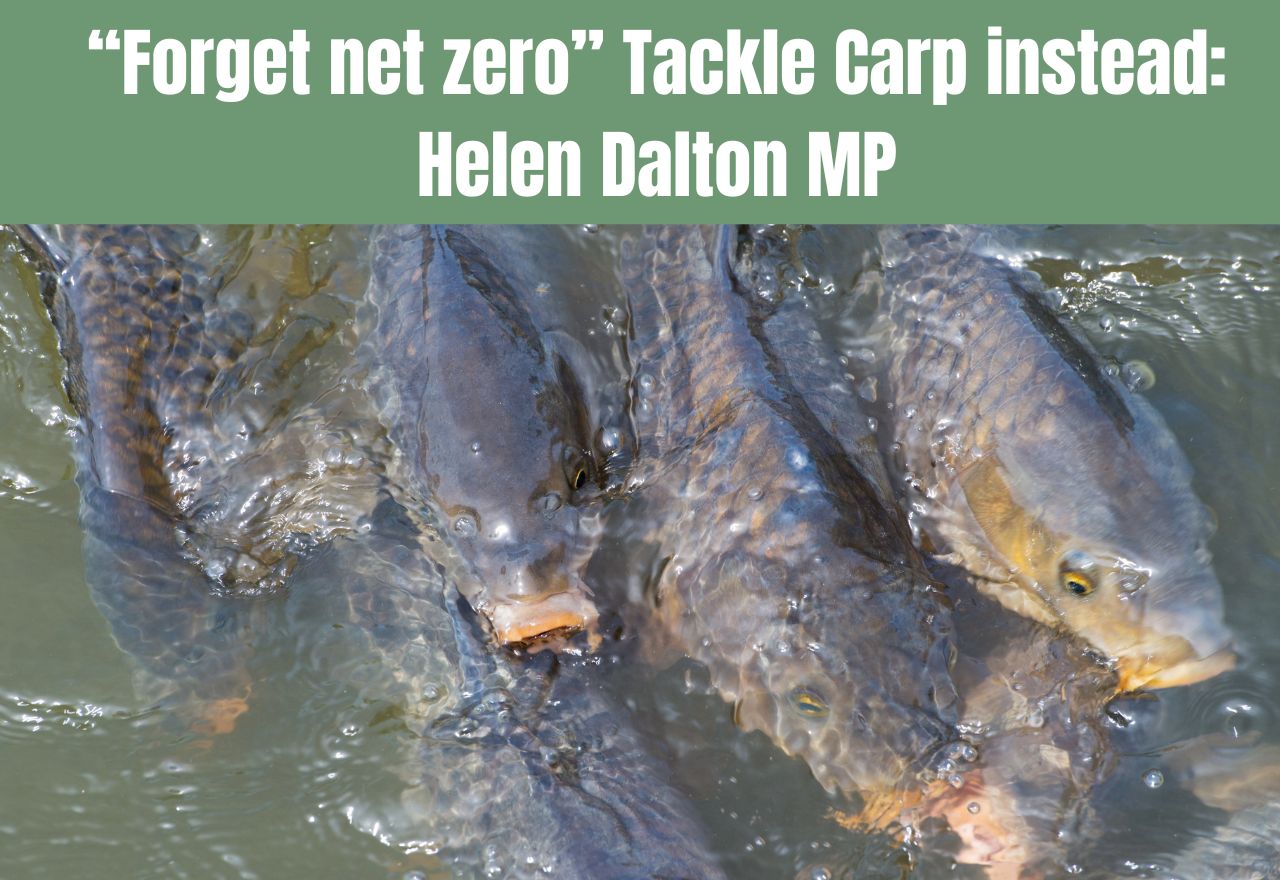
RIVER AT THE CROSSROADS: The $15M Gamble to Eradicate the 'Rabbits of the River'In ShortThe Virus Strategy: Controlled trials of the Cyprinid herpesvirus 3 (KHV) are scheduled for 2027, targeting juvenile carp in isolated Victorian billabongs to test containment.The Political Clash: MP Helen Dalton has slammed the Federal Government for "negligence," while Minister Plibersek defends a "Nature Positive" approach focused on scientific certainty.The Biomass Bomb: Experts warn a mass kill could leave 350+ million rotting carp in the system, risking "blackwater" events that could suffocate the very native species the plan aims to save.The Murray-Darling Basin is bracing for what could be the most significant—and controversial—biological intervention in Australian history. As of early 2026, the federal government has doubled down on the National Carp Control Plan (NCCP), with controlled trials of the Cyprinid herpesvirus 3 (KHV) slated to begin through 2027.Since their introduction in the 1800s, common carp have decimated freshwater ecosystems. Experts now estimate these "mud-sucking" invaders account for a staggering 80 to 90 per cent of the fish biomass in the Basin.The political divide over the virus has sharpened. Member for Murray Helen Dalton MP has emerged as the project’s fiercest advocate, labeling carp the "rabbits of the river." In a scathing assessment of Federal Water Minister Tanya Plibersek’s strategy, Ms. Dalton didn't mince words."There are over 145 carp for each person amongst the 2.4 million people who live along the Murray River system,” Ms Dalton said. “Tanya Plibersek hasn't proposed a solution. This isn't leadership - it's negligence."Ms. Dalton has gone as far as suggesting the public should "forget net zero" and pivot all environmental focus toward the fish, calling them the single greatest threat to the Australian landscape.Conversely, Minister Plibersek has maintained a posture of "cooperation, compromise, and common sense," insisting on a "Nature Positive" approach that prioritises scientific certainty over hasty releases.The Science of the KillThe virus, identified in the 1990s and present in over 30 countries, is lethal and specific. It attacks the gills, kidneys, and liver, killing 70 to 95 per cent of exposed carp. CSIRO research remains firm: the virus does not jump to humans or native species like Murray Cod.However, the logistical nightmare of the aftermath is what keeps policymakers awake.The Biomass Bomb: With up to 357 million carp in the system during wet years, a mass kill would leave hundreds of thousands of tonnes of rotting flesh in the water.Blackwater Risks: Decaying fish strip oxygen from the river. Without massive intervention, the virus meant to save native fish could suffocate them instead.Evolutionary Resistance: Critics point to international studies suggesting carp can evolve resistance rapidly, potentially rendering the $15 million investment a temporary fix.Turning Pests into ProfitWhile the federal government deliberates, regional leaders are looking at commercial solutions to the biomass problem. Independent Member for Barwon Roy Butler MP has been investigating the conversion of carp into high-value agricultural products.After visiting specialised processing facilities, Mr. Butler expressed excitement at the prospect of a circular economy for the pest:"A product that uses waste and carp to produce high-value soil products has an obvious value to agriculture, consumers, and the environment—it ticks a lot of boxes,” Mr Butler said. “It takes two wicked problems and turns them into something of value."This approach builds on the legacy of Charlie Carp, founded in Deniliquin in 1998. The company already utilises a network of commercial fishers to turn tonnes of carp into liquid fertilizer, proving that what was once described as the "muddy soup" of the Lachlan and Murray can be harvested rather than just buried.The 2026–2027 TrialsThe Victorian Fisheries Authority (VFA) is set to lead the first controlled trials in isolated billabongs and enclosed lakes. By targeting juvenile spawning areas in the Spring - when water temperatures are at an 18°C to 25°C temperature - scientists hope to contain the kill and manage the cleanup.Security remains a concern. The Department of Agriculture, Fisheries and Forestry (DAFF) has been tight-lipped about specific trial locations to prevent illegal translocations, where members of the public might prematurely move infected fish into major river systems.As the Lachlan River Catchment undergoes intensive epidemiological modeling, the residents of the Back Country wait to see if 2027 will finally be the year the tide turns against the river’s greatest foe.

Member for Barwon introduces legislation to address "bad neighbour" concerns in regional NSW

17 February 2026, 7:00 PM

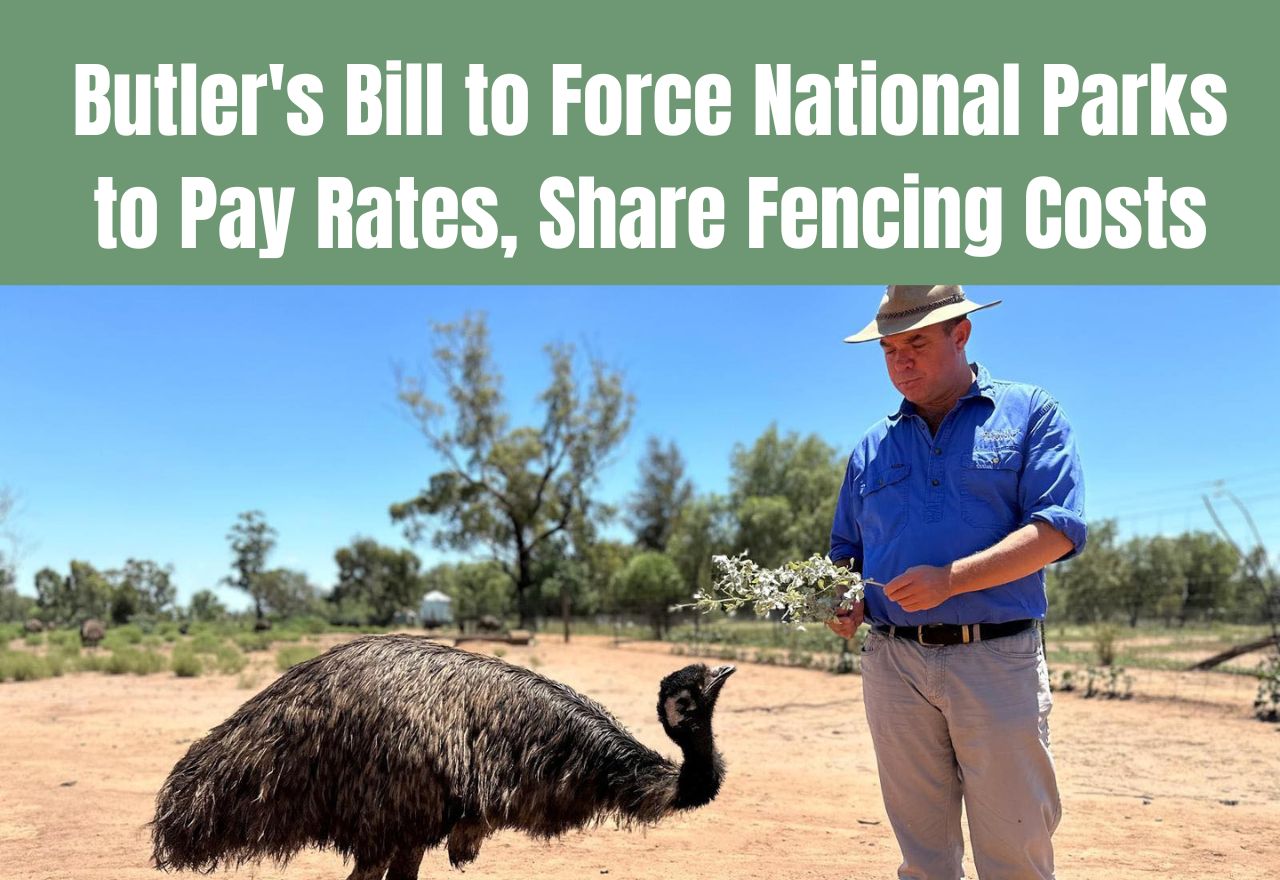
Butler's Bill Would Force National Parks to Pay Rates, Share Fencing CostsIN SHORTMember for Barwon Roy Butler has introduced a bill requiring National Parks to pay council rates and share fencing costs with neighbouring landholdersThe legislation would also require cost-benefit analysis before park acquisitions and mandatory reporting five years later on whether environmental and economic goals were achievedButler argues National Parks has been a "bad neighbour" in regional NSW, with communities seeing little environmental or economic benefit from recent park acquisitionsMember for Barwon Roy Butler has introduced legislation that would require National Parks to pay council rates and share fencing costs with neighbouring landholders across regional NSW.The National Parks and Wildlife Amendment (Land Boundaries and Acquisitions) Bill 2026 also mandates reporting on whether environmental and economic goals are achieved five years after any park acquisition.Mr Butler delivered the second reading speech for the bill during the recent parliamentary sitting week, arguing it addresses longstanding grievances in regional communities about National Parks management."National parks have been dubbed a really bad neighbour in Barwon," Mr Butler told Parliament. "Not paying their portion of shared fencing costs, allowing feral animals to overrun parks and flow into neighbouring farms, allowing the proliferation of weeds to spread well outside park boundaries – the list goes on."The bill comes as the NSW Government continues to acquire working pastoral properties for conversion to national parks, particularly in the Far West region.Mr Butler's legislation would require a cost-benefit analysis before any acquisition, forcing consideration of economic impacts alongside environmental goals."In fact, my recent survey showed that just one in five people had seen environmental or economic benefits from local National Parks," Mr Butler said."They've made promises about increased tourism that never seem to bear fruit. It's also often unclear exactly what is being protected by the new National Parks."Under the proposed legislation, the Minister would be required to report to Parliament five years after any acquisition on whether stated environmental and economic goals had been achieved.The requirement for National Parks to pay council rates would provide a significant revenue boost for regional shires, which currently receive no rates income from National Parks land despite being responsible for roads and infrastructure servicing park boundaries.The fencing cost-sharing provisions address a particular frustration for pastoral properties bordering National Parks land."Minister Kean is a nice bloke, and I get along with him well," Mr Butler said in an earlier parliamentary debate on the issue. "He is the type of bloke that if he and his neighbour’s shared fence was falling down, he would chip in half. Fair is fair, after all."I make a simple request of him today: Get the National Parks and Wildlife Service to be a good neighbour. Get it to pay half of the shared fence costs, both materials and installation."Mr Butler has also raised concerns about National Parks conducting aerial culling of goats in parts of his electorate where mustering goats for the meat market forms a key part of the local economy.For communities in Central Darling, Balranald, Carrathool and Hay, the management of National Parks land has direct economic impacts on neighbouring pastoral enterprises and local council budgets.The bill will face further debate when Parliament resumes on 17 March.

Butler and Dalton Join Forces to Overhaul ‘Secret’ Water Register

17 February 2026, 7:00 PM

Butler and Dalton Strike Blow Against ‘Secret’ Water Register: What the New Laws Mean for You In ShortEnd of Secrecy: The new law creates a simplified, searchable register to reveal who owns NSW water, stripping away complex corporate veils.Politician Accountability: For the first time, MPs must publicly disclose their water interests—and those of their spouses—on the Pecuniary Interests Register.Independent Power: Barwon MP Roy Butler and Murray MP Helen Dalton formed a rare regional alliance to push the bill through, bypassing traditional party-line politics.Member for Barwon Roy Butler and Member for Murray Helen Dalton have joined forces in the NSW Parliament to demand an end to what they describe as the "shroud of secrecy" surrounding water ownership in the state.Both Ms Dalton and Mr Butler are independent members, representing the vast Back Country electorates of Murray and Barwon respectively.During the first sitting week of February, Mr. Butler rose in the Legislative Assembly to throw his weight behind Mrs. Dalton’s Water Management Amendment (Water Access Licence Register Reform) Bill. “I rose to speak in favour of a bill by parliamentary colleague Helen Dalton, Member for Murray, asking for a simpler, more accessible register of State and Commonwealth water access licences.”The Problem: A "Distrustful" SystemFor years, landholders and community members have complained that the current NSW Water Register is a maze of technical data that makes it almost impossible for the average person to see exactly who holds what licences."Finding information about water assets in NSW is extraordinarily difficult," Mr. Butler told his constituents this week. "When information is hard to find, it can sow the seeds of distrust."The core argument driving this Bill is one of public ownership: because water is a public asset, Dalton and Butler say the public has a right to see who is using it and where it is going. They argue that the current lack of transparency creates an uneven playing field where large-scale players can navigate the system, while family farmers are left in the dark."Applying for a water licence is currently easier than opening a bank account,” Ms Dalton said. “People can hide behind a corporate veil, so the general public don't know they're the actual purchaser. I am here to end the secrecy surrounding water ownership in NSW."The Bill: What is Changing?The Bill, introduced by Helen Dalton and backed by Butler, aims to shine a light on the murky corners of water trading. If passed, the reform would introduce several key changes:A Simplified Register: The creation of a more accessible, search-friendly database of State and Commonwealth water access licences.Unique Identifiers: A system to track water owners more clearly, preventing interests from being hidden behind complex corporate structures.Foreign Ownership Reporting: New requirements for reporting foreign beneficiaries of trusts that hold interests in NSW water.MP Accountability: Perhaps most controversially, the bill seeks to require Members of Parliament to publicly disclose any water interests they or their spouses hold, putting water on the same level as property or shares in the Pecuniary Interests Register."When I was elected, I was shocked to learn I didn't have to declare my water entitlements in the conflict of interest form they make politicians sign,” Ms Dalton said. “We have to declare land, property, jobs, and shares. But not water. The first step in fixing our water problems is to find out who owns it."The Timeline: A Persistent FightWhile Roy Butler rose to support the reform in the first sitting week of February, the journey began much earlier for Helen Dalton. She first introduced the Water Management Amendment (Water Access Licence Register Reform) Bill in the Legislative Assembly on August 8, 2024.This wasn’t her first attempt; Dalton had been introducing versions of this "Water Register" bill since 2020. However, the 2024 version finally gained enough momentum to pass both houses and was assented into law on October 23, 2024"Assented into law" is the final hurdle a Bill must clear to become an enforceable Act of Parliament.Once passed, the Bill is sent to the Governor of NSW, who represents the King. The Governor signs the Bill on behalf of the monarch. When Roy Butler spoke in favour of the Bill in February, it was still a proposed law. Once it was assented, it shifted from being a political idea to a legal requirement.In Australia’s constitutional monarchy, a Bill (a proposed law) does not become a law the moment politicians finish voting on it. It requires a formal seal of approval from the Crown.A Powerful Independent AllianceThe partnership between Butler and Dalton seems to be creating a powerful push-for-the-bush in NSW Parliament. While they represent different electorates, their shared background as independents from regional areas allows them to bypass party-line politics."Everyone should follow the same rules," Mr. Butler said. "Public assets belong to the people, not to governments."

NSW Doubles Drought Loan Caps to $500k as Conditions Worsen Across 48% of State

16 February 2026, 12:52 AM

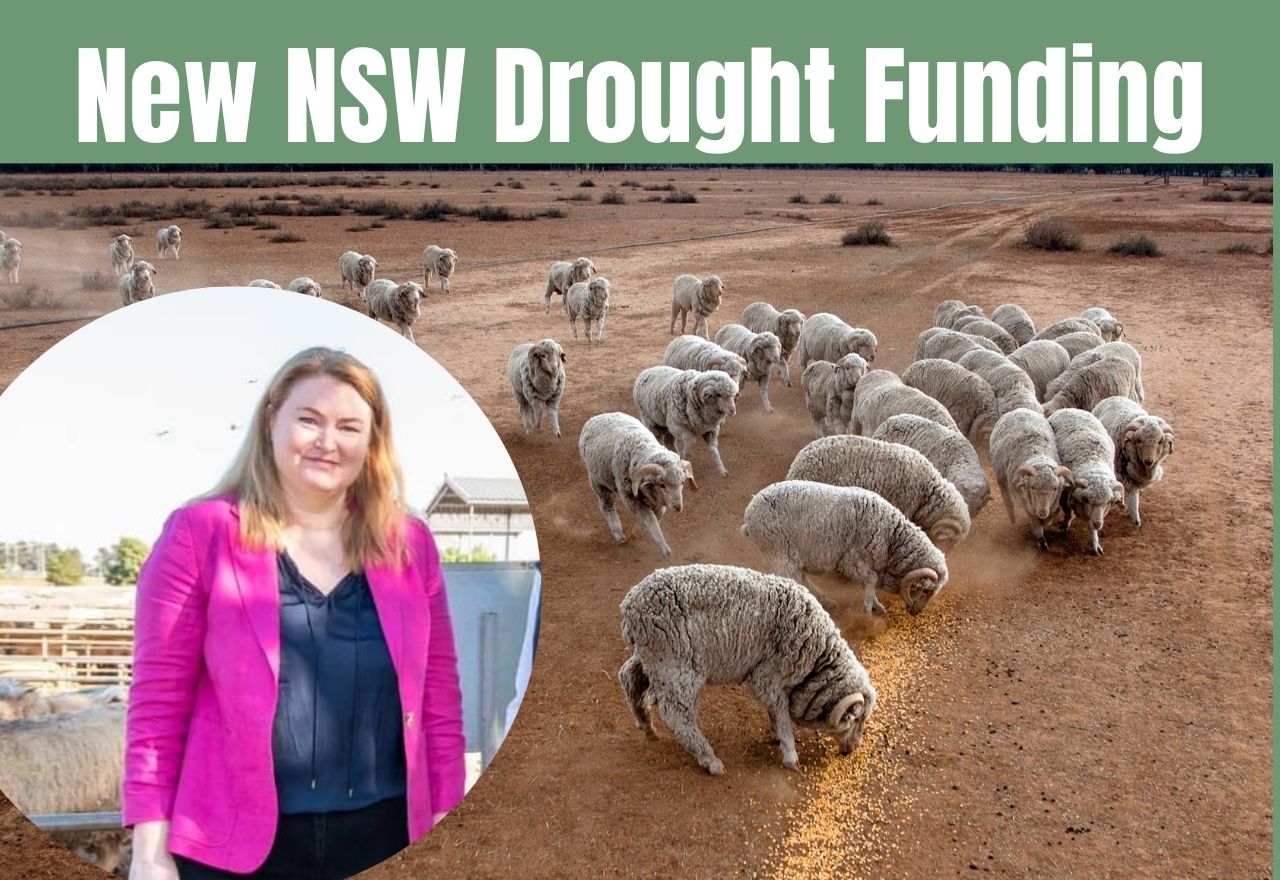
In ShortExpanded Financial Support: The loan cap for the Drought Ready and Resilient Fund has doubled to $500,000, alongside a new $100,000 "Small Drought Relief Loan" featuring no property security requirements.Critical Pest Management: $3.2 million has been allocated to combat grazing pressure from kangaroos, feral pigs, and deer, specifically targeting areas where pests compete with livestock for dwindling feed.March 10 Rollout: Applications for new and expanded financial products open on March 10, 2026, targeting the 48% of NSW currently in drought before autumn conditions deteriorate further.This week, the NSW Government has rolled out several drought funding measures designed to hit the ground by March 10, 2026With roughly 48% of the state currently categorised as being in drought, and conditions expected to worsen by autumn, NSW Minister for Agriculture Tara Moriarty announced an expansion of the state’s drought plan.The new measures focus heavily on immediate cash flow, pest management, and technical support.Ms Moriarty said the strategy is about "practical, cost-effective support." She said that the doubling of the loan cap was a direct response to feedback from farmers who needed more capital to bridge the gap between preparedness and survival."Our government is focused on cost-effective measures that deliver real benefits... helping those in need immediately."“Our innovative and practical approach is shown by the new range of low-cost financial products so farmers can get funds faster, easier and cheaper. This is what they wanted and we are delivering.“Our Government has been implementing new drought initiatives over the last six months following meetings I’ve had with farmers, mayors and local MPs.”“There have been some calls for transport and feed subsidies, but expert advice from the previous Nationals-Liberal Government’s 2021 evaluation report into drought relief measures, showed they provide very low value for money. We also know they can drive up prices of transport and feed.”“Our Government is focused on cost effective measures that deliver real benefits for farmers and communities. This enables us to direct funding in times of drought to the practical, cost-effective support that makes a real difference,” Ms Moriarty said.New and Expanded MeasuresDrought Ready and Resilient Fund: The loan cap has been doubled from $250,000 to $500,000 to allow farmers to invest in larger infrastructure (like fodder storage or water systems) while covering rising operational costs.New Small Drought Relief Loan: A new low-cost loan of up to $100,000 has been established with reduced paperwork and no property security required, intended for rapid cash-flow needs.Pest and Grazing Pressure Control: $1.2 million to reduce kangaroo populations in the Far West (who compete for dwindling feed). $2 million for targeted control of feral pigs and deer.Drought Adoption Officer Program: Funding extended $1.2 million funding – this initiative that started in late 2023 has been extended to December 2026, due to the success delivered - 2,000 one-on-one landholder consultations, and 880 events and farm visits, according to the Minister.Term of the Southern NSW Drought Coordinator extended: Initial six months now extended to end of 2026 and expanded to western NSW where dry conditions are challenging farmers.Technical & Mental Health Support:Free Feed and Water Testing: $250,000 for statewide kits to help farmers budget feed and manage livestock health.Drought Coordinator Extension: The Southern NSW Drought Coordinator role has been extended to the end of 2026 and expanded into Western NSW.Rural Financial Counselling: An additional $1.8 million in funding.

From Drought to $25.5 Billion: NSW Farming Hits Record-Breaking Highs

15 February 2026, 7:00 PM

Record Harvests and High Prices Drive $25.5 Billion Ag BoomIn ShortRecord Performance: The Gross Value of Production (GVP) has reached a historic $25.5 billion, more than doubling the value recorded just a decade ago.Profitability Surge: Average broadacre farm cash income hit a record $419,000, with farm equity ratios climbing to a robust 91.9%.Global Demand: NSW agricultural exports reached $13 billion, underpinned by record pulse production and exceptionally strong global prices for lamb and beef.Primary industries across New South Wales have achieved a milestone result, with the sector’s Gross Value of Production (GVP) hitting an unprecedented $25.5 billion for the 2024–25 period.The latest Performance Data & Insights report reveals a sector in full-throttle recovery. Since the height of the drought in 2019, the industry’s value has surged by 114 per cent, adding $13.6 billion to the state’s economy in just five years.Minister for Agriculture Tara Moriarty said the results prove that NSW producers are more resilient than ever."These numbers show that NSW producers have not only recovered from the 2017–2019 drought, they have persevered through the volatility of environmental conditions and emerged stronger than ever," Minister Moriarty said.The boom was felt most acutely in the paddocks. Cropping GVP surged 33 per cent to $11.6 billion, buoyed by record-breaking pulse production and above-average yields. Meanwhile, the livestock sector leaped 28 per cent to $7.2 billion, a result of massive meat production volumes and gravity-defying lamb prices.For local producers in the Hay and Balranald districts, these figures reflect a period of sustained global demand, with NSW agricultural exports hitting a massive $13 billion.It isn't just the production volume that is breaking records; it's the financial health of the farmers themselves.Farm Cash Income: The average broadacre farm income hit $419,000, a 24 per cent increase on previous highs.Equity Ratios: Farm equity has climbed to 91.9 per cent, up from 84.5 per cent a decade ago.Capital Value: The average NSW broadacre farm capital is now valued at $13.7 million.Minister Moriarty said the NSW Government is reinvesting in this success, with $100 million committed to agricultural research and $1 billion toward biosecurity systems to protect these gains."Our government has invested heavily so that there is a helping hand and shared knowledge on innovation," she said. "This enables farm businesses to use recent strong seasons to build financial resilience."While the forecast for the next year suggests a slight moderation, experts believe the sector is now exceptionally well-buffered against future risks, including the inevitable return of drier conditions.

"A Price to Pay": New Biosecurity Taskforce to Target Feral Pigs and Cattle Tick

14 February 2026, 7:00 PM

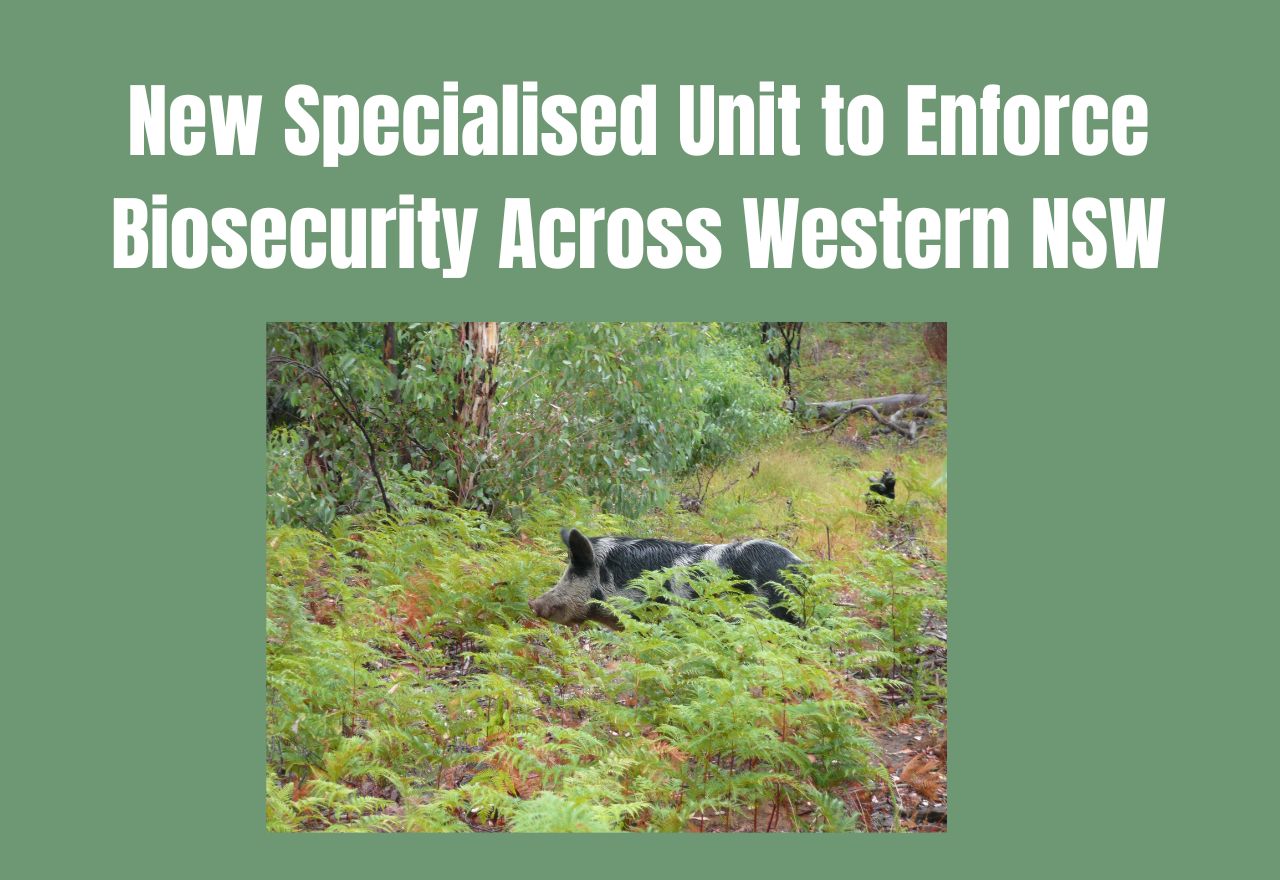
New Specialised Unit to Enforce Biosecurity Across Western NSWIn ShortNew Enforcement: A dedicated 6-person Biosecurity Compliance and Investigation Unit has been formed to tackle breaches that threaten the state's $25 billion primary industries.Local Impact: The unit will work alongside Local Land Services (LLS) to ramp up enforcement on invasive species like feral pigs, deer, and noxious weeds.Market Protection: A major focus will be ensuring compliance with the National eID program, which is vital for Western NSW livestock producers to maintain international export access.The NSW has officially launched a dedicated Biosecurity Compliance and Investigation Unit, a move they say is designed to protect the state’s $25 billion primary industries from the $1.9 billion annual toll taken by pests and weeds.Based within the NSW Department of Primary Industries and Regional Development (DPIRD), the six-person unit will serve as the spearhead of the state’s biosecurity framework, shifting the focus from education to strict enforcement and surveillance.Minister for Agriculture and Regional NSW, Tara Moriarty, said the unit sends a clear message to those ignoring their biosecurity obligations.“This sends a clear message: if you breach biosecurity protocols and laws, then there will be a price to pay,” Minister Moriarty said. “We are strengthening our compliance and enforcement, providing the resources needed to keep NSW safe and secure.”For residents in the Hay, Balranald, Carrathool and Central Darling shires, the most significant impact will be the unit’s collaboration with Local Land Services (LLS) and Local Control Authorities.The taskforce is mandated to expand compliance for pest and weed management, specifically targeting feral pigs and deer, which continue to plague properties across the Western Division. Additionally, the unit will support on-ground surveillance at state borders for high-risk threats such as cattle tick and the red imported fire ant.Beyond pest animals, the unit will oversee compliance operations for the National eID program. In a global market increasingly focused on traceability, maintaining the integrity of the eID system is critical for local livestock producers to keep their "clean and green" status and ensure access to premium international markets.The creation of the unit follows recommendations from the Natural Resources Commission and the former Independent Biosecurity Commissioner. It aligns with the NSW Biosecurity Action Plan 2025-2026, which aims to provide clearer regulatory guidance for landholders and industry.“Biosecurity is critical, and this team will ensure we stay ahead of the risks facing our communities, industries, and environment,” Minister Moriarty added.

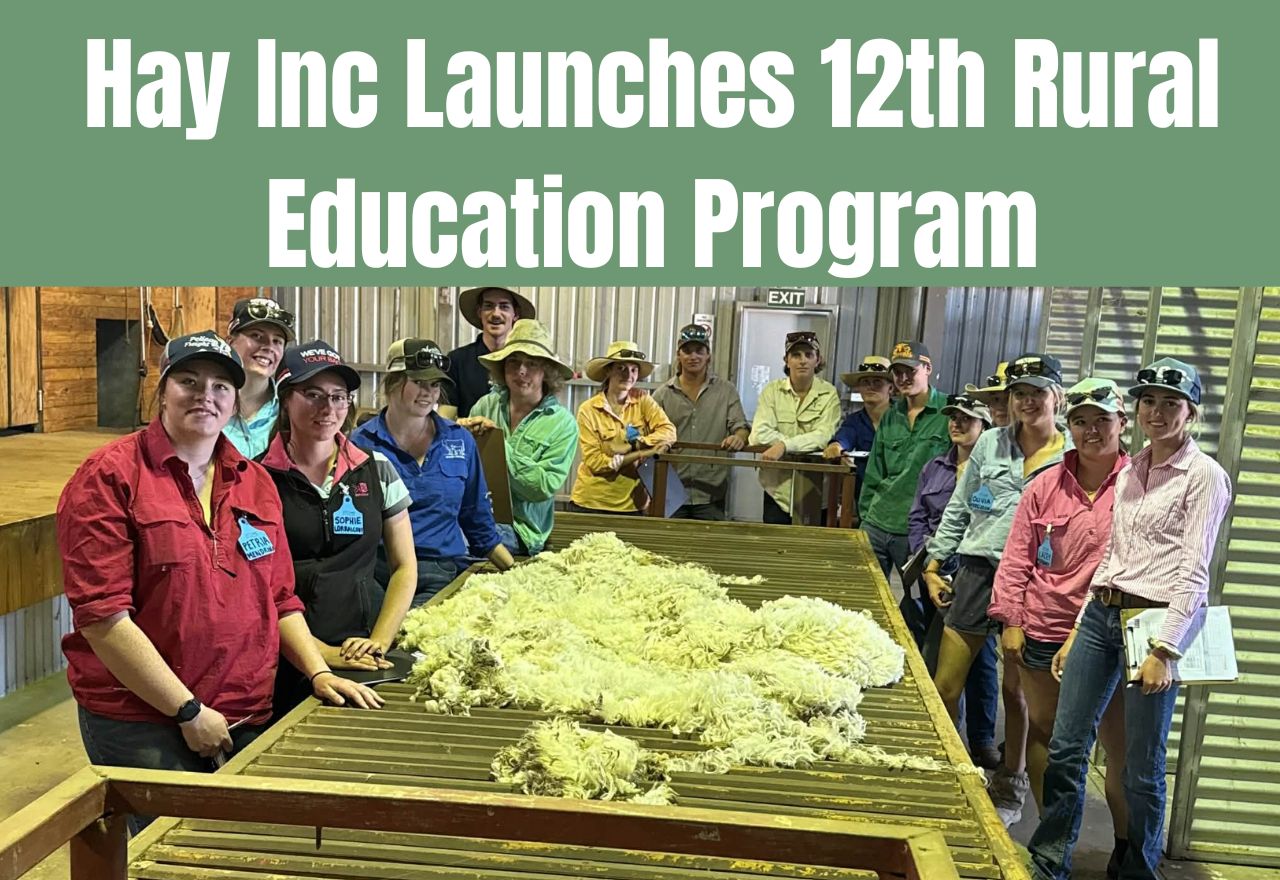
Local Agriculture Bolstered as Hay Inc Launches 12th Rural Education Program

10 February 2026, 7:00 PM

From Paddock to Pro: 16 New Recruits Kick Off Hay Inc’s 12th Rural Education ProgramIn ShortNational Interest, Local Impact: 16 participants from four states have begun the 12th Hay Inc program, including four locals from the Hay district.Hands-on Skills: The cohort is currently undergoing intensive training in livestock handling, WHS, and vehicle safety at regional stations like Wyvern and Croidon.Growing Network: Upon June graduation, this group will join an elite alumni network of 160 rural professionals supported by major industry bodies like Australian Wool Innovation.The next generation of agricultural professionals has converged on the Riverina as Hay Inc officially commenced its 12th Rural Education Program this week.The 2026 intake consists of 16 participants selected from a competitive national pool, including applicants from NSW, Queensland, South Australia, and Victoria. According to Hay Inc, the program aims to address the practical skills gap in the pastoral industry, with this year’s cohort scheduled to graduate in June.Regional Impact and EnrolmentThe 2026 program maintains a significant focus on the local government areas of Hay, Balranald, Carrathool, and Central Darling.Of the 16 students enrolled, four are residents of the Hay district, while seven are currently employed by agricultural enterprises within the immediate region. Upon completion of the course, these students will join a 160-strong alumni network of rural professionals.Organisers state that the presence of students and trainers provides a direct economic contribution to the Hay shire through increased demand for local accommodation, catering, and retail services.Above: Hay Inc’s latest group cohort (from left) Petria Mendrina, Sophie Lorrai-Cody, Andrew Lucas from Tocal College, Grace McKay, Ilka Gordon, Hay Inc Program Manager Sandra Ireson, Paddy Ryan, Hay Inc volunteer Rob Gibson, Luke Nevinson, Sienna Lund, Olli Curll, Charlie Palmer, Henry Francis, Ben Clark, Lexie Young, Jacinta Billings Martin, Olivia Ferguson, Lacey Murnane and Kelsa Horne. Image: Hay Inc.Technical Training UnderwayPractical instruction has already commenced across several regional properties. Initial modules included:Livestock Handling: Sheep and cattle sessions conducted at Wyvern Station, Carrathool, led by volunteers Chris Bowman, Glen Walker, and Jack Kimpton.Workplace Health and Safety: Accredited OnFarm WHS training held at Croidon, Hay, delivered by Andrew Lucas of Tocal College and volunteer Rob Gibson.Vehicle Operation: Two-wheel and four-wheel motorbike safety and handling units.Emergency Response: Rural First Aid certification delivered by the Red Cross.The curriculum also incorporated wellbeing seminars, including "Strength from the Land for the Mind" with Jacqui Crawford and "Flexible Farmers" with Michelle Spence.Industry SupportThe program continues to operate through a combination of volunteer input and corporate sponsorship. Hay Inc acknowledged the following entities for their financial and material support of the 2026 cohort:Australian Wool Innovation (AWI), Bendigo Bank, TA Field Profield Trust, Rabobank Client Council, Pottinger and Hewitt Ag and The Lugsdin family (provision of local gift cards).About Hay IncHay Inc is a non-profit organisation dedicated to providing hands-on agricultural training to young people. The program is designed to sustain the agricultural workforce by preparing participants for long-term careers in the pastoral sector.For further information regarding the 2026 program, enquiries can be directed to Program Manager Sandra Ireson - Email: [email protected] or phone: 0439 938119.
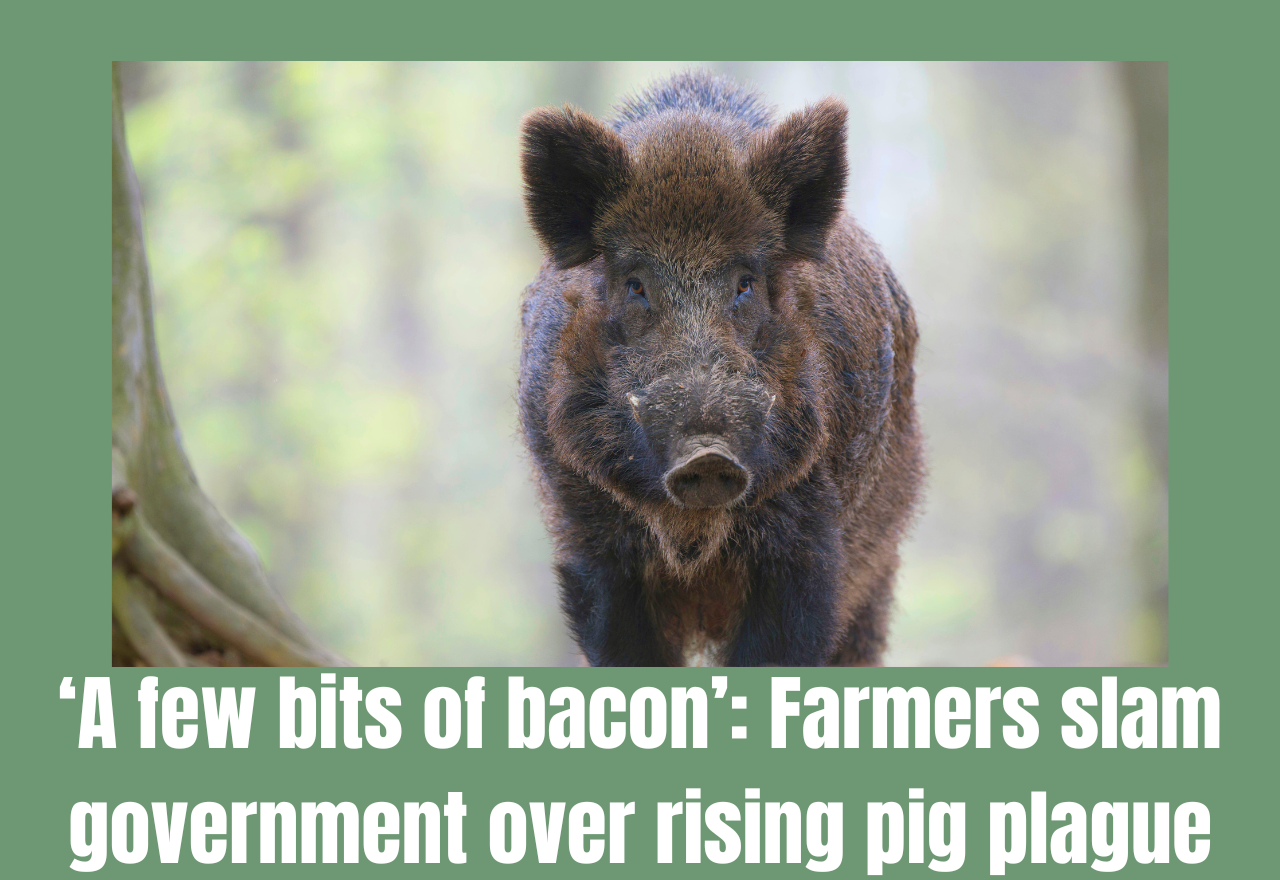
‘A few bits of bacon’: Farmers slam Government over rising pig plague

09 February 2026, 1:00 AM

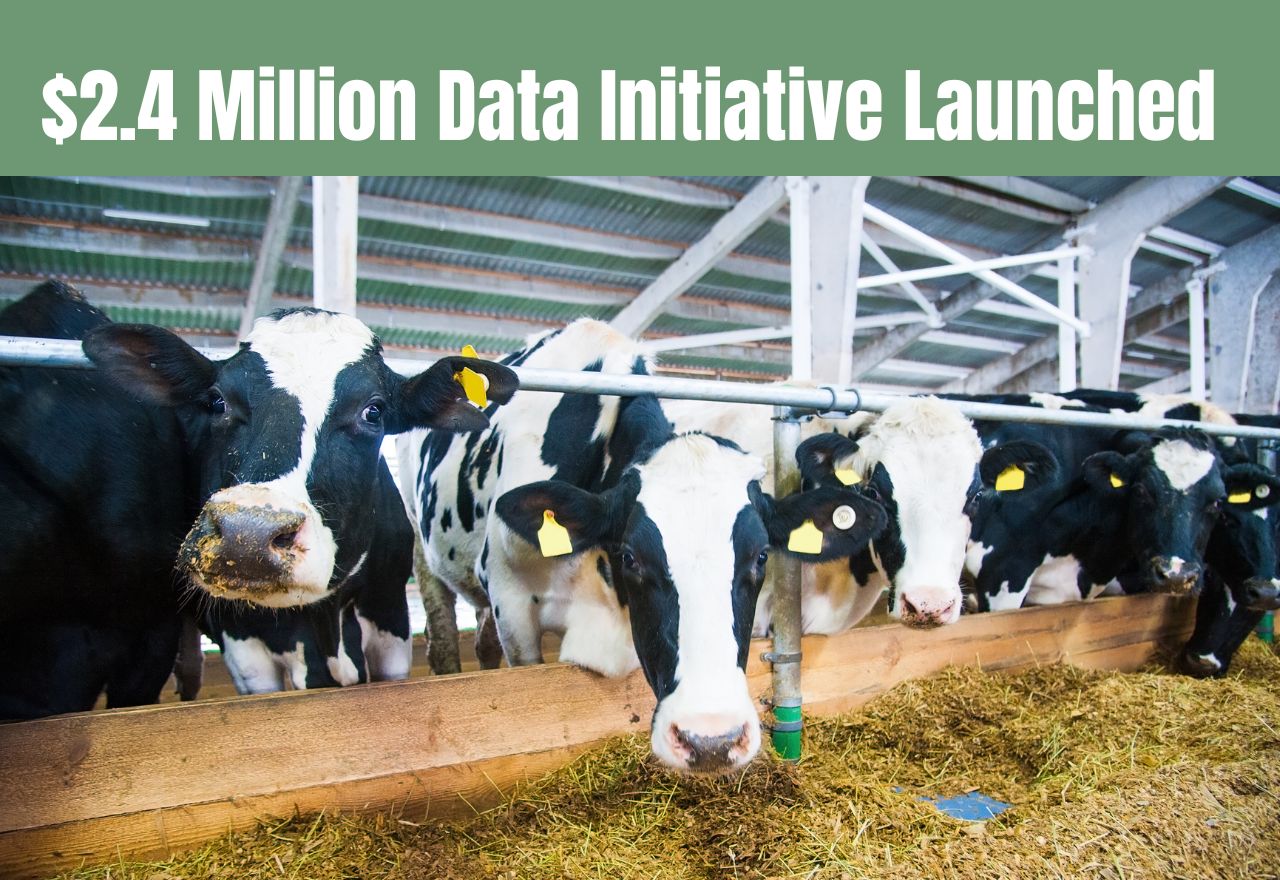
'Relentless’ pig numbers tearing Through Far West as Funding Deadline LoomsIn Short:Culls Falling Short: Despite 53,000 pigs being culled by authorities last year, NSW Farmers says this is insignificant compared to the estimated tens of millions still breeding.Funding Cliff: Existing control programs are only guaranteed until June 30, sparking fears of a population explosion if the upcoming State Budget doesn't commit to long-term funding.Public Land Problems: Farmers in the West report that pigs are breeding unchecked on public lands before "tearing through" private fences and crops.Farmers across the region are describing a "relentless force" of feral pigs, as the state’s peak farming body warns that recent government culling efforts amount to little more than "bits of bacon."Recent data highlighting that 53,000 feral pigs were culled by authorities over the past year has been met with scepticism by NSW Farmers. The group argues these figures are dwarfed by the millions of pests currently devastating paddocks across Western NSW.NSW Farmers’ President Xavier Martin said the current population control is nowhere near what is required to protect the state's agricultural output.“This isn’t the whole population control we need to see, it’s just a few bits of bacon,” Mr Martin said.“We’ve never seen pig numbers this bad before, and I’m hearing report upon report from farmers who have hordes of these pests just tearing through their farms like a relentless force that can’t be stopped.”For producers, many of whom have invested heavily in private baiting and trapping programs, the primary concern is the lack of long-term certainty. Current funding for state-led control programs is only secured until June 30, 2026.Mr Martin warned that without a coordinated strategy in the upcoming state budget, the breeding cycle will remain unbroken.“Five figure culls simply aren’t going to do the job when numbers are surging, farmers are being restricted in what tools they can use, and there’s no guarantee of funding for control programs past June 30,” he said.A recurring frustration for local landholders is the role of public land in the crisis. While local farmers fight "uphill battles" on their own properties, there are growing calls for the government to manage the breeding occurring on state-owned land.“The NSW Government has promised to do its bit to control these pests, but we know they’re still breeding up on public land as farmers fight an uphill battle against them,” Mr Martin said.

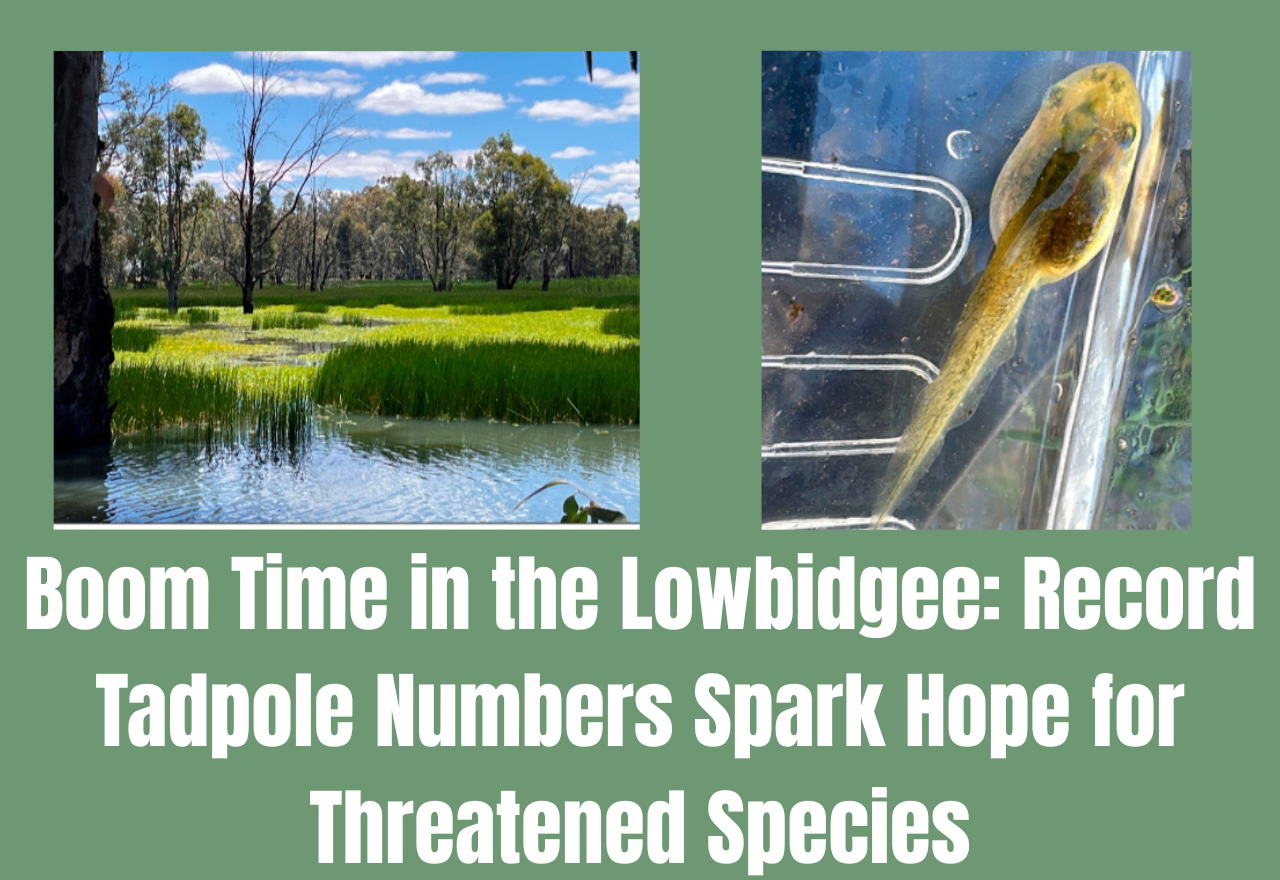
Boom Time in the Lowbidgee: Record Tadpole Numbers Spark Hope for Threatened Species

08 February 2026, 10:00 PM

Lowbidgee Wetlands see unprecedented ‘baby boom’ as Southern Bell Frogs bounce backIn ShortRecord Discovery: Over 1,200 tadpoles were recorded at Murrundi Swamp, including 216 nationally threatened Southern bell frogs.The "Trigger": Precisely timed environmental water deliveries in late spring acted as a natural nursery, providing the food and shelter needed for the boom.Community Effort: The success is being hailed as a win for the collaborative work between local landholders and water managers across the region.A record-breaking surge of tadpoles has been discovered in the Lower Murrumbidgee wetlands, marking a significant win for the environmental health of the Hay, Balranald, and Carrathool shires.Monitoring teams from the Flow-MER program, the Commonwealth’s initiative to track the health of our waterways—recorded a staggering 1,244 tadpoles during a single survey in November. The standout performer was Murrundi Swamp, located within the North Redbank system, where researchers witnessed a "soaring" of species diversity.For residents across the Central Darling and western river systems, the results offer more than just a biology lesson. They represent the direct impact of managed water deliveries on the local landscape. Among the count were 216 Southern bell frogs (Litoria raniformis), a species currently listed as nationally threatened. Other local residents found thriving in the nursery include the giant banjo frog, the plains froglet, and both barking and spotted marsh frogs.The success of the breeding season is being credited to the close relationship between government agencies and the people on the ground. Project Lead Professor Skye Wassens emphasized that the result was no accident."This result is a credit to the dedication of water managers and local landholders across the North Redbank system who work together to support these water deliveries over multiple years," Professor Wassens said.The timing of the water delivery was the critical "trigger." By reaching these seasonally dry wetlands in late spring, the water created a complex habitat—a giant natural nursery where thick vegetation and shallow pools provided the perfect protection and food source for the developing "froglings."To ensure the boom translates into a permanent population boost, the team used a mix of overnight netting and evening spotlighting to assess development stages. The data gathered helps researchers understand how specific environmental conditions, like those found in our local LGAs, influence long-term survival.While the early results are a "glowing report card" for the region, the work isn't over. Follow-up surveys are scheduled for February 2026 to track how the tadpoles fare through the peak of the summer heat.

New Carbon Plans to Future-Proof Back Country Farms: 120 NSW Producers Leading the Charge

06 February 2026, 4:00 AM

Local producers map out carbon futureIn ShortBaselines for Better Business: Tailored plans help farmers understand exactly where their emissions come from, covering everything from livestock to fuel use.Securing Market Access: The project prepares local producers to meet growing global and supply chain demands for low-carbon produce.Practical Mitigation: Farmers receive actionable insights and data-driven recommendations to implement sustainable, carbon-reducing strategies on-property.Farmers across the Hay, Balranald, Carrathool, and Central Darling regions can take a step toward securing their future market access, as a state-wide push for on-farm carbon management gains momentum.The NSW Government’s On-Farm Carbon Advice project has now seen more than 120 producers across the state—ranging from extensive livestock to mixed farming systems common in our back country—partner with experts to develop detailed greenhouse gas management plans.For communities like ours, where agriculture is the lifeblood of the economy, these plans offer a way to baseline emissions and identify practical changes that can be made in the paddock to improve the bottom line. The project aims to build the capacity of farm businesses to manage carbon, focusing on everything from livestock management and cropping to fertiliser use and energy consumption.Minister for Agriculture and Western NSW, Tara Moriarty, said the project is about navigating the transition to a low-emissions future while ensuring farmers are equipped for evolving standards."The project has received positive feedback from farmers, who have highlighted the value of personalised guidance and the practical, actionable insights these plans provide, often leading to more efficient enterprises," Ms Moriarty said."Through the creation of these Farm Carbon Management Plans, the project aims to empower farmers with the knowledge to make informed decisions regarding their on-farm emissions and explore effective mitigation strategies."The Minister noted that the move is also about the bottom line. "It will help farmers meet the emerging demand, from their supply chains and customers, for low carbon produce, and secure their market access into the future. It will also highlight opportunities for farmers to participate in carbon markets," she said.For local dairy and livestock producers, the transition is about turning complex data into everyday decisions. Casino dairy farmer Fleur Tonge, who participated in the program, said the process provided much-needed clarity."The time and effort working with carbon experts has helped us better understand how we can reduce greenhouse emissions on our properties," Mrs Tonge said. "These reports are presented in an easy-to-understand manner with sound data and recommendations. It is an issue that needed to be addressed, and we feel far more confident of how our farm is performing now".As global markets increasingly look for "green" credentials, these tailored plans are intended to provide the framework for Back Country producers to remain at the forefront of the industry.

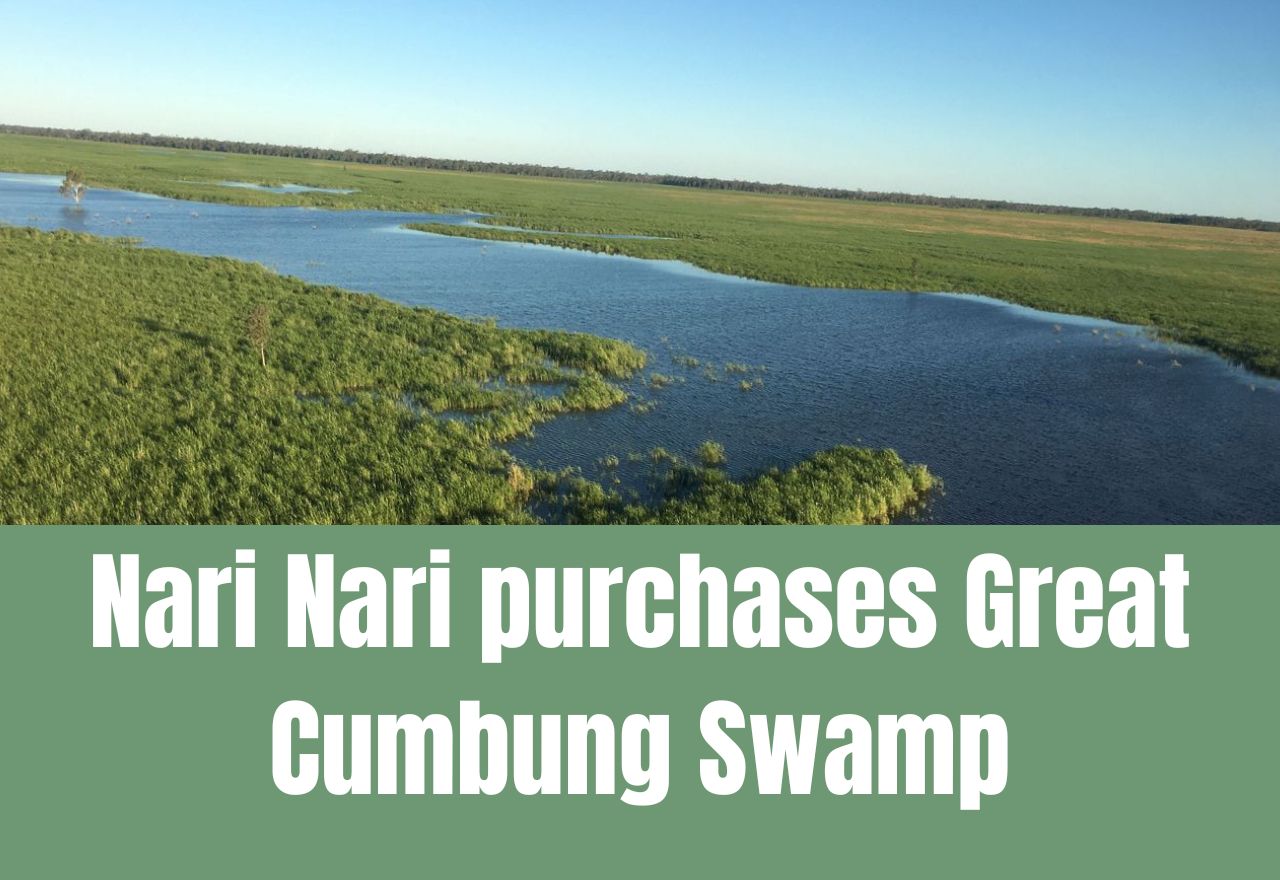
Nari Nari Tribal Council Secures Historic Return of The Great Cumbung

02 February 2026, 7:00 PM

Landmark Land Handover: Nari Nari Tribal Council Takes Stewardship of The Great CumbungIn Short• Historic Handover: The Nature Conservancy Australia has officially transferred 16,000 hectares of The Great Cumbung wetlands to the Nari Nari Tribal Council (NNTC).• Environmental Protection: The deal includes a commitment to seek Ramsar listing, recognising the site as a wetland of international importance for its 130+ bird species.• Unified Management: The acquisition sees NNTC now manage a continuous corridor of land alongside the existing Gayini and Toogimbie Indigenous Protected Areas.The Nature Conservancy Australia (TNC) has announced the finalised sale of The Great Cumbung Swamp to the Nari Nari Tribal Council (NNTC).The deal, settled after a competitive bidding process, sees the ownership of one of south-west NSW's most ecologically vital wetlands transfer to a local, Indigenous-led organisation.Details of the sale remain undisclosed however in TNC and Tiverton Agriculture originally purchased the Great Cumbung for approximately $55 million in 2019The Great Cumbung covers 16,000 hectares of Lachlan River wetlands, and part of the former cattle properties of Boyong and Juanbung, north of Hay.Located at the bottom end of the Lachlan River, it provides a crucial link between the Lachlan and Murrumbidgee systems.According to TNC the health of these wetlands and riverine forests is directly tied to the broader catchment health that sustains local agriculture and community water security.The site is a haven for biodiversity, supporting over 130 bird species.TNC says under the new ownership, the protection of this habitat will be formalised; The agreement includes a proposed permanent protection covenant and a commitment to seek Ramsar listing, which would recognise the site as a wetland of international importance.Image: DCCEEWTNC says the transition is s a natural progression for the NNTC, which already manages the adjoining Gayini and Toogimbie Indigenous Protected Area."Congratulations to NNTC on this great achievement," TNC Australia Country Director, Lara Gallagher said."It builds on their excellent conservation results achieved at the adjoining Gayini Conservation Area and the Toogimbie Indigenous Protected Area.""NNTC are exceptional conservation land managers who share TNC’s vision for long‑term conservation outcomes."We are pleased that the agreement includes proposed permanent protection of the wetland through a 16,000‑hectare covenant, along with a commitment to seek Ramsar listing as a wetland of international importance."NNTC says the acquisition is as much about the future as it is about the past.Jamie Woods, Chair of NNTC, said the management of the Great Cumbung will be guided by cultural knowledge to ensure the landscape’s restoration."Nari Nari is deeply grateful to TNC and all our partners who have supported this acquisition, helping to secure the long‑term protection of critically endangered ecosystems at a landscape scale.""We honour the contributions of our Ancestors and Elders whose deep knowledge and care for Country continue to guide efforts to restore and protect The Great Cumbung."This milestone strengthens our stewardship of this landscape and supports ongoing culturally-led conservation for future generations."Our approach will ensure the ecological health, biodiversity protection, and landscape‑scale restoration outcomes that this unique environment requires."

Riverina Stock Dog Apprenticeship Launches for 2026

30 January 2026, 7:00 PM

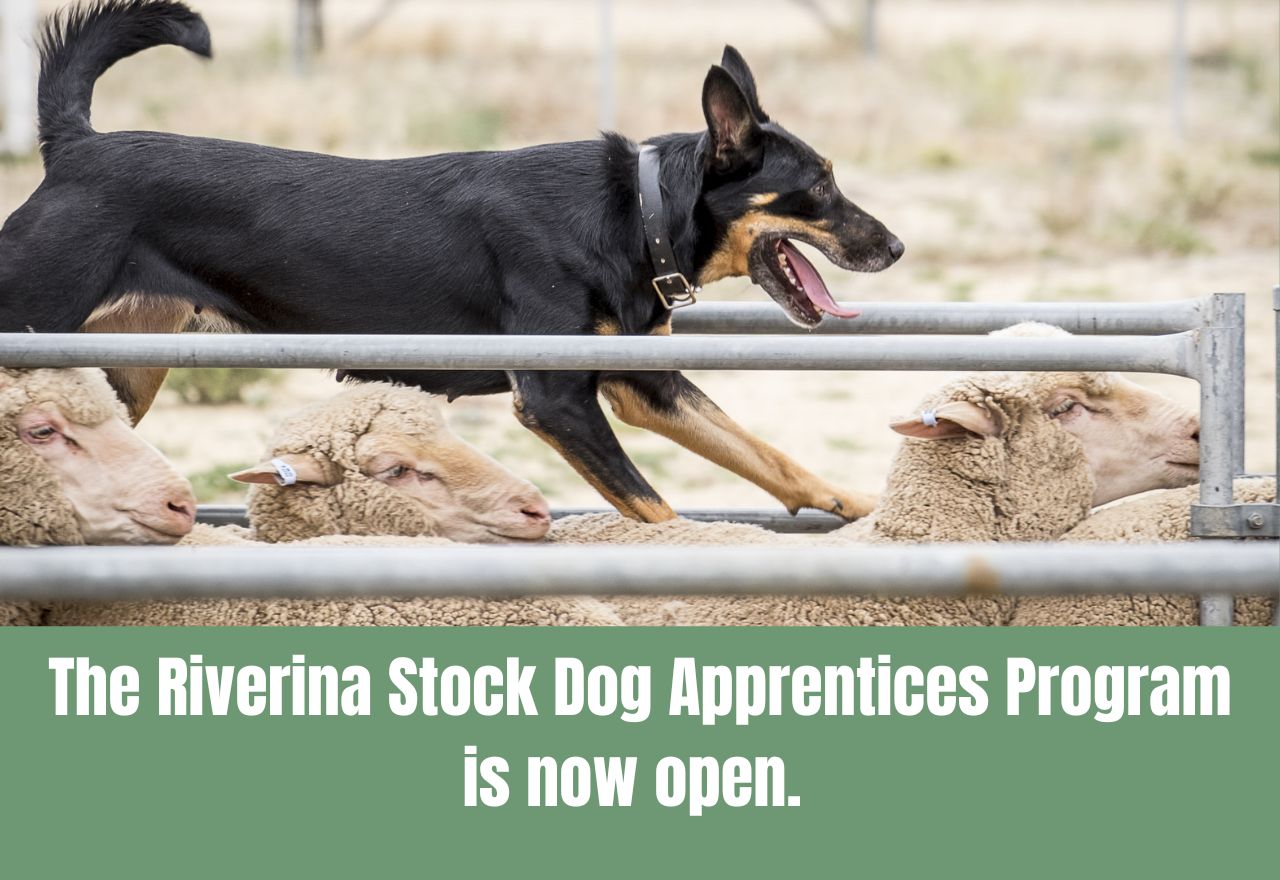
Whistles, Paws, and Progress: Riverina Stock Dog Apprenticeship Launches for 2026In ShortThe Program: A hands-on pilot project in the Hay district led by Jess Armstrong, focusing on practical stockmanship and "whole dog" health.Who it’s For: Young producers (18–30) within 200km of Hay who have less than 3 years of experience and their own working dog.Deadline: Applications are officially open and will close on February 22, 2026.Across the Back Country where the whistle of a stockman is often the only sound for miles, a new initiative is making sure the next generation doesn’t just keep up - they lead the pack.Applications have officially opened for the 2026 Riverina Stock Dog Apprentices Program, a pilot project born out of the Hay district that aims to bridge the gap between traditional stockmanship and modern livestock handling. Led by local advocate and evokeAG. Groundbreaker Jess Armstrong, the program is a direct response to a growing need for practical, hands-on training for young people working the land.A New Breed of TrainingWhile the iconic jackaroo and jillaroo traditions have evolved, the fundamental need for a good dog and a steady hand remains. This program isn't about sitting in a classroom; it’s about dusty boots and wagging tails."The goal is to develop real, practical skills," says program coordinator Jess Armstrong. "We’re looking for young people who are already on-farm or contracting but want to take that next step in their stockmanship."Supported by Agrishift, Hay Inc. Rural Education, and the Hay Working Dog Club, the initiative is designed to be accessible and highly relevant to the local landscape.The Details: What’s on Offer?The program is structured to provide a comprehensive toolkit for any young producer:Four Practical Clinics: Participants will work alongside some of the industry’s most experienced working dog trainers.Expert Insights: Beyond the whistle, guest speakers will cover the "whole dog" approach—health, nutrition, and wellbeing.Industry Connection: It’s an opportunity to network with peers and mentors within a 200km radius of Hay.Are You Eligible?The program is specifically targeting those in the early stages of their careers. If you meet the following, it’s time to get your application in:Age: 18–30 years old.Location: Working on-farm or in a contracting role within 200km of Hay, NSW.Experience: Relatively new to handling (< 3 years).Working Dog: You must have your own working dog (minimum 12 months old) with a current vaccination certificate.Investment in the FutureThanks to the collaboration with local educational bodies, the program is priced to encourage participation. For Hay Inc. Rural Education participants and alumni, the cost is $300, while general participants can join for $500.With spots strictly limited and the Riverina's reputation for top-tier stockmanship on the line, interested applicants are encouraged to move fast.Key Dates:Applications Open: January 23, 2026Applications Close: February 22, 2026How to Apply: Scan the QR code on the official flyer or visit www.agrishift.com.au/projects/riverinastockdogapprentices. For more information about the program, contact Jess Armstrong at 0498 683 152.

From the Paddock to the Runway: AgriWomen Connect Heads to Whitton

30 January 2026, 7:00 PM

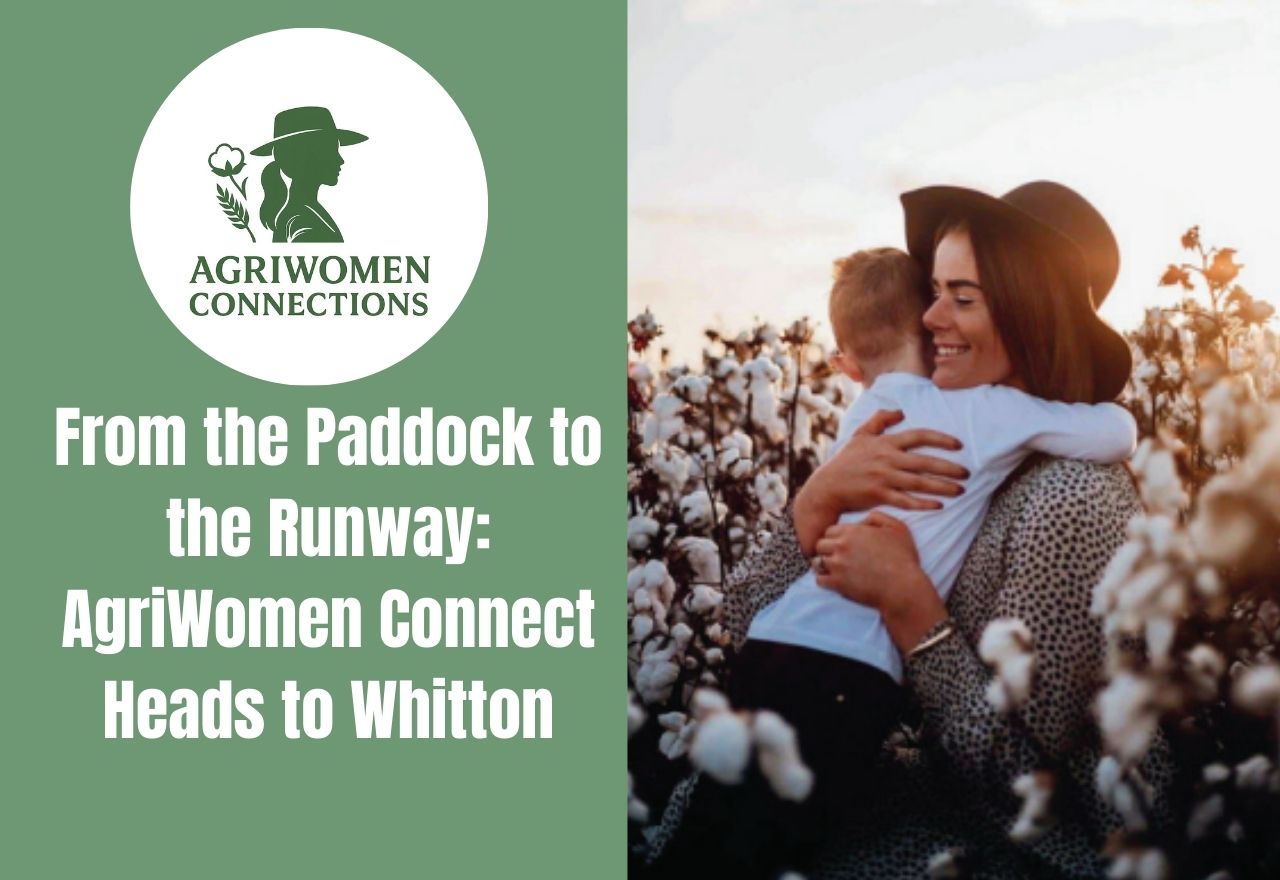
From Ginning to Gala: The Riverina’s AgriWomen Connect Set to Transform WhittonIn ShortThe Event: A two-day conference (March 5–6, 2026) at Whitton Malt House focusing on the journey of food and fibre from the paddock to the consumer.The Highlights: Features an exclusive Southern Cotton gin tour, a "Farm to Fashion" runway show, and a keynote by 2025 AgriFutures runner-up Isabella Thrupp.The Skills: Day two offers a deep dive into agribusiness management with Carmen Quade, designed to boost farm business confidence and financial literacy.The Riverina is preparing to celebrate the role of women in the bush with the upcoming AgriWomen Connect: Food, Fibre and Farming Conference. Scheduled at the iconic Whitton Malt House, the two-day event on March 5–6, 2026, the program balances high-level industry expertise and commercial strategy with a showcase of the region's creativity.Partnering with Women Together Learning (WoTL), Riverina Local Land Services has curated a program designed to bridge the gap between the primary producer and the end consumer.From Ginning to Gala: Day One HighlightsThe conference kicks off with a look at one of the region’s powerhouses - Southern Cotton. A guided tour of the ginning facility will offer attendees a front-row seat to how raw Riverina cotton is transformed into the fibre found in wardrobes worldwide.Following the tour, the focus shifts to a dynamic panel discussion featuring local industry leaders:Kate O'Callaghan: General Manager of Southern Cotton and Whitton Malt House.Jenna Bell: Local cotton grower and dedicated Grower Services Manager.Daisy Toscan: Representing the innovative Cavaso Farming.The first day will conclude with a high-fashion twist - a Farm to Fashion Show showcasing garments crafted from regional fibres, before a three-course Paddock to Plate Dinner. The evening’s keynote will be delivered by Isabella Thrupp, the 2025 AgriFutures Rural Women’s Award Runner-Up, whose journey from Kimberley cattle stations to founding her own outback fashion brand has inspired many across the country.Business and Balance: Day TwoDay two balances physical well-being with professional development:Sunrise Yoga: Start the morning with a yoga session led by Saltbush Stretch’s Em Armstrong.AgriBusiness Course: Carmen Quade from AgriFocused will lead an intensive full-day course focused on the practicalities of farm business, from financial management to boardroom confidence.How to JoinRegistration: Open now via the NSW Local Land Services events page or by scanning the official event QR code (below).Tickets: Single-day tickets are available for $80, while the full two-day experience is priced at $120.Contact: For more information, contact Jade Auldist, Sustainable Agriculture Facilitator, at 0473 055 466.This initiative is supported by the Australian Government through the Natural Heritage Trust, highlighting the ongoing commitment to supporting climate-smart and sustainable agriculture in our region.

From Extinct to Found: How a Smartphone Could Spark the Next Big Discovery in the Riverina

30 January 2026, 7:00 AM

In ShortCitizen Science Success: A slender shrub (Ptilotus senarius) presumed extinct for nearly 60 years was rediscovered in Queensland via the iNaturalist app.Local Potential: Experts believe similar "lost" species are likely hidden across private holdings in the Hay, Balranald, and Central Darling shires.Privacy First: Landholders can contribute to scientific research using "obscured" GPS settings to protect the exact location of their property and assets.A plant species long presumed extinct in the wild has been rediscovered in northern Queensland, sparking conversations about the untapped potential for similar finds across the vast landscapes of the New South Wales Riverina and Far West.The rediscovery of Ptilotus senarius, a slender shrub from the Amaranthaceae family, was made possible not by a professional survey team, but by a horticulturalist with a smartphone and a keen eye. The plant had not been recorded since 1967 and was officially considered extinct until Aaron Bean uploaded photos of an unusual specimen to the citizen science platform iNaturalist in June 2025.From the Gulf to the Western PlainsWhile this find occurred in Queensland’s Gilbert River region, the implications for the Back Country is significant. Much like the northern Gulf country, our local districts consist of expansive private holdings and remote tracts of land that rarely see professional botanical surveys.The use of digital platforms allows landholders and hobbyists in our corner of the state to contribute to national conservation efforts without the need for intrusive academic expeditions.The Power of Local ObservationThe identification was confirmed after a new specimen was collected from the private property where it was found. Researchers suggest that this success story highlights a shift in how biodiversity is monitored in regional areas.Study lead author Thomas Mesaglio, from the UNSW School of Biological, Earth & Environmental Sciences, noted that such finds are just the beginning of the process.“Rediscoveries offer that opportunity to conduct follow-up, targeted surveys and consistent long-term monitoring to give us a better understanding of exactly where and how these species are distributed across the landscape,” says Mesaglio.For the Back Country, where the environment is often at the mercy of volatile climatic shifts, having a real-time database of local flora and fauna could prove vital for future land management and drought resilience planning.Bridging the Gap on Private LandOne of the persistent challenges for conservationists is accessing the vast majority of Australian land that is held privately. Mesaglio highlighted that iNaturalist is helping to bridge this gap between researchers and the people who actually live on the land.“iNaturalist has especially become an invaluable tool for recording biodiversity on private property, which can often be difficult to access by professional researchers,” says Mesaglio.As the Back Country continues to face scrutiny over biodiversity and land use, this rediscovery serves as a reminder that the next major scientific breakthrough could be sitting in a paddock in Balranald or along a dry creek bed in the Central Darling—waiting for a local with a camera to find it.Back Country Guide: How to Spot a "Lost" Species on Your PropertyThe rediscovery of Ptilotus senarius in Queensland proves that you don't need a PhD to make a massive scientific discovery—you just need a smartphone and a bit of curiosity while out on the bike or checking fences.If you’re living rurally, here is how you can use the iNaturalist app to help map our local biodiversity.1. Get the Gear (It’s Free)Download the App: Search for iNaturalist (look for the green bird logo) on the Apple App Store or Google Play.Create an Account: You can sign up with an email or link it to your existing social accounts.Join Local Projects: Once in the app, search for "Projects" nearby. You’ll often find local "BioBlitz" events or regional surveys run by groups like Murrumbidgee Landcare or Local Land Services.2. Making a Quality ObservationThe secret to a "Research Grade" identification is the quality of your photos. Scientists need to see more than just a pretty flower.The "Wide Shot": Take a photo of the whole plant. Is it a tiny herb, a sprawling shrub, or a tall tree?The Details: Get close-ups of the leaves (top and bottom), the flowers/seeds, and the bark or stem.Use a Scale: Place your hat, a pocket knife, or even your thumb next to the plant so experts can judge its size.Focus is Key: If your phone won't focus on a small flower, place your hand behind the plant to give the camera something solid to lock onto.3. Privacy on the StationOne of the biggest concerns for landholders is privacy. You might find something rare, but you don't necessarily want the whole world knowing exactly where it is on your back block.Geoprivacy Settings: When you upload a photo, you can set the location to "Obscured." This places a "buffer" over your coordinates on the public map (usually a 20km x 20km box). The public sees the general area, but only trusted researchers can see the exact pin."Private" Mode: You can also set it to private, which hides the coordinates entirely from everyone but you.4. What Happens Next?Once you hit "Share," the iNaturalist AI will suggest what it thinks the plant is. But the real magic happens when the community steps in.Expert Review: Real botanists and experienced hobbyists (like those mentioned in the Queensland find) review your photos.Confirmation: If two or more people agree on the ID, your observation becomes "Research Grade" and is automatically shared with the Atlas of Living Australia, helping inform state and national conservation records.

The $300k "Innovation Tax": NSW Farmers Facing Massive Bills for Roadside Stalls

29 January 2026, 7:00 PM

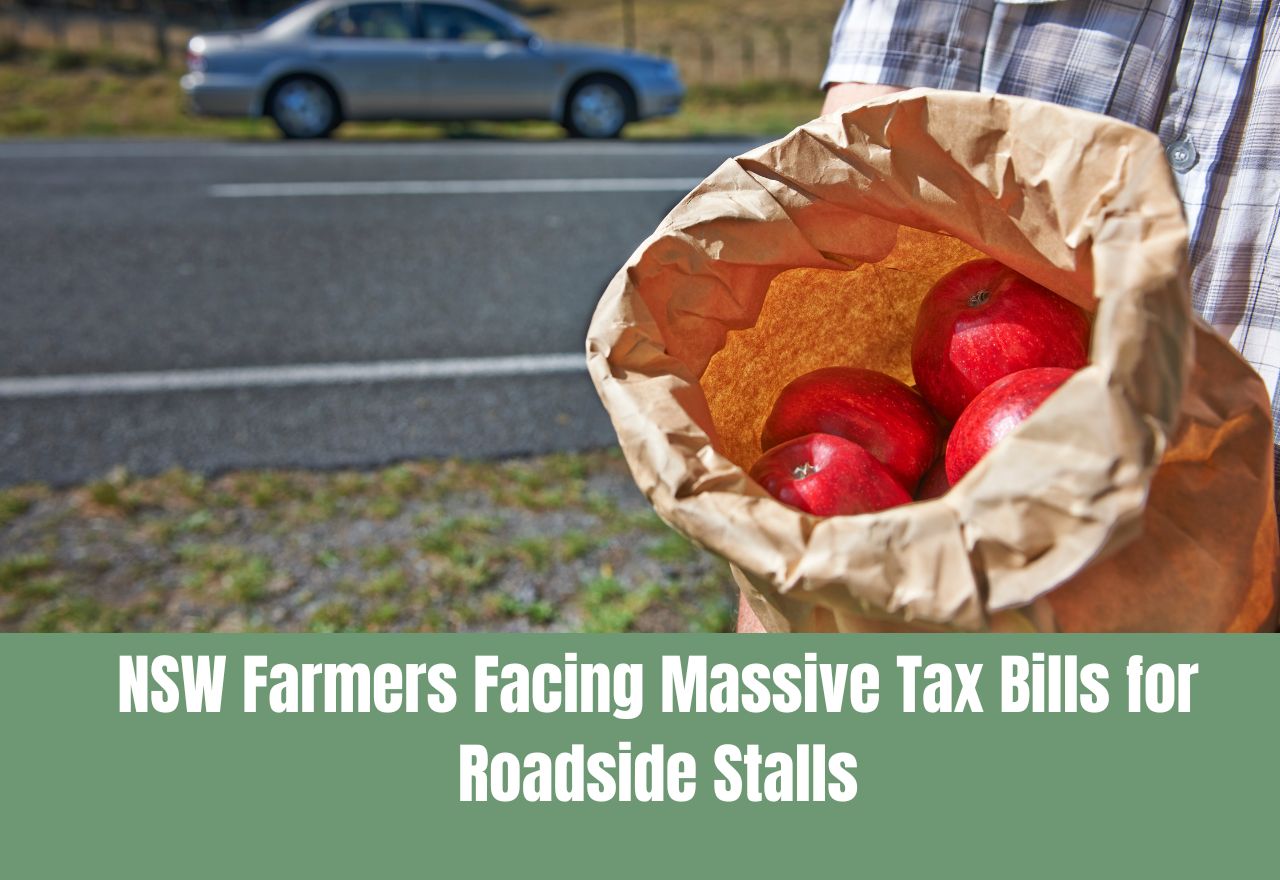
Tax shock for farm trailblazersIn ShortThe Penalty for Diversifying: Farmers are being hit with land tax bills of up to $300,000 after opening cellar doors or farmgate stalls, losing their primary production tax exemptions.Economic Squeeze: With farm input costs projected to rise another 5% in 2026, NSW Farmers warns these tax bills could lead to the collapse of multi-generational family farms.Call for Reform: NSW Farmers has launched a 'Statement of Expectations' demanding legislative changes to protect small-scale value-adding and agritourism from crippling taxes. Farmers with cellar doors and fruit stands should beware of huge new bills being slapped on them by the state government, NSW Farmers says. Reports have spiked of family farmers being forced to pay up to $300,000 in land taxes to the NSW Government for diversifying their businesses with small farmgate sales and agritourism experiences.Typically, farmland has been exempted from these taxes as it has been used to produce food and fibre for the nation – but NSW Farmers' Business Economics and Trade Committee Chair John Lowe said it was clear farmers were now being penalised for selling what they grew. “Between drought, flood and every other challenge we face on farm, it’s become harder and harder to make a living on the land – and that means farmers have had to adapt and diversify to simply survive,” Mr Lowe said. “Governments have encouraged this activity as a means to spread risk and deal with drought, natural disaster and other challenges – and we’ve loved seeing people from all over enjoy our cellar doors or cherry-picking adventures on farm.“But now, we’ve been punished for innovating, diversifying, and opening our doors to our friends in the cities – and it could spell the end for many of our family farms.” Last week NSW Farmers launched a statement of expectations to outline the series of practical changes to primary production land taxes needed to ensure a future for farming. With farm input costs expected to rise by a further five per cent in 2026, Mr Lowe said sensible changes to land tax laws were needed to ensure farmers were not crippled with six-figure bills for small-scale value-adding within their operations. “The costs to run a farm are already outstripping inflation, and families cannot realistically afford to pay this huge extra tax on top of this,” Mr Lowe said.“Our government is saying they’re happy for us to grow our own apples, but don’t even think about trying to sell the juice. “It makes no sense, and meanwhile, our major supermarkets are making a killing off our produce – and both farmers and families are paying the price.”

1-20 of 208
Back Country Bulletin
News from the Back Country

Get it on the Apple StoreGet it on the Google Play Store