"A Price to Pay": New Biosecurity Taskforce to Target Feral Pigs and Cattle Tick

Kimberly Grabham
14 February 2026, 7:00 PM
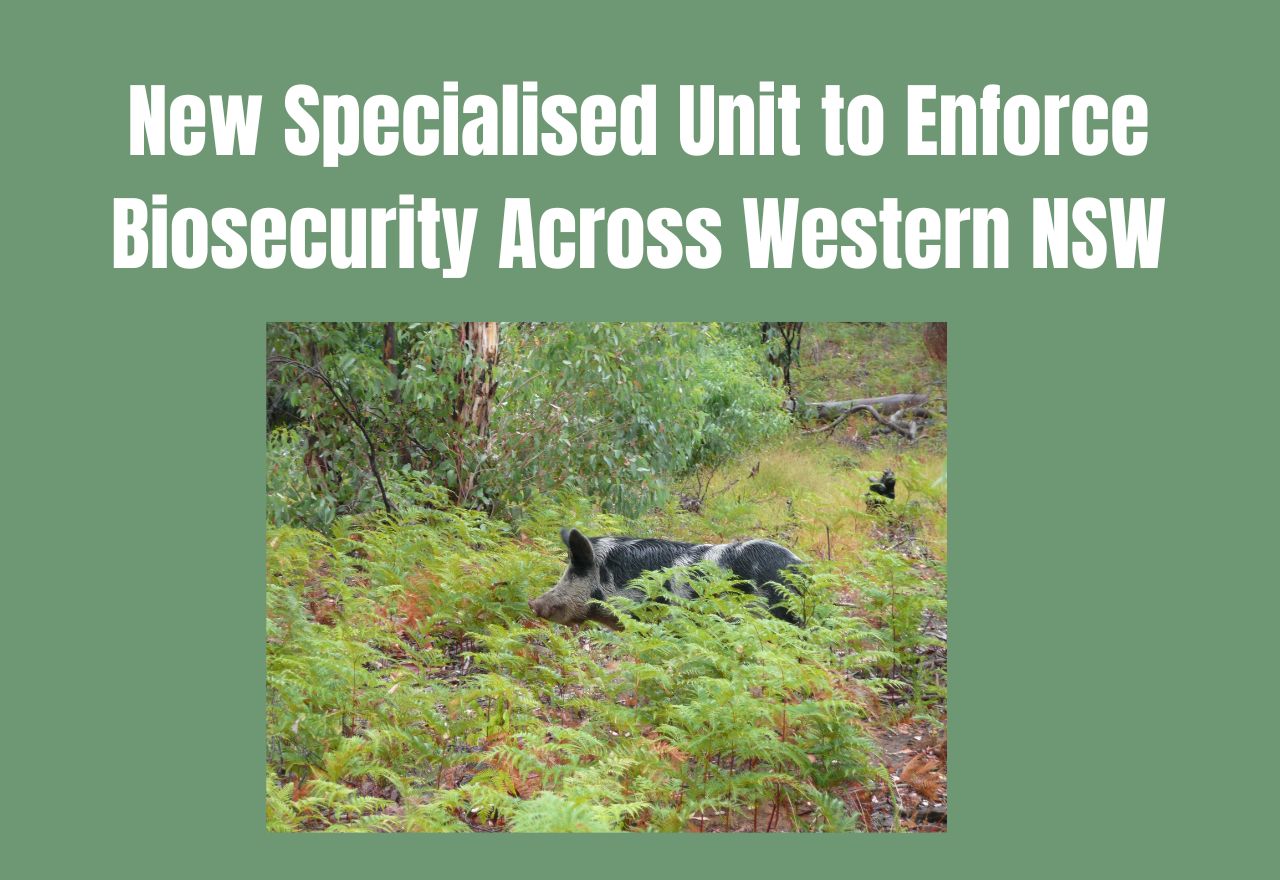
New Specialised Unit to Enforce Biosecurity Across Western NSW
In Short
- New Enforcement: A dedicated 6-person Biosecurity Compliance and Investigation Unit has been formed to tackle breaches that threaten the state's $25 billion primary industries.
- Local Impact: The unit will work alongside Local Land Services (LLS) to ramp up enforcement on invasive species like feral pigs, deer, and noxious weeds.
- Market Protection: A major focus will be ensuring compliance with the National eID program, which is vital for Western NSW livestock producers to maintain international export access.
The NSW has officially launched a dedicated Biosecurity Compliance and Investigation Unit, a move they say is designed to protect the state’s $25 billion primary industries from the $1.9 billion annual toll taken by pests and weeds.
Based within the NSW Department of Primary Industries and Regional Development (DPIRD), the six-person unit will serve as the spearhead of the state’s biosecurity framework, shifting the focus from education to strict enforcement and surveillance.
Minister for Agriculture and Regional NSW, Tara Moriarty, said the unit sends a clear message to those ignoring their biosecurity obligations.
“This sends a clear message: if you breach biosecurity protocols and laws, then there will be a price to pay,” Minister Moriarty said.
“We are strengthening our compliance and enforcement, providing the resources needed to keep NSW safe and secure.”
For residents in the Hay, Balranald, Carrathool and Central Darling shires, the most significant impact will be the unit’s collaboration with Local Land Services (LLS) and Local Control Authorities.
The taskforce is mandated to expand compliance for pest and weed management, specifically targeting feral pigs and deer, which continue to plague properties across the Western Division. Additionally, the unit will support on-ground surveillance at state borders for high-risk threats such as cattle tick and the red imported fire ant.
Beyond pest animals, the unit will oversee compliance operations for the National eID program.
In a global market increasingly focused on traceability, maintaining the integrity of the eID system is critical for local livestock producers to keep their "clean and green" status and ensure access to premium international markets.
The creation of the unit follows recommendations from the Natural Resources Commission and the former Independent Biosecurity Commissioner.
It aligns with the NSW Biosecurity Action Plan 2025-2026, which aims to provide clearer regulatory guidance for landholders and industry.
“Biosecurity is critical, and this team will ensure we stay ahead of the risks facing our communities, industries, and environment,” Minister Moriarty added.
NEWS


RURAL
SPORT