Back Country Bulletin
News from the Back Country
Get it on the Apple StoreGet it on the Google Play Store
NewsSportRuralCommunityEat, Drink, Stay
Back Country Bulletin
The Housemaid (2025) Review: Is Sydney Sweeney Outshined by Seyfried?

28 February 2026, 7:00 PM

I did a thing. I wasted $25 on a premium rental of The Housemaid, Paul Feig's erotic psychological thriller starring Sydney Sweeney and Amanda Seyfried, with Brandon Sklenar as the suave Andrew Winchester. I sat down expecting little and received... well, more than I bargained for — eventually.Let me be upfront, the first act, and a lot of the movie in fact, is a greatest-hits compilation of tired tropes. New housekeeper arrives.Man stares as she descends the stairs. Wife is unhinged in ways that make you cock your head to one side like a confused golden retriever. You've seen this film before. It's somewhere between The Hand That Rocks the Cradle and a Lifetime movie that got a serious budget injection. The whole set-up is so tried-and-true that I had mentally written my one-star review before the slow dance to super charming music at the restaurant had even finished. And yet. Something niggled. Sydney Sweeney's Millie is undeniably gorgeous, because of course she is, and she carries herself through the early scenes with a kind of glazed, wide-eyed stillness that reads less as vulnerability and more as vacancy. Dead eyes, an inability to emote, the performance is, to be generous, restrained. To be less generous, she appears to be running on demo mode for a significant portion of the runtime. Her backstory, when it fully emerges, does carry real weight. Disowned, living in her car, on parole for killing a man who raped a woman and faced no consequences, her trajectory is one of compounding injustice, and it recontextualises her dead eyes as something more like dissociation Dead eyes certainly ain’t Amanda Seyfried problem, because Amanda Seyfried does not have problems. Amanda Seyfried has solutions. She does the heavy lifting for the entire film with the kind of ferocious, unsettling commitment that makes you want to call her agent and send flowers simultaneously. Every half-cocked smile, every unblinking stare; it's genuinely unnerving in the best possible way. She is the reason to watch this film, and she knows it.Brandon Sklenar's Andrew Winchester enters scenes like AI-ordered perfection, orders one of everything at dinner like a man who has never once checked a bill, and delivers his lines in a timbre so disarmingly sexy that you almost forgive Millie for the spectacular lapse in judgement that follows. Almost. After they do what two people in a film like this inevitably do, the real story begins to unspool, and this is where The Housemaid earns its keep. Nina's letter to her daughter Cece is a gut-punch wrapped in exposition; midst law degree Nina falls down the stereotypical hole of a pregnancy via a professor.Suddenly, it is necessary for her to make a trade-off of dignity in a horrid job for health insurance and childcare, all before Andrew Winchester arrived and smelled vulnerability the way a narcissist always does; like blood in the water. Sweeping the vulnerable young mum off her feet, it’s all storybook romance perfect, until it suddenly isn’t.The attic. The drugged water. The locked door. A hundred hairs counted and slid under a door as proof of compliance. The systematic, methodical destruction of a woman who had already survived so much. It is bleak and it is brilliant, and Amanda Seyfried makes you feel every single year of it. The twist ending is a ripper. Full stop. It made me feel, upon reflection, entirely fine about having parted with my $25. It is the Uno reverse card this story absolutely deserved, and it lands with the satisfying thwack of someone who has been extraordinarily patient and extraordinarily wronged. There's no denying Sydney Sweeney has her charms, and everyone loves something new and shiny. But you simply cannot beat old, and in this case, old means Amanda Seyfried ,absolutely consuming every scene she's given and leaving the rest of the cast to figure out the crumbs. She is the reason The Housemaid works. She is, frankly, the reason to forgive it for everything it isn't. Worth the $25, but only just, and almost entirely because of one woman.You can WATCH THE TRAILER HERE (parental guidance advised - trailer contains violence)

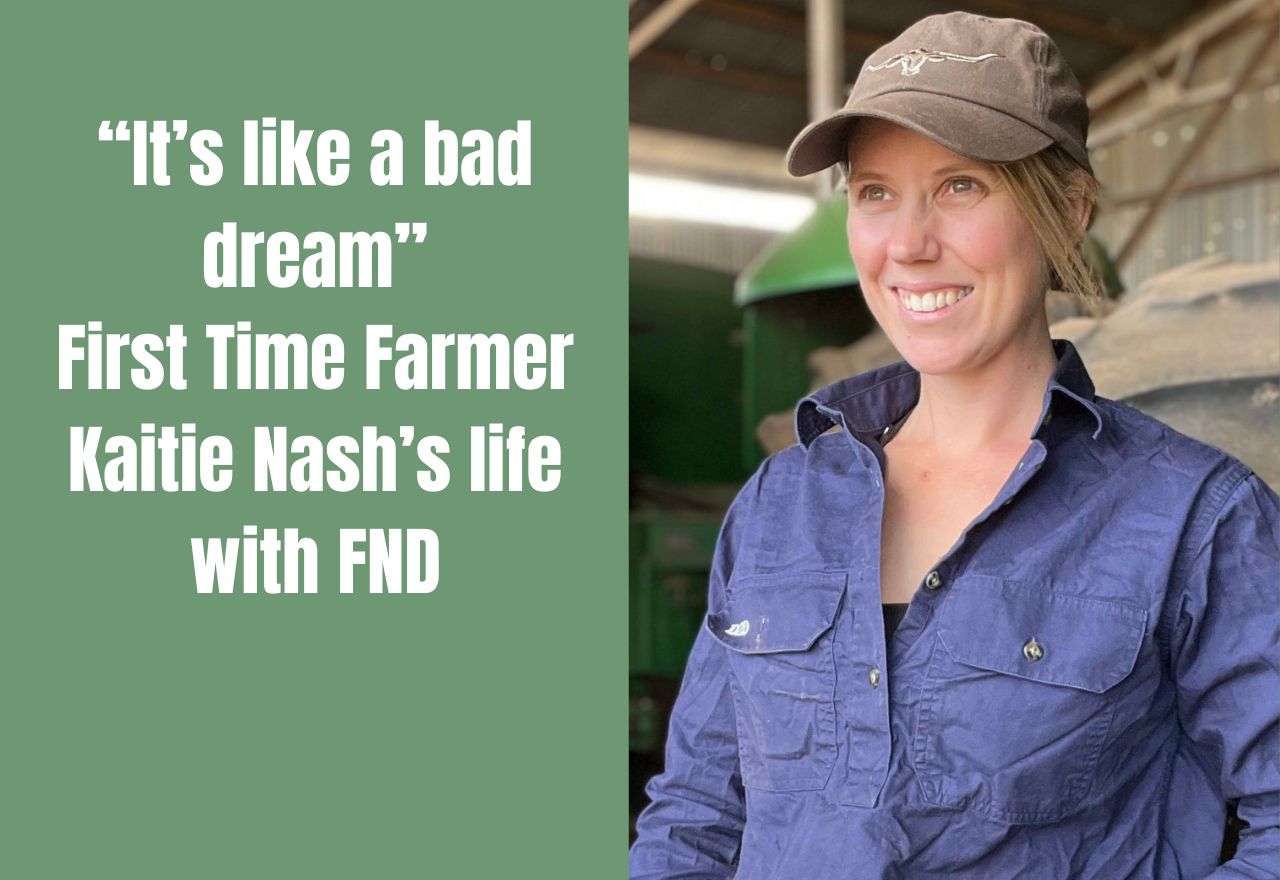
‘Like a bad dream where you want to scream’: Kaitie Nash’s battle with a body that won’t behave

28 February 2026, 7:00 PM

‘My Body Just Shut Down’: The City Girl Turned Farmer Fighting a Medical MysteryIn short:The Incident: Local farmer and influencer Kaitie Nash’s life changed instantly when a routine chore led to a terrifying physical collapse and a diagnosis of Functional Neurological Disorder (FND).The Challenge: Living in regional NSW complicates recovery, with Kaitie facing hour-long ambulance waits and a lack of specialised neurological care outside major cities.The Mission: Despite tremors and fatigue, Kaitie is using her platform to advocate for the 21,500 Australians living with FND, proving that a sense of humor is the best medicine.For Kaitie Nash, life on a farm near Coonabarabran was a whirlwind of what she describes as “normal mum life” – a mix of cleaning troughs, cooking, and chasing after two lively young boys. She had built a growing online community and was building a following as a farming influencer, a creative outlet she started in late 2023 at the urging of a friend, to share the often-absurd conversations of life in the bush for a city gal. But in September last year, that normalcy was shattered by a load of wet washing and a sudden, terrifying change.“I was hanging out a load of washing and I noticed that my hands were blue,” Katie said, speaking from her farm office in the central west region of NSW. “I had this wave of just a feeling of unwell... I just said to my husband, ‘Oh gosh, I don’t feel very well. Something’s wrong. Something’s wrong’”.What followed was a frustrating journey to unravel a medical mystery. By the time Nash reached the hospital in Coonabarabran, her breathing was shallow and her limbs felt like lead. While her blood pressure initially plummeted, later episodes left doctors baffled as her vitals appeared perfectly normal on the monitors.“I had this confusion in my head,” she says, describing a subsequent episode in front of her husband. “He looked at me and he said, ‘Are you okay?’ and then he said, ‘You can’t talk, can you?’ and I kind of said no... But I physically couldn't really do anything... It was the weirdest feeling.”Kaitie was moved onto the larger hospital at Dubbo was eventually diagnosed with Functional Neurological Disorder (FND), a condition where the brain’s structure is normal, but the messaging sent to the body is disrupted. She describes the terrifying dissociative events as being “almost like a seizure, but it’s non-epileptic... everything just kind of shuts down”.The reality of living with a chronic, unpredictable condition in regional Australia adds a layer of complexity that city-dwellers rarely face. When Kaitie again collapsed at home in January, she faced an hour-long wait for an ambulance.“It is terrifying, especially when you don't know what's going on with your body,” she says. “Time is such a major factor when your health comes into it... I just in my mind was thinking if there's something seriously wrong, what's going to happen? Am I going to be okay? I'm a mum... you need to be okay for your kids”.The diagnosis has forced a new normal upon the family. Kaitie can no longer drive, suffers from significant fatigue, and experiences visible tremors. “When I stand up... I can’t talk,” she says of the symptoms that can appear without warning. The hardest part, however, isn't the physical toll, but the stolen moments with her sons.“It’s not going to be long until they’re like, ‘Go away, mum,’” she says. “I look at this little window that I have and it... that’s the one thing that upsets me because I look at it and go, I can’t go outside and play... my body’s just not coping... it’s almost like their childhood is going to be wasted to this fatigue”.Despite the challenges, her trademark humour remains intact. She jokes with friends that she now has a doctor-mandated excuse to avoid chores. “I really cannot go near a trough or a weed or a washing basket. I mean, it’s just what the doctor said,” she laughs.She has also found solace in the Coonabarabran community and the overwhelming support of her online followers. She says she isn’t interested in hiding her condition or feeling embarrassed by her tremors.“I’m not embarrassed about what I look like or how I talk or anything. It’s just part of it and I’m okay with that,” Kaitie said firmly. “I think if you were to judge someone on that, we’re not the same people and I don’t want to be your friend”.In Australia, approximately 21,500 people live with FND, and it is the second most common reason for a neurology consultation.Historically, FND was a "diagnosis of exclusion" (meaning doctors only diagnosed it after ruling everything else out). Today doctors use diagnostic tests that look at leg weaknesses and whether tremors are controlled when the patient follows a specific rhythm using another limb.Because FND sits at the intersection of neurology and psychiatry, individualised treatment is required. Seeking treatment by physiotherapists, psychologists and occupation therapists experienced in FND is difficult, and even harder to access from regional and rural areas.Public access to FND clinics can take more than 12 months, and most specialised care is concentrated in major cities.While some Australians with severe FND do have access to the NDIS, many face hurdles because FND symptoms can fluctuate, making it harder to prove a permanent disability, and ruling them ineligible for care funding and support.As she navigates a path forward involving psychology, physio, and neurology, Kaitie is determined to use her platform to raise awareness for FND, particularly for those in isolated areas. For this young mum from a farm in the bush, the goal is simple: to keep people laughing, and to show that even when the body shuts down, the spirit doesn't have to.You can follow Kaities journey on Instagram @kaitie_nash or her website thefirsttimefarmer.com.au What to look out forFND symptoms are typically grouped into four main categories:1. Movement & Motor SymptomsThese are often the most visible signs and can mimic conditions like Parkinson’s or MS.Limb Weakness or Paralysis: Often affects one side of the body or a specific limb. A classic sign is "sudden giving way" (e.g., your leg suddenly buckling).Tremors and Jerks: Involuntary shaking or sudden twitches (myoclonus) that may change or stop if you are distracted.Gait Problems: Unusual walking patterns, such as dragging a leg or walking with a very wide, unsteady stance.Dystonia: Painful, fixed muscle contractions, often causing a hand to clench or a foot to turn inward.2. Functional (Dissociative) SeizuresThese look like epileptic seizures but aren't caused by electrical activity in the brain.Warning Signs: You might feel "spaced out," have a racing heart, or experience a "rising" feeling in your stomach beforehand.During the Event: Shaking, stiffening, or falling to the ground. Unlike many epileptic seizures, these often last longer (sometimes 10+ minutes) and the person’s eyes are often tightly closed.Blackouts/Drop Attacks: Suddenly losing consciousness or falling to the floor without shaking.3. Sensory & Awareness SymptomsNumbness or Tingling: A pins and needles sensation or a loss of feeling that doesn't follow a standard nerve path (e.g., a "glove" of numbness over just the hand).Vision & Hearing: Blurred vision, double vision, or even temporary functional blindness or deafness.Dissociation: Feeling "there but not there," as if you are disconnected from your body or the world is unreal.4. Cognitive & Other SymptomsBrain Fog: Significant trouble with memory, concentration, or finding the right words.Speech Issues: A sudden stutter, slurred speech, or a very quiet, whispering voice (dysphonia).Swallowing Problems: The feeling of a lump in the throat (globus) or difficulty swallowing.Extreme Fatigue: A crushing tiredness that isn't always helped by sleep.In Australia, neurologists look for "Positive Signs" rather than just ruling other things out. If you notice these, it's a strong indicator of FND:The Distraction Test: Symptoms (like a tremor) improve or stop when you are asked to perform a different task, like counting backwards or tapping a rhythm with your other hand.Waxing and Waning: Symptoms may be severe one hour and completely gone the next.Inconsistency: Being able to move your legs normally while sitting, but being unable to walk.

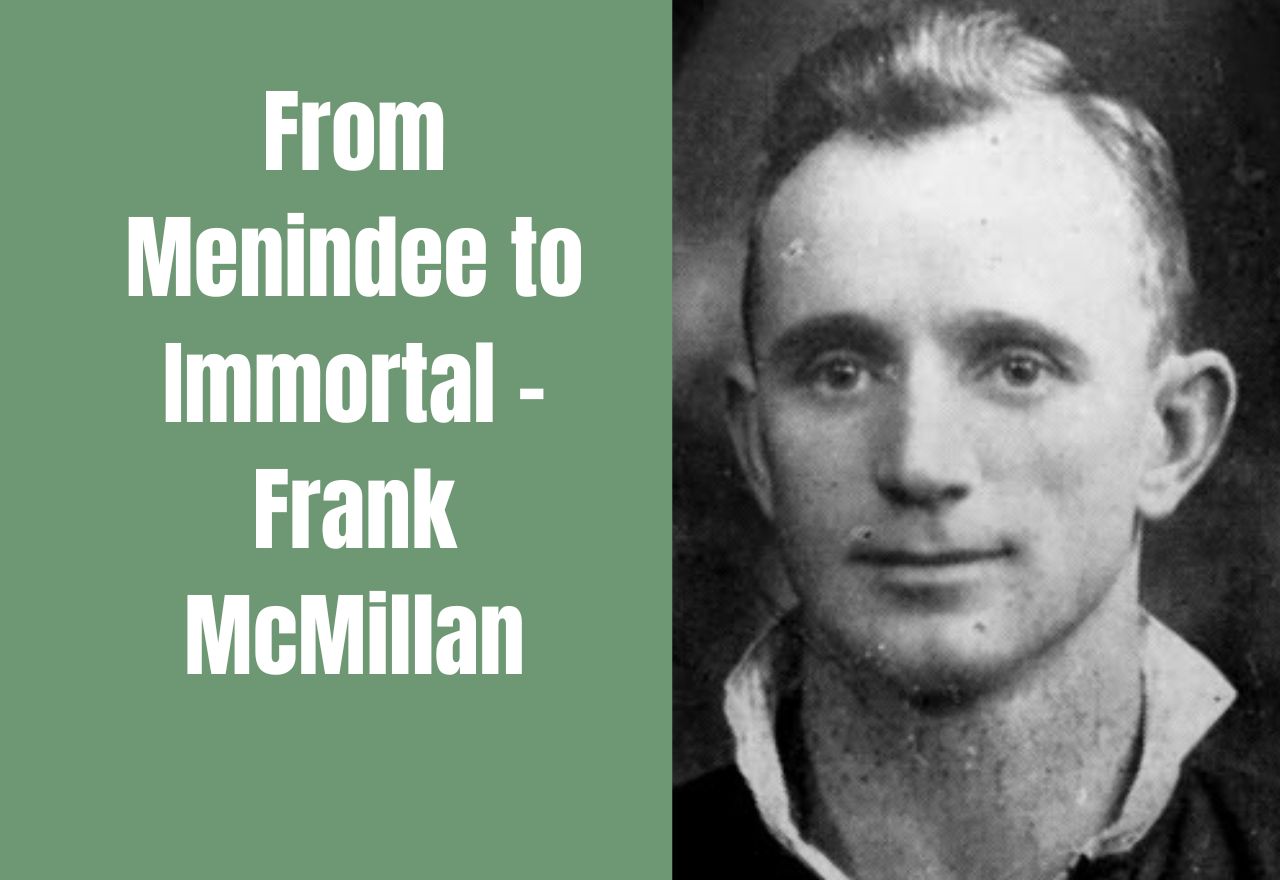
From Menindee to Immortal - Frank McMillan

27 February 2026, 7:00 PM

From Menindee to Immortal: How ‘Skinny’ McMillan Revolutionised Rugby LeagueIn ShortThe Innovator: Known as the first running fullback, McMillan revolutionised the game by injecting himself into the attack, moving away from the traditional defensive-only role.Bush Roots to Global Stages: Born in Menindee, NSW, he rose to captain the Kangaroos and even played in the match that introduced rugby league to France.Dual-Club Legend: A Hall of Famer who won premierships with Western Suburbs and later became the foundation coach of the Parramatta Eels in 1947.Frank ‘Skinny’ McMillan was an Australian rugby league footballer and coach. He was a full-back for the Australian national team and played in nine Tests between 1929 and 1934, two as captain. In 2008 McMillan named amongst the nation's finest players of the game, when he became the 19th inductee into the National Rugby League Hall of Fame.McMillan was born in Menindee, in the far west of NSW but his father's employment as a Police Officer ensured that the family moved to different locations in the State. The family eventually settled at Parramatta and as a school boy, Frank represented NSW Schools against Queensland Schools in soccer, but it was rugby league that Frank settled on. He played his junior rugby league with the Parramatta Endeavours Club from 1917 until 1920. Other members of the Parramatta Endeavours team included future Wests First Grade players, Joseph Drew, and Joshua Plumb. He was graded with the Western Suburbs Magpies in 1921. He played fourteen seasons of first grade rugby league all with Wests, aside from the 1925 season which he spent playing for the Balmain Tigers.During McMillan's long career Wests were premiers in season 1930 and 1934 and runners-up in 1932. He was captain-coach of Wests in season 1934.He made his New South Wales representative debut in 1922 and 12 years later he was still the state's preferred fullback. He made 22 New South Wales appearances.His debut national selection was for the 1929–30 Kangaroo tour of Great Britain. He played in four Tests and 22 minor tour matches. He was the first Australian international representative to come from the Parramatta juniors.In 1932 he played in all three Tests of the domestic Ashes series.For the 1933–34 Kangaroo tour of Great Britain McMillan was named as captain-coach, captaining the side in the two Tests and in 19 minor tour matches including a demonstration match in Paris which introduced rugby league football to France.Frank McMillan is listed on the Australian Players Register as Kangaroo No. 154Accolades and playing styleMcMillan's opposing captain and fullback for the 1933 series was British rugby league legend Jim Sullivan. Both players ended their representative careers in the third Test at Swinton. Some critics rated McMillan's performances as superior to those of the extraordinary Sullivan.Whiticker's reference suggests that McMillan revolutionised Australian fullback play and quotes rugby league scribe Tom Goodman.“McMillan began the era of the running fullback. If not the pioneer of attacking play, then certainly the most exciting crowds had seen. He would make daring bursts from his own goal-line, he exploited the scissors move with team-mates, he used the punt sparingly but skillfully, and although he is not rated in the same heights as Churchill, as a fullback, whose defence equalled his brilliant attack, he made many gallant tackles of big men.”According to the NRL McMillan modernised the role of the fullback.“Apart from having the usual fullback qualities of sure defence, safe hands and a kicking game, McMillan injected himself into the attack more than any previous player in that position, thus establishing a blueprint for his successors.”In September 2004 McMillan was named at fullback in the Western Suburbs Magpies team of the century. In February 2008, McMillan was named in the list of Australia's 100 Greatest Players (1908–2007) which was commissioned by the NRL and ARL to celebrate the code's centenary year in Australia.Post playingHe coached Western Suburbs in 1936, and again in 1945. In 1947 he was the foundation coach of the newly introduced Parramatta Eels.Frank McMillan passed away on Boxing Day, December 26, 1966, not long after his 67th birthday.

New CEO for Murray Cod Australia: From Riverina Ponds to National Plates

27 February 2026, 7:00 PM

Leadership Transition at Murray Cod Australia Signals Commercial ShiftIn ShortLeadership Change: Former Patties Foods and Nutrano executive Steven Chaur will step in as MD and CEO effective 20 April.Strategic Pivot: The company is moving from infrastructure building to a "commercial-first" focus, targeting domestic grocery, foodservice, and wholesale expansion.Regional Investment: MCA will continue to upgrade Riverina-based on-farm technology and processing to scale the "AQUNA" brand.Murray Cod Australia Limited (ASX:MCA) has announced a transition in its executive leadership, with Steven Chaur appointed as the new Managing Director and Chief Executive Officer.Mr Chaur, who has served as a Non-Executive Director on the MCA Board since January 2025, is scheduled to formally assume the dual roles on 20 April. The appointment signals a strategic shift for the producer, which operates extensive aquaculture infrastructure across the Riverina and Murray-Darling Basin.The company has indicated that the next phase of its development will move toward "increased focus on domestic channel expansion, revenue growth and operating efficiencies." Mr Chaur’s background includes executive tenures at Patties Foods, Nutrano Produce Group, and George Weston Foods.MCA Chairman Brett Paton stated that Mr Chaur’s commercial background is viewed as a primary asset for the company’s upcoming objectives.“Steven has been tasked with achieving sustainable growth of our products and premium AQUNA brand through domestic channel expansion, increasing national foodservice, grocery and wholesale presence, new product development and operational efficiency” Mr Paton said. “His broad food sector skill set is well suited to the company’s requirements,” Mr Paton said.Local Infrastructure and Market ExpansionFor the communities of the Riverina region of NSW, where MCA’s pond-based farming and processing footprint is located, the CEO’s mandate includes continued investment in regional facilities. Mr Chaur noted that the company intends to "continue to invest in on-farm technology, harvesting, fish processing and distribution capabilities to improve efficiency, consistency and scalability of operations."Regarding the market position of the company's AQUNA brand, Mr Chaur stated that opportunities were substantial.“The opportunity for the company’s AQUNA-branded Murray Cod is substantial, with strong momentum to further establish its position as a premium, delicate and versatile white-flesh fish,” Mr Chaur said. “We’ll focus on deepening penetration within fine-food markets both domestically and internationally, while simultaneously expanding accessibility through new product innovation, broadening domestic distribution channels and the introduction of a multi-tiered brand strategy.”Branding and Distribution TargetsThe incoming CEO highlighted that the company seeks to leverage the existing reputation of the species to reach a broader consumer base.“AQUNA Murray Cod is regarded as a chef-quality, premium Australian whitefish, recognised for its clean flavour, versatility and strong sustainability credentials. We offer customers and consumers a high-quality product often described as the ‘Wagyu of fish’, a reflection of AQUNA’s premium provenance and eating quality. The opportunity for AQUNA Murray Cod is to build on that reputation by making this level of quality more consistently accessible, through a branded, multi-tier offering available to more customers that broadens appeal without diluting its premium position,” Mr Chaur said.Mr Chaur further detailed plans to expand market penetration with major retailers and hospitality partners, focusing on both fresh and frozen formats, including value-added products.Murray Cod Australia was publicly listed on the ASX in 2017. Its operations remain centered on pond-based aquaculture within the native environment of the Murray-Darling Basin.

You Don't Need to Be a Doctor to Save a Life — Free CPR and Defibrillator Training

27 February 2026, 7:00 PM

IN SHORTHeart of the Nation is running a free one-hour CPR and AED awareness session at Griffith City Library on Thursday 26 March 2026, starting at 5.30pm and finishing at 7pm. Volunteer community trainers will guide attendees through hands-on CPR practice and the use of an automated external defibrillator, with no prior experience or medical knowledge required. Registration is free and available now, with attendees asked to complete a short pre-session questionnaire so trainers can tailor the session to the group.In a cardiac emergency, the minutes between collapse and the arrival of a paramedic are the minutes that determine whether someone lives or dies. For communities in the Riverina and across the western regions of New South Wales, where ambulance response times can stretch well beyond the national urban average due to geography and resourcing, the gap between a bystander who knows what to do and one who does not is the difference between a person going home from hospital and one who does not make it.On Thursday 26 March 2026, Heart of the Nation is bringing a free one-hour CPR and AED awareness session to Griffith City Library, and if you live or work anywhere in the broader region, this is one community event that genuinely deserves to be in your diary.The session runs from 5.30pm to 7pm and is delivered by volunteer community trainers who have designed the program specifically for people with no medical background and no prior first aid experience. The premise is simple and it is backed by decades of research into bystander response in cardiac emergencies. You do not need a certificate. You do not need clinical training. You need to know three things: how to call for help, how to push on someone's chest correctly and how to use a defibrillator if one is available. Those three actions, performed by an ordinary person in the first minutes after a cardiac arrest, can more than double the chance of survival.The session covers the difference between a heart attack and a cardiac arrest, which are not the same thing and are not treated the same way. It covers how to recognise when someone has gone into cardiac arrest and needs CPR immediately rather than simply needing to sit down and rest. It includes hands-on practice with CPR technique, which means attendees actually have their hands on a training mannequin and get the physical experience of compressions at the correct depth and rate. And it covers the use of an automated external defibrillator, the device that is increasingly found in shopping centres, sporting clubs, community halls and public buildings across the country and that most people have seen but few have ever actually operated.The AED is worth particular attention. Designed specifically for use by untrained bystanders, these devices talk the user through every step of the process and will only deliver a shock if the heart rhythm detected actually requires one. They cannot be used incorrectly in the sense of harming someone who does not need a shock. The barrier to using one is not technical knowledge but confidence, and that confidence is precisely what this session is designed to build.For communities across the Carrathool, Hay, Balranald, Central Darling and Griffith local government areas, the relevance of this training is not abstract. Agricultural workplaces, sporting events, community gatherings and family situations all present circumstances where a cardiac emergency can occur without warning and where professional medical help may be many minutes away. The person most likely to be present when a neighbour, workmate or family member collapses is not a paramedic. It is someone exactly like the people who will be sitting in that library on 26 March.When you register for the session, Heart of the Nation will ask a few short questions about your existing knowledge. That is not a test. It is a practical way for the trainers to understand the room they are walking into so they can pitch the session at a level that is genuinely useful for everyone attending, whether they have some first aid background or have never thought about CPR before in their lives.The session is free. It takes one hour. It is held at Griffith City Library on a Thursday evening, which means it is accessible for people who work during the day. There is no meaningful barrier to attending except the decision to show up, and the upside of that decision is the possibility that when it matters most, you are not the person standing frozen in a crowd because you did not know what to do.Registration is open now. Search Heart of the Nation CPR Griffith or click here

5k Boost: Balranald Clubs and Schools Secure Major Funding Wins

25 February 2026, 7:00 PM

In ShortMajor Investment: A total of $155,400 has been awarded to local organisations and individuals through the Iluka Resources Community Funding Program.Broad Impact: Funding covers 13 diverse projects including school infrastructure, sporting equipment, and upgrades to early learning and aged care facilities.Future Focus: Beyond physical infrastructure, the program has funded four individual scholarships to support local educational pathways.Local infrastructure and community groups across the Balranald Shire are set for a significant upgrade following the announcement of over $155,000 in targeted funding.The Balranald Shire Council confirmed this week that the Iluka Resources Community Funding Program has finalized its latest round of grants. A total of $155,400 has been allocated to a wide-reaching list of recipients, ranging from major sporting clubs to early childhood services and individual scholars.The funding isn't tied to a single sector.Among the larger capital works, Balranald Central School will see the construction of a new athletics area, while the Balranald Pony Club has secured a contribution toward an ablution block upgrade.Youth and education also took centre stage, with the Balranald Inc and Dolly Parton Imagination Library receiving funds for children's books, and the Euston Pre-School Association securing a new rubber soft-fall surface for outdoor play.In a statement regarding the announcement, the Council noted;"The funding supports a diverse range of initiatives that strengthen community wellbeing, enhance local facilities, and provide meaningful opportunities for residents of all ages."Council also acknowledged the corporate partnership involved;"Council acknowledges and thanks Iluka Resources for its continued commitment to supporting local communities and investing in projects that deliver long-term social, recreational, and educational benefits."Full List of Funding Recipients:Balranald Central School: Construction of a new athletics area.Balranald Cricket Club: In-kind donation of portable buildings.Balranald Football & Netball Club: Digital scoreboard for netball facilities.Balranald Inc & Dolly Parton Imagination Library: Children’s library books.Balranald Pony Club: Contribution towards ablution block upgrade.Balranald Soccer Club: Children’s soccer equipment.Balranald Early Learning Centre: CCTV camera system.Euston Pre-School Association: Rubber soft-fall surface for outdoor play areas.Balranald Multi-Purpose Service: New seating and smart TVs.Kyalite Fishing & Sporting Club: Fish re-stocking and river facility upgrades.Little Bunyips Playgroup: Technology for children.Robinvale & District Ballet Guild: Acrobatics equipment.Individual Recipients: Four scholarships for local students.The Council and Iluka Resources concluded the announcement by stating they "look forward to seeing these projects delivered for the benefit of the wider community."

Mud Marlins, Rodeos and School Kids: Central Darling's Final Grant Round Backs Grassroots Community Life

22 February 2026, 9:34 PM

IN SHORTCentral Darling Shire Council has allocated its remaining $3,000 in community grant funds for the financial year across four applications. Funding was approved for Wilcannia Central School's student attendance project, the White Cliffs Gymkhana and Rodeo and the Tilpa Fishing Club's annual Mud Marlin Muster. A new draft community grants policy is currently on public exhibition to improve the clarity and fairness of future funding rounds.The final community grant round of the 2025-26 financial year for Central Darling Shire has delivered modest but meaningful support to some of the region's most important grassroots activities, with $3,000 allocated across four applications at the February ordinary council meeting.The Tilpa Fishing Club secured funding for its annual Mud Marlin Muster, one of those quintessentially outback events that draws visitors to a tiny river community and generates a spirit of connection that no marketing budget could manufacture. Tilpa, sitting on the Darling River with a population that can be counted on two hands most days of the week, punches well above its weight when the Muster rolls around each year.The White Cliffs Gymkhana and Rodeo also received approval for funding assistance, helping to preserve an event that speaks directly to the pastoral heritage of the Far West. Gymkhanas and rodeos across the western region are not merely entertainment. They are living expressions of the skills, traditions and community ties that define rural life, and the costs involved in running them safely and successfully are real.At Wilcannia Central School, a project designed to improve student attendance through community-supported incentives received council backing. Attendance at remote schools is one of the most persistent and complex challenges in rural education, and initiatives that engage families and community members as partners in the solution are among the more promising approaches to the problem.The fourth application, from St Mary's Church in White Cliffs, involved discussions around a waiver for outstanding water rates. The council resolved that any waiver would be subject to the parish first paying down its remaining arrears, a reasonable condition that acknowledges both the community value of the church and the financial realities facing the shire.Looking ahead, a new draft community grants policy has been placed on public exhibition. The aim is to ensure future grant rounds are governed by clear and transparent eligibility criteria, making it easier for community organisations to apply and for the council to allocate funds where they will have the greatest impact.This funding will be vital for the volunteer-led groups. Local events, school programs and community organisations in every small western town depend on modest injections of council support to keep functioning. The amounts may be small but the signal they send, that the council sees and values community-led activity, matters more than the dollar figure.

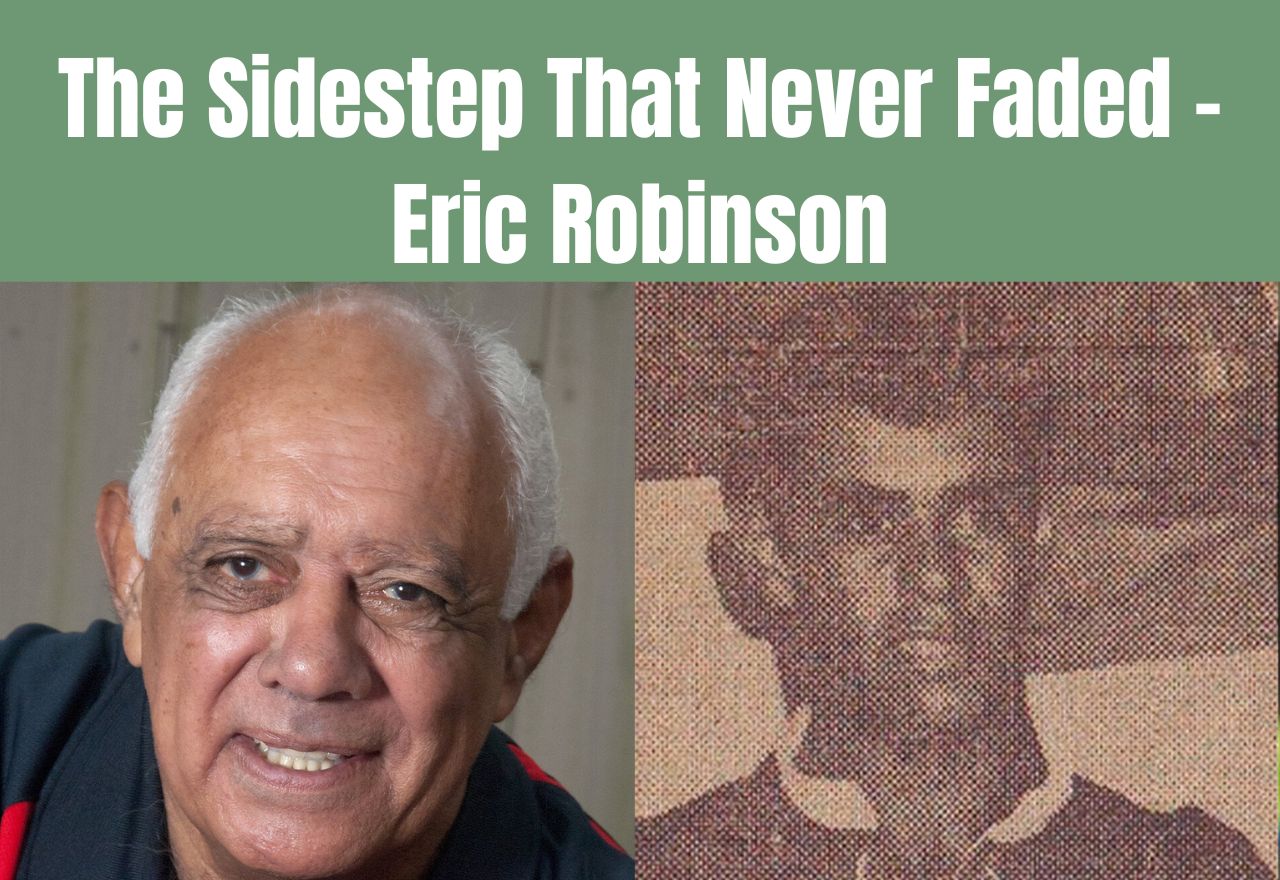
The Sidestep That Never Faded: Remembering ‘The Legend,’ Eric ‘Ecca’ Robinson

21 February 2026, 7:00 PM

From Hillston to the SCG: Vale Eric ‘Ecca’ Robinson, the ‘Legend’ Who Built a Rugby League DynastyIn ShortThe Debut: Eric Robinson became Rabbitoh #478 at just 18 years old, scoring 8 tries in his first 10 First Grade games.The Dynasty: "Ecca" sired a legendary lineage of speed, including son Ricky Walford and grandsons Nathan Merritt and the Robinson twins.The Legacy: Beyond the field, he served as an honorary Elder for the Babana Aboriginal Men’s Group, mentoring generations of Indigenous athletes.Eric Michael Robinson, the man they called "The Legend," passed away on 14 November 2024, aged 82, leaving behind a legacy that continues in Australia rugby league.Born in Hillston, NSW, on 11 June 1942, Robinson’s speed carried him all the way to the hallowed grounds of the Sydney Cricket Ground. To the fans, he was "Ecca"; to the defenders he left clutching at thin air, he was a nightmare in a footy jumper.A Meteoric RiseAfter relocating from the Riverina to Sydney, Robinson’s journey began at just 15 with the Alexandria Rovers, quickly graduating to the Redfern All Blacks. By 1960, he steered the South Sydney Presidents Cup side to a premiership, crossing the tryline in the final against Eastern Suburbs.His ascent through the grades was incredible. After scoring on debut in Third Grade and backing it up the following week in Reserve Grade, Robinson was handed the First Grade jersey in Round 1 of 1961. At just 18 years of age, he became South Sydney Rabbitohs Player #478.That debut season was the stuff of folklore. In just 10 appearances, the lightning-fast winger crossed for eight tries, including a scintillating hat-trick against Canterbury in Round 5."He didn't just run around opponents; he danced past them," recalled one longtime Redfern resident. "That sidestep was pure instinct, a flash of movement that left the best cover defenders looking like they were stuck in the mud."Beyond the BurrowAfter 80 senior games for the Rabbitohs (1960–64), Robinson took his talents on the road. He became a prolific point-scorer for Maitland and Brisbane Wests, where he finished as the Brisbane Rugby League’s top try-scorer in 1972, and represented Western Division while playing out of Bourke.Yet, the pull of the inner city was too strong. He eventually returned to his roots, finishing his playing days with the Redfern All Blacks.A Dynasty of GreatnessWhile Ecca’s boots were eventually hung up, his DNA remained etched in the NRL record books. He sired a dynasty of speedsters, including his son, Ricky Walford, and his grandsons: the prolific Nathan Merritt, and the fleet-footed twins Travis and Reece Robinson.Achievements at a GlanceThe accolades Eric earned throughout his life serve as a testament to his contribution to the sport and his community. In 2003, his decades of service were formally recognised with Life Membership of the South Sydney DRLFC, followed by a similar honour from his beloved Redfern All Blacks. His on-field brilliance was further immortalised in 2008 when he was named in the Alexandria Rovers ‘60 Years of the Best’ Team, confirming his status as one of the finest to ever pull on a boot in the South Sydney juniors. More Than a FootballerIn his later years, Eric became a cornerstone of the Inner Sydney community. As an honorary Elder at the Babana Aboriginal Men’s Group, he wasn't just a former footy player; he was a mentor, a storyteller, and leader.He paved the way for Indigenous stars to not only play the game but to own it. When we watch the modern winger skip down the touchline today, we see a shadow of the man from Hillston.Vale, Eric Robinson. The Legend lives on.

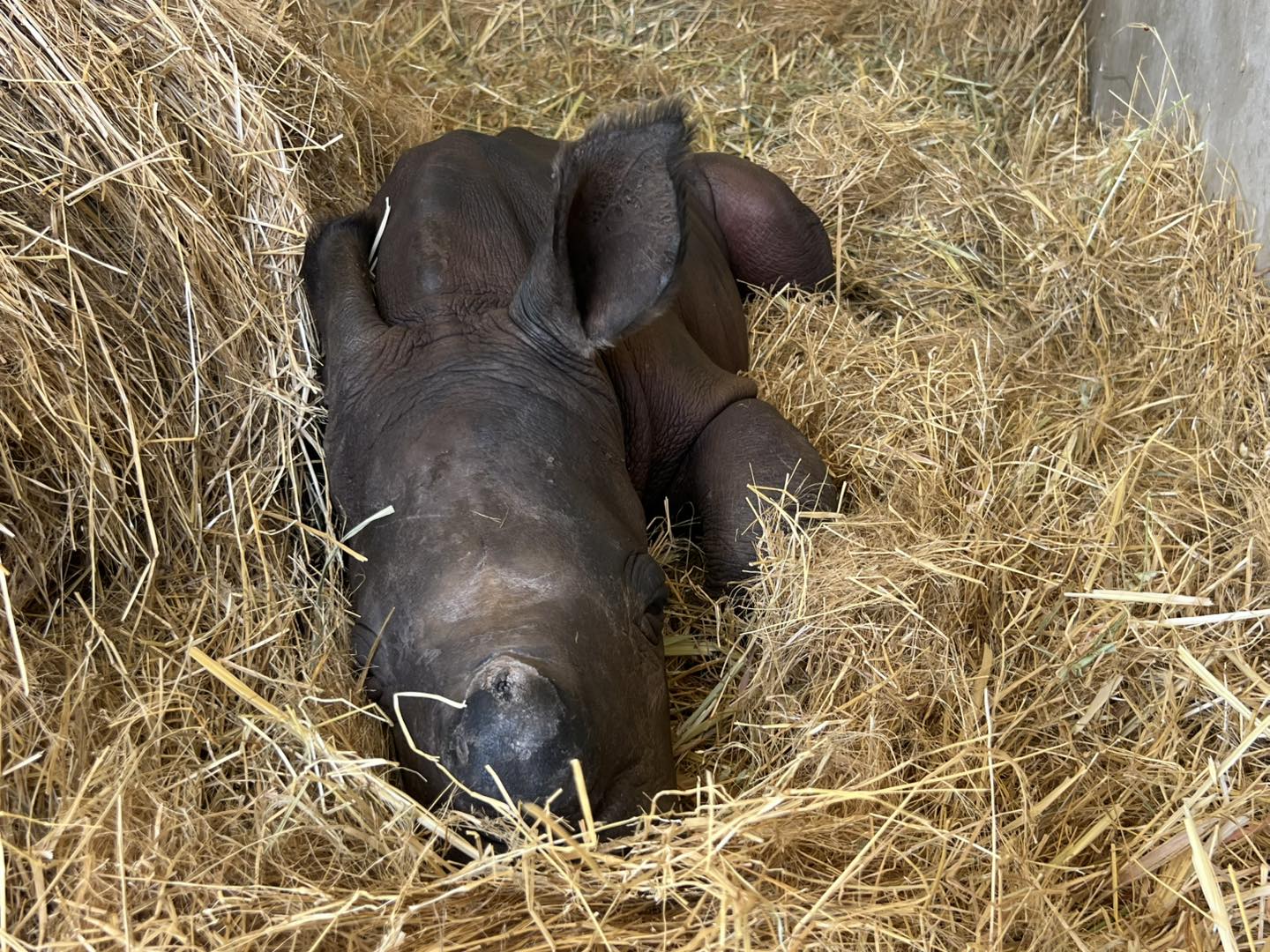
Superman's legacy lives on: Altina Wildlife Park welcomes baby rhino named after late founder

21 February 2026, 7:00 PM

Altina Wildlife Park celebrates first rhino birth, honours late founderImage: Altina Wildlife ParkIn short:Altina Wildlife Park near Darlington Point welcomed a 65kg baby white rhino on January 7, named CK after late co-founder Gino Altin whose favourite animal was the rhinoMother Tatu rejected the calf after birth complications, requiring staff to hand-rear CK who now drinks 18-20 litres of specialised formula daily and has already grown to 93kgThe birth marks Altina's first successful rhino breeding and an important contribution to the Australasian white rhino conservation programme, with supporters invited to help fund CK's careA baby white rhinoceros born at Altina Wildlife Park near Darlington Point has been named in honour of the park's late co-founder, in a touching tribute that captures both conservation success and family legacy.The 65-kilogram male calf, born on January 7, 2026, has been named CK, short for Clark Kent, after Gino Altin who co-founded the wildlife park with his wife Gloria. For those familiar with Gino, the name carries special meaning. He was known for his quirky sense of humour and would often tell his family he was Superman in disguise.The birth represents Altina's first successful rhino breeding, marking a significant milestone for the Riverina facility and contributing to conservation efforts across Australasia. Mother Tatu was imported from Germany 10 years ago specifically for the breeding programme.However, the arrival hasn't been without challenges. Tatu experienced complications during birth and subsequently rejected her calf, requiring staff to hand-rear the young rhino. CK is now thriving on a diet of 18 to 20 litres of specialised rhino replacement formula each day, and has already ballooned to 93 kilograms in just one month.To help CK develop crucial social behaviours, staff have introduced him to an Asian water buffalo heifer as a paddock companion. The pair share similar play habits, wallowing in mud, chasing each other and play sparring. This carefully chosen friendship is designed to teach CK the herd behaviours he'll need when eventually reintroduced to a rhino herd.White rhinos were once on the brink of extinction, with fewer than 100 individuals surviving in the wild by the late 19th century. Conservation efforts have since increased numbers, but the species remains under threat from poaching and habitat loss.The Altin family, including Gloria and children Rebecca, Rick and Crystal who now manage the park, say Gino would have been immensely proud of this achievement. The rhinoceros was his favourite animal.Altina Wildlife Park is seeking community support to help fund CK's ongoing care over the next 18 months as he continues to grow. Those interested in contributing to the southern white rhino programme can contact the park directly.

$10M Drug Bust Goes Up in Smoke (and Why Our Rivers are Turning Black)

19 February 2026, 7:00 PM

By China GibsonIn ShortMajor Drug Bust: Authorities dismantled a sophisticated $10 million cannabis plantation hidden in a red gum forest near Moulamein; local RFS assisted with the (difficult) burn-off.Water Quality Alert: Recent heat and leaf litter have turned the Edward River black; however, oxygen levels remain above the critical 4% threshold for fish safety.Sheep Workshops: Upcoming sessions in Wakool (Mar 2) and Moulamein (Mar 3) will focus on "Resilient Sheep" and grazing systems; RSVP is required for the provided meal.Drug bust up in flamesThere is always something happening around Moulamein, but it is not very often we make national news. There was a drug bust over near Kerang on Tuesday of about $10,000,000 worth of cannabis.This was a very sophisticated set-up in greenhouses. We were not going to let those Victorians outdo us, so on Wednesday we had our $10,000,000 drug bust just out the road from Moulamein. This set up-was on private property but was sown in a red gum forest watered with a dripper system. They had gone to a lot of trouble and put a heap of work into this set-up. A couple of our local RFS Brigades got the job of burning this pile of rubbish. Green cannabis does not burn too well. The police had piled a bit of dry timber under the pile, but it was not an easy job to get it to burn. With the help of a neighbour’s backhoe to pile a bit of dry timber on top, the job finally got done. Four hours or more working in and around the smoke may have given me a dose, even though the plants were not ready to be harvested. Let’s just hope I do not get pulled up for a drug test. If ever I got pulled up for a drug test, my answer was always going to be, Yep, I shared a joint 49 years ago. It should be out of my system by now. I had not even seen what a (cannabis) plant looks like until Wednesday. I have lived a very protected life.Edward Gone Black. There is a fair bit of concern about the colour of our river at themoment. There is plenty of water there heading down to the almond farmers on the Wakool River. One advantage of that is that it has to come past us. Because of the hot weather and our gum trees dropping heaps of leaves and bark at the moment, this makes the water go black. I tested the oxygen levels on Sunday. Still at 5.98 per cent in the Edward, 6.1 per cent in the Billabong and 9.7 per cent in our town lake. Not ideal levels, but over four per cent is OK for fish. Under four per cent fish get crook and under two per cent they start dying. Let’s hope that the 22,000 fingerlings that were put back into our rivers last month will get to grow up and not become yabby food. With the cooler weather things should start to improve.Resilient Sheep, Resilient Systems. That is what will be covered in the sheep night to be held at Wakool and Moulamein next month. The night will teach you how to select sheep that will hold their condition when feed is tight. You will learn about cereal grazing, containment feeding and feedlotting lambs.There will be plenty of other information to be presented by Dr Mark Ferguson on the night. There will be two nights held - at Wakool on Monday, March 2 and at Moulamein on Tuesday, March 3.Both meetings will be starting at 6.30 pm and will go to about 9.30. Rick has let the moths out of his wallet, so there will be a meal provided on both nights. Funds are pretty tight, so you must book in. For more information please ring Rick on 0428372357 or go to [email protected]

Industry Group Calls for Long-Term Apprenticeship Incentives

17 February 2026, 7:00 PM

HIA says government support crucial as small businesses struggle to attract tradesIN SHORTThe Housing Industry Association is calling for long-term commitment to apprenticeship incentives, citing data showing 85 per cent of apprentices work for small businessesAn HIA survey found 67 per cent of small building businesses are having trouble recruiting or retaining staff, with skilled trades shortages among the top five issues facing buildersThe industry group says apprentice retention programs are crucial during the first 18 months when dropout rates are highest, and financial support makes training viable for small businesses.The Housing Industry Association has called on the Federal Government to commit to long-term apprenticeship incentives, citing data showing 85 per cent of apprentices work for small businesses.The national industry body released the figures as part of its 2026/27 pre-budget submission, arguing that financial support programs are essential to addressing skilled labour shortages across the home building sector.New data from the Key Apprenticeship Program shows steady uptake of government incentives, with each apprentice representing a future skilled tradesperson in the residential building industry.HIA Managing Director Jocelyn Martin said access to skilled labour remained one of the most pressing issues facing home builders."It is one of the biggest operational issues holding the industry back from contributing to meeting the nation's housing targets, which have been set by National Cabinet," Ms Martin said.A recent HIA survey of small business members found cost and access to skilled trades were both in the top five issues placing pressure on builders, with 67 per cent reporting difficulty recruiting new staff or retaining existing workers.For regional areas including Hay, Balranald, Carrathool and Central Darling shires, skilled trades shortages compound existing challenges around housing supply and affordability.Small building businesses in these areas face additional hurdles including distance from major centres, smaller labour pools and higher costs associated with attracting workers to remote locations.Ms Martin said demand for apprentices by small businesses was highly sensitive to price, reinforcing the need for adequate financial support."Programs such as the KAP, which provides financial support to apprentices to assist them during their training, are essential to attracting prospective trades into the sector," Ms Martin said."The importance of incentives that support the employers who take on apprentices should also not be underestimated."A trade apprentice will typically not start making a return for the business until well into their second year, and the provision of financial assistance to help defray the additional costs of training and supervision is crucial to make the equation viable for many small businesses."The HIA submission highlights apprentice retention as an ongoing challenge, with high dropout rates during the first 18 months of training."Apprentice retention also remains a challenge, therefore targeted retention programs – particularly during the first 18 months where we see a high level of drop outs – are extremely important," Ms Martin said."There is a clear correlation between the availability and level of incentives, and the appetite for employers to take on apprentices and for young people to consider a career in residential building."In our 2026/27 pre-budget submission we call on the Federal Government to commit long term to the existing incentives for both apprentices and employers," Ms Martin said.The Key Apprenticeship Program provides financial support to apprentices during their training period, while separate incentive programs support employers who take on apprentices.The Federal Government's 2026/27 budget will be handed down in May.

$400,000 Lifeline for Local Climate Projects: How You Can Apply$400,000 Lifeline for Local Climate Projects: How You Can Apply

16 February 2026, 7:00 PM

Local Communities Eligible for Slice of $400,000 Climate FundIn Short:Funding Available: Not-for-profits in the Hay, Balranald, Carrathool, and Central Darling regions can apply for grants up to $20,000 for local climate initiatives.Flexible Projects: Eligible projects include clean energy adoption, regenerative agriculture, habitat restoration, and community education.Key Deadlines: Applications close 12 March 2026, with a free introductory workshop scheduled for today, 17 February.Community groups across the Hay, Balranald, Carrathool, and Central Darling shires are being encouraged to apply for a new round of funding aimed at tackling climate challenges at a local level.The Foundation for Rural and Regional Renewal (FRRR) today opened applications for its Community Led Climate Solutions program, offering grants of up to $20,000 for not-for-profit organisations.With $400,000 available nationally, the program targets emissions reduction and climate resilience projects specifically tailored to the unique needs of regional Australia.Jill Karena, FRRR’s Head of Granting, says the program’s deliberately flexible design reflects the reality that climate impacts look different depending on where you are."Remote, rural and regional communities are experiencing climate change in varied ways," Ms Karena said. "The program allows not-for-profits to shape solutions that make sense in their particular context, whether that involves education, infrastructure improvements, habitat restoration, capability building or testing new approaches and sharing results."For Back Country NSW residents, this could mean anything from installing solar panels on community-owned buildings to funding local workshops on regenerative agriculture or habitat restoration along our river systems.Ms Karena pointed to a successful project in Gympie as a blueprint for success, where solar retrofits for social housing lowered costs for tenants. "It's an example of how practical climate solutions can strengthen wellbeing and dignity in communities," she said.The current round is supported by several partners, including the Paul Ramsay Foundation and Elders Insurance. Since 2023, the program has distributed $1.6 million across 67 grants."These changes matter because they’re long lasting and transferable, building momentum by making climate solutions visible, relevant and accessible to everyday people," Ms Karena said. "This helps ensure the transition to a low emissions future is fair and inclusive."Applications close at 5:00 pm AEDT on March 12 2026. Local groups interested in applying can attend a free online workshop TODAY February 17 from midday to 1:00 pm AEDT via Humanitix.

Is Your Local Club Child Safe? New Guide Helps Parents Ask the Right Questions

14 February 2026, 7:00 PM

New Guidance Empowers Local Parents to Assess Child SafetyIn ShortObservational Safety: Parents are encouraged to look for visible signs of safety, such as child-safe posters and respectful staff-child interactions.The Big Questions: The guide suggests asking if staff have verified Working with Children Checks and if a Child Safe Policy is actually in place.Empowering Kids: A key focus is on protective behaviours training for children over five, teaching them how to speak up if they feel unsafe.Parents and carers across Western NSW are being given a new toolkit to ensure the clubs, schools, and organisations their children attend are meeting high safety standards.The NSW Office of the Children's Guardian (OCG) has developed specific guidance to help families move beyond blind trust by using observation and direct questioning when visiting organisations.According to the OCG, parents should look for visible evidence that an organisation prioritises child safety. This includes checking if posters describing child safety are displayed and whether the organisation’s social media presence reflects those values.Key areas for parent observation include:Respectful Interactions: Are staff behaving appropriately and respectfully with children?Supervision: Are there blind spots where adults can be alone with children without supervision?Changing Rooms: Who is allowed in these areas and how is changing supervised?The guide also urges parents to get comfortable asking the "tough" questions. This includes asking if the organisation verifies the Working with Children Checks of all staff through the official OCG website, rather than just taking them at face value.Parents should also ask if staff have completed child safety training and whether children older than five have received protective behaviours training, such as the OCG’s SAFE Series program.Understanding the speak up culture is also vital. The guidance suggests parents should understand how they can raise concerns and how children are encouraged to voice their feelings if they feel unsafe.For educational settings, the OCG continues to recommend that parents stay informed about staff-to-child ratios and how vulnerable children, including those with disabilities or from diverse cultural backgrounds, are supported.Further resources and the full guide are available at ocg.nsw.gov.au.

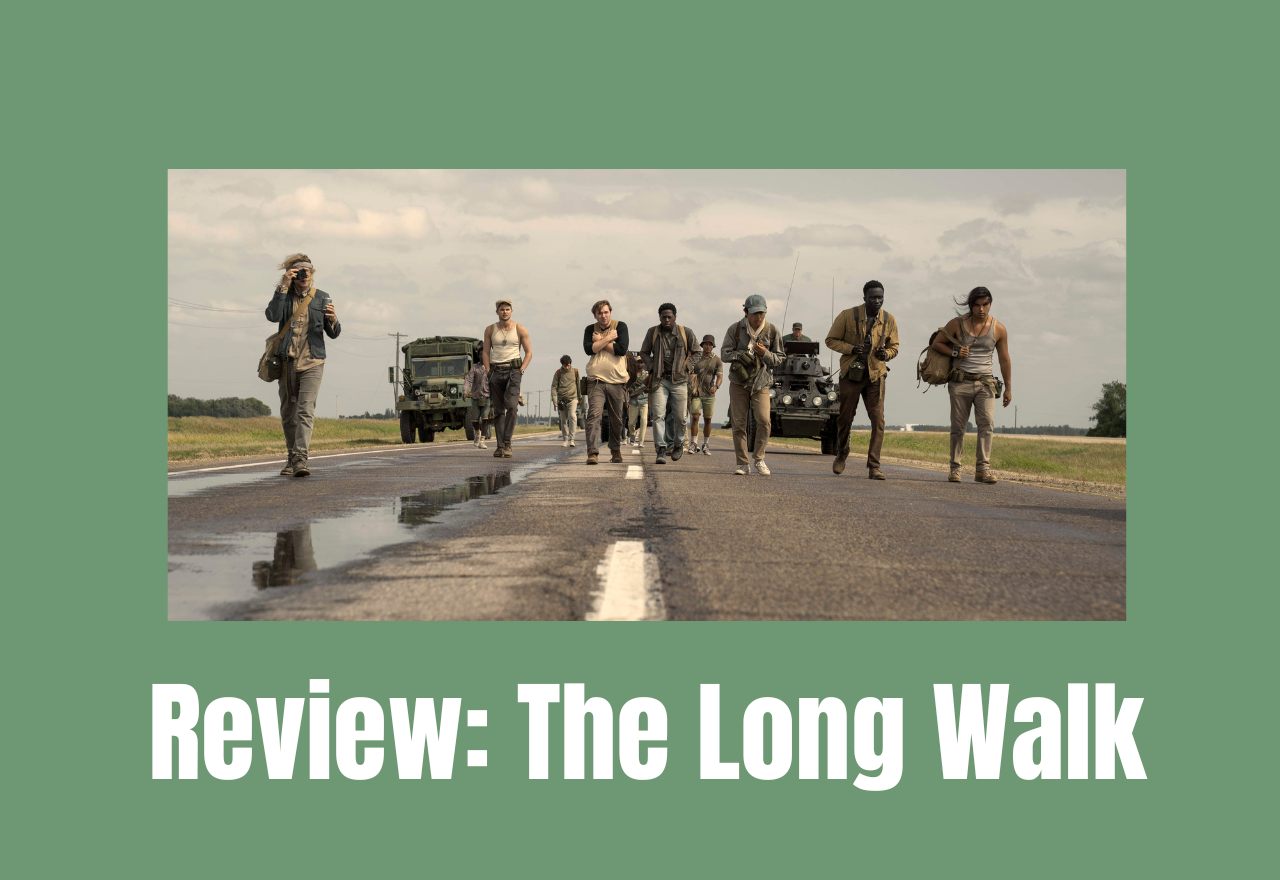
The road to nowhere: why the new 'Long Walk' movie is a brutal must-watch

13 February 2026, 7:00 PM

The Long Walk (2025) Review: Stephen King’s Dystopian Classic Hits the ScreenIn Short:The Rules: 50 boys walk at three miles per hour. Three warnings for slowing down, and the third is a death sentence. Only one survives.Cinematic Grit: Director Francis Lawrence (The Hunger Games) creates a claustrophobic, relentless atmosphere that captures the physical agony of the walk.Human Connection: Beyond the horror, the film shines in its portrayal of the "Musketeers", a group of boys who choose friendship and radical empathy in a system designed to kill them.I read the Stephen King book, written under his pseudonym, Richard Bachman, The Long Walk a long time ago. I don't remember much of the ending anymore.The details have softened and blurred the way they do with books you read in another life. But I remember the feeling. That slow, creeping, choking suffocation. The way King/Bachman built a world that pressed in on you from every side, with nowhere to look and nowhere to go. And I remember the warnings. First, second, third. The way each one landed like a physical blow. The way the finality of that third one hung over everything, every single step, like a guillotine blade you couldn't stop staring at.Watching the 2025 film, that feeling came back immediately. And that, more than anything, is what makes this adaptation remarkable.The set-up is deceptively simple, which is exactly how King intended it. In a dystopian, alternate-history version of America, somewhere in the grey, sweltering 1970s, fifty boys are chosen, one from each state, to participate in an annual event known as The Long Walk. They line up on a road. And then they walk.That's it. That's the contest.No arena. No weapons. No elaborate obstacle course or theatrical spectacle. Just a road stretching out ahead of them, and a set of rules so brutally straightforward they barely need explaining. The boys must maintain a pace of at least three miles per hour. Nonstop. No sleeping. No stopping. No stepping off the path. They walk through the day and into the night, and then through the next day, and the next night, and on and on until there is only one boy left.If you fall below the pace, you receive a warning. A second warning if you don't pick it up. A third warning, and soldiers in armoured vehicles execute you on the spot, right there, right then, in front of everyone. No ceremony. No reprieve. No appeal. The ticket, as it's grimly referred to, is unrefundable.The last boy walking wins a fortune and the fulfilment of one wish, anything he wants for the rest of his life. Which sounds magnificent, until you do the maths on what it actually costs to get there.The film is overseen by the Major (Mark Hamill), a charismatic, unsettling figure who frames the Walk as a noble tradition; something to inspire the nation, to forge real men out of boys. Whether anyone actually believes that is another matter entirely.King's novel has been considered, for decades, one of his most unfilmable works. And you can see why. There's no monster. No supernatural twist. No dramatic action set-piece to rally around. It's boys walking down a road, talking, and slowly dying. On paper, that's a brutal pitch for a film. On screen, in lesser hands, it could easily become exactly as boring as it sounds.Francis Lawrence, the man behind the Hunger Games films, has done something genuinely difficult here. He's made stillness cinematic. The camera moves almost constantly, tracking alongside the walkers in a way that's fluid but relentless, pulling you into the rhythm of their steps until you can practically feel the blisters forming. Cinematographer Jo Williams keeps everything drenched in a kind of oppressive, amber-toned light that makes the whole thing feel airless and endless. The night scenes are particularly stunning, murky and claustrophobic, the road disappearing ahead into nothing.And the details matter. The costumes and makeup do quiet, devastating work as the Walk progresses. The clothes get darker, heavier, soaked with sweat. The faces hollow out. The injuries accumulate, blisters, cramps, twisted ankles that bend into shapes ankles are not meant to bend into. You watch these boys wear down, mile by mile, and the film never lets you look away from what it's actually costing them.The walkers are drawn from across the country, different states, different backgrounds, different temperaments, different reasons for being there. Some volunteered out of economic desperation. Some are running from something. Some, like the young Thomas Curley, appear to have lied about their age just to get in, which tells you everything about how few options some of these kids had before they ever set foot on that road.And somewhere in the early miles, before the exhaustion has properly set in and the horror has fully landed, a small group of them find each other.Ray Garraty (Cooper Hoffman) is our way into the story, quiet, warm, carrying something dark and personal that slowly comes into focus as the Walk progresses. He's the home-state representative, and he's left behind a tearful mother (Judy Greer) at the starting line who knows, with the clarity only a mother can have, what the odds actually are.Ray falls in with a handful of walkers who become, quietly and without any grand declaration, the most important people in his life. There's Art Baker (Tut Nyuot), a gentle, devout young man from Baton Rouge who clutches a small Bible and wears his grandmother's cross around his neck. There's Hank Olson (Ben Wang), loud and talkative and full of bravado that starts to fray almost immediately under the weight of what they're doing. And then there's Peter McVries (David Jonsson), scarred, wise beyond his years, carrying his own damage quietly, and possessed of an almost stubborn insistence on finding light in the darkness around him.The four of them dub themselves the Musketeers. (There are four of them - not three. They're aware of the irony.) And from that moment, the film becomes something far more interesting than a survival thriller.This is where The Long Walk does something genuinely rare for a film like this. It doesn't rush the friendships. It lets them breathe.You watch these boys talk, really talk—the way people only do when the stakes are so high that pretending doesn't seem worth the energy anymore. They argue about girlfriends and God and what they'd wish for if they somehow made it out. They trade stories. They bicker. They make each other laugh in the middle of something that should make laughing impossible. And slowly, without fanfare, they become the reason each of them keeps putting one foot in front of the other.Cooper Hoffman brings a warmth and openness to Ray that anchors everything. But it's David Jonsson as McVries who is the quiet revelation of the film. McVries is the one who keeps choosing connection over self-preservation, who sees the people on the roadside not as vultures but as families, who tells Ray, when Ray is sinking into the darkness of his own rage, to find something worth walking towards instead. Jonsson plays it without sentimentality, without preaching. He just is McVries, and McVries is magnificent.The bond between Ray and Pete becomes the emotional spine of the film. It's not flashy. It's not dramatic in the way Hollywood usually demands. It's two young men walking side by side, talking, and holding each other up. And because the film takes its time with it—because Lawrence trusts the audience to sit with it—it lands with a weight that catches you off guard.Their conversations carry an incredible amount of emotional weight. As we begin to realise that either of them could die at any moment, their friendship feels like an act of resistance.That's exactly it. In a system designed to make them competitors—designed to ensure that for one of them to survive, every other person on that road must die—choosing to care about someone is quietly, stubbornly radical. The Musketeers don't just walk together. They shield each other. They risk their own warnings to help a struggling walker keep pace. They make pacts about looking after each other's families. They sit with each other in the dark and say the kinds of things you'd never say if you thought you had forever to say them.And when the Walk takes them, one by one, because it will, because it always does, the grief is devastating precisely because the joy was real.Stephen King's work has a complicated relationship with the screen. For every Shawshank Redemption or Stand By Me, there's been a dozen adaptations that missed the point entirely, that took the horror or the spectacle and lost the humanity underneath. King writes people. That's what he does. The monsters and the magic are just the frame. The real story is always about what it means to be alive, and afraid, and trying to connect with another person anyway.The Long Walk is one of the purest expressions of that, and Francis Lawrence has understood it. He hasn't tried to make the film bigger than it is. He hasn't added explosions or love interests or third-act twists to goose the pace. He's trusted the premise, trusted the performances, and trusted the audience to sit with something slow and uncomfortable and genuinely moving.The result is a film that does what the best King adaptations do; it takes something that lives in your chest, that queasy, helpless, can't-look-away feeling, and puts it up on the screen, exactly where it belongs.The Long Walk is not an easy watch. It shouldn't be. It's a film about boys dying, and it doesn't flinch from that. But it's also, underneath all of that, a film about what happens when human beings reach for each other in the worst possible circumstances, and find that it's enough. That it might, in fact, be the only thing that ever was.If you read the book and you loved it, you'll find something faithful and deeply felt here. If you haven't read it, you'll find one of the most quietly devastating films of 2025. Either way, you'll find yourself thinking about it for a long time afterwards.Not about the warnings. Not about the road. About the boys who walked it together.

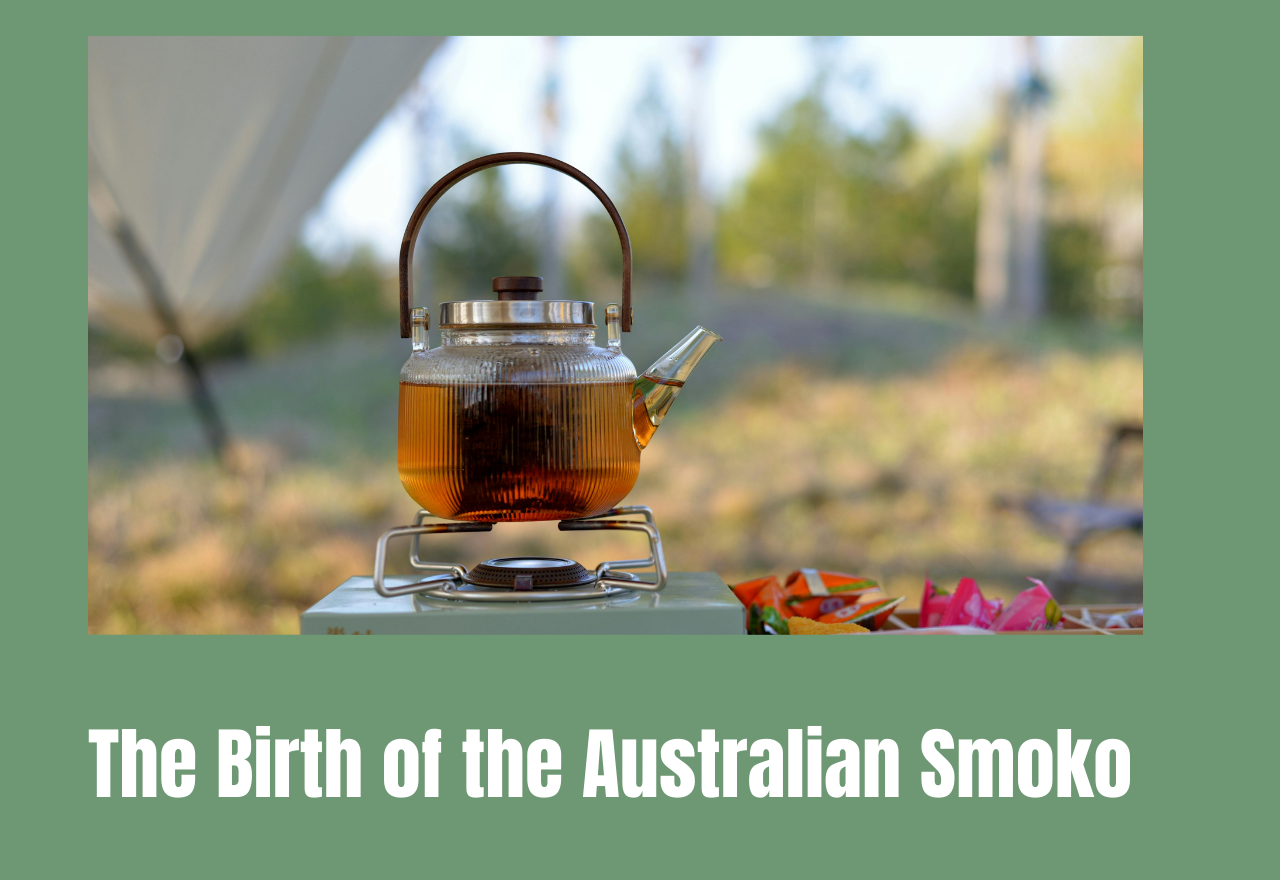
The Birth of the Australian Smoko

07 February 2026, 4:00 AM

How a dusty ritual defined the bush, plus our top tips for a perfect mugIn Short: A Survival Essential: Born in the 19th-century shearing sheds, smoko was the vital social and physical reprieve from the relentless heat and labor of the outback.The Rituals: The tradition was built on the Holy Trinity of billy tea, coal-cooked damper, and tobacco - a menu that bridged the gap between different classes of bush workers.The Bush Telegraph: Beyond the caffeine and calories, smoko served as the original rural social network, where yarns were spun and community bonds were forged.In the wide, often hot and dusty expanse of the 19th-century Australian outback, life was measured not by hours, but by the rhythm of the blade and the heat of the sun. Amidst the relentless toil of sheep shearing and timber cutting, a single word emerged as the ultimate salvation for the weary bushman: Smoko.The term "smoko" dates back to the 19th century, originally referring to a break taken by shearers and laborers to light up a cigarette. While the smoking rates have plummeted, the name - and the reason and traditions of the break - have remained unshakable.A Ritual Born in the DustIn the early days of the colonies, smoko was the hard-earned pause in a day that often began before dawn. Whether you were a ringer (an elite station hand) or a slushy (the cook's assistant), the smoko was the only time the hierarchy of the shearing shed softened.As the morning sun began to bite, the cry would go up. The heavy shears would drop, the dust would begin to settle, and men would retreat to the shade of a gum tree or the side of a dray. The Holy Trinity: Tea, Damper, and TobaccoA rural smoko in early Australia followed a strict, unwritten menu. Forget the artisan lattes of modern life; the pioneers relied on three staples:The Billy Tea: Water boiled over a small twig fire, infused with loose-leaf tea and settled by swinging the tin pot in a precarious 360-degree vertical circle.The Damper: Thick, soda-leavened bread cooked directly in the coals of the fire, often slathered with cocky’s joy (or golden syrup).The Pipe: This gave the ritual its name. In an era before filtered cigarettes, the slow pack of a pipe was the universal signal that the world had stopped turning for fifteen minutes.The Bush TelegraphThe smoko was the original social media of the outback. In the isolation of the bush, this break was when the classic Australian yarn was spun. It was here that local legends were born, rumors about the next station’s conditions were traded, and dry, self-deprecating Australian humor was forged."The smoko was the only time a man could hear his own thoughts over the click of the shears and the bleat of a thousand sheep."Bush life was - and still can be - a lonely place. Smoko provided the opportunity for turning a group of isolated laborers into a community, bound by the shared heat and the temporary relief of a hot tin mug.An Enduring LegacyWhile the horses have been replaced by four-wheel-drive utes and the hand-shears by electric overhead gear, the spirit of the rural smoko remains unchanged. It is a testament to the Australian character, and a deep-seated belief that nothing is so urgent it can’t wait for the billy to boil.Smoko-Style True Blue Billy TeaThe EquipmentA Tin Billy: Preferably seasoned (blackened on the outside from previous fires).The Heat: A bed of hot coals from a gum-leaf or hardwood fire (flames are for boiling; coals are for brewing).The Tea: A strong, loose-leaf black tea.The IngredientsWater: Fresh from the rainwater tank.Tea Leaves: One tablespoon per person, plus "one for the billy."The Secret Ingredient: A single, fresh green leaf from a Eucalyptus (Gum) tree.The Method:The Boil: Fill your billy three-quarters full with water and hang it over the fire (or sit it directly on the hot coals). Bring it to a galloping boil.The Leaf: Just before you take it off the heat, drop in one fresh Eucalyptus leaf. This adds a subtle, medicinal sweetness that defines the bush experience.The Brew: Remove the billy from the fire. Toss in your loose-leaf tea. Let it sit for exactly two minutes -any longer and it becomes stewed and bitter.The Swing (The Critical Step): This is the traditional way to settle the leaves at the bottom without a strainer.Hold the billy handle firmly.Extend your arm and swing the billy in a full, fast vertical circle over your head three times.Note: Physics (centrifugal force) keeps the tea in the pot and forces the leaves to the bottom.The Tap: If you’re not feeling brave enough to swing it, use a stick to tap the side of the billy three times. This also encourages the leaves to sink.How to ServeServe it in your favourite mug - in shearing sheds across Australia a chipped enamel mugs reigned supreme. In the true rural tradition, billy tea is taken black or with a splash of "Carnation" (evaporated) milk if you’re far from a dairy, and plenty of sugar to keep your energy up for the afternoon’s work.Our Tip: Never wash the inside of your billy with soap! A quick rinse with water preserves the "tannin" coating, which many old-timers swear makes the tea taste better every time.

The ‘TV Hug’ You’ve Been Waiting For: Why Dear Life is a Must-Watch

07 February 2026, 1:00 AM

Why ‘Dear Life’ is the TV hug we all needIn ShortThe Creators: From the brilliant minds behind Upper Middle Bogan, Robyn Butler and Wayne Hope deliver a perfect balance of humor and raw emotion.The Performance: Brooke Satchwell gives a career-defining performance as Lillian, a woman navigating grief by tracking down her late fiancé’s organ recipients.The Setting: Primarily set in the stunning Victorian city of Ballarat, the series offers a grounded, "warm hug" alternative to high-octane thrillers.If you haven’t sat down with the drama series Dear Life yet, consider this your official excuse to hit the couch. You can catch all six episodes of Dear Life exclusively on Stan. It dropped on New Year’s Day, so the full season is ready for you to binge-watch right now.In recent years Australia has produced TV that feels like a warm hug from an old friend, and this latest gem by the brilliant husband-and-wife duo Robyn Butler and Wayne Hope is no exception. Robyn Butler has said that the idea for the storyline came from imagining the scenario if her husband died, and that gives you a glimpse into the depth of emotion the pair have woven into Dear Life.Their names may not be instantly familiar but the duo are behind the classic Upper Middle Class Bogan series, and they bring to this latest show a similar balance of humour and heart.Dear Life is raw. It’s messy. Lead actress Brooke Satchwell delivers an incredibly believable performance as the damaged and grieving Lillian, struggling to get over the death of her fianceYou’ll know Satchwell from Black Snow or her iconic days on Neighbours. She’s the heart of the show as a woman tracking down her late fiancé’s organ recipients.Throw in a terrible relationship with her own parents, and her mother-in-law’s own grief emerging as anger and you have just touched the surface of this wonderfully complex story.The series is set in Ballarat and shows the Victorian city in all its glory, before ducking in and out of Melbourne to follow the characters.It looks at the heartbreak of unexpected grief, fractured family relationships and the friendships that get us through. At the end of the six episodes the story comes to a pleasing conclusion, but with just enough story left to tell to keep us hopeful of series two.Dear Life also stars Eleanor Matsuura of The Walking Dead fame, playing Lillian’s long-suffering pal Mary, who battles her own grief in ways she did not expect.Everyone’s favourite TV husband from Firefly Lane Ben Lawson plays Andrew, and yes, he’s as charming as ever.Keep an eye out for Aussie royalty Deborah Mailman (Total Control) and Kerry Armstrong (Lantana), who pop up to deliver strong performances in a couple of small but integral roles. You need to meet Kerry Armstrong's character as Lillian’s mother, to fully understand some of Lillian’s foibles.In a world of high-octane thrillers and action films Dear Life is grounded, heart-centered and touching. It reminds us that while life is undeniably complicated, it’s also pretty beautiful.If you like stories about complex, real-life characters, have a watch and let us know what you think.Rating: 5/5 (Five stars for making us feel all the feelings!)Want to tell us what you are enjoying? Email [email protected]

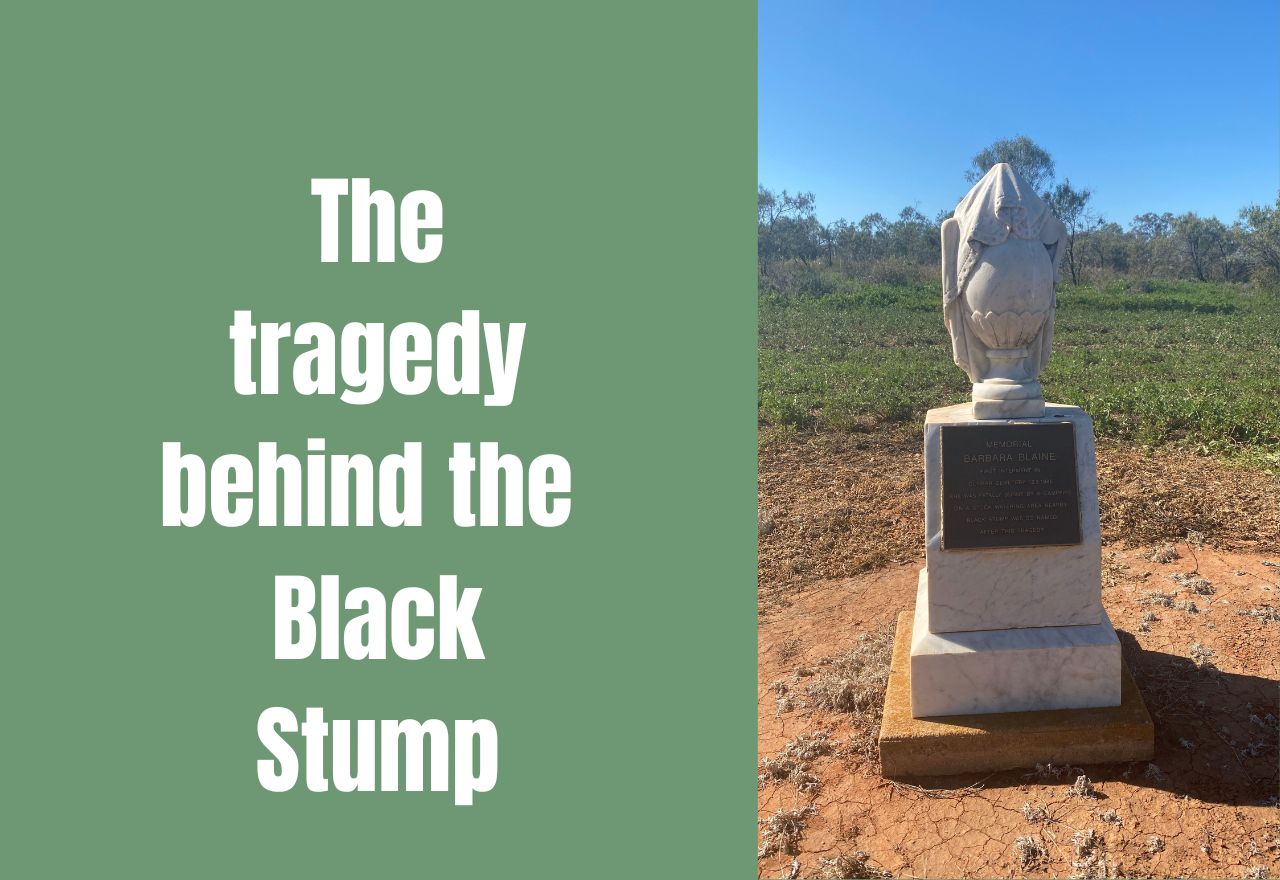
The Burning Truth: How a Drover’s Tragedy Created "The Black Stump"

04 February 2026, 7:00 PM

“Looked just like a black stump”In ShortThe Origin of an Icon: The phrase "Beyond the Black Stump" traces back to the 1886 death of Barbara Blain, whose dress caught fire while her husband was away from camp.A Gruesome Epitaph: The term was coined after her husband, James Blain, starkly described her remains as looking like a "black stump."A Place in History: Barbara was the first person buried at Gunbar Cemetery; today, her legacy lives on through the Black Stump Hotel and a memorial in Merriwagga.Barbara Blaine was what many would term an unassuming woman - a drover’s wife - and yet her death had an impact on the region around the township of Merriwagga and the village of Gunbar.Local legend has it that in 1886 Barbara and her husband camped at a spot 10 miles (16 kilometres) west of where Merriwagga was later developed and gazetted in 1924.The area was widely used as an overnight camp by those moving stock from the north, to river steamers on the Murrumbidgee River or the rail head at Carrathool.After setting up camp Barbara’s husband James set off - without newspaper records to accurately set history, some stories claim James was looking for feed for his animals, while other versions claim he was searching for lost stock. Regardless of the reason, he left the camp and while he was absent, tragedy struck.Barabara’s voluminous dress must have brushed the campfire flames, because it caught fire and burned the woman to death.When James arrived back at the camp his wife was long dead.It is said that when asked about his wife's death Blain explained, with a dry matter-of-factness, that when he found her she "looked just like a black stump". The gruesome tale was so often repeated that the term "black stump" became a location description.In the years that have followed it has expanded to become an image of distance, isolation and hardship, and most commonly occurred in expressions like "beyond the black stump" and "this side of the black stump".After the town of Merriwagga was established, the first hotel was built two years later in 1926, and was called The Black Stump Hotel, a nod to the legend of Barbara Blain. A memorial to Barbara sits across the road from the Hotel at Merriwagga, but she also has a place in the history of the now abandoned village of Gunbar.Following her death in March 1886, Barbara became the first person to be buried at Gunbar Cemetery, the closest to where she met her demise.After her burial the Gunbar cemetery was officially dedicated in 1887. The land on the eastern side of the Gunbar Cemetery was surveyed for the planned Gunbar Township, but it did not expand due to the lack of water. A small number of residential homes were built in this area however, including the first Gunbar Church.The land three kilometres south of the Cemetery known as South Gunbar became a thriving township because shallow water was located in an old riverbed. The water was found to be of high quality and a Chinese market garden was established to the western end of this township.The Gunbar Pioneer Memorial Church still stands today, beside the Mid Western Highway. The Gunbar Cemetery is still up on the hill, on the original site where it was surveyed in the 1800's. 

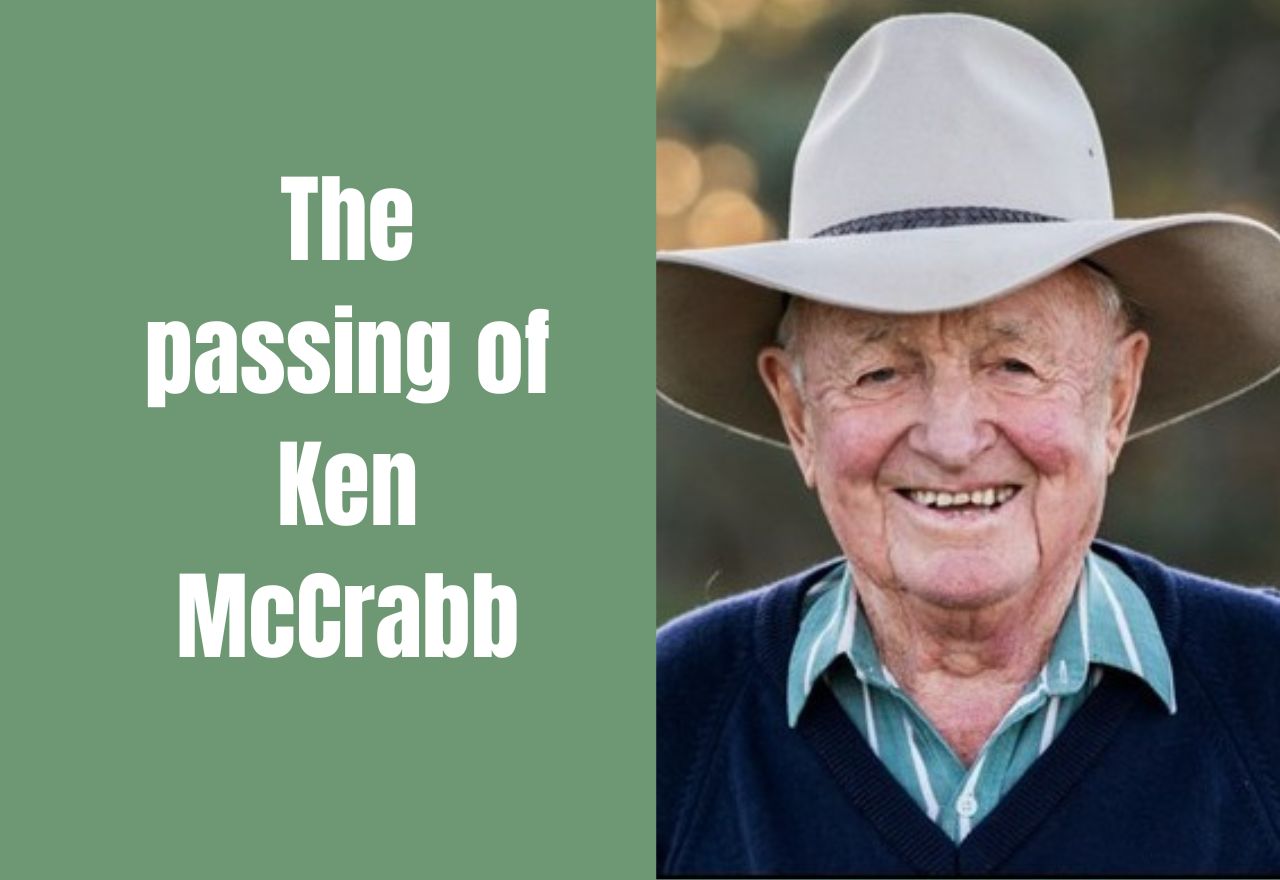
Honoring Ken McCrabb, the Merino Industry Visionary

04 February 2026, 7:00 PM

Flat Out or Fast Asleep: Honouring Ken McCrabb, the Riverina’s Merino VisionaryIn ShortA Lifetime of Wool: Ken held his woolclassing stencil for 60 years and managed 70 flocks nationwide, from Queensland to the Eyre Peninsula.Work Ethic & Wit: Known for his "flat out or fast asleep" pace, Ken was famous for camping in quiet country cemeteries to ensure a good night's sleep between jobs.Community Cornerstone: A 63-year veteran of the Rural Fire Service and a dedicated rainfall reporter for ABC Riverina, Ken’s commitment to his region was as strong as his passion for Merino sheep.Ken McCrabb was passionate about all things Merino sheep and wool; and family.There were two speeds for him – flat out or fast asleep, with the superpower of a power nap. Ken’s work ethic was unquestionable as those who knew him can attest to.Ken had a huge work ethic, even in his later years, and was committed to his clients and known for his competitiveness.He loved sharing his knowledge, especially with young people starting out in agriculture.He would say to his jackeroos and jillaroos that there are 168 hours in a week so there should be plenty of time to get stuff done, and on weekends to get up early, so they could have a longer day off.Ken had a very deep sense of community and helped out wherever he could, being involved quietly in a number of groups, or acting alone.Ken was born in Shepparton on February 10, 1937, the only child of Harold and Mabel McCrabb.He grew up on a mixed farm at Wunghu and accelerated through primary school at Drumanure, riding 10km each way on his pony from the age of six.The trips home were often punctuated with detours and races with his school mates.Ken started his first day as a boarder in Year 7 at Albury Grammar School on his 11th birthday. By this stage the family had moved to Cobram East and Mabel was milking eight cows morning and night, separating the cream to help pay the school fees.In 1950 the original 3000 acres of Avenel (at Wanganella) were purchased by Harold and Mabel.Ken spent many of his school holidays with Tom Austin of Wanganella Station, who took him under his wing.This was where his passion for Merino sheep began, and grew. So much so, that he even convinced his father to move to Merino sheep and by 1953 Harold had formed a Merino stud, purchased 93 Wanganella Estate ewes with lambs at foot and a Wanganella ram. The seed was sown.Ken was 16 in his final year at Albury Grammar where he completed his Leaving Certificate and his Woolclassing Certificate.He couldn’t wait to get his hands dirty.After a stint jackerooing at Hermidale, Ken was summoned home. His initiation was cutting thistles across the whole of Avenel, using a mattock. In later life he would give all his grandchildren a burr hoe each.Ken started woolclassing locally, even without his driver’s licence, and by the age of 17 was running four-stand sheds.He went on to class sheds for eight years part-time in the Scotia belt of western NSW, Victoria, South Australia and Tasmania and held his classing stencil for 60 years.By 1961 Ken realised there was more money in mulesing, and became the first mulesing contractor regularly operating in Victoria, south-east South Australia and western NSW.He would drive to Bonegilla Immigration Camp near Wodonga and pick up catchers who had just gotten off a boat from Europe. He would give them a night or two at Avenel and then travel onto Broken Hill to catch sheep for the mulesing team. Those were the days when five-year-old ewes and wethers were mulesed while being held over a rail. No cradles. Welcome to Australia.Ken met Mary at a hunt in Deniliquin in 1961 and they married in December 1962 at St Davids in Albury on a stinking hot day, and then honeymooned on Kangaroo Island.Harold and Mabel retired and moved to Deniliquin and Ken and Mary took over Avenel in 1963 with 800 sheep and a few shorthorn cattle. Two years later they purchased nearby Willow Downs and started to expand.Their partnership was meant to be. Ken’s love of sheep, Mary’s love of dogs, and they both had a passion for horses.Their first son, Colin arrived in 1964, followed by Peter two years later.Their earliest memories of their father all seem to be on horseback. Ken on stockhorse mustering, the boys on their ponies and dogs at their heels.Growing up at Avenel was all about horses, dogs, sheep and the milking cow. Look out if you ever forgot to lock up the milker’s calf the night before.School holiday trips were always interesting. They were not your usual trip to the coast or the snow.They were along the lines of: the horse float with a bunch of wethers in it to be delivered to a wether trial somewhere, a couple of dog crates full of pups in the back of the Falcon station wagon to be delivered on the way, often a young kangaroo Mary was raising, once even a possum, and of course the family Labrador.They would just camp on the side of the road, Col and Pete in the old canvas tent and Ken and Mary under the stars.On the way home, Ken could not waste an empty horse float. They would wheel into a quarter horse stud and pick up a stallion, or once it was a mare and young foal.Peter remembers when he was around 10 years old, accompanying his dad on classing trips or to a sheep show where Ken was judging. On the way back, when Ken got tired, he would hand over the driving to Peter on a long stretch between towns. There would always be a cushion for the young driver to sit on so he could see over the steering wheel and a hat to wear so he would look older if a police officer went past.Later on, on his solo classing trips, it was just Ken and his dog.At one stage he was classing 70 flocks around Australia, from Julia Creek in Queensland to the Eyre Peninsula in Australia and all over NSW and Victoria, covering enormous distances.He would travel at night between clients, and would often just swag it on the side of the road which wouldn’t always lead to a good night’s sleep.So Ken decided he needed to find a quieter place to camp, and he did one day. He found a spot where there was plenty of room to park the Landcruiser and classing trailer, lawn to roll his swag on, no one around, and no traffic.It was the Peak Hill Cemetery.From then on, he could always tell his family which country towns had the best cemeteries to camp at. It was a tactic other members of the family have since employed at some stage.With Ken’s passion for learning always active, the family went on a world study tour to India, Europe, England and the US when they boys were still toddlers, looking at the future trends within the wool and apparel industry.The upshot was Ken saw a need to reduce micron whilst maintaining fleece weight and do-ability in all environments.In 1971 the Avenel Merino Stud was registered, with Avenel as home base.In 1974, a particularly wet year, they purchased North Bundy, 18,000 acres west of Booroorban.This became the flock property which saw much success in Wether Trials and National Ewe Competitions.Ken was heavily involved in the introduction of irrigation along the Billabong Creek and sat on the Board of the Yanco Creek and Tributaries Advisory Council for many years.Ken also had a strong sense of community with his involvement in the Murray Valley Hunt Club, Deniliquin Pony Club and organising the Wanganella, Booroorban and Pretty Pine Gymkhanas to raise funds for their respective community halls.Ken and Mary raised over $23,000 when they decided to hold a fundraiser at the new Avenel woolshed for the fire victims in the Eyre Peninsula in 2005.Last year they both received their Rural Fire Service life memberships of the Wanganella Brigade.Ken had been a member for more than 63 years, including captain for more than 15 years.One of the last family holidays for Ken and Mary was when Peter flew them to see Lake Eyre in his four-seater aircraft, which they bought a share in some 30 years ago.Unlike on childhood holidays, due to weight and balance limitation, there were no rams or pups to deliver, Mary had no pet kangaroo and there was no family Labrador.Even though they had no deliveries to make, they did class plenty of sheep and trained a few dogs over the bar at the William Creek and Birdsville hotels.For many years, Ken’s favourite civic duty was reporting the rainfall. “Ken from Wanganella” was meticulous in his rainfall reporting to ABC Riverina as he felt that people should know what was happening in the western end of the Riverina.Ken McCrabb signed off on December 24, aged 88, surrounded by his family – who are waiting for the next rainfall event.We thanks the McCrabb family for sharing Ken's story with us.BCB News accepts obituaries from across our readership area - contact us via [email protected]

Dust, Dreams, and the Darling: 5 Must-Visit Gems in the Central Darling Shire

03 February 2026, 7:00 PM

Head off the bitumen and into Central Darling Shire top 5 spotsIn ShortSubterranean Living: Discover White Cliffs, where locals live in "dugouts" to beat the heat and mine rare "Pineapple" opals.Historic River Hubs: Explore the "Queen City" of Wilcannia and the Kinchega Woolshed, icons of Australia’s 19th-century wool and riverboat boom.Nature & Culture: Witness the dramatic sunsets of Menindee Lakes and the 40,000-year-old Barkindji heritage at Paroo-Darling National Park.Forget the manicured hedges of the coast. In the Central Darling Shire, the horizon doesn’t just end—it glows. This is the "Real Outback," a land where the red dirt meets the big blue sky, and the mighty Baaka (Darling River) carves a lifeblood through the ancient plains.Believe us when we tell you: there is a specific kind of magic here. It’s in the sandstone ruins, the shimmer of an opal, and the g’day of a local who actually has time for a yarn.If you’re ready to trade the traffic for the Darling River Run, here are the top five destinations you absolutely cannot miss.1. White Cliffs: The Town Where People Live UndergroundImagine a landscape that looks more like the Moon than New South Wales. White Cliffs is Australia’s oldest commercial opal field, but its real claim to fame is its "dugouts." To escape the summer heat, the locals live in underground homes carved directly into the white rock.The Experience: Spend a night at the Underground Motel. It’s whisper-quiet, naturally climate-controlled, and an architectural marvel.Don’t Miss: The "Pineapple" opals—rare, spiky crystal formations found nowhere else on Earth.Read: The White Cliffs gem-stone dinosaur and Inside the White Cliffs opal pineapple mines2. Menindee & Kinchega National Park: An Inland OasisMenindee is the oldest European settlement on the Darling River, but its history goes back thousands of years as a vital hub for the Barkindji people. It’s also where the ill-fated explorers Burke and Wills had their last civilised meal at the Maiden’s Hotel before heading north.The Experience: Explore the Kinchega Woolshed, a massive relic of the pastoral era that once echoed with the sound of six million sheep being shorn.Pro Tip: Sunset at the Menindee Lakes is mandatory. The sight of flooded dead gums silhouetted against a purple sky is a photographer’s dream.Read: Menindee - Discover the Outback and Pelicans Descend on Menindee Lake3. Wilcannia: The Queen City of the WestOnce the third-largest inland port in the country, Wilcannia is a time capsule of the 19th-century riverboat boom. Walking through town feels like stepping onto a film set, with grand sandstone buildings like the Post Office and Courthouse standing as monuments to a bygone era.The Experience: Take the Heritage Trail (using the Shire’s free app) to learn about the paddle-steamers that once choked the river with wool.The Vibe: Authentic and raw. Stop by the local arts centre to see incredible work by Barkindji artists.Read: Wilcannia's Supermarket is at the Heart of the Community and Wilcannia Declared an RV Friendly Town4. Tilpa: The Shortest Heritage Trail in AustraliaThe tiny settlement of Tilpa is proof that some of the best things come in small packages. It’s famous for having a cemetery with no one in it (it was established for future use) and a heritage trail that is literally just a few metres long.The Experience: Pull up a stump at the Tilpa Hotel. This iconic corrugated iron pub is the heart of the community. You can even pay a small fee to sign the walls and all proceeds go to the Royal Flying Doctor Service.Stay: Check into a nearby farm stay like Trilby Station for a taste of true outback station life.Read: Tilpa - The Tiny Town with a Big Heart and Back to Tilpa 20245. Paroo-Darling National Park: Where the Wetlands BloomNorth of Wilcannia lies the Paroo-Darling National Park, home to the Peery Lake. This is one of the few places in Australia where you can see the end of a river system. When the rains come, the dry lake bed transforms into a thriving wetland teeming with birdlife.The Experience: Visit the Coach and Horses Campground for a bush camp experience right on a bend of the Darling.Cultural Connection: The area is deeply significant to the Barkindji people, with ancient middens and stone arrangements telling stories of a 40,000-year-old connection to the land.Read: The Darling River Run - One of Australia's Best RoadtripsPlanning Your TripBest Time to Visit: April to October, when the days are mild and the nights are crisp.Road Safety: Many roads are unsealed. Always check the Central Darling Shire Road Report before heading out, especially after rain.The Rig: You don’t strictly need a 4WD for the main towns, but a high-clearance vehicle is highly recommended for the National Parks and back tracks.

1-20 of 297
Back Country Bulletin
News from the Back Country

Get it on the Apple StoreGet it on the Google Play Store