The Birth of the Australian Smoko

Krista Schade
07 February 2026, 4:00 AM
How a dusty ritual defined the bush, plus our top tips for a perfect mug
In Short:
- A Survival Essential: Born in the 19th-century shearing sheds, smoko was the vital social and physical reprieve from the relentless heat and labor of the outback.
- The Rituals: The tradition was built on the Holy Trinity of billy tea, coal-cooked damper, and tobacco - a menu that bridged the gap between different classes of bush workers.
- The Bush Telegraph: Beyond the caffeine and calories, smoko served as the original rural social network, where yarns were spun and community bonds were forged.
In the wide, often hot and dusty expanse of the 19th-century Australian outback, life was measured not by hours, but by the rhythm of the blade and the heat of the sun. Amidst the relentless toil of sheep shearing and timber cutting, a single word emerged as the ultimate salvation for the weary bushman: Smoko.
The term "smoko" dates back to the 19th century, originally referring to a break taken by shearers and laborers to light up a cigarette. While the smoking rates have plummeted, the name - and the reason and traditions of the break - have remained unshakable.
A Ritual Born in the Dust
In the early days of the colonies, smoko was the hard-earned pause in a day that often began before dawn. Whether you were a ringer (an elite station hand) or a slushy (the cook's assistant), the smoko was the only time the hierarchy of the shearing shed softened.
As the morning sun began to bite, the cry would go up. The heavy shears would drop, the dust would begin to settle, and men would retreat to the shade of a gum tree or the side of a dray.
The Holy Trinity: Tea, Damper, and Tobacco
A rural smoko in early Australia followed a strict, unwritten menu. Forget the artisan lattes of modern life; the pioneers relied on three staples:
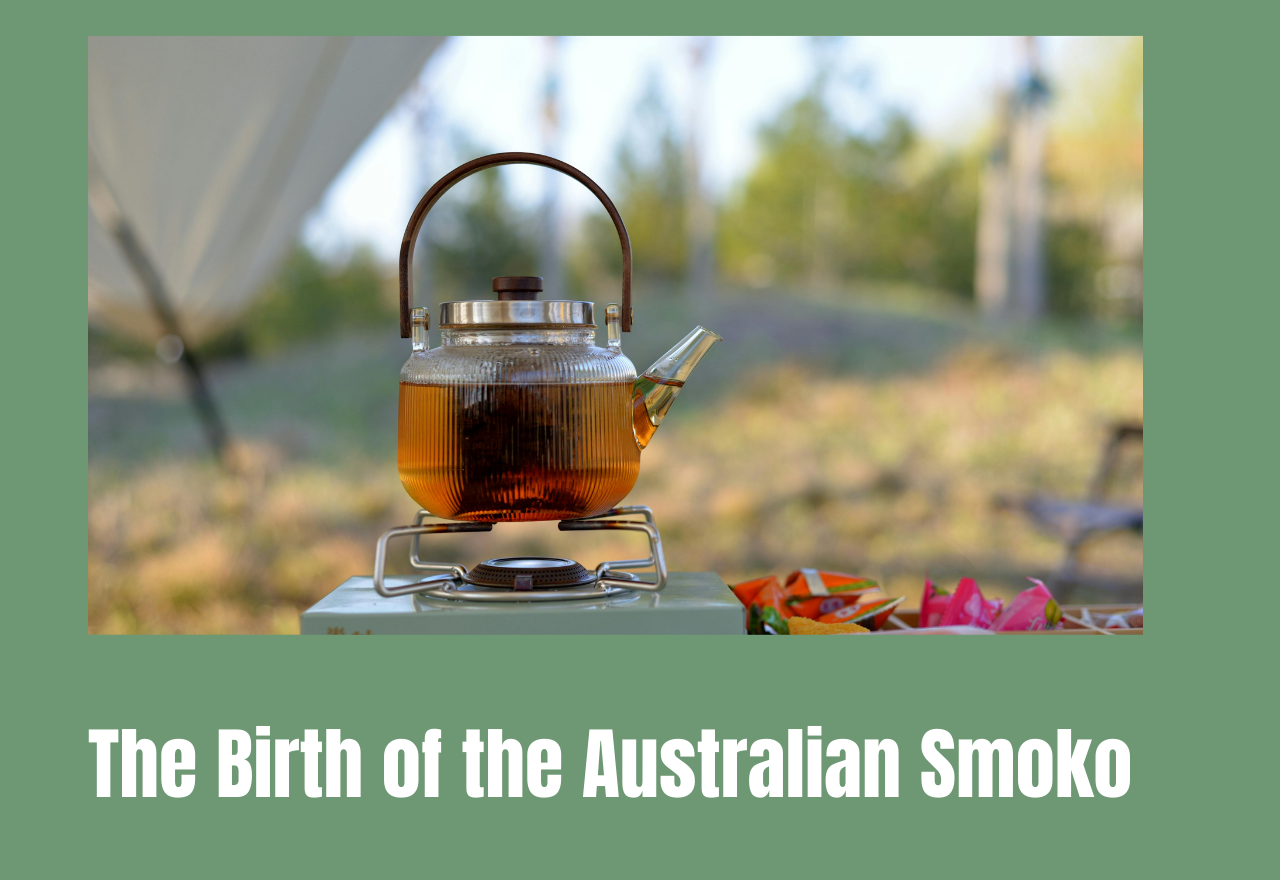
The Billy Tea: Water boiled over a small twig fire, infused with loose-leaf tea and settled by swinging the tin pot in a precarious 360-degree vertical circle.
The Damper: Thick, soda-leavened bread cooked directly in the coals of the fire, often slathered with cocky’s joy (or golden syrup).
The Pipe: This gave the ritual its name. In an era before filtered cigarettes, the slow pack of a pipe was the universal signal that the world had stopped turning for fifteen minutes.
The Bush Telegraph
The smoko was the original social media of the outback. In the isolation of the bush, this break was when the classic Australian yarn was spun. It was here that local legends were born, rumors about the next station’s conditions were traded, and dry, self-deprecating Australian humor was forged.
"The smoko was the only time a man could hear his own thoughts over the click of the shears and the bleat of a thousand sheep."
Bush life was - and still can be - a lonely place. Smoko provided the opportunity for turning a group of isolated laborers into a community, bound by the shared heat and the temporary relief of a hot tin mug.
An Enduring Legacy
While the horses have been replaced by four-wheel-drive utes and the hand-shears by electric overhead gear, the spirit of the rural smoko remains unchanged. It is a testament to the Australian character, and a deep-seated belief that nothing is so urgent it can’t wait for the billy to boil.
Smoko-Style True Blue Billy Tea
The Equipment
A Tin Billy: Preferably seasoned (blackened on the outside from previous fires).
The Heat: A bed of hot coals from a gum-leaf or hardwood fire (flames are for boiling; coals are for brewing).
The Tea: A strong, loose-leaf black tea.
The Ingredients
Water: Fresh from the rainwater tank.
Tea Leaves: One tablespoon per person, plus "one for the billy."
The Secret Ingredient: A single, fresh green leaf from a Eucalyptus (Gum) tree.
The Method:
The Boil: Fill your billy three-quarters full with water and hang it over the fire (or sit it directly on the hot coals). Bring it to a galloping boil.
The Leaf: Just before you take it off the heat, drop in one fresh Eucalyptus leaf. This adds a subtle, medicinal sweetness that defines the bush experience.
The Brew: Remove the billy from the fire. Toss in your loose-leaf tea. Let it sit for exactly two minutes -any longer and it becomes stewed and bitter.
The Swing (The Critical Step): This is the traditional way to settle the leaves at the bottom without a strainer.
Hold the billy handle firmly.
Extend your arm and swing the billy in a full, fast vertical circle over your head three times.
Note: Physics (centrifugal force) keeps the tea in the pot and forces the leaves to the bottom.
The Tap: If you’re not feeling brave enough to swing it, use a stick to tap the side of the billy three times. This also encourages the leaves to sink.
How to Serve
Serve it in your favourite mug - in shearing sheds across Australia a chipped enamel mugs reigned supreme. In the true rural tradition, billy tea is taken black or with a splash of "Carnation" (evaporated) milk if you’re far from a dairy, and plenty of sugar to keep your energy up for the afternoon’s work.
Our Tip: Never wash the inside of your billy with soap! A quick rinse with water preserves the "tannin" coating, which many old-timers swear makes the tea taste better every time.
NEWS


SPORT


RURAL


COMMUNITY