Weaving a Future: How Handmade Nests are Saving the Riverina’s Black Falcon

Krista Schade
05 January 2026, 7:00 PM
In Short
• Artificial Habitats: Local Land Services (LLS) installed 17 handmade "stick nests" across the Riverina to combat habitat loss and competition from other birds.
• Species in Decline: Black Falcon populations have plummeted by 30% nationwide, with as few as 3,000–5,000 individuals remaining in NSW due to land clearing and secondary poisoning.
• Community Conservation: The project combined high-tech monitoring with local education, including a student-published book and over 57,000 hectares of pest control.
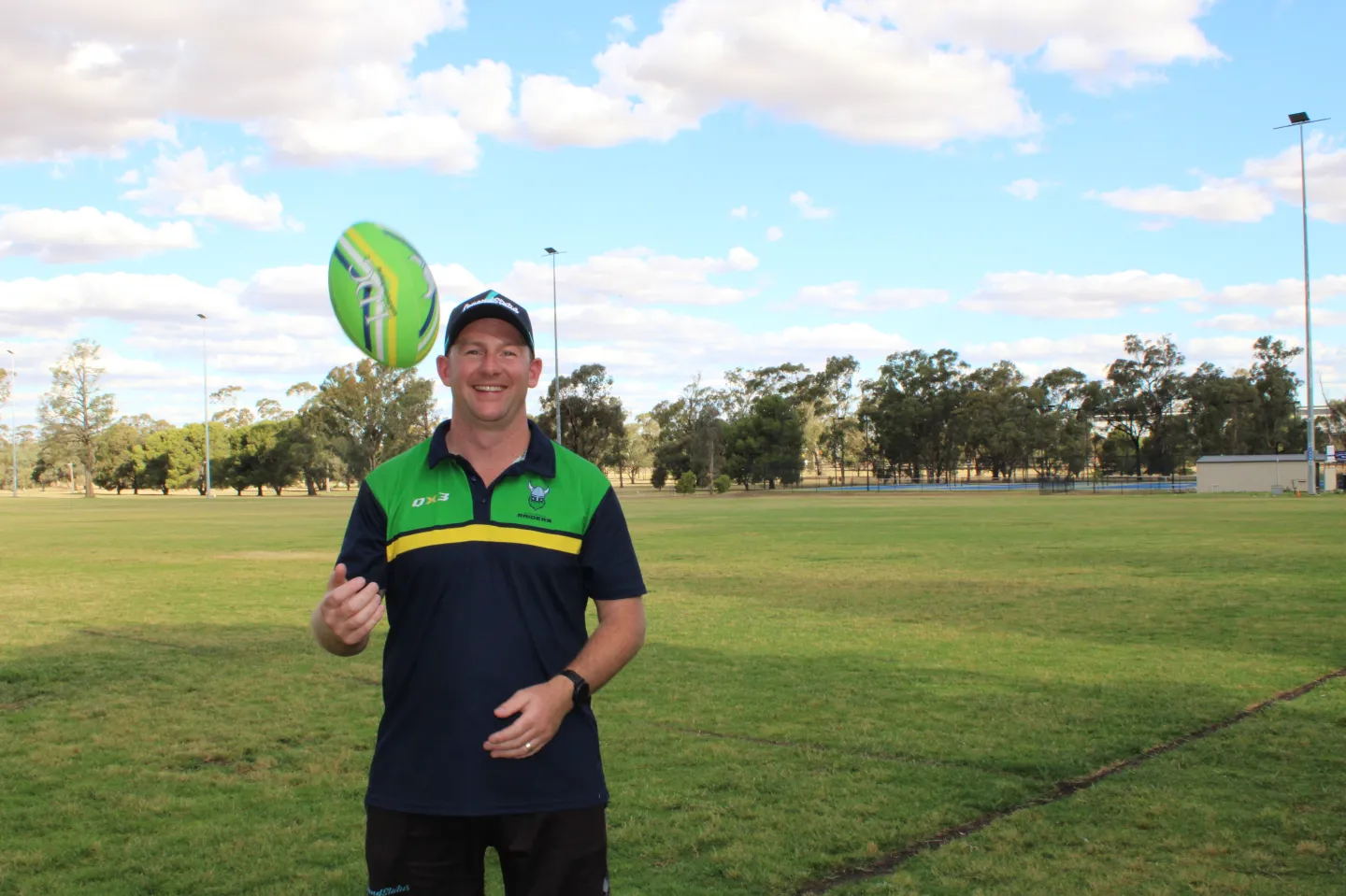
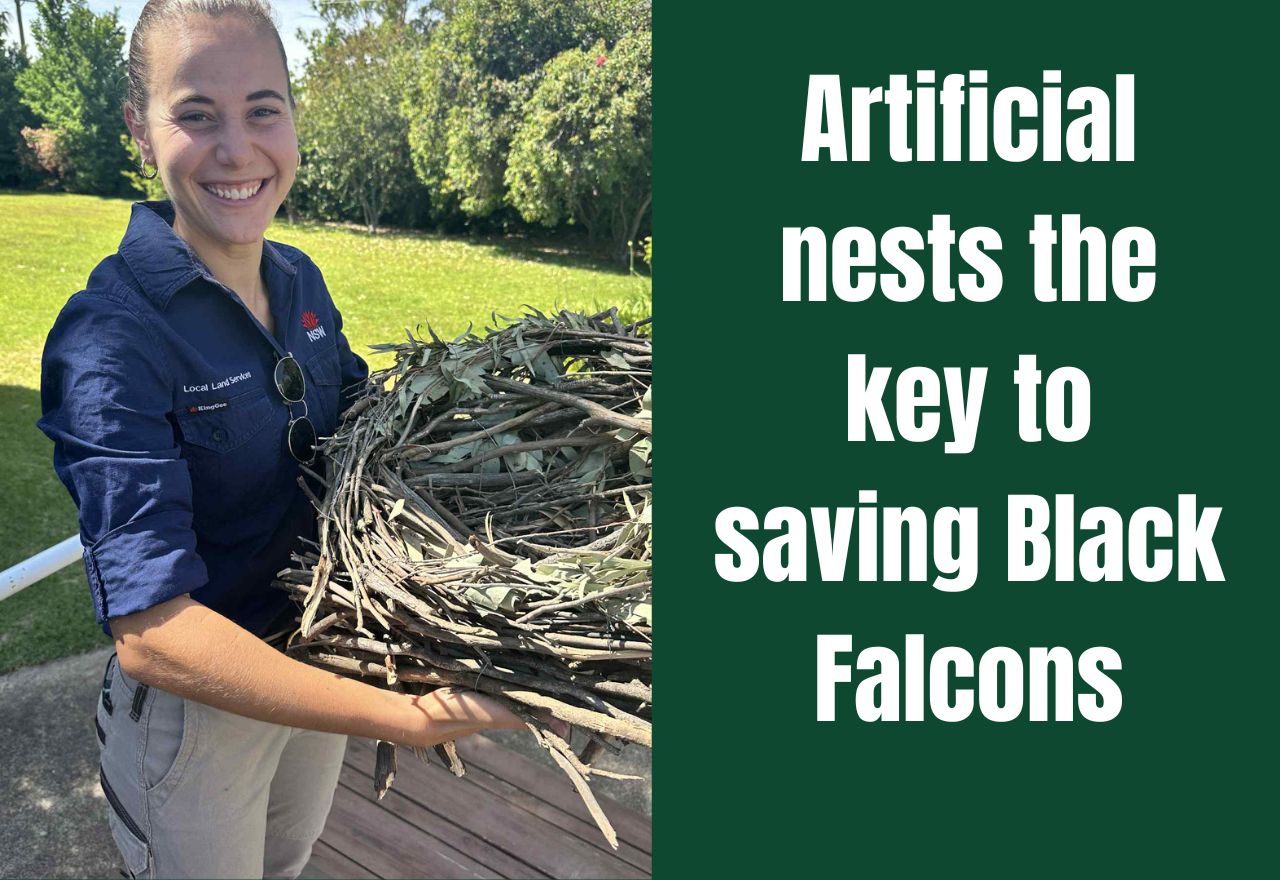
Lucy Wright (pictured) is part of the Local Land Services Natural Resource Management unit, and has recently wrapped up an education and conservation project, focused on the threatened Black Falcon.
The project area spanned the Riverina region from Narrandera to beyond Maude, and involved the creation and installation of 17 artificial stick nests.
“We takes sticks from the areas we are planning to put the nests, and we weave a nest together,” Ms Wright explained.
“We use a bit of tie wire to hold them - I’m not as clever as the birds and I actually don’t know how they hold their nests together without fingers!”
Black Falcon numbers have declined by 30 per cent across Australia. There are thought to be less than 10,000 Black Falcons in the country, and perhaps between 3,000 and 5,000 individuals in NSW.
Land clearing, pest predators such as cats and foxes, competition for nest sites from an overabundance of crows and ravens, collisions with vehicles and wind turbines susceptibility to secondary poisoning by chemical sprays have all contributed to the Black Falcon now being listed as a vulnerable species.
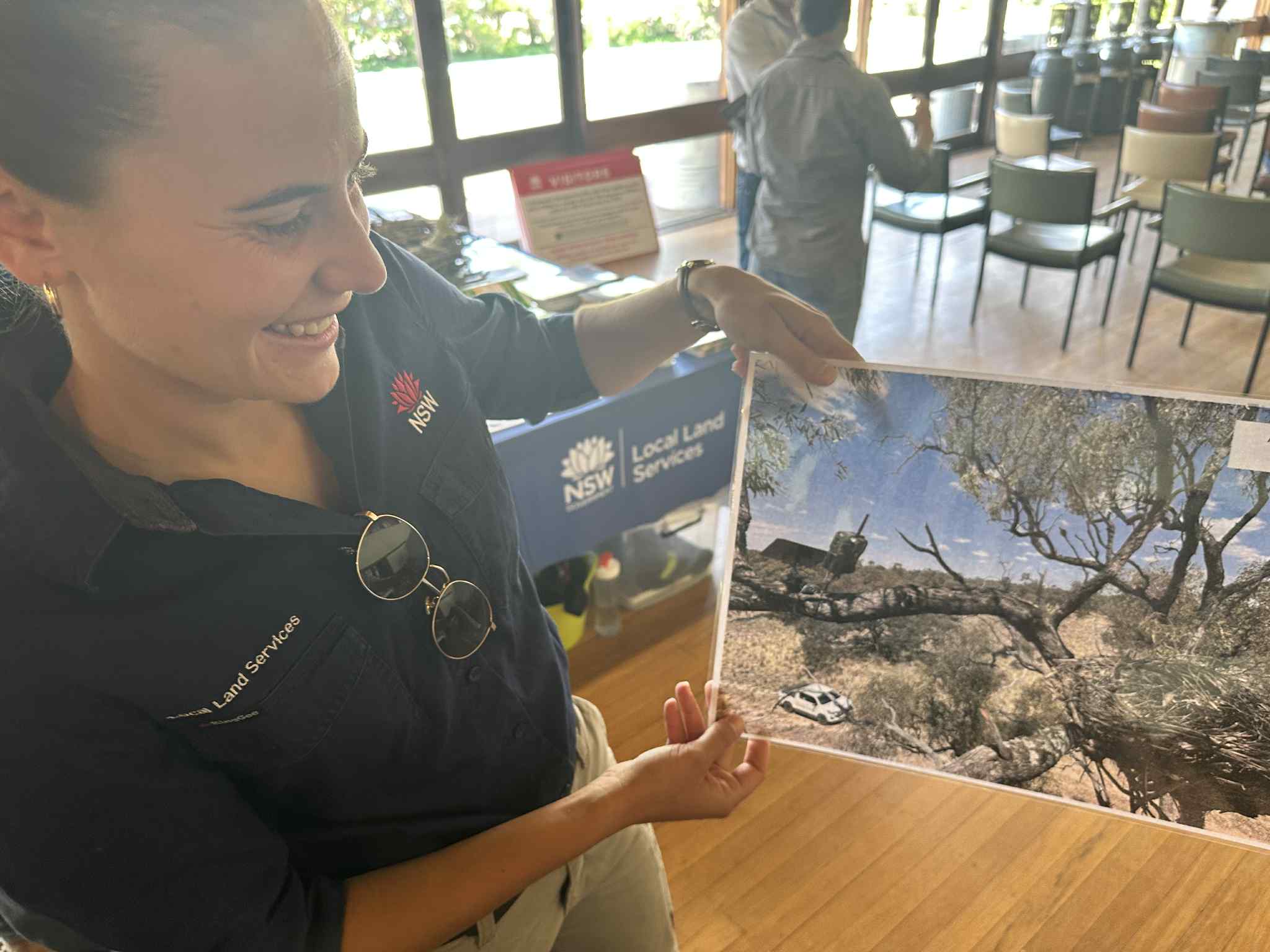
“We use an EWP (cherry picker) to put the nest up in the trees, and install a solar-powered, wi-fi camera for monitoring.
“That’s the starting point.”
As well as installing the hand-made nests, the project partnered with Hay Public School to roll out an educational program.
Students took part in excursions to project sites and released a book, full of illustrations and information on the Black Falcon.
The project also controlled African Boxthorn across more than 351 hectares, and undertook 57,600 hectares of pest animal control.
Revegetation work was done in important areas and acoustic recorders installed and monitored, to collect data on the Black Falcon.
The Riverina LLS Natural Resource Management project team also partnered with Birdlife Australia to produce education material for landholders, including a glovebox guide for diurnal raptors of Australia.