The 2026 Census: what's new and why it matters

Kimberly Grabham
05 January 2026, 1:00 AM
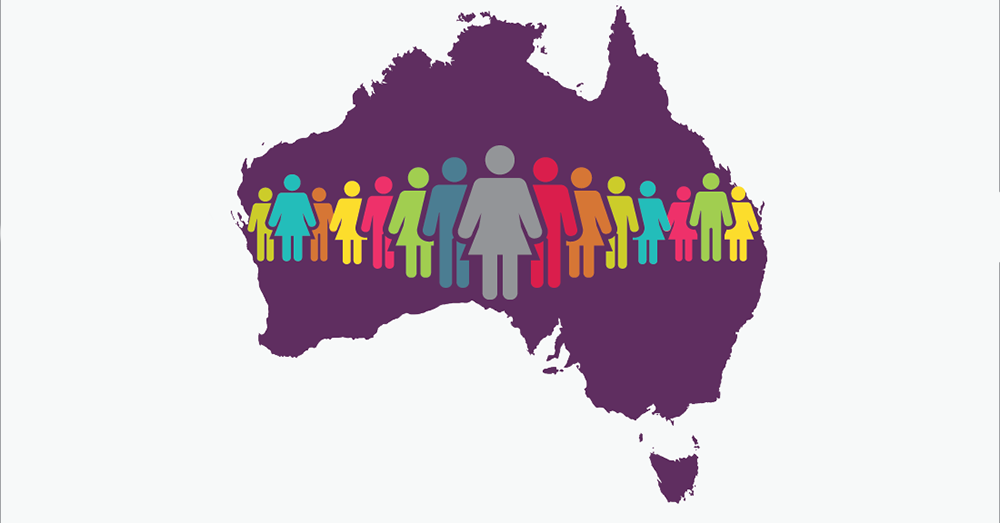
For the first time in Australian history, the census will include questions on sexual orientation and gender identity. Here's what changed, what stayed the same, and why it took a political firestorm to get here.
When Australians complete their census forms in August 2026, they'll encounter something unprecedented: questions about sexual orientation and gender identity. It's a change that advocates have fought for over years, politicians have wrestled with for months, and one that promises to finally make visible communities that have long been invisible in national statistics. But the road to this historic inclusion has been anything but smooth.
The story of these questions is a masterclass in political backflips and public pressure. Initially, the federal government resisted expanding gender and sexuality categories in the 2026 Census, citing concerns about sparking divisive debate. The decision drew immediate and fierce backlash from LGBTQIA+ groups, researchers, experts, and even members within the Labor Party itself. Prime Minister Anthony Albanese's position seemed to shift almost daily, one day committing to the change, the next walking it back. The Opposition Leader Peter Dutton questioned the Prime Minister's reliability, noting he appeared to be all over the shop on the issue.
Eventually, after weeks of criticism and further engagement with the Australian Bureau of Statistics and community groups, the government reversed course. Assistant Treasury Minister Andrew Leigh confirmed the inclusion, stating that we value every Australian, regardless of their faith, race, gender or LGBTIQ+ status. The political drama revealed how contentious data collection itself has become, even when that data serves the fundamental purpose of understanding who Australians are and what they need.
For Australians aged 16 and over, the 2026 Census will include two new questions. The gender identity question asks how a person currently identifies or expresses their gender, which may be different from sex at birth. The question includes tick-box options and a free-text field, along with a prefer not to answer option. The sexual orientation question asks about sexual identity and attraction, how an individual thinks of their own sexuality, the term they identify with, and their romantic or sexual attraction to others. It also includes response options and a don't know option for those uncertain or responding on behalf of others. These questions are voluntary, and the ABS has been clear that people will have the option not to answer.
Notably absent is a question on variations of sex characteristics, commonly referred to as intersex status. Despite being considered by the ABS, extensive testing found that the question was too complex for the census format. Testing revealed limited understanding of the differences between questions on sex, gender, and sexual orientation. The challenges were particularly evident with people from different cultural and linguistic backgrounds. Expert opinion from members of the ABS's LGBTIQ+ Expert Advisory Committee indicated that further simplification would risk misinterpretation and increase misreporting. The ABS ultimately determined it could not collect high-quality data on this topic through the census. Anna Brown from advocacy group Equality Australia expressed disappointment, noting it's incredibly disappointing that intersex Australians remain excluded from comprehensive data collection. The ABS has committed to working with the intersex community to explore better ways of gathering this information through other surveys.
The 2026 Census includes several other updates beyond gender and sexuality. The question on sex will now specifically ask about sex recorded at birth rather than just sex, to differentiate it from the new gender question. The online form initially presents Male and Female, with a link revealing a third option: Another term. Respondents can now report up to four ancestries instead of being limited to fewer options. Questions will reference bicycles including e-bikes to reflect contemporary travel modes. Non-gendered terms will be introduced for household relationships to be more inclusive. The census will now include questions on liver disease. The question on number of children a woman has given birth to will return to being collected only once per decade and won't appear in 2026.
The inclusion of sexual orientation and gender questions isn't just symbolic but has profound practical implications. Currently, there's extremely limited information on Australia's LGBTQIA+ population. Previous attempts to estimate community size relied on indirect methods, like examining relationship status and the sex of partners in households. This approach completely misses people who are lesbian, gay, bisexual, or use different terms and aren't in a household with a same-sex partner. Without comprehensive data, governments struggle to plan appropriate health services for LGBTQIA+ communities, develop targeted mental health support programmes, allocate funding for social services, understand disparities in housing, employment, or education, and track progress on equality and inclusion initiatives.
As Georgia Chapman, the ABS's 2026 Census content director, noted, the Census provides some of Australia's most valuable statistics, and it's important that it reflects our contemporary society and captures emerging data needs. The statisticians, researchers, and public servants who have worked on developing these questions deserve recognition for their professionalism and dedication. The ABS staff navigated an incredibly complex task, balancing the need for accurate data with concerns about privacy, cultural sensitivity, and the practical realities of how Australians complete the census. They conducted extensive testing and consultation, refined questions based on feedback, and developed methodologies that respect both the need for information and individual autonomy.
The ABS didn't arrive at these questions lightly. The testing programme included focus groups, short web surveys, and over 260 interviews conducted through September 2024. Research was conducted with 169 participants through focus groups and in-depth interviews, plus a sample survey of over 2,000 participants chosen to represent the Australian community. Key findings from testing showed broad understanding of the distinction between sex and gender, that the prefer not to answer response option and refinements to wording reduced concerns, strong understanding of sexual orientation questions, and similar comfort levels answering the sexual orientation question as the existing income question. Importantly, testing found that refinements to questions and the inclusion of opt-out options largely addressed concerns about the sensitive nature of the questions.
One ongoing concern is privacy, particularly around answering questions with other household members present. The ABS acknowledges this as a legitimate consideration, especially for young people or those in situations where they're not out to family members. The inclusion of prefer not to answer options provides an escape hatch, though advocates note this isn't a perfect solution. Some LGBTQIA+ individuals may feel pressured to either lie or decline to answer if completing the census with family present.
Unlike some census formats, one householder typically completes the Australian census on behalf of everyone in the household. This created design challenges for questions on gender and sexual orientation, as respondents might not know this information about other household members. The testing process and question design attempted to account for these scenarios, with options for don't know or prefer not to answer when responding on behalf of others. The challenge of household-level completion versus individual privacy reflects the broader tension between statistical efficiency and personal autonomy that the ABS navigated thoughtfully.
The 2026 Census occurs at a moment when data collection itself has become politically contentious. The government's initial resistance and subsequent reversal highlighted tensions between data needs, political calculations, and community advocacy. Reverend Jo Inkpin, a transgender activist and Uniting Church Minister, captured the frustration many felt when she noted that by excluding people, they've created division themselves. The compromise reached, including sexual orientation and gender but not variations of sex characteristics, reflects both progress and ongoing limitations. For many in the LGBTQIA+ community, it's a significant step forward while simultaneously falling short of full inclusion.
The final questions for the 2026 Census will be published on the ABS website in late 2025, following a large-scale test in August 2025. This test will ensure the questions achieve the best possible outcomes before being rolled out to the entire nation. The actual census will take place in August 2026, with every Australian household expected to participate. The data collected won't be available immediately but will be released progressively over the months following the census, providing government agencies, researchers, service providers, and communities with unprecedented insight into Australia's diversity.
Whether the 2026 Census truly counts all Australians remains a matter of perspective. For many in the LGBTQIA+ community, the inclusion of sexual orientation and gender questions represents a historic milestone, formal recognition in the nation's most comprehensive statistical snapshot. For intersex Australians and their advocates, the census continues to render them invisible, despite promises of alternative data collection methods through other ABS surveys. What's undeniable is that the 2026 Census will provide unprecedented insight into the diversity of Australian society. For the first time, policymakers, researchers, and service providers will have comprehensive data on sexual orientation and gender identity across the entire population.
The data collected will inform decisions on everything from healthcare planning to anti-discrimination measures, from housing policy to education programmes. It will shape how Australia understands itself and plans for its future for years to come. Perhaps most importantly, for LGBTQIA+ Australians who have long felt invisible in official statistics, the 2026 Census offers something powerful: the simple recognition that they exist, they count, and they matter. The statisticians, advocates, community members, and public servants who made this possible deserve our appreciation for their persistence, professionalism, and commitment to ensuring every Australian is seen in the nation's most important statistical exercise.
The 2026 Census will be conducted in August 2026. All questions related to sexual orientation and gender identity are voluntary, with prefer not to answer options available.