Regional MPs unite against sweeping firearms reforms passed on Christmas Eve

Kimberly Grabham
28 December 2025, 10:00 PM
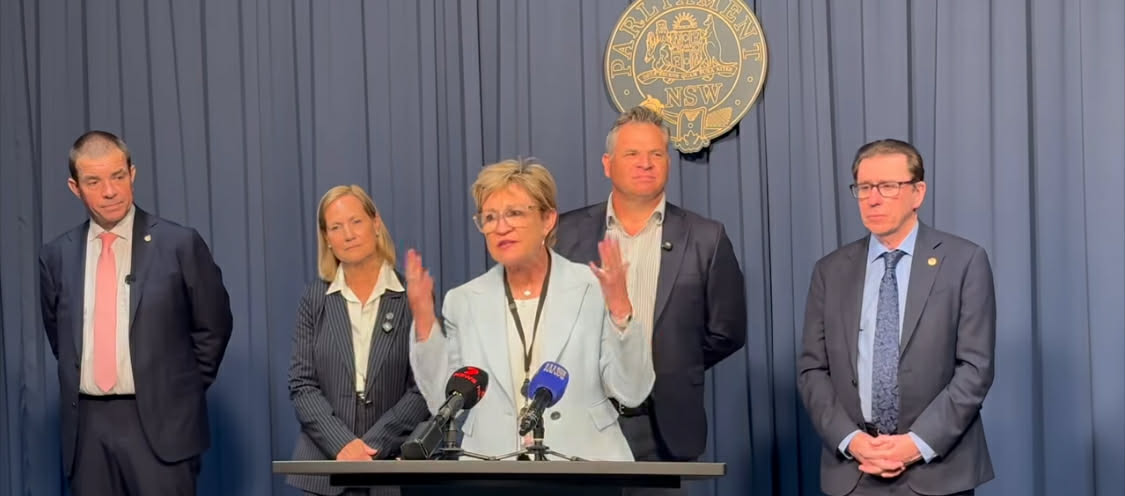
Five regional Independent MPs stood together to make a final appeal to reject the NSW government's firearms laws, which passed Parliament at 3am on Christmas Eve.
The Terrorism and Other Legislation Amendment Bill 2025 has sparked fierce opposition from regional representatives who say their communities were left out of the consultation process.
Barwon MP Roy Butler, who coordinated the opposition effort alongside Orange MP Phil Donato, Murray MP Helen Dalton, Wagga Wagga MP Dr Joe McGirr and Wollondilly MP Judy Hannan, said they were "calling for consultation and consideration, not a knee-jerk reaction."
The legislation imposes a cap of four firearms per individual, with exemptions for primary producers and sports shooters who may hold a maximum of 10 NSW Government. It also reclassifies straight-pull, pump-action and button/lever release firearms into Category C, limiting their access primarily to primary producers NSW Government, and reduces magazine capacity for Category A and B firearms to between five and ten rounds.
Murray MP Helen Dalton argued the changes ignore practical realities facing regional communities.
"There's a dangerous oversimplification creeping into this debate, and it ignores reality on the ground," she said. "People ask, 'How many firearms does someone really need?' The answer isn't a number pulled out of thin air, it depends on what that person does."
Dalton emphasised the role licensed shooters play in pest management.
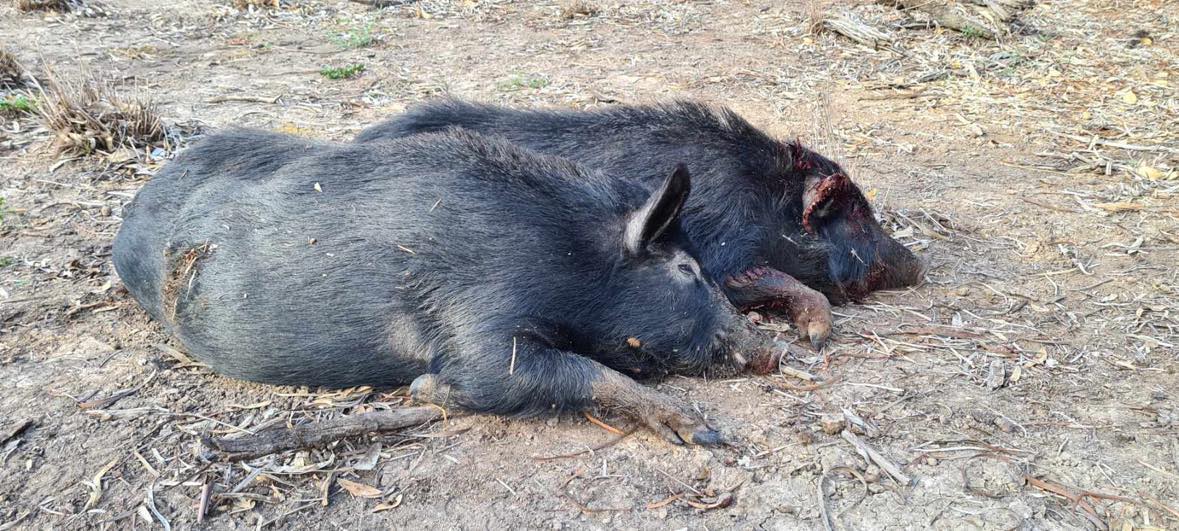
"Shooting is an Olympic sport. Different disciplines require different firearms. And in Murray, licensed shooters, including people who travel from the city, play a critical role in helping control feral pigs, goats, foxes and cats that are destroying landscapes and livelihoods," she said.
She described the scale of the problem confronting farmers.
"Right now, we are dealing with plagues of feral animals. They're eating lambs, tearing up paddocks, damaging fences, and flowing straight out of nearby national parks where control is inadequate. Without responsible, licensed shooters doing the work, the situation would be far worse."
Dalton stressed the credentials of those affected.
"These are law-abiding people. They are trained, licensed and professional. Farmers rely on them because we're not getting the help we need elsewhere.
"This isn't about recklessness. It's about reality. And if decisions like this had been properly examined, through a committee process instead of rushed assumptions, we might actually get sensible outcomes. Instead, people who are part of the solution are being treated as the problem."
Butler said the timing raised questions about the government's priorities.
"Now, don't get me wrong, we all want to keep people safe, but these laws? They're rushed, they don't fix the real problems behind that attack, and they hit regional people the hardest," he said. "Here's the kicker, these firearm licensing changes are complicated and won't even start for months. Passing it now or next year makes no difference. So why the rush?"
He outlined multiple concerns with the legislation.
"The firearms industry hasn't been consulted, regional voices are ignored, and now we've got laws that could backfire, exposing criminal intel, weakening control of hearings, and piling more work on already stretched police," Butler said, arguing the laws failed to address "the rising antisemitism, operational failures in the current licensing system, and poor intel sharing" that contributed to the Bondi attack.
Orange MP Phil Donato described the process as "by far and away the poorest governance I've seen in my 9 years of representing the Orange electorate", calling it "deeply undemocratic" and criticising what he termed "socialist ideology, and ignorance of Aussie tradition and culture, especially for people of Regional NSW."
The government defended its approach. Premier Chris Minns said the laws "got the balance right between providing police with the tools they need to calm a combustible situation, while also restricting access to dangerous weapons".
He acknowledged the significance of the changes.
"I acknowledge that these are very significant changes that not everyone will agree with, but our state has changed following the horrific antisemitic attack on Bondi Beach and our laws must change too."
Attorney General Michael Daley said the NSW government would take "whatever measures needed" to keep the community safe.
The reforms include additional measures beyond firearm caps. Gun club membership will be mandatory for all firearms licence holders, standard firearms licence terms will reduce from five years to two years, and the NSW Civil and Administrative Tribunal review pathway for licence decisions will be removed. Safe storage inspections will become mandatory before permits are issued.
A firearm buyback scheme, established in partnership with the federal government, will allow owners to surrender firearms that were made illegal or restricted by the new legislation and receive compensation. Regional areas hold substantial numbers of registered firearms, with Bathurst recording 17,026, Dubbo 15,591, Orange 13,224 and Mudgee 12,895.
The new laws are expected to come into effect in the new year when the buyback scheme begins.