Back Country Bulletin
News from the Back Country
Get it on the Apple StoreGet it on the Google Play Store
NewsSportRuralCommunityEat, Drink, Stay
Back Country Bulletin
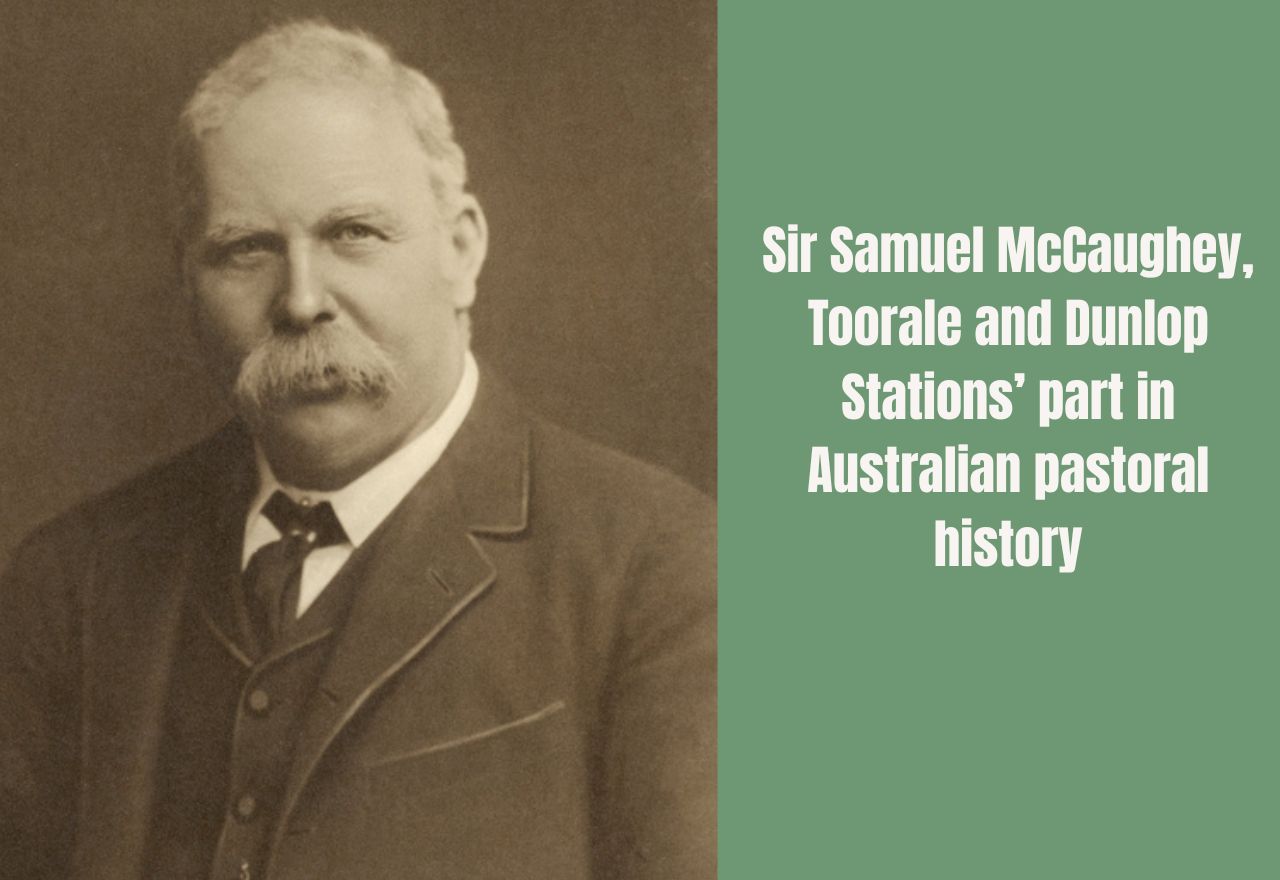
Sir Samuel McCaughey, Toorale and Dunlop Stations’ part in Australian pastoral history

10 October 2025, 8:00 PM

Located on the Darling River, Toorale and Dunlop Stations play a part in wider Australian history, having once been owned by the Sir Samuel McCaughey, who became a power figure across two sates and changed the face of agriculture in Australia.Sir Samuel McCaughey (1835-1919) was an Irish-born pastoralist, entrepreneur, and philanthropist who became one of Australia's most innovative and successful landholders. He was known as "the Sheep King" and was a pioneer in many aspects of the pastoral industry, particularly water conservation and the adoption of new technology.From Immigrant to PastoralistMcCaughey arrived in Australia in 1856 from County Antrim, Ireland, at the age of 21. He began as a station hand and, with the backing of his relatives, eventually purchased a share in Coonong Station in the Riverina region of New South Wales in 1860. Through hard work and a keen eye for improvement, he became the sole owner of the property and expanded his holdings significantly. By the time of his death, he owned or had interests in numerous stations across New South Wales and Queensland, with a total area of about 1.3 million hectares.Innovation and ModernisationMcCaughey was a visionary who regretted not having the opportunity to undertake an engineering course. He had a flair for mechanical appliances and was responsible for designing and improving many farm implements. His most significant contributions to the pastoral industry include:Water Conservation and Irrigation: He was a passionate advocate for large-scale irrigation and is often referred to as "the Father of irrigation." He built dams and extensive channel systems to bring water to his properties, particularly on his North Yanco property. His success there encouraged the New South Wales government to build the Burrinjuck Dam and the Murrumbidgee Irrigation Scheme.Technological Adoption: McCaughey was a key figure in modernising shearing practices. He introduced the Wolseley mechanical shearing machines to his properties, with Dunlop Station being the site of the first full station shearing using the new machines in 1888. He also adopted electric lighting at the Toorale Wool Scour in 1887, allowing for increased productivity through 24-hour operation.Sheep Breeding: He was committed to improving the quality of Australian sheep, developing a famous merino stud by carefully breeding stock from various sources.Toorale and Dunlop StationsIn 1880, McCaughey purchased Toorale and Dunlop stations from his uncle, Sir Samuel Wilson. He acquired Coree in 1881, later owned by his brother David. These massive properties, located on the Darling River near Bourke, were a significant addition to his landholdings. His brother, John McCaughey, was appointed manager of Toorale from 1881 to 1897. During his ownership, McCaughey implemented his innovative ideas, including the use of electric lighting and mechanical shears, making the stations centers of modern pastoralism.By National Library of Australia from Canberra, Australia - People gathered at the Dunlop Station homestead, Darling River, New South Wales.Philanthropy and LegacyMcCaughey was a generous philanthropist who never married. After his death in 1919, his estate, valued at over £1.6 million, was divided into many bequests for charitable and educational purposes. He made significant donations to institutions like the University of Sydney and the University of Queensland, leading to the creation of various professorial chairs. He also contributed to the Dreadnought Fund, Dr Barnardo's Homes, the Red Cross, and other charities. His contributions were recognized in 1905 when he was knighted.McCaughey was born on 1 July 1835 at Tullyneuh, near Ballymena, County Antrim, Ireland, the eldest son of Francis McCaughey, farmer and merchant, and his wife Eliza. After finishing school he learned accounting and office management in his father's linen business and worked on the farm.He was persuaded by his uncle to try his luck in Australia and in April 1856 reached Melbourne. To save money he walked 200 miles (322 kilometres) to the Wilson property near Horsham. McCaughey started as a general station hand but soon became overseer. According to his biography, his genial Irish humour and kindness helped him to get the best from his men and maintain their goodwill.In 1860 McCaughey's relations backed his purchase of a third share of Coonong, 42,000 acres (16,997 hectares) near Urana in the Riverina, in partnership with David Wilson and John Cochrane. Although they suffered such initial setbacks as the lack of water, McCaughey remained optimistic and in 1864 became sole owner. He brought water to Coonong by deepening Yanco Creek and building dams. In the 1860s he acquired Singorimba and Goolgumbla and by 1872 held 137,000 acres (55,443 ha). In 1871 he visited his widowed mother in Ireland and in 1874 brought out his brother David (1848-1899) to help in managing his properties.McCaughey founded his stud in 1860 by buying from James Cochrane of Widegewa old ewes descended from Tasmanian pure Saxon merinos. He later experimented with Silesian merinos from the flock of Prince Lichnowski and in 1866 with two Ercildoune rams from his uncle, Samuel Wilson. In 1873-75 McCaughey bought over 3000 rams from N. P. Bayly of Havilah, and some from Ercildoune and other well-known studs. To improve quality, he spared no expense in fencing and subdividing his paddocks. By 1883 the Coonong stud was one of the best in the Riverina. In that year, anxious to increase the weight of his wool, he bought ten Californian merinos and was so satisfied with the results that he visited America in 1886 and secured 120 ewes and 92 of the finest rams in the state of Vermont; six months later he selected 310 more Vermonts. The weight of the wool increased dramatically and for years the greasy, wrinkled Vermont sheep were invincible in shows. In 1879 only one of his stud rams had cut 16 lbs. of wool but by 1891, 200 of them averaged 30 lbs. After severe losses in the 1902 drought McCaughey returned to Peppin blood from Wanganella, but Australian sheep breeders have had great difficulty in eradicating the Vermont strain. For many years McCaughey was vice-president of the New South Wales Sheepbreeders' Association.One of the first to see the advantages of widespread irrigation, McCaughey brought out Irish labourers who did not mind wet and boggy conditions. McCaughey was frustrated in his efforts to get more water for Coonong from dams on Colombo Creek when in 1898 he and his brother were sued in the Supreme Court by six down-stream graziers. In Blackwood v. McCaughey the jury awarded £2000 damages to the plaintiff and limited the height of the dams. On 15 June the other plaintiffs were compensated with £10,000 while McCaughey paid £17,000 in legal costs. In 1900 he bought North Yanco where he constructed a complex irrigation system with some 200 miles (322 km) of channels and used two steam engines to pump water from the Murrumbidgee; his success persuaded the government to build the Burrinjuck dam which was completed in 1927. He built a magnificent mansion at North Yanco and was famed for his hospitality.In 1899 (Sir) George Reid appointed McCaughey and eleven others to the Legislative Council to secure the passage of the Federation enabling bill. He had no strong political leanings but his experience and knowledge of land were valued and he advocated large-scale immigration. He donated £10,000 to a fund for sending a bushmen's contingent to the Boer war. In 1905 he was knighted and visited Europe. He visited Louis Pasteur and tried in vain to obtain an efficient means of exterminating plagues of rabbits. As a great philanthropist, McCaughey was always ready to help people in trouble on the land. He contributed £10,000 to the Dreadnought Fund and another £10,000 to Dr Barnardo's Homes. In World War I he gave liberally to the Red Cross and other war charities besides insuring 500 soldiers at £200 each. After long suffering from nephritis, a disease of the kidneys, he died from heart failure on 25 July 1919. Unmarried he was buried in the churchyard of St John's Presbyterian Church, Narrandera. His estate was sworn for probate at over £1,600,000. Apart from bequests of £200,000 and all his motor vehicles to his brother John and legacies to his station managers and employees, he left £10,000 to increase the stipends of Presbyterian clergy, £20,000 to the Burnside Orphan Homes at Parramatta, £20,000 to Scots College in Sydney, £10,000 each to five other independent schools, £5000 to the Salvation Army and £5000 each to seven hospitals. Half the residue of his estate went to the Universities of Sydney and Queensland; the other half went to the relief of members of the Australian Military and Naval Expeditionary Forces and their widows and children.
Local history: The 1888 burial of Wilcannia's Chinese 'celestial'

10 October 2025, 7:00 PM

From the archives: Newspaper covers the 1888 traditional Chinese burial at Wilcannia.On August 31, 1888 the newspaper 'Port Adelaide News and Lefevre Penisula's Advertiser' published a detail account of a funeral that took place in the Back Country township of Wilcannia.As a town Wilcannia was in its infancy in 1888, being only formally laid out in the late 1860s.The population grew quickly thanks to the river trade, rising from just 264 in 1871 to over 1,280 by 1891 and boasted two newspapers, The Wilcannia Times and Western Grazier.The Wilcannia Times is credited as being the source of the funeral article, published in South Australia.Early on, Wilcannia had a significant Chinese community. "The Chinamen here are doing a very thriving trade, and they are extending themselves gradually, but very surely. They are taking root very firmly, especíally in the baking and refreshment line, and they seem to be patronised by everybody here. We have a China doctor, who is a "perfect cure," so people say that know all about it. Nearly all the cooks at the hotels are restaurants are Chinese; all the gardeners are Chinese to a man. We have another institution added to us in the shape of a Chinese laundry. He, the laundry man, performs his work very well, and gets paid very handsomely for it."Australian Town and Country Journal 1879Extract from the 1888 article;"A Chinaman named Tink Wah, erstwhile of Tilpa Station, where he followed the occupation of a cook, reached Wilcannia a few days ago, he being sick and, be it said, to the credit of his countrymen, was kindly received and tended to during his illness.Judging from the great provision made for his comfort after the final exit, he was likely to have a good old time of it, so long as the provisions lasted. While paying every attention to the dear departed, the wants of those cumbering the earth were not unheeded; and eau de vie, apparently somewhat inappropriate to the business in hand, was dispensed liberally. There was much praying and consumption of gold, and silver paper, prior to the removal of the corpse to the hearse, and lively discussions as to the propriety of burning a bran-new tent, or presenting it to a " barbarian " who had been watching the defunct Celestial.So far as could be ascertained, the tent did not grace the funeral fire, while all the other worldly possessions, clothes principally were, as is the custom, condemned to be burnt. The outside mourning shown was small strips of white linen, displayed at the sweet will and taste of the wearer; a mourner seated on the hearse was fully employed wafting messages, consisting of pieces of paper, which apparently went to the winds.On arriving at the grave, the coffin was placed in the usual position for lowering.This being done, various friends of the deceased placed fowl, pork, brandy, &c., at the foot of the grave. A mysterious bowl was placed at the foot of the coffin, which is said to contain some charm against evil spirits. Those at the grave were careful that no large pieces of clay should cover the coffin; sweetmeats were literally showered into the grave. After this was ended, the mourners partook of some light refreshments, and then the ceremony terminated.It may be mentioned that, while the outsiders were cheerful enough, one Celestial, a relative of the deceased, was evidently grieved at his loss, and stood apart, mourning alone."

Entries open for Children’s Week Art Competition

01 October 2025, 5:00 AM

The Advocate for Children and Young People is still accepting entries for the NSW Children’s Week Art Competition. Children’s Week runs from 18 October – 26 October 2025, with the theme based on the UNCRC Article 42: Everyone should know about children’s rights.Children and young people are invited to submit a portrait of somebody or a group of people who are a champion of children’s rights. This could be someone they know who has taught them about children’s rights, or it could be someone they admire and have learned about. The competition is open to all children and young people up to the age of 18 living in NSW. Group entries are accepted and encouraged.Entries close: Sunday, 12 October 2025How to enter: BrainstormBefore they start creating their artwork, take a moment to ask them:What right do you feel most strongly about?Why is that right important to you?Who has helped to support you to realise that right? Thinking about these questions will help them decide what to base their artwork on.CreateCreate a portrait of somebody or a group of people who is a champion of children’s rights. This could be someone they know who has taught them about children’s rights, or it could be someone they admire and have learned about. Artwork can be in the form of drawing, painting, photograph, collage, sculpture, textile work or digital illustration. AI-generated artwork is not allowed.DescribeIn 50-150 words, ask them to explain what their artwork represents including what children’s right they chose to draw and why. This description will be provided through the submission form alongside your artwork.SubmitOnce they have completed their artwork please take a clear digital picture of the artwork. Then, click on the submission form and fill in the appropriate details. Insert the picture and description of the artwork in the sections provided. Prizes There will be a 1st, 2nd and 3rd place chosen for each of the three age groups (five years and under, six-11 years and 12-18 years), with up to nine winners in total.

Wilcannia’s supermarket is at the heart of the community

30 September 2025, 8:00 PM

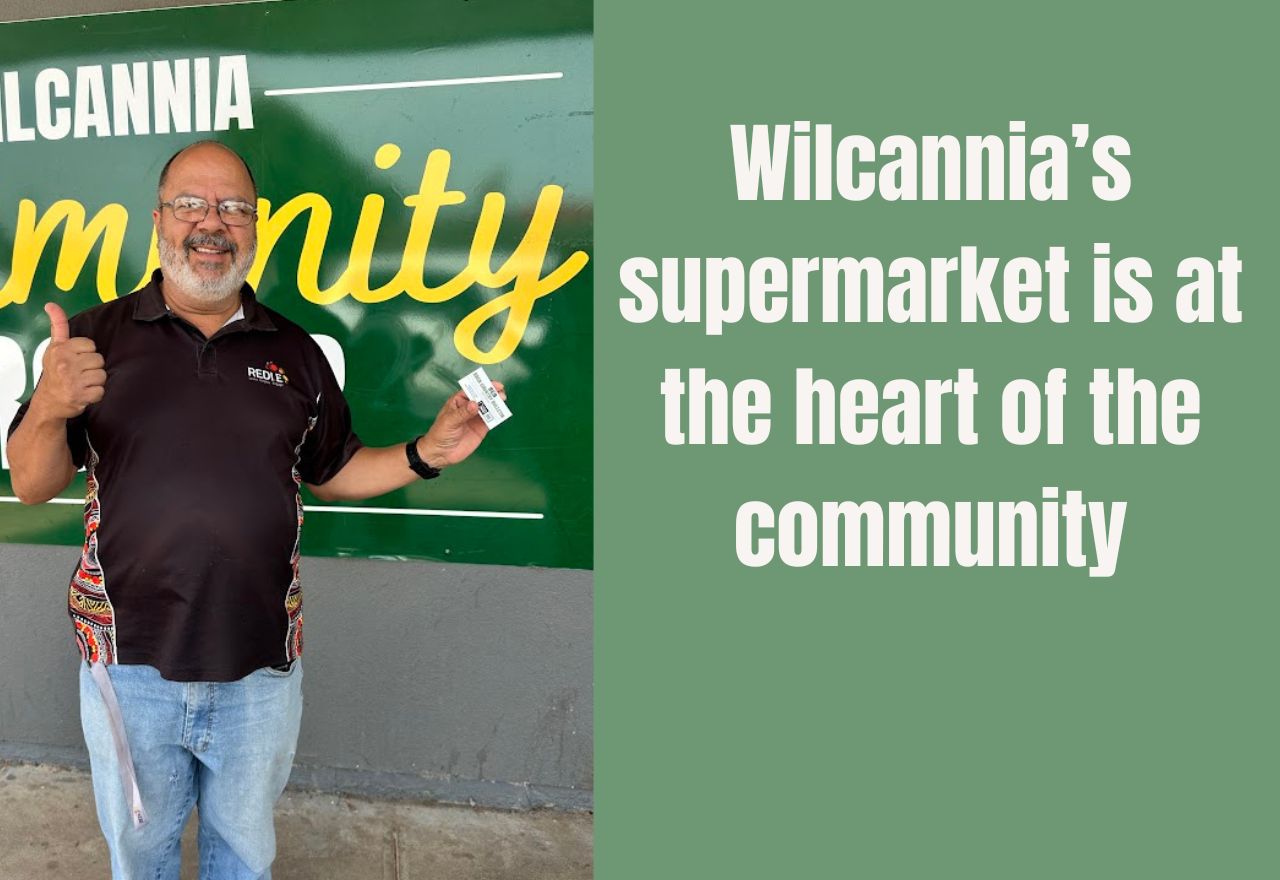
The heart of any small rural community is often the supermarket, and when Covid-19 threatened food supply, the Back Country township of Wilcannia came up with a solution.In 2022 an Aboriginal training organisation - Regional Enterprise Development Institute, known as REDI.E - purchased the town’s only supermarket.Dubbo-based REDI.E partnered with Outback Stores - a Commonwealth-owned retail company, who manage the day-to-day operations; the partnership has meant the survival of Wilcannia’s Supermarket.The alternative for Wilcannia residents is a 400 kilometre round trip to Broken Hill to the nearest supermarket.On the day I visited Wilcannia’s Community Grocer, the store was full of people coming in and out, cheerfully greeted by staff members Sophie Cridland, Brodie Newton and Jamie Currie.  I spoke with site manager Darrin Atkinson, who is originally from Melbourne, but is now enjoying the quiet lifestyle and community connections he has found in Wilcannia.“I can walk home for lunch,” he laughed. “It’s one block away.”He is proud of the impressively well-stocked and affordable supermarket in Myers Street.“The presentation of the shop; It’s that cut and polished diamond in Wilcannia that we are very proud to have.”“I can honestly say we have the freshest fruit and veg in 500 kilometres.”After extensive renovations, the store stocks fresh bread, fresh and frozen meat, and a full selection of grocery items.Darrin even showed us what he believes to be the only supermarket freezer section for kangaroo tails, popular for making kangaroo tail soup.Operating as a not for profit means the supermarket was saved from closing, provides employment for local people, and keeps the townsfolk supplied with the fresh food and grocery items the rest of us take for granted.For travellers, great nomads and regional workforces, it also provides an opportunity to stock up on stores, and is another good excuse to stop a while in Wilcannia.The store is open all day Monday to Friday and weekend mornings.

Roy's roundup - National Parks, the CDS election and Joe McGirr's Health Action Plan

29 September 2025, 10:48 PM

G’day folks, Still a chill in the morning air, but the weather is noticeably warming up, and we are moving into the final quarter of the year. After a week in Parliament, I have spent a week out on the road, and this week sees me still out on the road, hosting two ministers in the West. That will be followed by a week where I will be out on committee site visits in Narrabri and Bourke, before getting on a plane for Bougainville to work with their new parliament. National ParksIn my last newsletter I talked about moving a Notice of Motion and asking the government a question about the negative impacts of national parks on regional communities. It is an issue that I have been trying to keep before parliament, as the government continues creating new national parks, many of which are from pastoral stations in western NSW. While I acknowledge that we need to protect endangered species and fragile ecosystems, some national parks are created from thousands of hectares of land, despite only protecting areas that are a small fraction of that land. There are also concerns that little consideration has been given to the impacts on the communities where the land is being purchased to create the parks and a lack of consultation in the process. Purchases of grazing land deprive communities of the money that comes from productive agricultural land. When the land is held by primary producers, they hire workers and contractors and put money in the local economy, many also own businesses which are often closed when the landowner sells up. Despite promises of replacing this with tourism income there is rarely any investment in infrastructure for tourism and even in cases where the infrastructure has been created the parks don’t generate anywhere near enough economic activity to replace what’s been lost. The former stations are often left to become breeding grounds for feral animals, which then invade neighbouring properties through poorly maintained fences. Local councils also take a hit because National Parks don’t pay rates, despite relying on infrastructure that the council has to maintain. The government has set a target of setting aside 30% of land for national parks by 2030, which means there are still many more acquisitions to come. That is why I am conducting a survey online. I want to hear from the communities affected about what they have observed with the declaration of national parks and the changes they would like to see. All feedback collected will be used to develop potential solutions.  The must be ways to get the desired environmental outcomes without contributing to the feral animal population and impacting local economies. You can access the survey at this link - https://www.roybutler.com.au/national_parks_survey Central Darling Election On September 20 an election was held for councillors in the Central Darling Shire. At the time of writing the votes for Ward A and Ward B had not been finalised but Ward C was uncontested as there was only one candidate, Daniel Fusi from Menindee, who becomes the first councillor in the new council. The council has spent just over a decade in administration, and this is the first time in 12 years that residents in the shire have been able to elect their councillors. Three more will be appointed, but this is only a temporary arrangement, part of the transition to a fully elected council. I urge people to get behind the new council, to get involved, , to help it through this transition out of administration. I want to thank Ron Hoenig, the minister for Local Government, for his work on returning the council to some form of democratic election. Dr Joe McGirr’s Rural Health Action Plan Back in 2022 the inquiry into Health outcomes and access to health and hospital services in rural, regional and remote New South Wales, handed down its findings. It identified some serious problems with the health system in regional areas, and gave 44 recommendations, some of which have since been implemented, but there is still a long way to go. My parliamentary colleague Dr Joe McGirr is chair of the Chair of the NSW Legislative Assembly Committee on Remote, Rural and Regional Health, which has conducted inquiries looking into the ongoing implementation of the recommendations of that report. The inquiries showed that, while some progress has been made, the progress is slow, and NSW Health has shown a “lack of urgency” despite acknowledging the problems with the health system. In the September sitting weeks Dr Joe launched his Rural Health Action Plan to move along the stalled process of fixing the health system. It is a commonsense plan that will be focusing on some of the waste under the current system, including the reliance on expensive short-term solutions like fly-in fly-out doctors, which is costing $270 million a year. I will be giving the plan my full support. There are six main points to Joe’s plan: Every town should have access to a known and trusted GP - flexible, team-based models and train a local workforce, a doctor from a larger town might serve several smaller communitiesBirths closer to home - the restoration of rural maternity services More reliance on local staff rather than fly-ins, the millions wasted on locums can be better spent elsewhereLocal voices local power- better community consultation on local healthThe appointment of a dedicated rural health commissioner One integrated system with medical services working together To find out more and to pledge your support go to https://joemcgirr.com.au/rhapRunning On Empty Festival On any given weekend there are dozens of festivals, openings, or other events happening around Barwon. I can’t get to all of them, but fortunately, sometimes, my schedule allows me to get to an event like the Running on Empty Festival at Cobar. As a long-time revhead, this is one festival that is close to my heart. Held every two years since the first one in 2018, it was inspired by the cult 1982 Australian film Running on Empty, starring Terry Serio, Deborah Conway, Richard Moir and Max Cullen. In the 43 years since it premiered it has grown a huge following, particularly among lovers of modified classic cars. There was a screening of the film at the Cobar Bowling and Golf Club on the opening night of the festival. Special guests were the director John Clark and Terry Serio. When the film came to an end, the audience was asked if they wanted to watch it again – the answer was a resounding “yes.” The centrepiece of the festival was the Show n’ Shine the next day. This was a gathering of cars from all around the country, to be displayed in all their glory. The cars ranged from some vintage masterpieces through to more recent classics. I had the honour of selecting a car for a “judge’s choice” award. I gave the prize to a very cool 1968 HK Holden wagon owned by local bloke Luke Griffiths. What I liked about the car was that it had some modern modifications but preserved the patina and the original bodywork. Even better Luke also still drives the car every day. The value of events like this cannot be overstated. They bring the community together as well as drawing in people from out of town who spend money at the pubs, cafes and shops, boosting the local economy. Congratulations to John De Bruin and his team from Dustbowl Fuel Burners for such a successful event. I look forward to many more to come. Amenities block at Warren While on the road I had the honour of officially opening the new amenities block at Victoria Park in Warren, representing the Minister for Sport, Steve Kamper MP This amenities block is specifically designed to accommodate female sportspeople. Women’s sport is growing all the time in Barwon, so it is good to see the government investing in the future of women’s sport. The block was built at a cost of $702,500, paid for partly by a $500,000 grant from the Female Friendly Community Sport Facilities and Lighting Upgrades Program. The new facility is designed to provide dignified inclusion and accessibility for everyone using the local sporting fields, including participants with a disability and first nations people. The builder Nathan O’Neill was there on the day as was local artist Peter Mackay, who has decorated the amenities block with vibrant indigenous artworks. This is a facility the community can be proud of and will last a long time. I want to thank Warren Shire Council’s Mayor Greg Whiteley, GM Gary Woodman and the Warren community for the invitation to the opening. Good news on weirs There was some good news announced this week regarding plans for fishways at Louth, Tilpa, Banarway and Calmundi weirs. The government has heard the concerns of the communities of Louth, Tilpa, Walgett and Collarenebri about the potential effects on their water supply and has reviewed their designs for the fishways, so they will now have no impact on local weir heights. The work that will be done to install the fishways will also involve repairs that will fix the leaks in the weirs to reduce water loss. Memories of the last devastating drought are still fresh in the minds of these communities, and it is understandable that they were concerned about water security. The new plans take into account both water security and the importance of fish passages. This is a good example of where the people have voiced their concerns, which I was able to bring to the attention of the Minister for Water, Rose Jackson, and the Minister acted by conducting a series of community consultation sessions to better understand the impact of their original plans. I want to thank the minister for taking the time to come out west and meet with concerned residents, producers and businesses in the areas affected and working on a better solution. Burren Junction Flower ShowBurren Junction CWA held its Flower Show and Market Day on Sunday September 21 at the Burren Junction School of Arts Hall. I was in another part of the electorate at the time, so I was unable to make it, but two of my team were there and they say that it was a lovely day, there was great weather, it was well attended and there were some stunning displays of flowers, artwork and photography.Also on display was the Heavy Vehicle Rescue Platform that I donated to the Burren Junction VRA Rescue/Rural Fire Service. The platform will be part of the new rescue truck upgrade that will increase their capabilities during rescue missions.Events like this really bring people together and provide an opportunity to showcase some of the skills and talents of the local community.I also want to give my thanks to the CWA for organising the event and to Cam Holcombe of the VRA, Caitlin Taylor of the RFS and Steve Gardiner of the VRA for the great work they do for the region.

Hillston Hogs host a seas of white for a good cause

23 September 2025, 8:30 PM

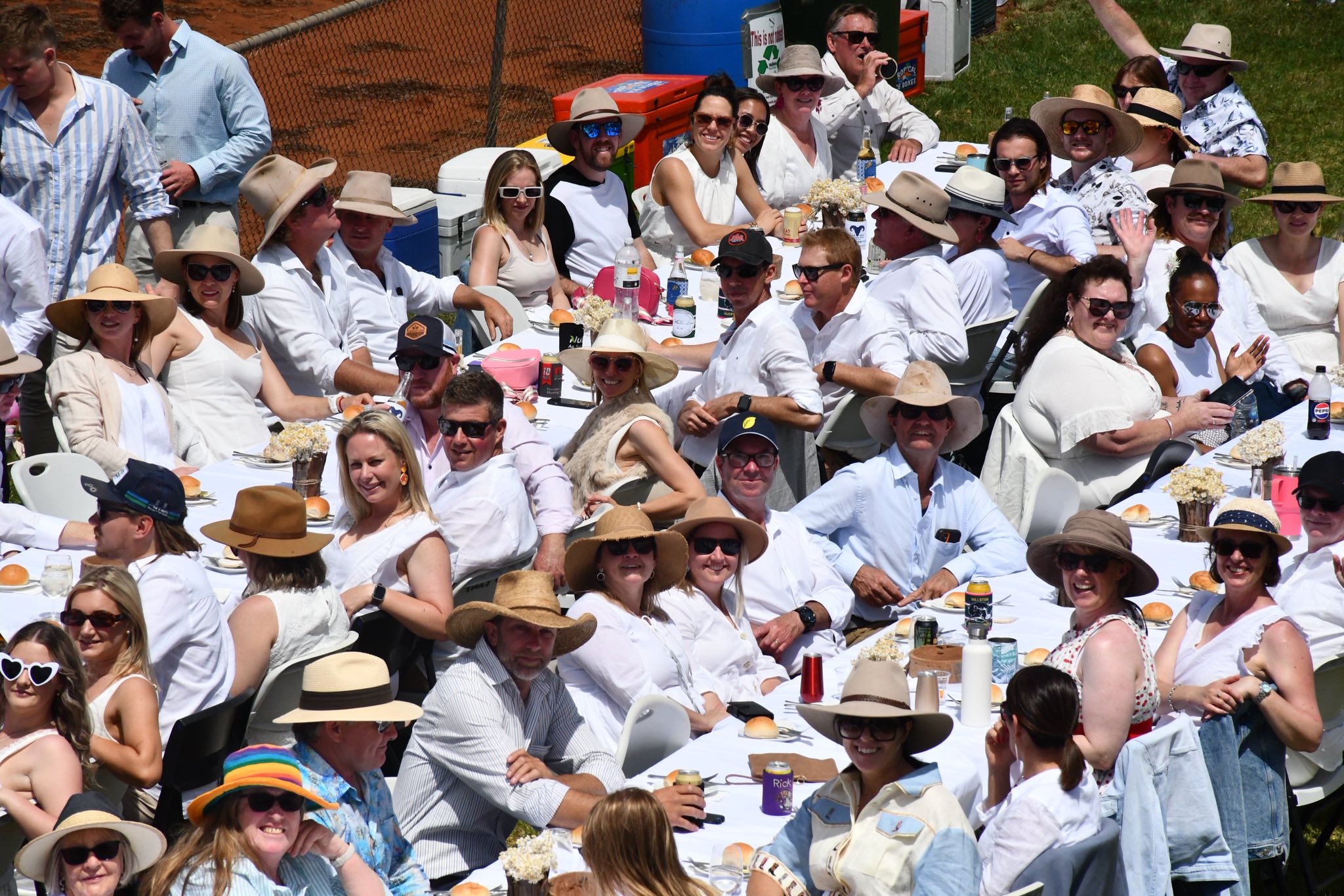
On Saturday 18 October, Hillston Racecourse will swap horses for hospitality as the Hillston Hogs Rugby Club hosts its annual Long White Lunch a relaxed, music-filled day that’s become one of the town’s most talked-about events.What started three years ago as a stop-gap fundraiser after the Hogs’ traditional February charity match against the Hay Cutters was washed out by floods has blossomed into a much-loved social occasion.“We wanted something that still brought people together, even if we couldn’t play footy,” says organiser Stacey Storrier. “The Long White Lunch does exactly that and raises money for an organisation that really makes a difference.”This year, the sprawling lawns of the racecourse will be dotted with tables and white bunting as guests aged 18 and over arrive dressed in their best whites. A three-course lunch will be served under the spring sky, with BYO eskies keeping drinks cool.Between courses, there will be auctions, games and plenty of mingling before the afternoon slides into an open-air dance floor with live tunes from crowd favourite The Mighty Yak.But behind the fun is a serious purpose. All proceeds from the day go to Can Assist Hillston, which in the past year alone distributed more than $40,000 to locals and their families living with cancer.The assistance covers accommodation, travel and medical expenses a lifeline in a region where specialist treatment often means long journeys and weeks away from home.“A cancer diagnosis is hard enough,” says fellow organiser Belinda Mulcahy’s. “Knowing there’s financial help available can take a huge weight off people’s shoulders.”The Hogs are urging people to rally their friends, secure tickets early! As only 200 tickets are available and get into the spirit.“Come dressed in as much white as you can, pack your esky, hop on the courtesy bus from town and be ready to enjoy a beautiful lunch with great company,” Emma Laird says.“It’s a day where everyone wins, you have fun, and you’re supporting neighbours who need it.”Final numbers are needed by Sunday 12 October for catering, so ticket buyers are encouraged not to leave it too late. Raffle tickets and donations are also welcome.Tickets and information are available through Stacey Storrier, or via the Hillston Hogs Facebook page. Ticket link is https://www.123tix.com.au/events/49607/2025-hillston-long-white-lunch

Fire Season Approaches: Permits, Preparation and People Power Needed

18 September 2025, 2:00 AM

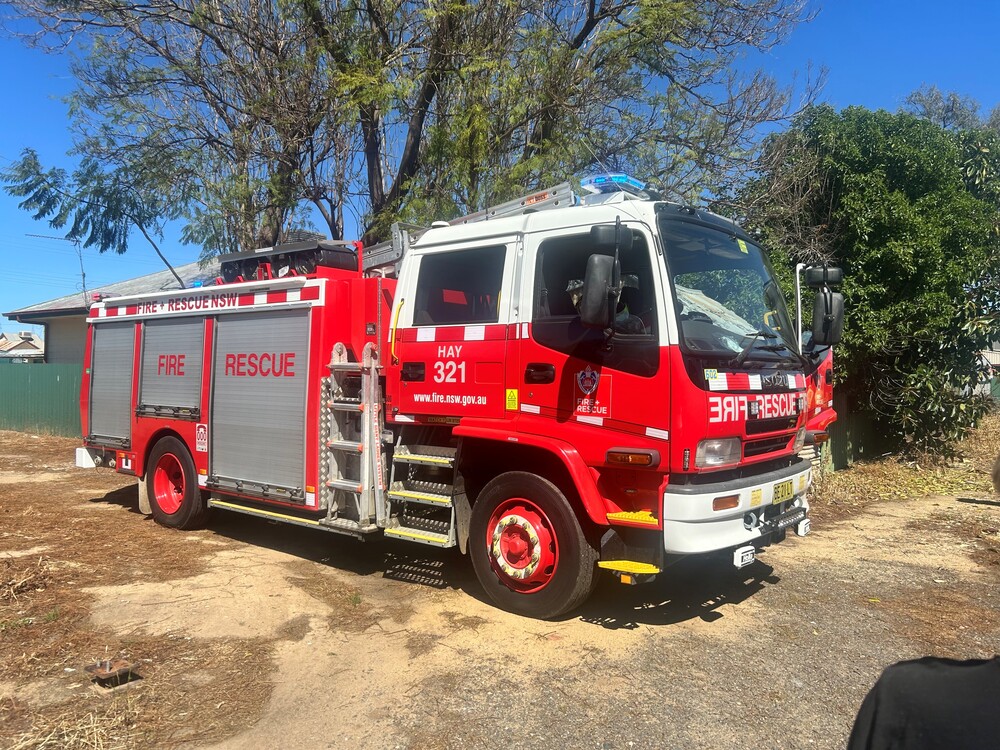
Community urged to act early and stay fire wiseWith October fast approaching, the Murrumbidgee Irrigation Area (MIA) District is gearing up for the official start of the Bush Fire Danger Period — and local fire authorities are calling on residents to act now.From October 1, Fire Permits will be required across the MIA District, which covers Hay, Griffith, Leeton, Narrandera, Murrumbidgee and Carrathool Local Government Areas. The MIA Rural Fire Service (RFS) is urging residents to complete planned burns — such as clearing fallen branches, pruning gardens, or reducing weeds and grasses — before the permit season begins.“Now is the time to start burning,” the MIA RFS warns. “A reminder that notifying both the RFS and your neighbours of planned burns at least 24 hours in advance is mandatory, with fines of $1100 applying for failure to notify.” Notifications can be made online at www.rfs.nsw.gov.au/notify or by calling the MIA District Office on 02 6966 7800 during business hours.Preparing for a High-Risk SeasonHay HQ Group Captain Neil Headon says that while conditions may appear safe now, the combination of lush spring growth and a predicted dry summer is cause for concern.“Even though everything is green and damp, now is the time to get ready for the upcoming bushfire season,” he said. “The forecast points to a wet spring, but that will be followed by a hot, dry summer with storms and high winds that could produce fast-moving fires.”Last season saw multiple ignitions sparked by storms, and this year could be no different. Headon advises landholders to:Establish and maintain firebreaks through ploughing, grading or spraying.Graze or clear around homesteads, sheds and haystacks.Service firefighting equipment, ensuring pumps, tanks, hoses and nozzles are in working order.Mark static water supplies with RFS signage to make them easy for crews to locate.Update Farm Fire Plans and Bushfire Survival Plans so all family members know what to do.Wear protective clothing made from cotton or wool and check insurance coverage.“Be fire wise around the home and farm,” he added. “Check vehicles and machinery for grass build-up, keep areas around power poles clear, and always carry extinguishers.”Volunteers Needed in HayAlongside physical preparation, people power remains a crucial factor. The Hay Headquarters Brigade, which provides key backup and resources across the shire, is calling for urgent new members.“Like many other volunteer organisations, our numbers are declining due to age, family and work commitments,” Brigade Secretary Neil Headon said. “We are urgently seeking new members. You can give as much or as little time as you can provide.”Not all roles involve frontline firefighting. Volunteers are also needed to support crews with food, water and equipment. Training and protective gear are supplied free of charge.For more information or to join, locals are encouraged to contact Captain Jesse Thomson or Secretary Neil Headon (0428 385 449) directly, or apply online via the RFS website. Brigade Contact -  6993 4213The Bottom LineWith Fire Permits set to begin on October 1, the message from the RFS is clear: prepare early, reduce risks, and consider joining your local brigade.As Headon summed up: “All large fires started out as small ones. The quicker we can respond, the better chance we have of protecting our community.”

Back to Clare Country Event - back after 26 years

17 September 2025, 10:53 PM

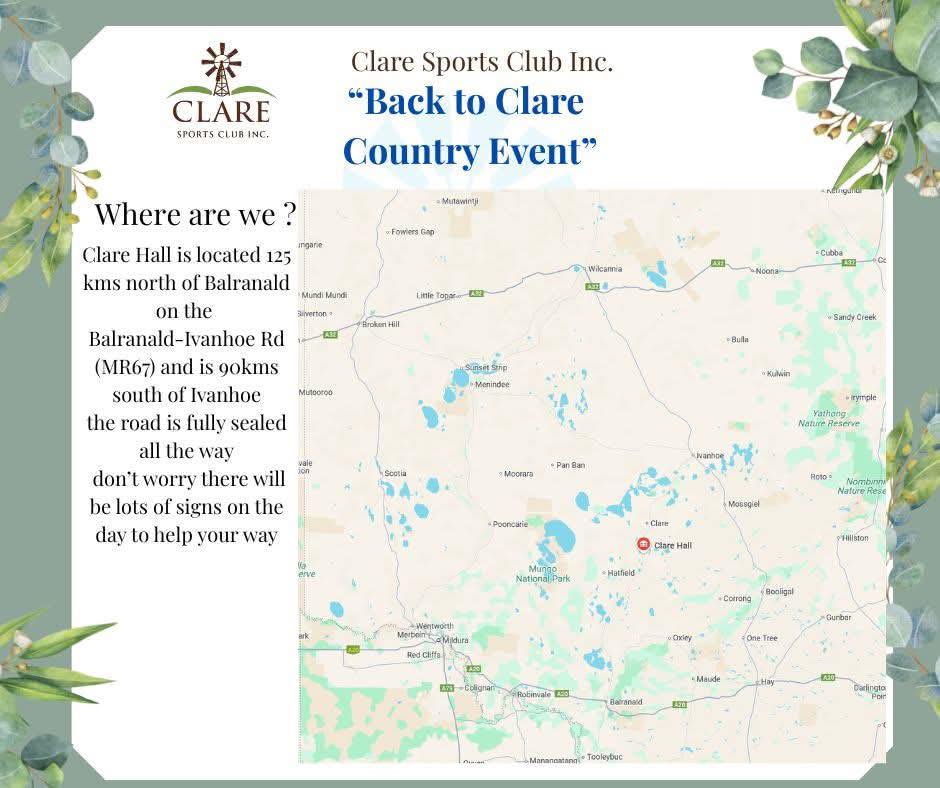
After 26 years, Clare Hall is once again set to host an event of the highest caliber. Thanks to the commitment and vision of the Clare Sports Club committee, the idea has evolved from a casual conversation 18 months ago into a fully‑fledged community celebration. With strong local support, stakeholder involvement, and valued sponsorships, this exciting event is now a reality. The 2025 program will feature both a Bikekhana and a Gymkhana, bringing a unique blend of tradition and innovation to the Clare community. Competitors and spectators alike can expect an atmosphere of excitement, filled with friendly competition and plenty of country spirit. Registration for bikekhana and gymkhana events are closing on the 25th September so jump onto the Facebook page to scan the qr codes for registration, it’s only $35 to enter for the day. For those who prefer to join in the fun without competing, novelty events will provide entertainment and opportunities for connection as the day winds down into the evening. For those wishing to mix the excitement of watching competitors and shopping there will be an array of stalls available on the day that cater for all. Located just 130 km from Balranald on the sealed Ivanhoe‑Balranald Road NSW (MR67), Clare Hall is easily accessible for all visitors. Food and refreshments will be available throughout the day, provided by dedicated volunteers and proudly sponsored by Tronox Mining Company. The evening will conclude with a hearty roast dinner buffet and live entertainment by DJ Ash from Phoenix Entertainment, proudly supported by Iluka Mining Resources. Watch the Clare promo videoThe Clare Sports Club extends its gratitude to the many sponsors for wishing to be part of this milestone occasion, whose generosity has made this event possible:Corporate sponsorsIluka Resources LTDTronox Mining Australia LTDBalranald and Wentworth Shires through joint partnership funding through the Drought Resilience FundMajor SponsorsDR & AJ Parker Livestock TransportReddas outback concreting and carpentry, Reddas outback mobile concrete batchingPastoral panelsHay Plains LivestockMinor sponsorsMcKeon & McgregorKelleen dorper and white dorpersTupra Pastoral CompanyMPW Contracting Pty LtdMildura finest quality meatsBelinda Evans ElectricalBR&C AgentsRemote Area Maintenance ServicesSmall SponsorsClare PartnershipT&C InsuranceStead ShearingNational Australia BankFox and Lillie RuralCarey ContractingRay & Marie Scott & family-Belgium Park StationShrydec FabricationJohnsons Truck CentreWild Game Innovations AustraliaFred Milthorpe memorial- Abbotsford Pastoral CoC & C Burges Shearing

Final Weekend to Capture Western NSW's Beauty in Photography Contest

16 September 2025, 11:00 PM

Amateur photographers have just days left to enter a prestigious competition offering $6,000 in prizes for showcasing the region's unique character.The Life and Light Photography Competition closes at noon this Sunday, 21 September, with Western Landcare NSW urging last-minute entries from across the Western Region.This year's theme, "Through Our Eyes – Life, Land & Light in Western NSW," challenges photographers to reveal what makes the outback special—from sweeping landscapes to intimate moments of rural life."Whether it's that perfect golden sunrise over the plains or a candid snapshot of country living, we want to see Western NSW through your eyes," said competition organisers.Two Decades of Visual StorytellingThe competition has spent more than 20 years celebrating regional photography, building a reputation as the premier showcase for emerging talent across western New South Wales.Judges assess entries on creativity, technical excellence, and how well images capture the competition's spirit. Winners don't just receive cash prizes—their work features in exhibitions, digital galleries, and community events throughout the year.The initiative has become a cornerstone for fostering community pride while giving local photographers a platform to share their vision of life in the region.Strong Industry SupportThe competition's success relies on partnerships with major regional stakeholders. Aurelia Metals leads the sponsor group alongside Western Local Land Services and Cobar Shire Council, whose backing ensures the event continues growing each year.This collaborative approach reflects the competition's role in bringing together diverse parts of the western NSW community around shared appreciation for the region's natural and cultural heritage.How to EnterPhotographers can submit entries through the official Life and Light Photography Competition website, where full guidelines and previous winners are available for viewing.The tight Sunday deadline means interested participants need to act quickly to avoid missing out on what has become the region's most anticipated photography event.Media contact: Kelly Lawson, Western Landcare NSW - 0401 067 181 or [email protected]

Housing development gets green light despite neighbour objections

14 September 2025, 8:00 PM

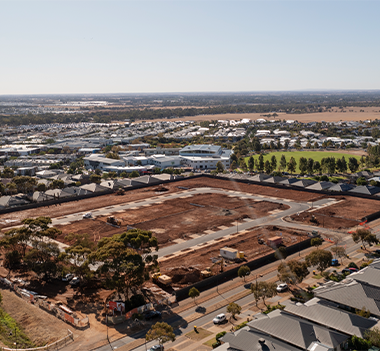
Griffith City Council has approved a controversial housing development in Collina, despite strong objections from local residents who labelled the proposed buildings an "eyesore."Businessman Rodney Salvestro of Salvstro Enterprises will construct a two-storey, four-dwelling housing complex on vacant land at 6 Antonio Place, near Ted Scobie Oval and Scenic Hill. The development includes two three-bedroom and two four-bedroom houses within a single structure.The development application was referred to councillors for decision after neighbours submitted formal objections raising concerns about excessive shadowing, loss of privacy, and the building being out of character with the surrounding area."There are no other two-storey buildings in the immediate area, making these units out of character for the street and an eyesore," one objector wrote in their submission. Residents also worried about increased parking and traffic congestion.However, Council's development assessment team recommended approval, stating the proposal met all applicable planning controls relating to height, bulk, scale, privacy, solar access, and parking requirements.Councillors unanimously voted in favour of the development at their recent meeting."I understand the concerns of the neighbours and their objections, but I'm pleased to see they've been addressed by our staff," Deputy Mayor Anne Napoli said. "This is a great investment in our community because we do need housing. I'd like to encourage more development and we are supporting developers."The applicant's representative, Martin Ruggeri, told the meeting that the development had been designed to provide all required parking and more on-site.Construction is expected to commence following the fulfilment of development conditions.

Toorale Station - Henry Lawson to National Park

13 September 2025, 5:00 AM

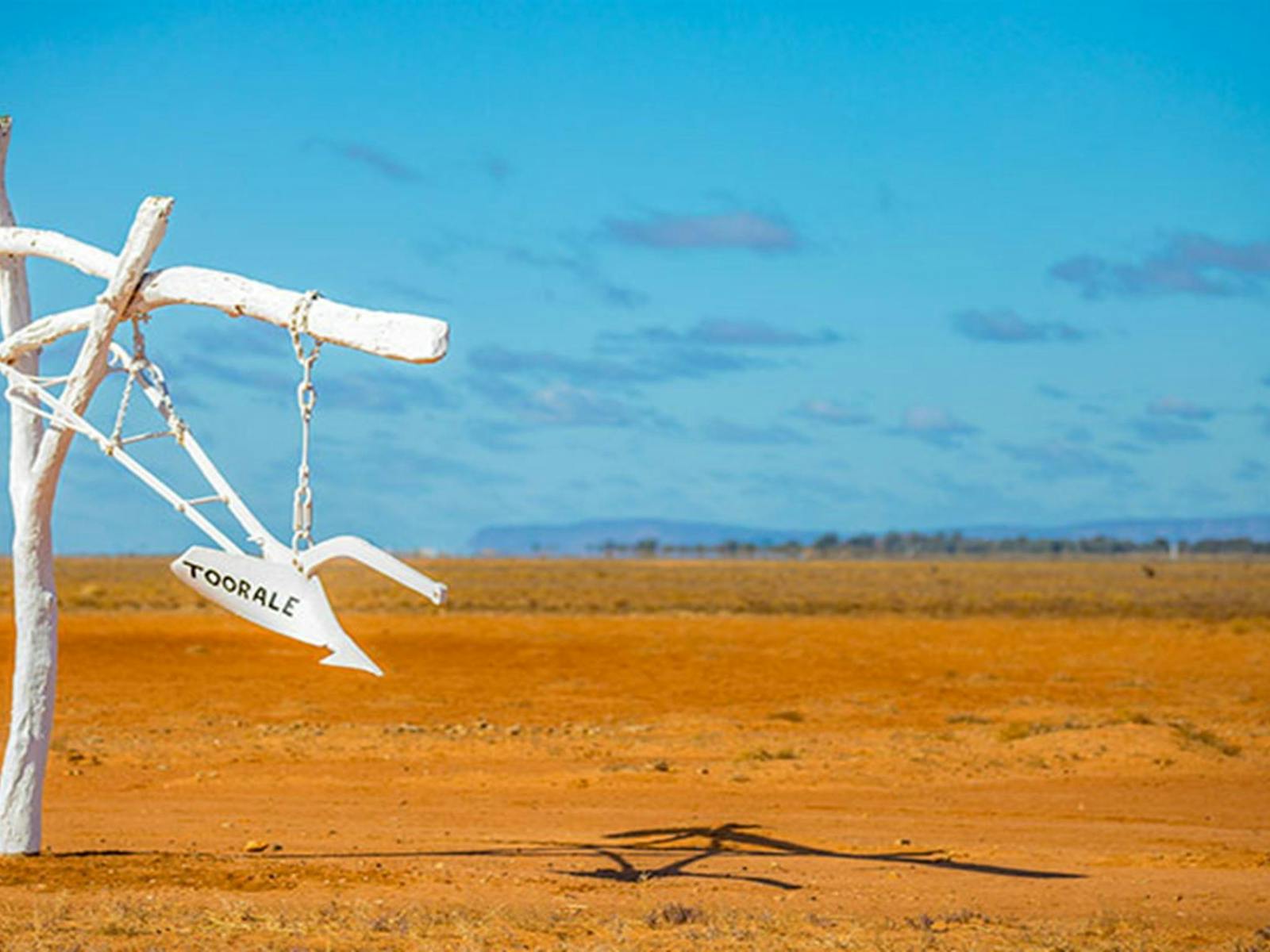
Toorale Station, located at the junction of the Warrego and Darling rivers in north-west NSW near Bourke, is a former pastoral property that has been transformed into Toorale National Park and State Conservation Area. Its story is a fascinating blend of pastoral history, significant Aboriginal heritage, and modern conservation efforts.By National Library of Australia from Canberra, Australia - "Flooded out!", a homestead lease on Toorale Station, Darling River, New South Wales 1886Cultural and Environmental SignificanceToorale is a place of immense importance to the Kurnu-Baakandji Traditional Owners. The land, water, plants, and animals are central to their culture, and their ongoing connection to Country is maintained through a joint management program with the NSW National Parks and Wildlife Service. There are over 500 known Aboriginal cultural sites on the property, including scar trees, stone arrangements, and burial sites, which demonstrate thousands of years of occupation.The property's natural environment is equally significant. Situated in a Australia’s quintessential boom and bust landscape, Toorale comes to life after rain and flooding. The Warrego River's vast Western Floodplain wetland provides vital habitat for a wide array of birds, frogs, fish, and native vegetation, including nationally threatened species. The conservation efforts are aimed at supporting this unique ecosystem, which is otherwise absent from the surrounding semi-arid landscape.A famous Toorale roustabout – poet Henry LawsonToorale holds a place of literary and historical significance, with the famous Australian poet Henry Lawson working there as a roustabout in the 1890s.Henry Lawson's time at Toorale Station in the 1890s was a pivotal period in his development as a writer. While he may not have written all of his most famous works on the station itself, the experiences he had there, and in the surrounding region, profoundly influenced his poetry and short stories.The Journey to TooraleIn 1892, a young Henry Lawson was struggling to make a living as a writer in Sydney. The editor of The Bulletin, J.F. Archibald, recognized his talent and paid for his train fare and some living expenses to travel to Bourke, with the hope that the experience would inspire him to write more about bush life.Lawson's journey took him to the far west of NSW, where he experienced firsthand the harsh realities of the Australian outback—a stark contrast to the romanticised bush ballads of his poetic rival, Banjo Paterson. After spending some time in Bourke, Lawson and a mate walked to Toorale Station, where they worked as roustabouts in the massive woolshed.The Influence of His Time at TooraleWorking as a roustabout—a general labourer in a shearing shed—Lawson was immersed in the world of itinerant workers, shearers, and bushmen. This experience gave him a deep understanding of their lives, their struggles, and their unique character.While at Toorale, and during his subsequent travels in the region, he gathered the raw material that would become the foundation of his most powerful and realistic work. He saw the effects of drought, the back-breaking labour, and the poverty that many bush workers faced. These observations fuelled his writing, giving it an authentic and often sombre tone.Writing from the ExperienceWhile it's difficult to pinpoint exactly which works were written on the station, it is clear that his time there directly inspired several pieces."When the Ladies Come to the Shearing Shed": Some sources suggest that Lawson may have written this poem while working at Toorale. It captures the humor and awkwardness of a visit from city folk to the rough-and-tumble world of a shearing shed, a scene he would have witnessed firsthand."The Drover's Wife": Although this iconic short story was written after his bush travels, the raw, gritty reality of a woman's life on an isolated selection is a direct result of the observations he made during this period.His work in general: The experience at Toorale helped Lawson define his perspective on the bush. He became known for his realistic portrayal of hardship and the resilience of the Australian people, which was often in direct opposition to the more romanticized versions of bush life popular at the time. His time at Toorale was a critical element in the development of his distinctive literary voice.Lawson's time as a roustabout was relatively short, but the experiences he gained were immeasurable. They gave him the authority to write about the bush from a place of genuine understanding, cementing his legacy as one of Australia's most important literary figures.From pastoral powerhouse to protected landToorale Station operated as a pastoral lease for over 130 years, beginning in the mid-19th century. At its peak, it was one of the legendary giant sheep and cattle stations that dominated the lands along the Darling River. The station was known for its innovative infrastructure, including perhaps having Australia's first shearing shed with electric lighting. Toorale Station holds a unique place in Australian pastoral history as one of the first properties to embrace new technologies, particularly in its shearing operations. While there is some debate about whether the shearing shed itself was the very first in Australia to have electric lighting, it is definitively known that the station was an early adopter of this groundbreaking technology.Historical records indicate that electric lighting was first used on a sheep station in Australia at the Toorale Wool Scour in 1887. This was a significant step forward, allowing workers to process wool around the clock, increasing productivity.The station's owner at the time, Sir Samuel McCaughey, was a visionary pastoralist and a pioneer in agricultural innovation. He was a key figure in the introduction of both mechanical shearing and electricity to the Australian pastoral industry. It is important to note that Toorale's sister station, Dunlop, is often credited with having the first successful season of shearing with the new Wolseley mechanical shears in 1887, with Toorale introducing them the following season. This highlights a period of intense technological advancement across McCaughey's properties.In 2008, the Australian and NSW governments jointly purchased the 91,000-hectare property to protect its outstanding environmental and cultural values. A key part of the acquisition was the water entitlements, which were transferred to the Commonwealth Environmental Water Holder to return water to the Darling River and its downstream environments. This action also aimed to restore natural flows to the Warrego River's Western Floodplain, a critical wetland habitat. Since the purchase, dams and other water infrastructure on the property have been modified or removed to improve river connectivity and fish passage.Visiting TooraleNowadays, Toorale National Park and State Conservation Area is a destination for travellers seeking to experience the outback's rich history and stunning natural beauty. It's a great place for:Self-guided tours: Visitors can explore the heritage-listed Toorale Homestead precinct, which includes the grand homestead and its outbuildings, and learn about the station's pastoral past.Birdwatching: The park's wetlands are a haven for birdlife, especially after rainfall, with sightings of ibis, spoonbills, pelicans, brolgas, and other species.Camping: Riverside camping is available at the Darling River campground (Yapara Paaka Thuru), offering a chance to enjoy the vast outback skies and starry nights.Scenic Drives and Walks: The park offers a 41km loop drive and various walking tracks to take in the red sand hills and floodplain views.Aboriginal Culture: Guided Discovery tours are available to learn about the culture and heritage of the Kurnu-Baakandji people and the region's bush tucker.It is recommended to visit during the cooler months between April and September. Visitors should be prepared with their own food and water, as the roads can become impassable after rain, and some areas may require a 4WD.Image: NSW National Parks & Wildlife

Dementia now leading cause of death for Australians

13 September 2025, 2:00 AM

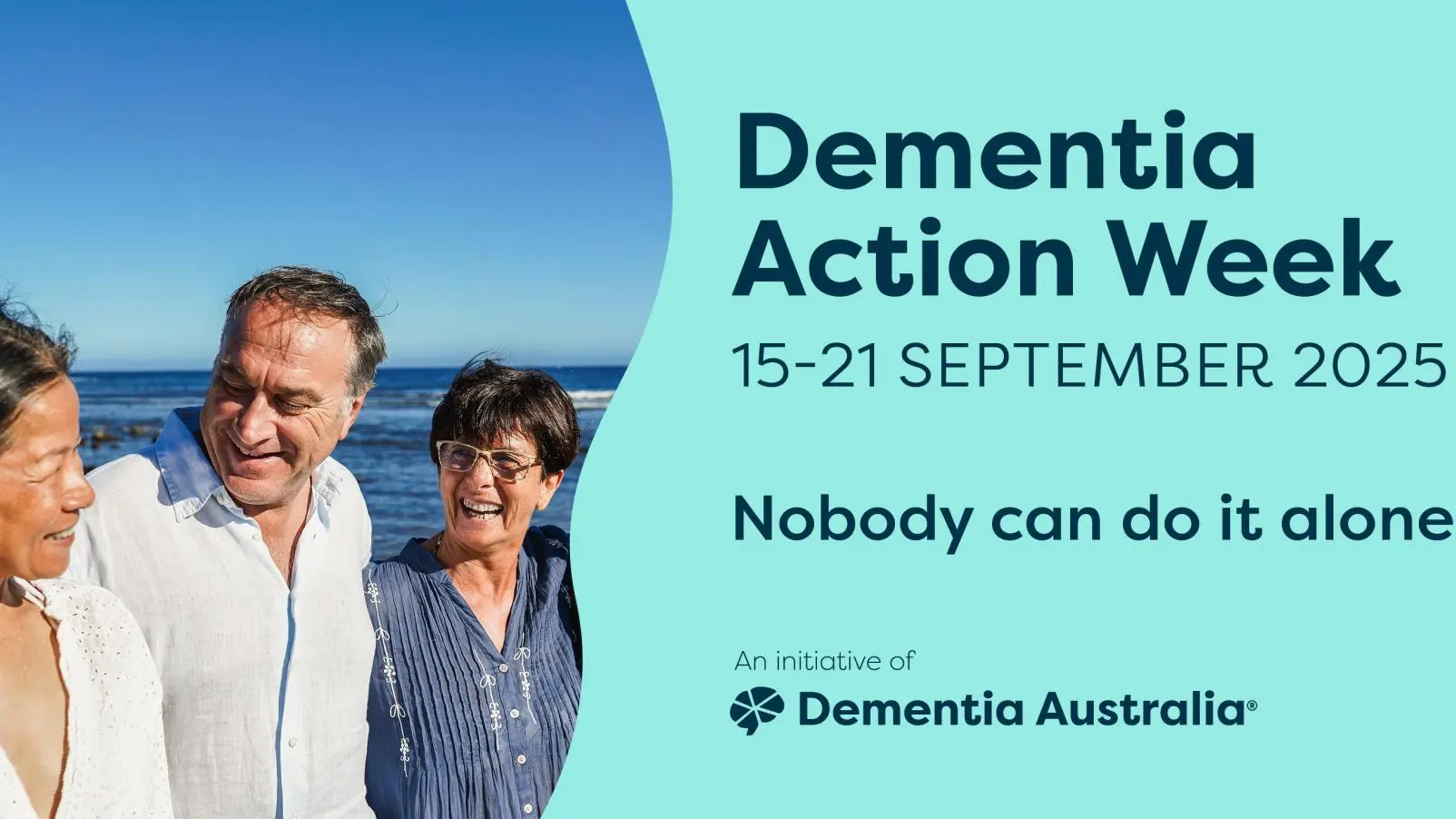
Dementia is now the leading cause of death for Australians, according to the latest update of the Australian Institute of Health and Welfare’s (AIHW) Dementia in Australia report.  The update, which was released this week, also found that without a significant intervention, the number of Australians living with dementia will exceed 1 million by 2065.Dementia Australia CEO Professor Tanya Buchanan said the report, released in the lead-up to Dementia Action Week (15-21 September), reveals the enormous impact dementia has on Australian families. “These figures highlight just how many families are impacted by dementia across Australia. Most of us know someone who is or has been impacted by dementia,” Professor Buchanan said.“People affected by dementia often tell us that friends and family drift away after a diagnosis, because they are unsure of how to interact.  “That’s why the theme for this year’s Dementia Action Week – which starts on Monday 15 September - is ‘Nobody can do it alone’.We are challenging Australians to reconnect with someone impacted by dementia to help combat the high levels of social isolation many experience.” Dementia Australia Dementia Advocate Lil Mirtl, who lives with dementia, said the report highlighted how important it was to act now to provide the support and services for people living with dementia.  “We don’t have time to feel uncomfortable or awkward about these conversations about dementia – we need to have them now.”“We have to pull together as a community to do this. We can’t do it alone as individuals, the government can’t do it alone, we need to all act together.” The update to the Dementia in Australia report also revealed that 43 per cent of the dementia burden in Australia can be attributed to six modifiable risk factors: being overweight or obese, physical inactivity, high blood sugar, high blood pressure in midlife, smoking and impaired kidney function."With dementia now the leading cause of death for Australians it is more pressing than ever that the federal government commit to funding a national conversation on dementia to raise awareness and promote brain health at all ages,” Professor Buchanan said. “By taking a comprehensive approach to addressing dementia, we can reduce the impact of dementia into the future. With aged care across the country already under pressure, and the number of people living with dementia expected to exceed 1 million by 2065, we simply cannot afford to wait. We call on the government to take decisive action. People living with dementia, their families and carers are depending on us to do this right, and to do it now.” Visit dementia.org.au/dementiaactionweek to access a range of resources and information to support Australians to reconnect with someone impacted by dementia.  

61-80 of 297
Back Country Bulletin
News from the Back Country

Get it on the Apple StoreGet it on the Google Play Store