Back Country Bulletin
News from the Back Country
Get it on the Apple StoreGet it on the Google Play Store
NewsSportRuralCommunityEat, Drink, Stay
Back Country Bulletin
Bridging the distance: how ICPA Balranald Branch champions rural education

31 August 2025, 5:00 AM

For 51 years, the Isolated Children's Parents' Association (ICPA) Balranald Branch has been the quiet achiever of rural education advocacy, working tirelessly to ensure distance doesn't determine destiny for children in remote New South Wales.Established in 1973, this volunteer-driven organisation embodies the resilience and determination that defines rural Australian communities. With 114 branches operating nationally, the ICPA represents thousands of families facing the unique challenges of educating children in isolated areas, but it's at the local level where their impact truly shines.One of the branch's most significant recent victories has been successfully advocating for a mobile phone tower near Clare Public School. In an era where online learning and digital connectivity are essential educational tools, this achievement represents far more than improved reception, it's about ensuring rural students aren't left behind in an increasingly connected world.The COVID-19 pandemic highlighted just how critical this connectivity is, as the branch assisted students crossing state borders to access education when traditional pathways were disrupted. Their adaptability during these challenging times demonstrates the organisation's commitment to finding solutions, no matter the obstacles.The ICPA Balranald Branch understands that education extends far beyond textbooks and classrooms. Their comprehensive approach addresses the full spectrum of challenges facing rural families, from the practical to the aspirational.Take their school bus run assistance, for example. While it might seem straightforward, reliable transport is often the difference between a child attending school regularly or missing crucial learning opportunities. By helping establish and maintain these services, the branch ensures geography doesn't become a barrier to education.Their School Book Awards program recognises local academic achievement whilst the annual "Hatfield Happening" health and wellbeing events address the holistic needs of rural communities. These initiatives acknowledge that healthy, supported children are better positioned to succeed academically.Recognising that quality education requires quality teachers, the branch actively supports Rural Teacher Incentive Programs. Attracting and retaining educators in remote areas has long been a challenge for rural communities, and the ICPA's advocacy in this area benefits entire regions.This support extends to fostering stronger, more connected rural communities that work together for the future of their children—an approach that creates positive cycles of community engagement and educational success.Perhaps most importantly, the ICPA Balranald Branch takes a long-term view of rural development. Through their fundraising efforts and donations to the Balranald Children's Education Foundation, they support local youth in achieving post-secondary aspirations.But their vision extends beyond simply getting young people educated, they advocate for pathways that enable students to return to their communities as skilled contributors to the local workforce. This approach addresses one of rural Australia's greatest challenges: the brain drain that sees young people leave for education and never return.The branch actively advocates to help with the costs associated with tertiary education and apprenticeships, recognising that financial barriers shouldn't determine a young person's future. When students finish their studies, the goal is clear: encouraging them to return and add value to their home communities.What makes the ICPA Balranald Branch's work even more remarkable is that it's entirely voluntary. These achievements represent countless hours of unpaid labour, driven purely by a commitment to ensuring the next generation has opportunities to succeed.This volunteer model, replicated across Australia's 114 ICPA branches, demonstrates the power of grassroots advocacy. When communities come together with a clear purpose and unwavering determination, they can achieve remarkable things.As rural Australia continues to face challenges around population decline, service accessibility, and economic sustainability, organisations like the ICPA Balranald Branch provide essential leadership and hope.They're not just solving today's problems, they're building foundations for thriving rural communities in the future.ICPA Balranald Branch has been quietly changing lives and strengthening communities for decades. Balranald ICPA and the ICPA at large reminds us that it's not about where you're from, it's about having people who believe in where you're going.

New research calls for lived experiences to improve cancer care and support

26 August 2025, 6:03 AM

All.Can Australia is calling on Australians to back a newly launched national survey to bring the lived experiences of people impacted by cancer to the forefront of national cancer care decision-making.  All.Can Australia is a not-for-profit organisation that is part of a global initiative that exists to mobilise people with cancer, healthcare professionals, industry partners and other key stakeholders across health services and the broader health system to improve outcomes in cancer care.  This new survey, made possible by funding from the Medicines Australia Oncology Industry Taskforce (OIT) seeks to collect perspectives of Australians who have experienced any type and stage of cancer, as well as their caregivers, to identify key gaps in cancer care treatment and support to shape the future of cancer care in Australia.  Professor Christobel Saunders, Co-Chair of All.Can Australia and President-elect of All.Can International, emphasised the significance of this survey in advancing cancer care policy and delivery that is based on lived experience insights.  “In 2018, we supported the All.Can Global patient survey, with around 800 Australians sharing their views on opportunities to improve efficiencies in cancer care. This provided invaluable insights that helped shape the direction of All.Can Australia’s work and supported conversations with policy makers and the health industry, ultimately contributing to the launch of Australian National Cancer Plan,” said Professor Saunders. “This new research will build on the insights we have and capture the needs and aspirations that would have inevitably changed over time. We want to hear from more people impacted by cancer on what has and hasn’t worked for them recently, so we are guided by the most current insights.” In line with All.Can Australia’s mission to improve the accessibility, delivery, and quality of cancer care for patients, the survey aims to gain insight into:the cancer diagnosis processtreatment experiences and outcomesthe impact of cancer on daily life (including financial and psychological implications)accessibility and awareness of existing resources and servicesexperiences of inefficiencies in cancer care and services.   Dr Susannah Morris, Consumer Health Advocate and All.Can Australia Member, emphasised the importance of giving people with lived experience and caregivers a voice to direct industry and government attention to areas that matter the most. “As someone who has navigated the complexities of cancer care firsthand, I know that the voice of lived experience is crucial in shaping person-centred, value-based health policies that truly address people's needs in ways that help them live well with and beyond their diagnoses. By participating in this survey, patients and caregivers can help ensure that cancer care becomes more compassionate, accessible, and equitable for all," said Dr Morris. All.Can Australia has long been at the forefront of advocating for efficiencies and patient-centricity in cancer care. A big focus for the organisation has been on cancer care navigation to improve patient experiences along the cancer care continuum. The principles and approach captured in All.Can Australia’s Cancer Care Navigator Analysis Report have also been reflected in the Australian Cancer Plan.    Bill Petch, Co-Chair of All.Can Australia and Chief Executive Officer of Crohn’s Colitis Cure, highlighted the importance of evidence-based approach in addressing systemic inefficiencies in cancer care. “We cannot design and deliver efficient cancer care that is attuned to our nation’s needs without reliable data that reflects patients and caregivers’ real challenges. That’s why we’re urging the health industry and community to support and share this survey. It is an opportunity to have your say and share your experiences. These insights are not just valuable for All.Can Australia, but everyone, as they will shape cancer care policies that help people better navigate cancer care,” said Mr Petch. Heather Cahill, co-chair of the Oncology Industry Taskforce and Business Unit Director, Oncology at AstraZeneca Australia and New Zealand, pointed out that the need for collaboration between stakeholders around cancer care is greater than ever. “With the rapid innovation of the oncology field, it is only through working together — with patients, clinicians, government, and industry — that we can ensure that these innovative solutions are backed by real-world evidence and are designed to drive improved outcomes for people affected by cancer,” said Ms Cahill. Co-chair Dr Katrina Vanin, Business Unit Director Oncology at GSK, said that the Taskforce is eager to understand the results of this unique survey.  “The better we understand the experience of patients in the health care system, the better we can act and advocate to ensure Australians are able to access the treatments and care they need throughout their cancer journey,” said Dr Vanin.  The survey will remain open until Wednesday 17 September 2025 and is accessible ONLINE

Community invited to have their say on VNI West environmental impact statement

15 August 2025, 8:00 AM

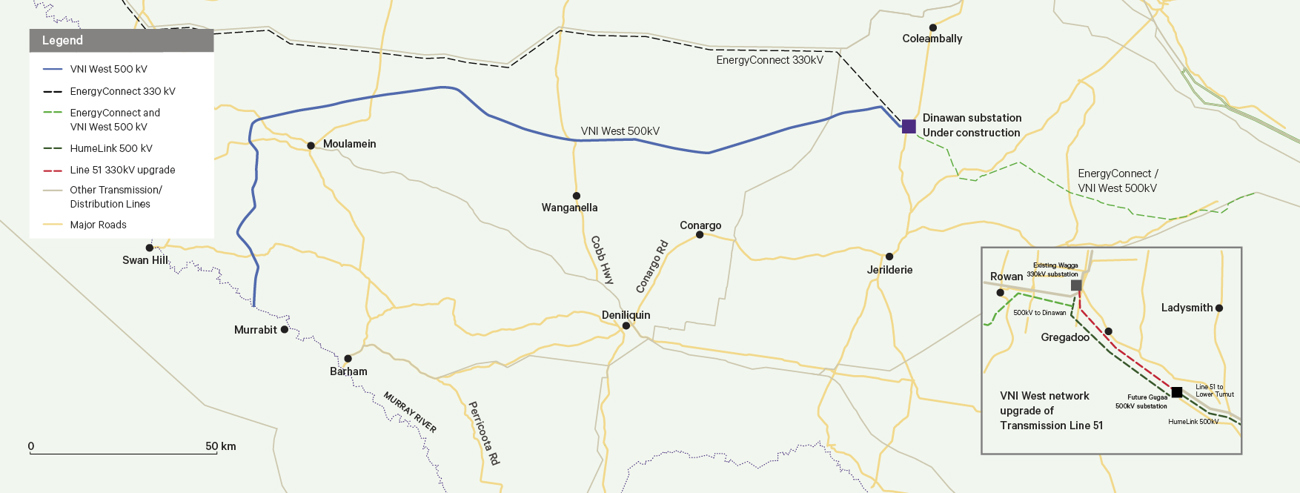
Local communities across NSW are being encouraged to review and provide detailed feedback on the Environmental Impact Statement for the Victoria to NSW Interconnector West project. This critical infrastructure development will connect the electricity grids of NSW and Victoria to deliver significant benefits for consumers.Transgrid is delivering the NSW section of the project and has released the comprehensive Environmental Impact Statement as part of the mandatory planning approval process. The project involves constructing a 500 kV double-circuit overhead transmission line specifically designed to unlock more affordable and cleaner renewable energy for millions of Australian consumers.VNI West Project Director Colin Mayer emphasised the crucial importance of ongoing community input in helping to shape the project's development and implementation. "Transgrid would like to thank local communities and landowners whose local knowledge and valuable insights have been instrumental in helping to shape the project to date," Mr Mayer said.The Environmental Impact Statement represents a major milestone in the comprehensive planning process, providing detailed analysis of potential environmental, economic and social impacts of the project. The document includes 18 supporting specialist studies covering critical areas such as Aboriginal heritage, biodiversity, visual amenity and bushfire safety across the project corridor.Mr Mayer encouraged all interested parties to actively engage with the consultation process and make their voices heard during this important exhibition period. "Public exhibition of the Environmental Impact Statement provides the community, landowners and key stakeholders with the information they need to make an informed submission about the project. "I encourage all interested parties to review the potential impacts and proposed measures to address them and have their say," he said.The public exhibition period offers an important opportunity for community members to thoroughly examine the proposed project and its wide-ranging implications before making submissions. This consultation process ensures that local concerns and insights are carefully considered as part of the approval process for this nation-critical infrastructure project.To view the Environmental Impact Statement and make a submission, the public can visit the Department of Planning, Housing and Infrastructure website and search for SSI-72887208. Submissions remain open until 29 August 2025, providing ample time for community members to review the extensive documentation and formulate their detailed responses.For additional information about the VNI West project, interested parties can visit the dedicated project website at: https://www.transgrid.com.au/projects-innovation/vni-west

Community screening to explore youth crime prevention through lived experience

10 August 2025, 8:00 PM

The Mallee Accommodation and Support Program (MASP) is partnering with social enterprise 16 Yards to present a special screening of the documentary The Blueprint, offering the community an opportunity to engage with innovative approaches to youth crime prevention.16 Yards is a strengths-based organisation that centres lived experience in its work with young people connected to the justice and out-of-home care sectors.The Blueprint is a 70-minute documentary that amplifies the authentic voices of young people who have navigated the justice system. Featuring ten participants from diverse backgrounds, the film provides raw, honest perspectives on the challenges they faced and the practical interventions that supported their transition away from offending behaviours.The free community screening will take place at The Powerhouse on Wednesday, August 27 beginning at 5:30pm. Following the film, attendees will participate in a community-friendly panel discussion featuring 16 Yards co-founders Dr Stephane Shepherd and Shayne Hood, alongside two young people with previous justice system involvement."We work alongside young people connected to the justice system, helping them shift their focus to pro-social pathways," Dr Shepherd explained. "Through mentorship, education and real-world opportunities, we invest in their futures—unlocking their potential to contribute, thrive and lead their communities."MASP CEO Charmaine Calis emphasised the importance of community engagement in addressing these complex issues."Youth crime is a major topic in our region, and this documentary and panel discussion brings our community to the heart of the conversation," she said. "It is vital we work together to address the issues faced and empower our young people to make better choices to create a better future for themselves and the wider Mallee community."Community members can register for the screening at www.t.ly/masptheblueprint. A separate stakeholder screening and panel discussion will be held the following day.

Transgrid to host VNI West info sessions

08 August 2025, 2:21 AM

Transgrid is taking the VNI West project directly to local communities across regional NSW, hosting a comprehensive series of information sessions throughout August to help residents understand the project. These sessions will help community members understand the environmental impact statement and make informed submissions about the major infrastructure development currently under consideration.The community consultation sessions are being held across nine carefully selected regional locations, including Barham, Coleambally, Conargo, Deniliquin, Jerilderie, Mallan, Moulamein, Wagga Wagga and Wanganella across the month. These drop-in style sessions are specifically designed to provide face-to-face opportunities for landowners and local residents to learn more about the project details. Attendees will also receive professional assistance with the submission process to ensure their voices are heard in the planning approval process.Project Director Colin Mayer highlighted the significant value of these community sessions in ensuring comprehensive consultation with affected communities throughout the project corridor. “We encourage landowners and local residents to attend a community information session to learn more, ask questions and receive help to make an informed submission in response to the environmental impact statement,” he said during the announcement.The information sessions begin on Saturday August 9 at Moulamein Football and Netball Club ovals. They and continue through to Monday August 25 at the Transgrid Discovery Hub facility. The sessions are strategically scheduled across weekdays and weekends to accommodate different community schedules. Some locations are hosting multiple sessions to maximise community access opportunities.The sessions are designed as informal drop-in events, allowing community members to attend at their convenience within the specified timeframes without needing to make appointments. Most sessions run for several hours, providing flexibility for working families and rural residents who may need to travel significant distances to attend these important consultations.For information about these session locations and times, visit https://www.transgrid.com.au/ or https://www.transgrid.com.au/projects-innovation/vni-westThese community sessions support the formal Environmental Impact Statement exhibition process, which runs until August 29, ensuring comprehensive community consultation throughout the approval process. The combination of detailed technical documentation and accessible community consultation ensures that all stakeholders have multiple opportunities to understand and respond to this infrastructure project.

Art as therapy: national competition seeks mental health masterpieces

07 August 2025, 8:00 PM

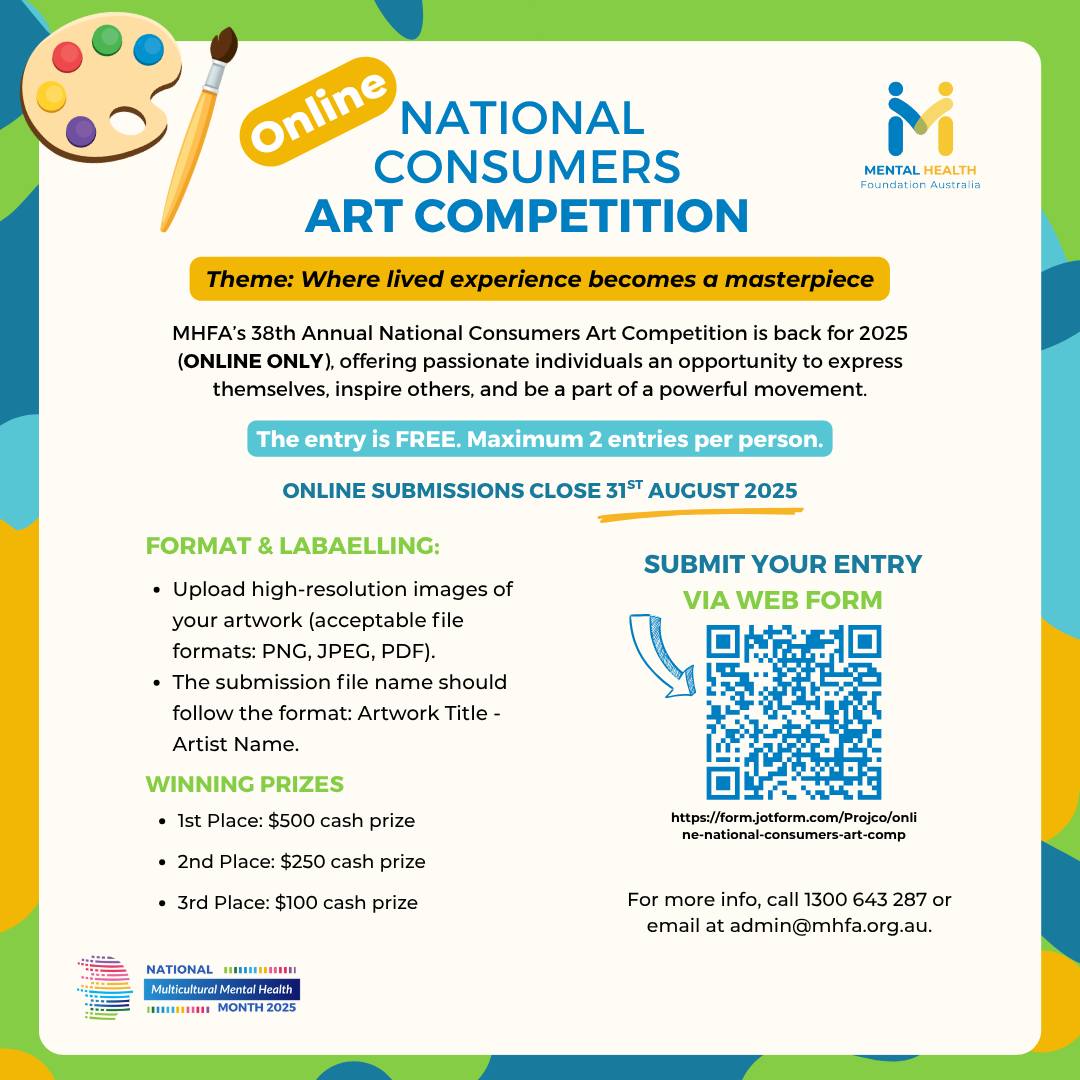
The Mental Health Foundation Australia (MHFA) is calling for artists across the nation to transform their lived experiences into powerful visual narratives through its 38th Annual National Consumers Art Competition.Running entirely online for 2025, the competition invites passionate individuals to explore the theme "Where lived experience becomes a masterpiece" – a poignant reflection on how personal mental health journeys can inspire profound artistic expression."This competition offers more than just prizes," explains a spokesperson for MHFA. "It provides a platform for people to express themselves, inspire others, and contribute to a powerful movement that destigmatises mental health through creativity."The initiative, which forms part of National Multicultural Mental Health Month 2025, recognises the therapeutic power of art and its ability to bridge cultural and linguistic barriers in mental health conversations.Participation is completely free, with individuals able to submit up to two entries via an online web form. The competition accepts high-resolution digital images in PNG, JPEG, or PDF formats, making it accessible to artists working across various mediums – from traditional painting and drawing to digital art and mixed media.Submissions must follow a specific naming convention, with files labelled as "Artwork Title - Artist Name" to ensure proper organisation and recognition of entries.The competition offers substantial recognition for winning artists, with first place receiving $500, second place $250, and third place $100 in cash prizes. However, organisers emphasise that the true value lies in the opportunity for participants to share their stories and connect with others who may be experiencing similar challenges.The timing of the competition during National Multicultural Mental Health Month highlights the importance of inclusive mental health conversations. Art has long been recognised as a universal language that transcends cultural boundaries, making it particularly effective for reaching diverse communities.Mental health advocates stress that initiatives like this competition play a crucial role in normalising discussions about mental wellbeing whilst celebrating the resilience and creativity that often emerges from personal struggles.The online format ensures broad accessibility, allowing artists from remote areas and those with mobility challenges to participate fully. This digital approach also reflects the evolving landscape of mental health support, where online platforms increasingly provide vital connections and resources.Artists have until August 31 to submit their entries through the designated web form, accessible via QR code on promotional materials or directly through the MHFA website.For those seeking additional information about the competition or MHFA's broader mental health initiatives, contact details are available at 1300 643 287 or [email protected] competition represents a significant opportunity for artists to contribute to important conversations about mental health whilst potentially receiving recognition and financial support for their creative endeavours. More importantly, it continues MHFA's mission of using innovative approaches to support mental health awareness and community connection across Australia's diverse population.

University of Melbourne Study: Share your story on rural relationship safety

06 August 2025, 11:00 PM

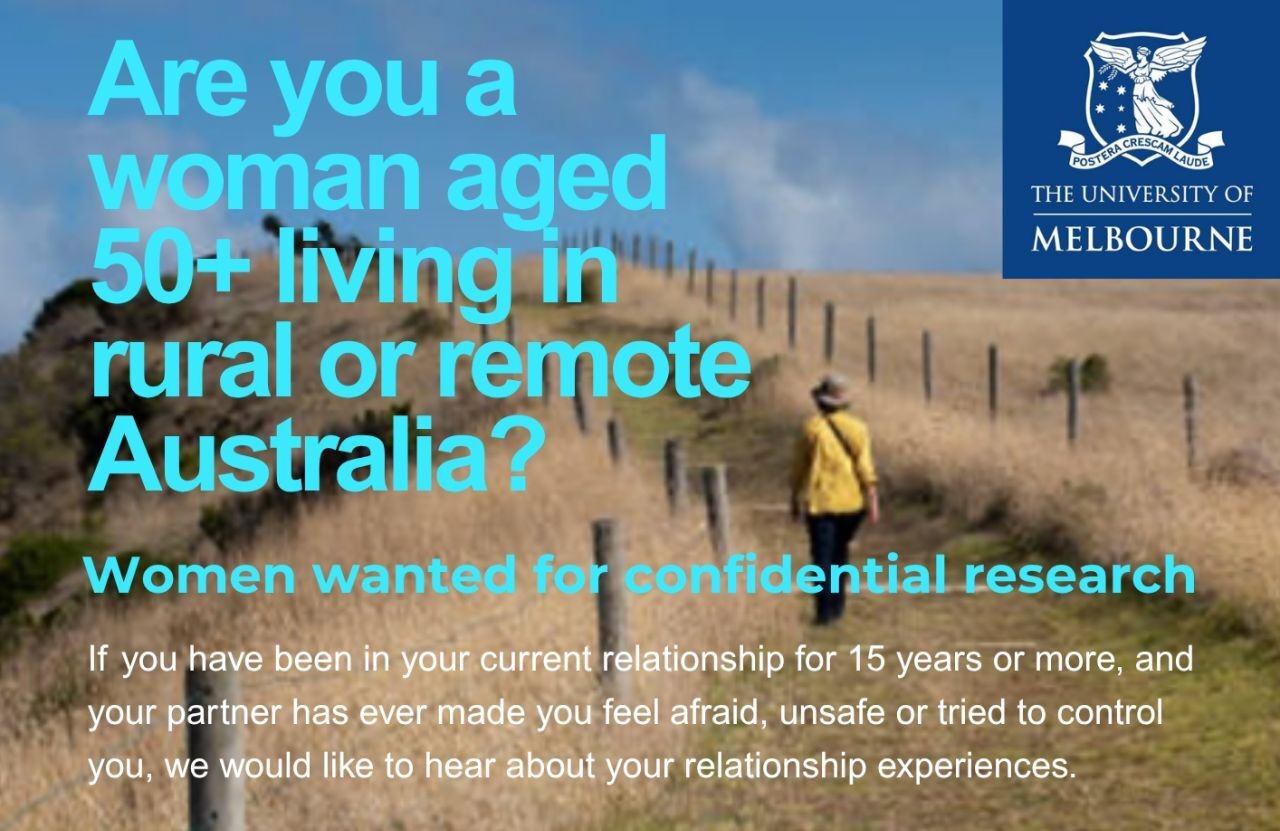
𝗖𝗼𝗻𝗳𝗶𝗱𝗲𝗻𝘁𝗶𝗮𝗹 𝗿𝗲𝘀𝗲𝗮𝗿𝗰𝗵 𝗼𝗽𝗽𝗼𝗿𝘁𝘂𝗻𝗶𝘁𝘆 𝗳𝗼𝗿 𝗿𝘂𝗿𝗮𝗹 𝗮𝗻𝗱 𝗿𝗲𝗺𝗼𝘁𝗲 𝘄𝗼𝗺𝗲𝗻 𝗮𝗴𝗲𝗱 𝟱𝟬+The University of Melbourne’s Safer Families Centre is conducting research to better understand the relationship experiences of older women living in rural or remote areas who have been in a relationship for 15+ years and have ever felt afraid, unsafe, or controlled by their partner.If this reflects your experience, the Safer Families Centre at University of Melbourne is inviting you to share your story in a confidential and trauma-informed research project. Participation involves completing a short survey, followed by a supportive telephone interview. Your insights may help improve support services for other rural women.“These interviews are about Australian rural women’s experiences of feeling afraid or controlled by their partner (sometimes also called domestic violence or domestic abuse),” a spokesperson said. “We are particularly interested in the experiences of women aged 50 years and older, who have been with their partners for 15 years or more. “We want to understand how women have navigated these relationships over time and the unique challenges they have faced as a result of living in rural Australia. “We would also like to hear about what help women have sought (if any) for their relationship issues. We want to know how women can best be supported as they get older. “We will use the findings of the research to help support women in rural areas who experience domestic violence throughout their relationships.”Participants will receive a $40 voucher as a token of appreciation.To learn more or express interest, visit: https://lnkd.in/gtTfWT3fOr contact Fiona: 03 8344 4992 | [email protected]

Support local assets: 2Hay FM's monthly activities

05 August 2025, 5:00 AM

Local assets such as the community radio station or (cough, cough) the local newspapers are assets which need ongoing patronage and support. So in that spirit, keep an eye out for Station Manager Matt Christie, holding various activities over the next month.The station is bringing their "Outside Live" broadcasts to various locations throughout August and September.The station's mobile broadcasting initiative will see the 2HAY FM team setting up at different venues, offering listeners the chance to meet their favourite radio personalities whilst enjoying a range of activities and entertainment.The roadshow kicks off on Tuesday, August 19 at Betta in Lachlan Street, Hay, from 10am to 2pm. The team will be hosting a pancake fundraiser alongside their usual offerings of colouring competitions, program guides, song requests, raffles, and membership drives.A week later, on Wednesday, August 27, the crew will relocate to IGA on Lachlan Street for another live broadcast running from 9am to 2pm. This event will feature similar activities but will swap the pancake fundraiser for a raffle and membership drive.September promises even more excitement, beginning with a major event on Sunday, September 7 at Foodworks in Lachlan Street. Running from 8am to 1pm, this broadcast will feature the station's signature activities plus bacon and egg rolls to fuel the morning crowd.The month's highlight comes on Saturday, September 13 at the Hay Showgrounds from 9am to 4pm. The final event of the series takes place on Tuesday, 30th September at DGH on Leonard Street, Hay. Running from 10am to 2pm, this broadcast will feature a sausage sizzle alongside the usual activities.Each "Outside Live" event will include the station's standard community engagement activities: colouring competitions for the kids, program guides for new listeners, opportunities to make song requests, raffles with local prizes, and membership drives to support the station's operations.Listeners are encouraged to come along, meet the team, and experience the energy of live radio broadcasting in action. With events spanning different days of the week and various times, there should be opportunities for most community members to join in the fun.

How to identify a phishing attempt

31 July 2025, 5:00 AM

What is phishing?No, I didn’t spell fishing wrong! Phishing emails often claim there's an urgent problem with your service or account, such as paused payments or payouts. The point of these emails is to scare you into providing sensitive information that can be used to steal your money or data.  Phishing can happen over the phone as well, such as a call from someone who claims to be from the bank, Telstra, ATO or another government agency. These institutions will never call you unexpectedly, when it is actually them on the other end of the line or email. When in doubt, hang up and reach out to support via official channels, such as their main advertised hotlines, or your local bank branch. How to identify phishing attempts and protect your data, and your money.  Validate email addresses and websites - Make sure emails come from the correct channel, and be suspicious of email addresses that contain any unusual characters, dashes, underscores, misspellings, or numbers. Always verify that you're on an official website. It takes mere minutes at the most to double check, and being cautious can save you stress, heartache and money.Sign in with a bookmark - Add bookmarks to official websites and only sign in using those bookmarks. This helps ensure you’re always accessing authentic webpages.Use strong authentication methods - Strengthen the security of your account by requiring two-step authentication with a security key or authenticator app.Check browser extensions - Only install browser extensions from companies you know and trust. Malicious browser extensions can read passwords and compromise your security.  Phishing is a major concern due to its potential to cause significant harm. For individuals, falling victim to phishing can lead to financial losses, identity theft, and personal data breaches. For businesses, phishing attacks can result in compromised sensitive information, financial loss, reputational damage, and operational disruptions.Educate yourself - Stay informed about the latest phishing tactics by attending security training sessions and reading about cybersecurity trends, news, incidents, and best practices. Because the sophistication and various types of phishing are constantly growing and evolving, staying informed on current threats is critical. Be vigilant and suspicious - Consciously question the legitimacy of each email, text message, and phone call. If you receive an unexpected email from a coworker, financial institution, government agency, or vendor, look out for these tell-tale signs of phishing: Spelling or grammatical errors.Urgent demands for sensitive information.Suspicious links.Spoofed email addresses. Unexpected attachments.Stay cautious on public Wi-Fi - Avoid accessing sensitive information when using public Wi-Fi. Hackers may easily steal data from unsecured networks. There seems to be endless way you can get scammed these days, but taking the time to make sure your security is at the highest level possible, regularly change your passwords, keep your malware and antivirus up to date, and stay informed is the best way to prevent loss and heartache.

Balranald Cup brings country racing tradition to life

31 July 2025, 2:00 AM

The Balranald Racing Club is gearing up for one of the highlights of the country racing calendar, with their annual Cox Plate meeting set for Saturday, October 25.The event promises a full day of racing excitement, complete with marquees, gazebos, live entertainment, and the popular Fashions on the Field competition.Founded in 1884, the Balranald Racing Club has been a cornerstone of the local community for more than 140 years, making it one of the oldest country racing clubs in New South Wales. The club's longevity speaks to both the enduring appeal of horse racing in rural Australia and the dedicated community support that has sustained it through generations.This year's Cox Plate meeting offers race-goers a choice of premium experiences.The 30-seater marquees are available for $75 per person, while the more intimate gazebos accommodate 10 to 20 people for the same price. Both options include food platters and a selection of beverages including beer, wine, champagne, water, and soft drinks.The club strives to maintain the family-orientated atmosphere of the day, continuing a very long-standing tradition. Gates open at 11am, with tickets priced at $25 for general admission. The day features live music and kids' entertainment alongside the racing action, ensuring there's something for every member of the family.The naming of their premier race as the ‘Cox Plate in the Bush’ pays homage to one of Australia's most prestigious horse races. The original W.S. Cox Plate was first run in 1922 and won by the English horse Violoncello. The race is named in honour of the Moonee Valley Racing Club's founder, William Samuel Cox, and is known as Australia's Best Race.While the Melbourne Cox Plate has become a $5 million Group 1 weight-for-age championship attracting the world's best horses, country racing clubs like Balranald have embraced the tradition by hosting their own versions. This connection between city and country racing demonstrates the deep roots that horse racing has in Australian culture.The most successful Cox Plate horse in history was four-time hero Winx, the mighty mare winning the race from 2015-18, though country racing fans create their own heroes and legends through their local meetings.The Balranald Cup meeting also features TAB betting and on-site bookmakers, adding to the authentic racing experience. The ‘Fashions on the Field’ competition has become a beloved tradition, encouraging race-goers to dress up and celebrate the social side of country racing.Country racing plays a vital role in rural communities, providing not only entertainment but also economic benefits to local businesses and social connection for residents. Over the years, the Balranald Racing Club has had very generous support from their many sponsors, which has helped greatly in attracting strong fields and maintaining the quality of their race meetings.The club's commitment to all-day catering ensures visitors can make a full day of the experience, whether they choose to secure a spot under one of the beautiful old trees on the grass grounds or book their own private gazebo for a more exclusive experience.For those interested in securing their spot at this year's Cox Plate meeting, bookings can be made by calling 0437 200 475 or through the club's Facebook page or website at www.balranaldrc.com. The club recommends booking early, as the combination of quality racing, excellent facilities, and country hospitality makes this one of the region's most popular racing events.BR&C Agents are proudly sponsoring this year's event.Whether you're a racing enthusiast or simply looking for a great day out with family and friends, the Balranald Cox Plate meeting offers the perfect blend of sport, socialising, and country hospitality that makes country racing such a cherished Australian tradition.

Places on offer for young writers in ‘Know Your Neighbour’ program

29 July 2025, 11:00 PM

The Riverine Grazier and Back Country Bulletin are inviting two young people (aged 12-24) from the Hay, Balranald, Carrathool or Central Darling Shire Council areas, to help us get to know the people in our community.No journalism or content creation experience is necessary. Successful applicants will receive free training and mentoring support to create digital stories that will be published in in print and online this December.“We want to amplify your voice, explore issues that matter to you, and celebrate the people around us,” managing director Krista Schade said.“We are excited to see the talent our young people have hidden away.“We also have plans for some larger content creation workshops in the near future, that will be open to all.”Program timelineSeptember: Meet your newsroom.Come and see how we work and get to know your mentor.October Training:Join four online sessions (4:30–6pm) delivered by Anita Anabel from the Community Media Training Organisation.Ms Anabel has worked with POPSUGAR and Media Week Australia.Online session topics:1 Oct: What is journalism? 8 Oct: Writing for news + social media. 15 Oct: Interview skills + mobile journalism. 22 Oct: Editing + storytellingNote: participants must attend each session. November: Create your content.You’ll work with your mentor to interview people in your community and produce three short pieces.December: Get published!Finalise your stories and we’ll publish your work in print and online with The Grazier and in our digital news app Back Country Bulletin.What You’ll GetFree journalism + content trainingMentoring from a local editor or journalist$150 for your published work (three short video and story pieces)Apply Now!To apply, send an email to Krista Schade ([email protected]) by Thursday 22 August with your name, email and phone number, age, location (suburb/town), cultural background and confirmation that you can make all four of the Wednesday afternoon training dates in October. “We’ll contact successful applicants in early September,” Ms Schade said.Why This MattersKnow Your Neighbour is supported by the NSW Premier’s Department to build social cohesion and amplify diverse voices. We aim to reflect the multicultural nature of our region through this program.Your mentor has a valid Working with Children Check, and there are no private meetings - all sessions are in public or onlineNeed help accessing a device or internet? Let us know, we can help.

The gamble on tomorrow: Southern Cryonics and the long shot at life

28 July 2025, 2:00 AM

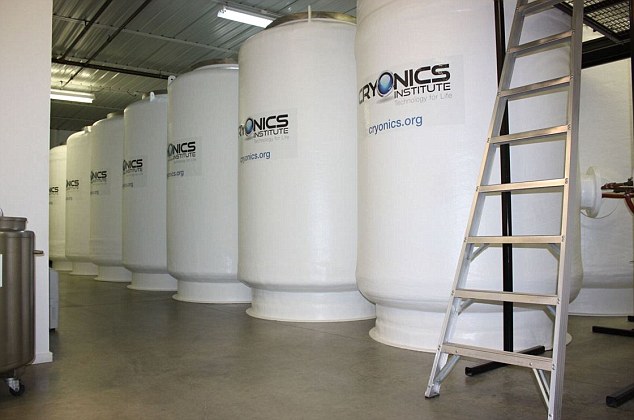
Picture this: it's a July afternoon near Holbrook, and inside a nondescript shed surrounded by high fencing, two people lie suspended in liquid nitrogen at minus 200 degrees Celsius. They're not dead, exactly – at least, not in the way their families see it. They're waiting.The Melbourne woman who became Southern Cryonics' first client died in hospital on July 4 from chronic illness.Within minutes, the facility's staff were there, packing her body in iced water for the journey that her family hopes isn't final.Six hours later, after a careful cooling process involving 250 kilograms of specialist equipment, she was sealed in her cryogenic chamber in what used to be farmland on the outskirts of town.It sounds like science fiction, and to many experts, that's exactly what it is.The early days of cryonics were nothing short of horrific – bodies crammed into capsules like puzzles, left to thaw when funding ran out, eventually scraped from containers as "tissue sludge."The first cryonics operations in California and New Jersey in the late 1960s were disasters that would make a horror film director wince."At the moment, cryopreservation is limited to individual cells and very simple tissues. We can't even store a single organ by itself," says RMIT's Saffron Bryant, a cell and tissue cryopreservation expert who's deeply sceptical about the whole enterprise.The science is brutally simple: when water inside cells freezes, it expands and causes damage.Scientists use special chemicals called cryoprotective agents to reduce ice formation, but whole organs are made up of different types of cells – different sizes, different shapes, all behaving differently. "You can't cryopreserve them all in the same way," Dr Bryant explains matter-of-factly.One cryobiologist compared the idea of reviving frozen humans to "believing you can turn a hamburger back into a cow."If we could freeze organs successfully, we'd already be solving the organ donor shortage that costs lives every day.But Peter Tsolakides, the former marketing specialist who founded Southern Cryonics after reading about it as a teenager, isn't deterred by the odds or the ghoulish history. Standing in his facility that resembles "very large thermos flasks," he acknowledges the long shot they're all taking."Let's say that it's possible but very unlikely – say it's 10 per cent possible," he says, adjusting his glasses."You got 10 per cent possibility of living an extremely long life versus being buried underground or burned. Which one would you choose?"His 32 subscribers, who pay $350 annually and have committed to the $170,000 suspension procedure, range from 15-year-old kids to 95-year-old pensioners."We have doctors to bus drivers," Tsolakides says with obvious pride. "Most of the people want to live very long lives, not necessarily be immortal. They're also interested in seeing what the future is."It's tempting to dismiss this as expensive fantasy, especially given the grotesque failures of early cryonics. But history has a funny way of making fools of the sensible majority, even when the initial attempts are disasters.Take heart surgery. The first attempts to operate on beating hearts in the early 1900s were catastrophic failures that killed patients on the table.The medical establishment declared it impossible – you simply couldn't cut into the engine of life and expect it to keep running.Yet by the 1960s, heart transplants were making headlines, and today we routinely stop hearts for hours during surgery, cooling bodies down to buy precious time.Or consider continental drift. When Alfred Wegener suggested in 1912 that continents actually moved around the planet, the scientific establishment thought he'd lost his mind.The idea was so preposterous that geologists ridiculed it for decades. It wasn't until the 1960s, long after Wegener's death, that plate tectonics proved him right.Germ theory faced similar resistance.For centuries, doctors believed disease came from "bad air" or just spontaneously appeared.When Ignaz Semmelweis suggested in the 1840s that doctors should wash their hands between patients, his colleagues were so offended they had him committed to an asylum, where he died.Louis Pasteur faced similar ridicule when he proposed that microorganisms caused disease.Even anesthesia was controversial when it first appeared.Many thought it was unnatural to undergo surgery without pain, while others feared the unknown risks of these strange new drugs.Today, the idea of surgery without anesthesia seems barbaric.The pattern repeats: vaccines were considered dangerous tampering with God's will; X-rays were dismissed as parlour tricks; Alexander Fleming's accidental discovery of penicillin sat largely ignored for years because no one could quite believe a mould could cure infections.More recently, researchers discovered that Viagra helped hamsters adjust to new time zones 50 per cent faster – hardly what Pfizer had in mind when developing a heart medication.And in 1990, a doctor cured someone's persistent hiccups using digital rectal massage, earning an Ig Nobel Prize for proving that medical breakthroughs can come from the most unexpected places.The difference between then and now is that Tsolakides has learned from cryonics' horror-show past.Unlike the early cowboys who left bodies to rot in cemetery vaults, Southern Cryonics operates with meticulous attention to detail.The chambers hold a two-month supply of liquid nitrogen, monitored several times weekly. Multiple suppliers ensure continuous delivery. The facility has backup systems and detailed protocols.Of the dozens of people frozen in those early disasters, only one remains preserved today: Robert Bedford, sealed into a Dewar in 1967. His family took custody of the capsule and meticulously cared for it at their own expense, eventually transferring him to Alcor, one of the modern cryonics companies that learned from those early failures.The legal implications alone are mind-bending. If someone frozen today were successfully revived in 2150, they'd have been legally dead for over a century. Could they reclaim property that had passed to heirs? What about spouses who remarried? As one legal expert noted, we'd need to completely reinvent inheritance law.Then there's the human cost.In the recent British case of a 14-year-old girl with terminal cancer, her father objected partly because she would wake up, if she ever did, alone in a foreign country with no friends or family, centuries after everyone she knew had died."It's possible that something could go wrong," Tsolakides acknowledges, referring to the facility's dependence on regular maintenance and deliveries.The suspension agreement his clients sign is brutally honest about the risks: if the company goes broke, gets shut down, or if cryonics becomes illegal, Southern Cryonics may simply "dispose of the patient's body by burial, cremation or transfer."Legally, there's no special protection for the cryogenically frozen. In the eyes of Australian law, they're simply remains, and Southern Cryonics is classified as a cemetery by Greater Hume Council.Health experts have described the sector as "Star Trek in play," and it's hard to argue with that assessment.The science fiction comparison isn't unfair – we're talking about reversing death itself, something that's been the realm of fantasy for all of human history.Yet that's precisely what makes it interesting.Every scientific breakthrough started as someone's impossible dream, often built on the rubble of spectacular early failures.The heliocentric model was heretical nonsense until it wasn't. Continental drift was geological madness until it became the foundation of modern geology. Hand-washing was medical blasphemy until it became the cornerstone of infection control.The Southern Cryonics facility represents more than just an expensive insurance policy against death. It's a monument to human optimism – the stubborn belief that the impossible might just be improbable, and that the future might hold solutions we can't even imagine today.The science, frankly, looks terrible. The early history was nightmarish.The legal complications are staggering. But so was heart surgery once.So was the idea that invisible creatures could make you sick.So was the notion that continents drift around like rafts on an ocean.Whether Tsolakides and his clients will ever see that future is anyone's guess.The odds, as he admits, are probably terrible.But as he stands among his "very large thermos flasks," he's betting on the same thing that's driven every great scientific leap: the possibility that tomorrow's breakthrough is just around the corner, even if today's attempts end in spectacular failure.For now, two people wait in their liquid nitrogen chambers near Holbrook, suspended between death and an uncertain tomorrow.Their families have made peace with the long odds, choosing hope over certainty, possibility over finality.Time, as they say, will tell. And unlike those early disasters in California cemetery vaults, at least they'll be properly maintained while they wait.Southern Cryonics is located near Holbrook, NSW. More information is available through their website for those interested in learning more about cryonic suspension.
Jamie Chaffey MP: Nominate now for Australian of the Year

26 July 2025, 8:00 PM

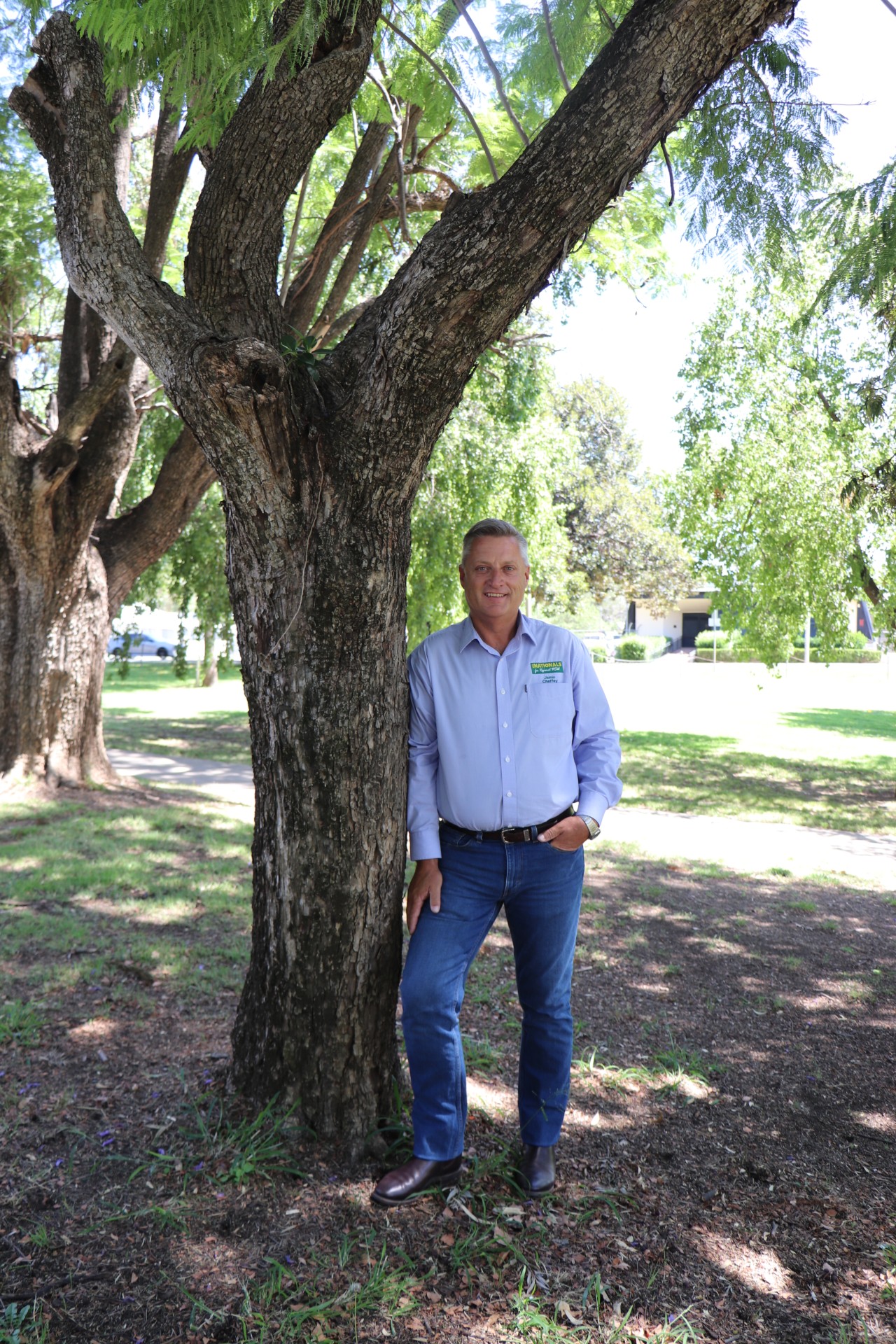
Chaffey calls for Parkes nominations for Australia Day AwardsTime is running out to nominate for the Australian of the Year Awards 2026 – and Member for Parkes Jamie Chaffey is calling on the Parkes electorate to make sure our outstanding community members are recognised.“The Federal Electorate of Parkes covers more than 400,000 sq km of New South Wales and includes many hard-working and dedicated people,” Mr Chaffey said.“People are the heart of the Parkes electorate. They are what make our communities such amazing places.“I would love to see some of those community members recognised for their contributions in the Australian of the Year Awards, and I urge people to nominate those who go above and beyond to make a difference.”Nominations for the Australian of the Year Awards close at midnight on Thursday, 31 July, 2025. The awards include four categories – Australian of the Year, Senior Australian of the Year, Young Australian of the Year and Australia’s Local Hero. You can nominate someone here: https://australianoftheyear.org.au/Mr Chaffey also encouraged community groups to consider applying for National Australia Day Council funding for an Australia Day event.Each year, the National Australia Day Council offers grants for community groups, government entities and councils to support Australia Day events and encourage community participation.The Australia Day Community Events Grant Program offers grants of $2,000 or $10,000 for events that help communities reflect, respect and celebrate on Australia Day.Applicants for the $10,000 grant can apply for an additional $5,000 if their event includes significant First Nations elements.The Grant Program will open on Wednesday, 13 August and close on Monday, 8 September 2025. Visit australiaday.org.au/grants for more details.

 Murrin Bridge preschool transforms from repair job to rural education showcase
Murrin Bridge preschool transforms from repair job to rural education showcase

25 July 2025, 8:00 PM

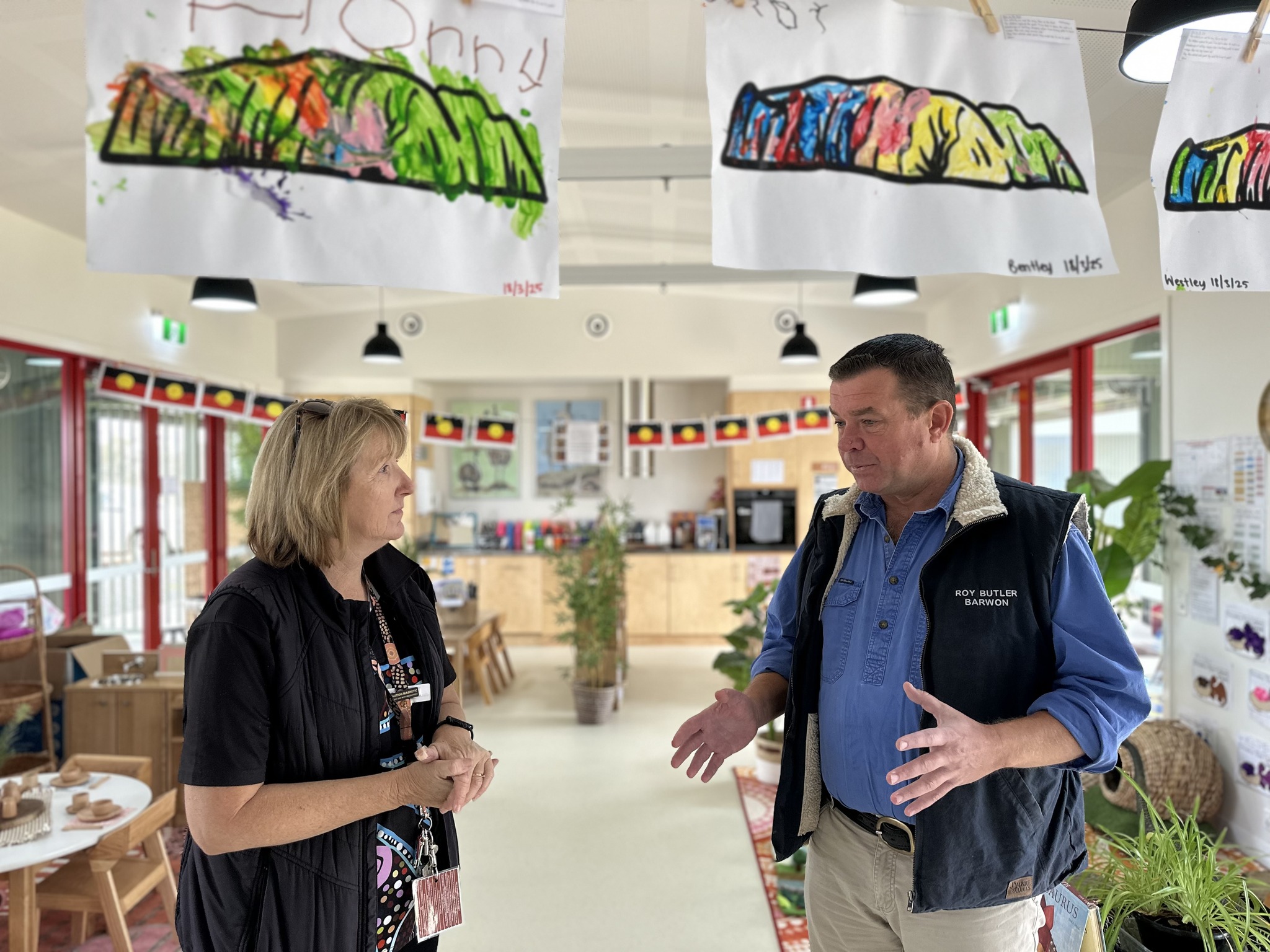
What started as a simple request to fix some dodgy floorboards has become one of the most impressive preschool facilities you'll find in rural New South Wales.Five years ago, the team at Murrin Bridge Preschool had modest ambitions. They needed repairs to their existing building – nothing fancy, just fixing up floors and addressing the wear and tear that comes with age.Fast-forward to today, and the transformation is nothing short of remarkable.The preschool now boasts a stunning, modern complex that serves more than 50 children from the local area, including those from surrounding farms. What began as a repair job has evolved into a complete reimagining of what early childhood education can look like in a rural community.When the new facilities officially opened in October 2023, the buildings had that fresh, pristine feel – impressive but lacking the lived-in warmth that makes a place truly special. Recent visits tell a different story entirely.Walking through the facility with director Leanne, it's clear to Roy Butler MP the preschool has found its rhythm. Children's artwork brightens the walls, equipment fills the spaces with purpose, and the whole complex buzzes with the energy that only comes when a building is being used exactly as intended.The clever design centres around a courtyard that ties the new construction seamlessly with the renovated original building. It's the kind of thoughtful planning that creates natural flow and gives children multiple spaces to learn and play.But perhaps the most exciting development is still to come. The preschool is soon to take delivery of a $220,000 bus that will make a real difference for families across the district. With the capacity to carry more children, it means fewer parents will need to make the daily drop-off and pick-up run – no small consideration when you're dealing with distances between farms and town.For director Leanne and her team, the journey from that initial repair request to this thriving educational hub represents something bigger than just improved facilities. It's proof that rural communities can punch well above their weight when they have the vision and support to make things happen.The Murrin Bridge Preschool stands as a testament to what's possible when a community refuses to settle for just getting by. From fixing floorboards to creating a showcase facility that any town would be proud of – it's been quite the transformation.

After 47 years caring for country communities, Barb Turner hangs up her stethoscope

25 July 2025, 5:00 AM

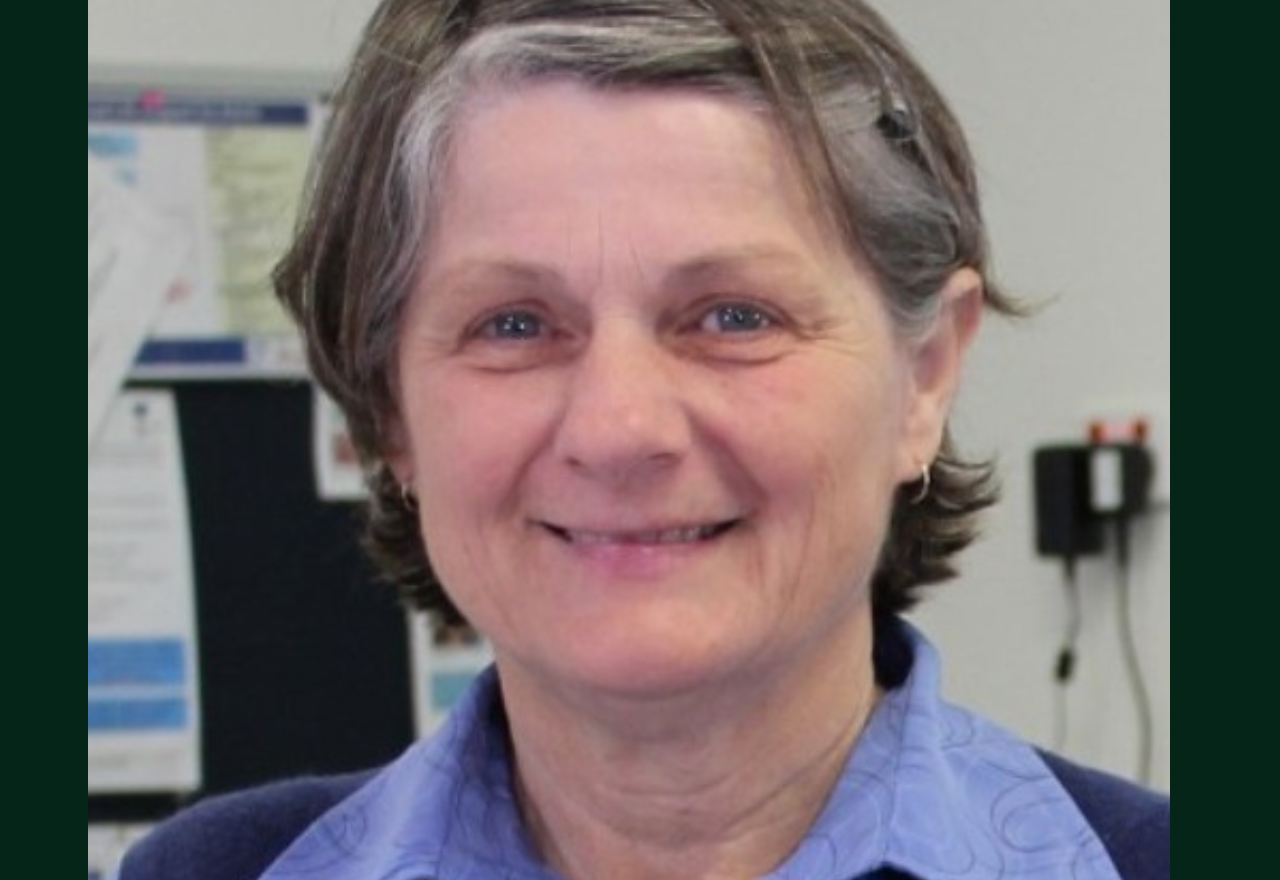
In 1978, a young woman started her nursing career at Broken Hill Hospital, determined to make a difference in rural health. Fast forward 47 years, and that same woman—Barb Turner—is finally ready to retire, leaving behind a legacy that has touched countless lives across some of NSW's most remote communities."She is passionate about remote health and increasing access to services for people in remote areas and has played a pivotal role in inspiring many nurses to expand and diversify their careers," the Far West Health District said in their tribute to Barb.That passion has taken her from Broken Hill to Wilcannia, Sydney, the North Coast, Queensland, Menindee, Wentworth and Buronga. Along the way, she's collected qualifications like some people collect postcards—a Bachelor of Social Science (Welfare), Graduate Certificates in Advanced Practice (Rural and Remote) and Diabetes Management and Education, and a Masters of Nursing (Nurse Practitioner). She's also a registered midwife and holds a Certificate in Child and Family Health Nursing.But it's not the letters after her name that define Barb; it's the work she's done in communities where health services can be hard to come by.For the past 11 years, Barb has called Menindee home, working her way up from Nurse Practitioner to Health Service Manager at Menindee Health Service. She's seen firsthand how challenging it can be for people in remote areas to access the kind of healthcare that city dwellers take for granted.One of her most significant contributions has been addressing a sobering statistic: circulatory disease is the leading cause of death in the Far West Local Health District. The problem? If you lived outside Broken Hill, getting access to cardiac rehabilitation was nearly impossible.Barb wasn't content to just accept this as "the way things are." Instead, she asked a crucial question: "Is it possible to create and implement a structured Cardiac Rehabilitation program in a small rural village, which is effective and meets the expressed needs of clients?"The answer, it turned out, was a resounding yes.Her innovative approach combined face-to-face sessions with videoconferencing, creating an eight-week program that included both exercise and education components. Participants could either refer themselves or be referred by health professionals, and the program was designed to fit around the realities of rural life—including the visiting schedules of healthcare workers.The results spoke for themselves. Participants improved their exercise capacity and changed their eating habits. Their families were supportive. Health professionals found the program flexible, evidence-based, and sustainable. Most importantly, it worked for the people who needed it most—those living in small communities where cardiac rehabilitation had previously been out of reach.Now, as Barb prepares to step away from her professional role, she's looking forward to some well-deserved personal time. Her retirement plans include two projects close to her heart: writing her mother's memoir and picking up her knitting needles again—pursuits that reflect the same attention to detail and care for others that have defined her nursing career.It's fitting that someone who has spent nearly half a century caring for others is now turning her attention to preserving family stories and creating something beautiful with her hands. Both require patience, skill, and love—qualities Barb has demonstrated throughout her remarkable career. Her legacy lives on not just in the programs she's created and the patients she's cared for, but in the many nurses she's inspired to expand and diversify their careers.In a region where healthcare workers are precious commodities, Barb Turner has been something even rarer—a visionary who refused to accept that geography should determine the quality of care people receive. That's a legacy worth celebrating.

MASP Team to Don PJs for a Good Cause – And They Want You to Join In!

23 July 2025, 2:00 AM

Making a Difference Through PJsThis Friday, July 25, staff at the Mallee Accommodation and Support Program (MASP) will be trading their usual work attire for their cosiest pyjamas as part of National Pyjama Day. But this isn't just about having a laugh at the office – it's about shining a light on some pretty confronting statistics affecting kids in foster care.The numbers tell a sobering story: More than 45,000 Australian children are currently in out-of-home care, 92% falling below average reading levels by age seven. EOnly 57% of young people who grow up in care manage to complete Year 12, compared to the national average of 85%.MASP CEO Charmaine Calis says these figures highlight the massive barriers these kids face. "These statistics are in no way reflective of our wonderful foster carers, who open their hearts and homes to vulnerable children in need," she said. "But they are a stark reminder of the barriers these children face to achieve the same level of education as their peers."Making a Difference Through PJsNational Pyjama Day is run by The Pyjama Foundation, which has been tackling educational disadvantage for kids in care since 2004. Their Love of Learning Program pairs trained volunteers – called 'Pyjama Angels' – with children in foster care for an hour each week of reading, learning activities and mentorship.The program is the only one of its kind in Australia supporting children in care with evidence-based literacy and numeracy programs outside school hours. With funds raised from National Pyjama Day, The Pyjama Foundation provides learning skills to over 800 children and helps create stable, positive relationships for kids facing tough circumstances.How You Can Get InvolvedHere's the good news – you don't need to work for MASP to join in. Anyone across Hay, Balranald, Central Darling, Carrathool Shire and surrounding areas can participate. While the official day is this Friday, you can host your own Pyjama Day anytime during July or August.Simply wear your favourite pyjamas to work, school or community events and make a donation to support the cause. You can register your event or donate directly at The Pyjama Foundation's fundraising page. All donations over $2 are tax deductible, and every dollar helps provide educational support that can genuinely change a child's life trajectory.For those wanting to do more, The Pyjama Foundation is always looking for volunteer 'Pyjama Angels' who can commit just one hour per week to mentor a child in care. You can also create your own fundraising event or help spread the word on social media.MASP, which has been supporting individuals and families across the Mallee region for over 30 years, sees National Pyjama Day as part of their broader commitment to helping vulnerable communities. As Calis puts it, they remain committed to "supporting our carers and the children to get the best outcomes for their education and their futures."So this Friday, why not dig out those comfy PJs and join MASP in supporting some of Australia's most vulnerable kids? Sometimes the simplest actions can make the biggest difference.Ready to help? Visit fundraise.thepyjamafoundation.com/event/npd to get involved.

The Baaka's Anthem: BARKAA and Uncle Leroy Johnson's Powerful Call to Country

21 July 2025, 5:20 AM

The Baaka's Anthem: BARKAA and Uncle Leroy Johnson's Powerful Call to CountryIn the heart of Barkindji Country, a powerful new anthem echoes across the land, resonating with the very heartbeat of the Murray-Darling Basin. "Ngamaka" (the Barkindji word for "mother"), the latest single from fierce hip-hop artist BARKAA, featuring her respected elder and uncle, Leroy Johnson, is more than just a song—it's a deeply personal tribute and an urgent rallying cry for the protection of the Baaka River.Aboriginal and Torres Strait Islander peoples hold the world's oldest continuous musical traditions, where songs are not just melodies but vital carriers of cultural meaning, history, and profound connections to Country. This rich legacy continues to thrive and evolve, with contemporary artists like BARKAA blending ancient wisdom with modern sounds to address pressing issues.A Song Born from the River's PainFor Barkindji people, the Baaka River is their lifeblood, their mother. BARKAA shares, "Our river is our heartbeat as Barkindji people… Whenever the river is depleted, we feel down as people." "Ngamaka" vividly portrays the stark realities facing this sacred waterway, threatened by climate change, corporate exploitation, and unsustainable irrigation. BARKAA's raw lyrics cut to the core, expressing the anguish of environmental degradation: "Can't even fathom the way they mistreat her, leave her with nothing and suck dry our river."Uncle Leroy Johnson's contribution is particularly poignant. His verses, sung in Barkindji language, convey the profound spiritual pain of witnessing environmental tragedy, like the devastating Menindee fish kills that affected his totem, the Bony Bream. He emphasizes the importance of sharing this message through music, especially alongside his niece, highlighting BARKAA's influential voice in bridging generations and traditions. The collaboration itself, weaving traditional language with contemporary hip-hop produced by Jaytee Hazard, is a testament to the enduring power and adaptability of Indigenous music.Visuals that Speak to the SoulThe accompanying music video, directed by Kieran Mpetyane Satour and beautifully shot by Ryan Andrew Lee on Barkindji Country, offers a breathtaking and haunting visual narrative. Filmed at significant sites like Menindee Lakes, Steamers Point, Wilcannia, and Mutawintji National Park, the video allows the beauty and spiritual significance of the Baaka to speak for itself. BARKAA describes it as "one of the most monumental moments in my career," echoing Uncle Leroy's sentiments of a spiritual celebration of their homeland.More Than Music: A Call to Action"Ngamaka" is a powerful example of how Aboriginal artists are using their voices not only to create captivating art but also to advocate for critical social and environmental issues. It’s a song for everyone—a call to understand, appreciate, and actively protect the precious natural resources that sustain us all, just as the Baaka sustains the Barkindji people.This collaboration between BARKAA and Uncle Leroy Johnson stands as a testament to the resilience, creativity, and deep cultural connection embedded in Indigenous Australian music, reminding us all of the profound stories that flow through our land and its people.Explore More Aboriginal VoicesBeyond "Ngamaka," the landscape of Aboriginal music is rich and diverse. From the pioneering voices of Archie Roach and Harold Blair to contemporary stars like Jessica Mauboy, Baker Boy, Thelma Plum, Emily Wurramara, and Electric Fields, Indigenous artists continue to shape the Australian music scene with their unique perspectives, languages, and powerful storytelling. Their music spans genres from traditional to hip-hop, country, and electronic.

81-100 of 297
Back Country Bulletin
News from the Back Country

Get it on the Apple StoreGet it on the Google Play Store