Back Country Bulletin
News from the Back Country
Get it on the Apple StoreGet it on the Google Play Store
NewsSportRuralCommunityEat, Drink, Stay
Back Country Bulletin
Taste, History & Outback Charm: Discover the Best of Griffith, NSW

19 July 2025, 11:00 PM

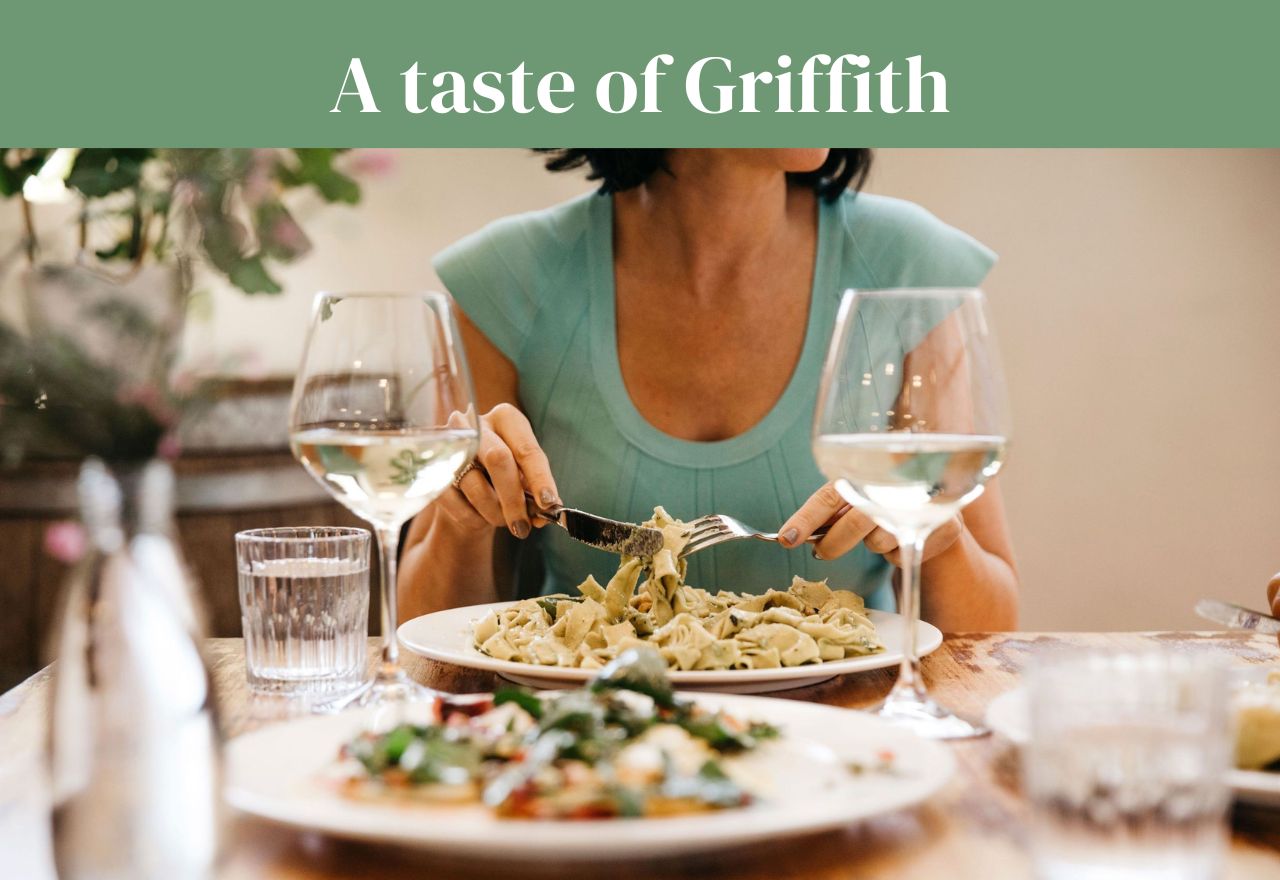
GRIFFITH, NSW – Tucked away in the heart of the Riverina region, Griffith offers a vibrant blend of Italian heritage, world-class food and wine, and authentic Outback experiences. For Back Country Bulletin readers looking for their next regional adventure, this dynamic city in Far West NSW is a must-visit destination that promises something for every traveller.Known as the "food bowl of Australia," Griffith's rich agricultural landscape and strong Italian roots have cultivated a unique cultural tapestry that sets it apart. Whether you're a foodie, history buff, nature lover, or simply seeking a genuine regional NSW experience, Griffith delivers.A Culinary Journey: Griffith's Food and Wine SceneNo visit to Griffith is complete without indulging in its renowned food and wine tourism. With a Mediterranean climate perfect for viticulture, the region is home to an impressive array of family-owned wineries.Cellar Door Experiences: Explore acclaimed wineries like De Bortoli Wines (famous for its Noble One Botrytis Semillon), Yarran Wines with its picturesque views, and Calabria Family Wines, offering delightful tastings and insights into their winemaking heritage. Many offer beautiful gardens for relaxing with a picnic.Italian Delights: Griffith’s significant Italian population means authentic culinary experiences are around every corner. Savor traditional dishes at top restaurants like Limone Dining (farm-to-plate excellence) and Zecca (rustic Italian charm). Don't leave without visiting Bertoldo's Pasticceria, a family-run bakery serving delectable biscotti, cannoli, and gelato since 1952.Local Produce: Visit the Rotary Sunday Community Market for fresh farm produce, or pick up local goodies like olive oil, balsamic vinegar, and artisanal prunes at the Griffith Tourism Hub.Step Back in Time: History and Culture UnveiledBeyond the culinary delights, Griffith boasts a fascinating history and a thriving arts scene.Griffith Pioneer Park Museum: This open-air museum is a must-see, featuring over 40 original and recreated buildings that transport you back to early pioneering life in the Riverina. It also houses the Griffith Italian Museum and Cultural Centre, celebrating the profound influence of Italian migrants on the region.Hermit's Cave: Perched on Scenic Hill, this unique collection of stone structures was built by eccentric Italian recluse Valerio Ricetti. The Hermit's Cave Lookout offers breathtaking panoramic views across vineyards, orchards, and the distant Cocoparra National Park.Art & Architecture: Explore the vibrant Banna Lane Murals and street art, or admire the striking architecture, including the Griffith Regional Theatre and numerous Art Deco buildings throughout the city, reflecting Walter Burley Griffin's original design. The Griffith Regional Art Gallery also hosts a dynamic exhibition program.Outdoor Adventures & Family FunFor those seeking fresh air and family-friendly activities, Griffith offers plenty of options.Altina Wildlife Park: Just a short drive from Griffith, this unique "zoo-fari" near Darlington Point offers personalised horse-drawn or motorised cart tours where you can get up close with native and exotic animals during their daily feeds. A truly unforgettable Outback animal encounter.Lake Wyangan: A perfect spot for outdoor recreation, this lake features shaded picnic areas, BBQ facilities, and opportunities for water activities.Cocoparra National Park: Located northeast of Griffith, this national park is ideal for bushwalking and enjoying native flora and fauna. Look out for the beautiful Woolshed Falls after rain.City Park & Family Funland: For younger visitors, City Park boasts one of the tallest climbing frames in the Southern Hemisphere, a water play area, and flying fox. For indoor fun, Family Funland offers soft play, laser tag, and arcade games.Plan Your Regional GetawayThe Griffith Tourism Hub (located at the corner of Banna and Jondaryan Avenues) is your first stop for maps, local insights, and expert advice from friendly locals. Whether you're planning a weekend escape or a longer regional road trip, Griffith offers a rich and rewarding experience.Discover why this Riverina gem is quickly becoming a favourite destination for those exploring the true heart of regional Australia.

Duxton Vineyards Is Growing More Than Grapes – It’s Growing Hope for an Endangered Aussie Parrot

15 July 2025, 11:00 PM

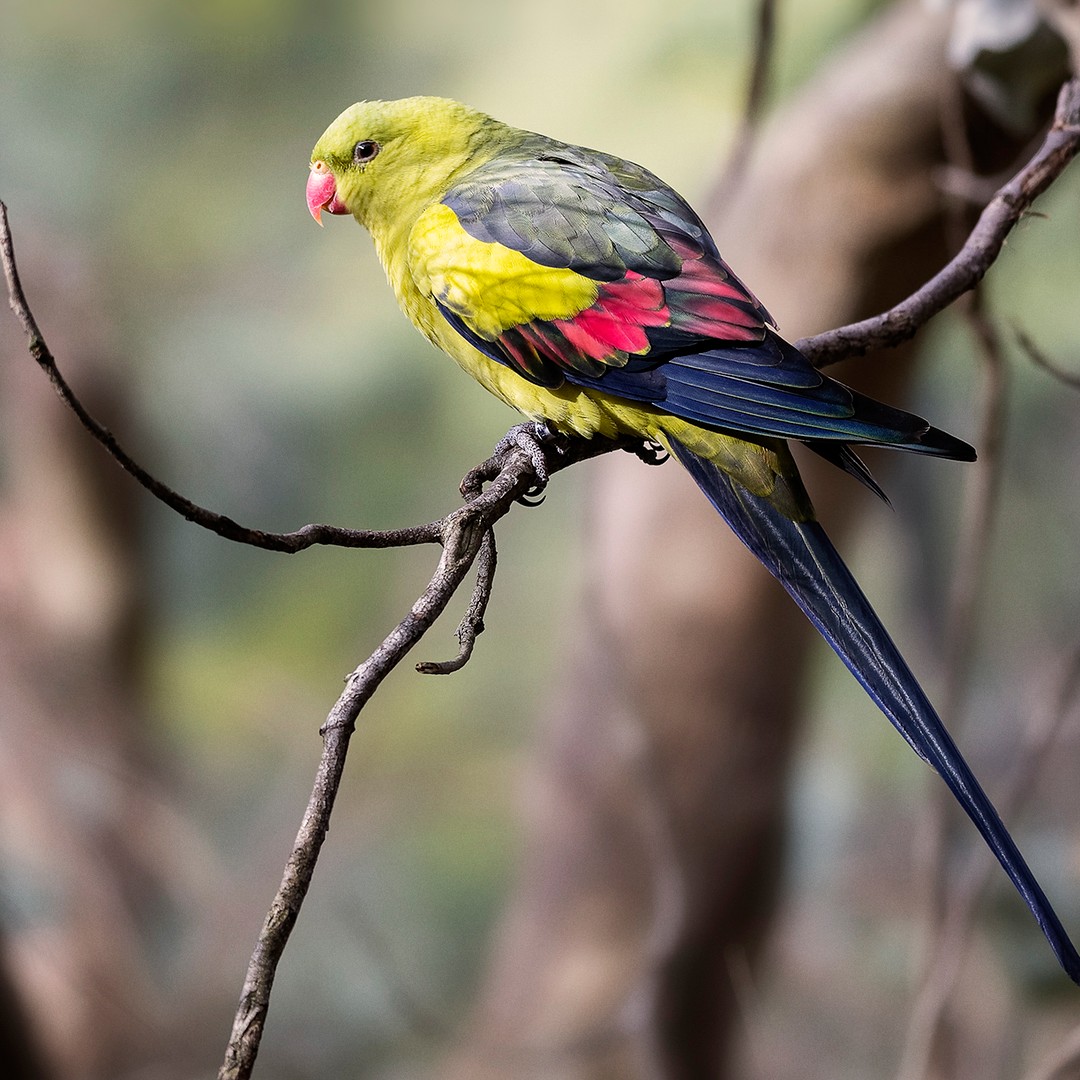
In the red gums of the Murray River, the Regent Parrot – a striking yellow and blue-black bird – is fighting for survival. The challenges this endangered species face are many: habitat fragmentation, food scarcity, and the creeping loss of the mallee shrubland they depend on for foraging. Thanks to a collaborative partnership between conservationists, researchers, and a forward-thinking vineyard, hope is on the horizon for the Regent Parrot.In the heart of Australia's Murray Darling wine country, Duxton Vineyards is playing host to more than just vines this year. The NSW Government's Saving our Species (SoS) program has placed the Regent Parrot at the heart of a long-term effort to ensure the species survival in the wild for the next century. Duxton Vineyards is no stranger to regenerative farming practices, and with the vineyard chosen as a key site for nest surveys and chick monitoring this year, they're keeping true to their brand mission of giving back to the land.Regent Parrots breed in the hollows of ancient river red gums along the Murray, while foraging in mallee ecosystems, which are low-growing and often cleared for agriculture. During breeding season, male parrots are tasked with a gruelling schedule: multiple flights daily between nesting sites and distant foraging grounds to feed incubating females and, later, their chicks. The farther the mallee is from the nesting site, the lower the breeding success. This reaches virtually zero if the distance between mallee and red gum nesting sites exceeds 20 kilometres.Unfortunately, decades of land clearing have left little of the mallee near these breeding trees. To make matters worse, many of the remaining red gum habitats were commercially logged, further reducing available nesting hollows. The consequences are evident: dwindling nesting colonies and alarmingly low chick survival rates.In response, SoS has launched the first comprehensive survey of potential regent parrot nesting areas across New South Wales. Starting in the western fringe of the species' range near Gol Gol, the project has already identified 200 active nests. In collaboration with the Australian National University's Difficult Bird Research Group, a pilot monitoring program revealed a stark reality – many chicks are not surviving due to malnutrition and starvation. While dry conditions last year likely contributed, the results spotlight the critical need to restore foraging habitat near nesting sites.This is where innovation and ecological stewardship come together through partnerships with landholders like Duxton Vineyards - a large scale, vertically integrated wine enterprise based in the Sunraysia region. Located in the heart of Regent Parrot territory, Duxton's Euston vineyard borders the Peacock Creek colony, one of the largest known regent parrot breeding groups. Recognising the need for immediate action, Duxton Vineyards worked with conservationists to revegetate 23 hectares of land less than 5 kilometres from the colony with native mallee species through direct seeding and tube stock planting.This effort will continue throughout the rest of the year, with supplementary planting to further enhance the quality and connectivity of foraging habitat. The benefits of such revegetation are twofold: they provide nearby feeding grounds for breeding males and create a more resilient landscape that can support future generations of parrots.The Peacock Creek colony will also be a focal point of this year's monitoring activities. If chick survival rates improve in areas where revegetation has taken place, it will validate the approach and offer a model for similar partnerships across the state.This collaboration between science, government, and agriculture is exactly the kind of integrated action we need in the face of biodiversity loss. It's a reminder that saving species like the Regent Parrot isn't just the responsibility of conservationists – it's a shared challenge that can be met through innovation, evidence-based strategies, and the willingness of industries like viticulture to think beyond their own fences.The Regent Parrot holds vital ecological significance, not only as a threatened species but as a symbol of the health of Australia's riverine and mallee landscapes. While the Regent Parrot population may be fragile, it is not lost. With continued investment in habitat restoration, research, and partnerships like the one unfolding at Duxton Vineyards, this vibrant bird not only survive but thrive in the wild for generations to come.References:¹ Harper M.J., (2020) Maximising Water Delivery for Regent Parrot Outcomes – Water for the Environment Program. Prepared by the South Australian Regent Parrot Recovery Team for the Commonwealth Environmental Water Office, Australian Department of Department of Agriculture, Water and the Environment. https://www.dcceew.gov.au/sites/default/files/documents/maximising-water-delivery-regent-parrot-outcomes.pdf² Baker-Gabb, D. and Hurley, V.G., (2011), National Recovery Plan for the Regent Parrot (eastern subspecies) Polytelis anthopeplus monarchoides. Department of Sustainability and Environment, Melbourne. https://www.agriculture.gov.au/sites/default/files/documents/regent-parrot.pdfPublication Details: Level 3, 128-130 Rothschild Avenue, Rosebery, NSW 2018 dialoguepr.com.au

It's National Diabetes Week - Take a quiz to find out your diabetes risk

14 July 2025, 8:00 PM

As National Diabetes Week kicks off across Australia from July 13 to July 19, it's a vital time for residents in regional and remote NSW to focus on their health. This year's theme, "Diabetes: We want a future where diabetes can do no harm," hits particularly close to home for our communities, where the challenges of managing this chronic condition are often amplified.Statistics show that diabetes prevalence tends to be higher in remote areas of NSW compared to major cities.9.6% of people in remote areas of NSW have diabetes, compared to 8.1% in major cities. Crucially, access to healthcare and specialist services can be more difficult outside metropolitan hubs. This often means that diabetes is first diagnosed in a hospital setting for those in remote areas, rather than through proactive GP visits.The good news is that National Diabetes Week is all about empowering individuals. Diabetes Australia and other health organisations are encouraging everyone to "Check today for a healthier tomorrow." This includes understanding your risk of developing type 2 diabetes through simple tools like the AUSDRISK quiz, or by having a conversation with your local doctor.For those already living with diabetes, regular health checks are paramount. These include checks for eyes, feet, blood pressure, and kidneys, which can significantly reduce the risk of long-term complications. While regional residents might face logistical hurdles, reaching out to your local GP or Aboriginal Medical Service is the first step. Many regional health providers are working hard to bridge these gaps and offer crucial support.Let's use this week to spark important conversations in our towns and villages. Knowing your risk, getting tested, and staying on top of your management plan can make all the difference in achieving a future where diabetes causes no harm to our regional and remote communities.Take the quiz

Carrathool Shire Opens Community Grants Scheme for 2025/26

14 July 2025, 5:00 AM

Local community groups across Carrathool Shire now have the opportunity to bring their project ideas to life with the opening of Council's annual Community Grants Scheme for 2025/26.The popular funding programme provides grants of up to $1,500 to support local groups undertaking projects that benefit the broader Carrathool Shire community. This initiative represents Council's ongoing commitment to supporting grassroots community development and encouraging local participation in meaningful projects.How to ApplyApplication forms are now available through multiple channels to ensure accessibility for all community groups:Online applications: Visit www.carrathool.nsw.gov.au/community/community-grants-schemeHard copy applications: Available for collection at Council offices and the local libraryThe application process has been designed to be straightforward, allowing groups to focus on developing their project proposals rather than navigating complex paperwork.Important DatesCommunity groups should note that applications close at 4pm on Friday, August 1 This deadline provides organisations with several weeks to develop comprehensive project proposals and gather any necessary supporting documentation.Project PossibilitiesWith up to $1,500 available per grant, community groups can explore a wide range of project opportunities. The funding amount is well-suited to supporting:Community Infrastructure Projects Small-scale improvements to local facilities, equipment purchases for community centres, or enhanced accessibility features for public spaces.Cultural and Arts Initiatives Local art exhibitions, community performances, cultural workshops, or preservation of local heritage projects.Educational and Training Programmes Skills development workshops, educational seminars, or training sessions that benefit community members across different age groups.Environmental and Sustainability Projects Community gardens, recycling initiatives, tree planting programmes, or environmental education projects.Health and Wellbeing Activities Fitness programmes, mental health awareness initiatives, or projects supporting vulnerable community members.Youth and Senior Services Activities specifically designed for young people or older residents, including recreational programmes, mentoring schemes, or intergenerational projects.Supporting Local InnovationThe Community Grants Scheme represents more than just funding—it's an investment in local creativity and community spirit. By supporting grassroots projects, Council recognises that the best ideas for community improvement often come from residents themselves.Previous years have seen successful projects ranging from equipment purchases for local sporting clubs to innovative programmes supporting isolated community members. The scheme has consistently demonstrated its value in strengthening community connections and addressing local needs.Getting StartedCommunity groups interested in applying should begin by visiting the Council website or collecting application forms from the designated locations. Early preparation allows time for thorough project planning and ensures applications can be submitted well before the deadline.Groups are encouraged to consider how their proposed projects will benefit the broader Carrathool Shire community and to clearly articulate these benefits in their applications.Looking ForwardAs Council notes in their announcement, they "can't wait to find out" what local groups will achieve with this funding opportunity. This enthusiasm reflects the positive impact these grants have had on the community in previous years and the anticipation for new, innovative projects in 2025/26.The Community Grants Scheme continues to be a vital programme for supporting local initiatives and fostering community engagement across Carrathool Shire. With applications now open, it's an ideal time for community groups to transform their ideas into reality.For more information and to access application forms, visit www.carrathool.nsw.gov.au/community/community-grants-scheme or contact Council directly.

Bald Archy arrives in Broken Hill

14 July 2025, 4:58 AM

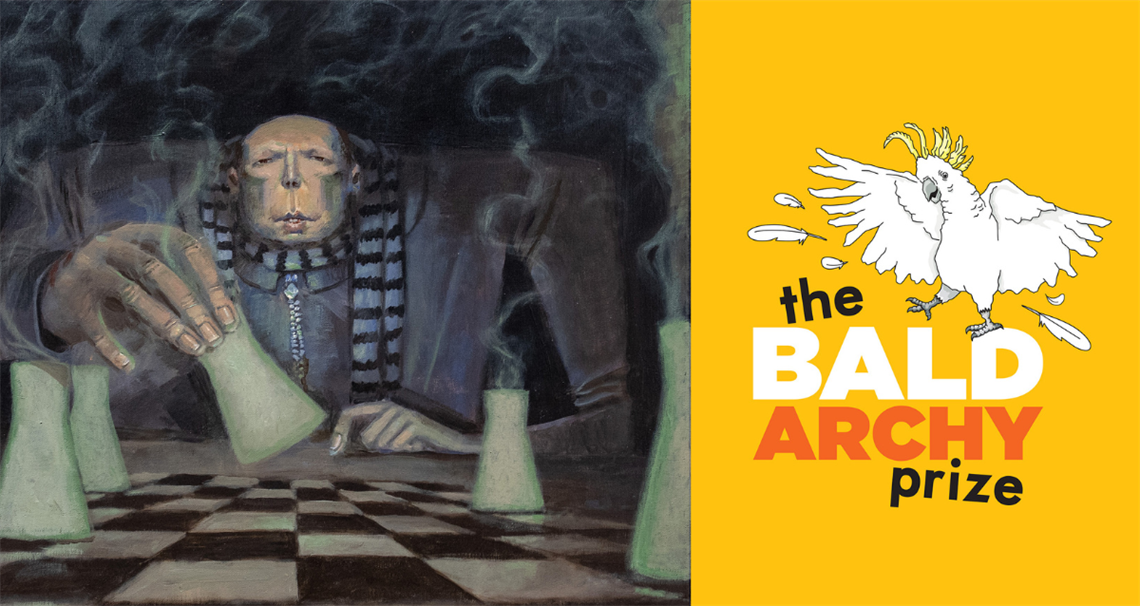
Broken Hill City Art Gallery is currently hosting one of Australia's most unique and entertaining art prizes: the Bald Archy Prize. Having opened its doors this past Friday, July 11, the exhibition promises a delightful dose of irreverent humor and fearless satire that's already captivating audiences.Known for its playful and provocative take on portraiture, the Bald Archy Prize is a celebrated counterpoint to more serious art competitions. Now in its 29th year, the prize was founded in 1994 by the late theatre director and arts advocate Peter Batey OAM as part of the Coolac Festival of Fun. It has since evolved into an internationally recognized celebration of the Australian larrikin spirit, drawing entries that brilliantly blend artistic skill with sharp political commentary, pop culture references, and outrageous wit.What truly sets the Bald Archy apart is its one-of-a-kind judging panel: a sulphur-crested cockatoo named Professor Maude. This feathered critic, who boasts a self-awarded online PhD from the Marilyn Monroe University of Little Rock, has presided over the prize since its inception. Professor Maude has become a cult figure in the arts world, making her selections based purely on comedic impact.This year's top honor and $10,000 prize went to Phil Meatchem for his painting Despicable Ploy. This satirical work cleverly targets Opposition Leader Peter Dutton and his proposed nuclear infrastructure plan."Presenting the Bald Archy Prize is a delight for the Gallery," said Kathy Graham, Gallery and Museum Manager. "It’s something entirely different, bold, and irreverent. The exhibition offers our audiences a rare opportunity to encounter contemporary portraiture through humour, satire, and playfulness, all while reflecting on the cultural and political figures that shape our times."The Bald Archy Prize exhibition runs at the Broken Hill City Art Gallery until August 10, 2025. Don't miss your chance to experience this distinctive Australian art prize in the historic setting of the Gallery.

Start planning those spring gardens, people

14 July 2025, 2:00 AM

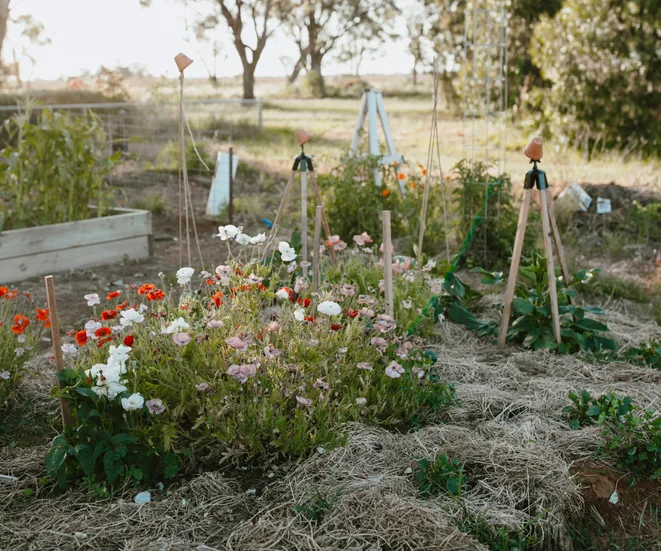
At the moment it might feel like crazy talk to be thinking of spring. But before we know it, the chill of winter will lift. If you’re keen on growing your own tucker, you’re in luck. There’s a whole heap of vegetables ready to go in the ground. For those lovely leafy greens, think lettuce, tatsoi, rocket, spinach, and other Asian greens like bok choy. Perfect for fresh salads as the weather warms! You can also get stuck into cabbage and kale from the brassica family, along with radishes and carrots if root veggies are your thing.And the list just keeps going for our warmer Riverina climate! The sources mention peas, beans, beetroot, broccoli, capsicum, cucumber, eggplant, endive, leeks, onions, parsnip, potato, pumpkin, silverbeet, spring onions, squash, sweet corn, sweet potato, zucchini, and rhubarb are all on the cards. Now, everyone loves a good homegrown tomato, don't they? The sources advise you can pop your tomato seedlings in after the last frost has well and truly passed, as they’re a bit sensitive to the cold snaps.But it’s not all about the veggies. If you fancy a bit of colour and cheer in your garden, spring in the Riverina offers some wonderful flower choices too. Sunflowers always bring a smile, don't they? And Cosmos, Zinnias, Dahlias, and Echinacea are all great picks for lovely spring and summer blooms. Imagine the joy of those bright petals in your yard!Alright, so you’ve got your list. But what about the nitty-gritty of getting them to thrive in our unique Riverina conditions? The sources highlight that timing is absolutely key. It's worth paying close attention to that last frost date for your specific area within the Riverina. You don’t want to be caught out planting those frost-sensitive little ones too early.Given our Riverina sunshine, it makes good sense to opt for vegetable varieties that are known to handle warmer temperatures. Especially as our spring tends to roll pretty quickly into proper summer. For folks who love a steady supply of greens, the idea of succession planting is a beauty. This means planting some vegetables like lettuce in intervals, so you've always got something fresh to pick.As we move into late spring and early summer, be mindful of the increasing heat. You'll need to adjust your planting and watering accordingly. For those precious tomatoes, for instance, ucanr.edu suggests that shade cloth can be a real lifesaver when the mercury climbs.There you have it – plenty to get excited about for your Riverina garden this spring. It's all about enjoying the process and celebrating the bounty that comes from our own patch of dirt. Happy planting!

Bruce Bolger: Lost digger walking for a cause

11 July 2025, 8:00 PM

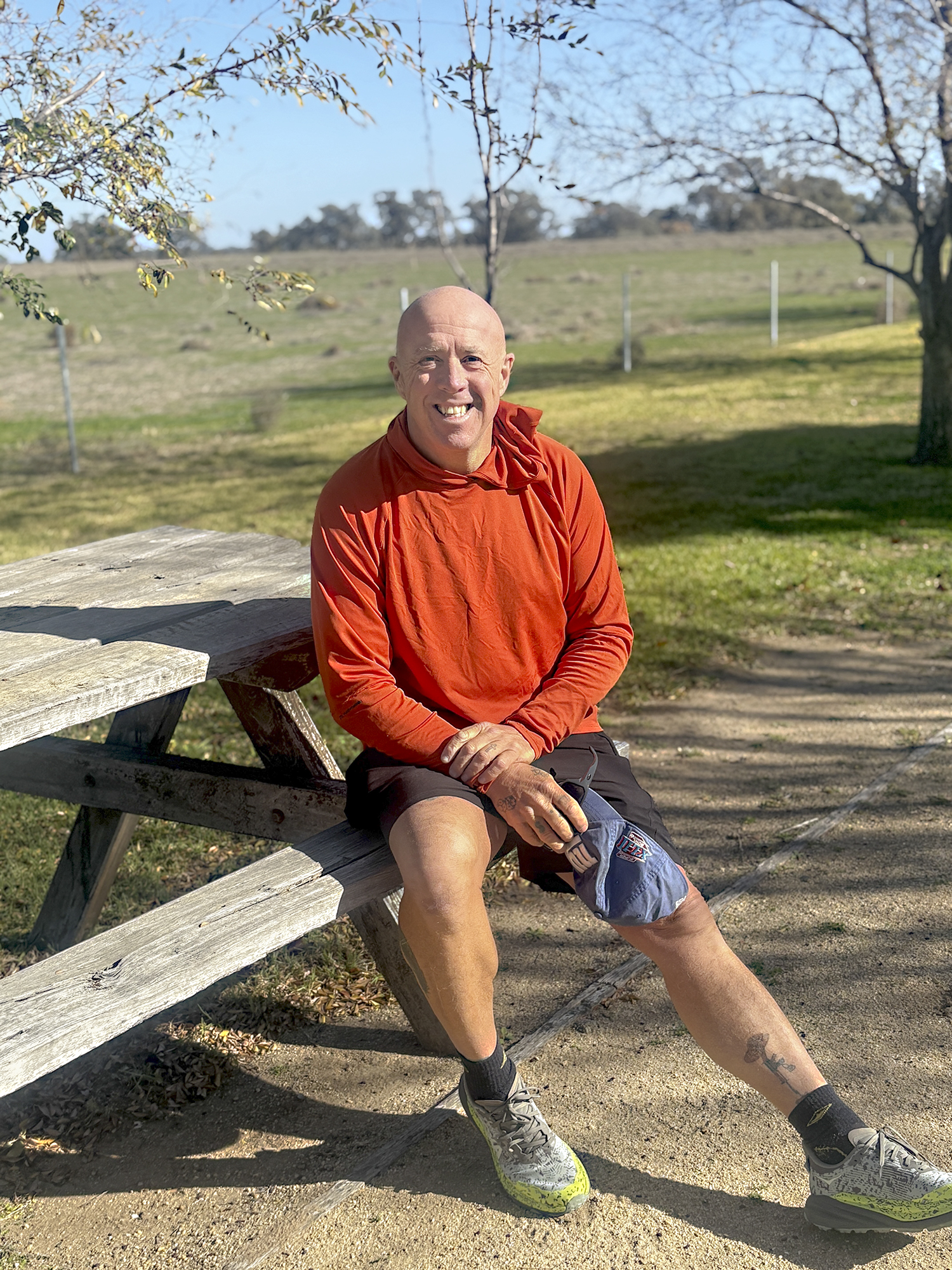
So, you’re driving along one of Australia's endless highways, watching a figure get larger in your windscreen. As they get closer, you see a converted baby stroller loaded with camping gear, pushed by a weathered man in his forties. His feet are bleeding, his body aches, but there's something unmistakable in his stride; pure determination. Meet Bruce Bolger, known on social media as Lost Digger, who is currently attempting to become the fastest human in the world to walk solo across Australia, unsupported. But this isn't just about breaking records. This is about a man who lost friends to suicide and decided to do something extraordinary to show others that it's okay to not be okay. Bruce's story begins with heartbreak. After 25 years in the Australian Defence Force, where he'd risen to the rank of warrant officer, he was medically discharged in February 2023. "Defence said you're a liability if you stay because of your injuries," he recalls. "Even though defence caused my injuries through my service, here's a medical discharge." The injuries were serious; ruptured spine, multiple operations, spinal fusions. "They once told me that I was supposed to be in a wheelchair," Bruce says matter-of-fact. But the physical wounds weren't the only ones that needed healing. "When I left the army, I was lost," he explains, which is why he chose the name Lost Digger for his social media presence. "I didn't know what to do. What was my purpose? “A lot of people commit suicide or take their own lives or get depressed when they leave defence and they don't have that; what do you do every day? What's that goal?" It was the loss of his friends that sparked this incredible journey. "I lost 13 friends to suicide in three-and-a- half years," Bruce says quietly. "That's what made me start this journey." He sold everything he had and began travelling. First, he cycled around Australia— not for the Black Dog Institute, as some might assume, but to raise awareness about mental health on his own terms. Every single day, Bruce covers between 43 and 53 kilometres, walking eight to 10 hours daily despite chronic pain. "I start walking and I get a cramp in my leg or pain in my foot, and I just walk through it and it goes away," he says. "For me, it's just one foot in front of the other." His equipment travels in what he proudly describes as a converted baby stroller— complete with suspension and the ability to double as a bicycle trailer. "Everything you need," he says, showing off the two sleeping bags inside. The physical challenge is immense, but Bruce sees it as part of the message. "If I can do this hardship, hopefully people will see it and they can go, okay, my life's not that bad," he explains. "I've got bleeding feet, I've got aches and pains every day, but honestly, I don't know how I do it." The mental approach is everything to Bruce. His biggest piece of advice? "Make your bed. If you make your bed, you do one thing and you've set your goal for the whole day. “You've accomplished one thing and that will set your whole day up." But there's a deeper meaning there too. "When you make your bed, that's another meaning—like in life, you cause stuff to happen in your life, and now you fix it," he reflects. Bruce is funding this entire journey himself, having cancelled a GoFundMe page because he felt it was unethical not knowing exactly where the money would go. "Everything goes to my existence because everything I'm paying out of my savings to do this," he says. The community response has been overwhelming - truckies leaving money at roadhouses, families driving hours to walk with him and bring groceries. "Someone drove an hour with their family to meet me and walk with me and gave me a bag of groceries," he recalls with genuine amazement. "These people were a whole family. Three times it was a whole family." People follow his journey on social media and you can find him by searching LostDigger. The response keeps him going on the hardest days. "Every day I wake up and go, especially when it's cold now, what am I doing? “And then I realise I get so much response from people on comments saying how I've inspired them." Bruce expects to finish his walk around July 16 at Bondi Beach in Sydney, having started at Cottesloe Beach in Perth—Indian Ocean to Pacific Ocean. After that? He's already planning his next challenge: walking from Adelaide to Melbourne via Hobart, inviting others to join him on various sections. "You don't have to be fit to do it—you get fit doing it," he says with a grin. "And that's the best thing about hiking. You just got to stick with it." The weight loss has been dramatic—13 to 14 kilograms so far. "The fat went and then all the muscles had to go now," he laughs. But perhaps Bruce's most important message is about resilience. "Always remember, you've got 40 per cent left," he says. "That's your fight flight, that's your survival, that 40 per cent. You can survive and you can keep going. "Life is hard. I'm going through pain every day, but my biggest thing is mindset. “If you decide to do something and you really want to do it, yeah, there's pain in the beginning and it hurts, but you only get fitter doing it." Bruce's journey isn't just about covering kilometres or breaking records. It's about showing that when life knocks you down—when you lose friends, when your body fails you, when institutions that defined your identity no longer want you—you can still choose to put one foot in front of the other. His message is clear: It's okay to not be okay, but if you want to change, it starts with you and your mindset.

Feed up your elderly

07 July 2025, 2:00 AM

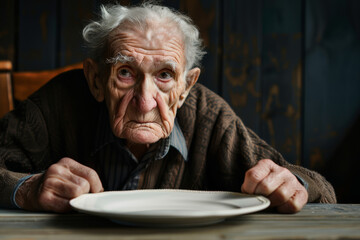
The full cream milk revolutionOk, so you're standing in the supermarket dairy aisle, reaching for the skim milk like you have for years, when you remember something, a geriatrician said recently. "You need to have a lot of saturated fat. You need to have meat, vegetables, cakes, biscuits, chocolates, ice creams and extra snacks."Not exactly the health advice most of us grew up hearing.But doctors who specialise in caring for older Australians are turning conventional wisdom on its head. The message families need to hear? Stop putting mum and dad on a diet."Families tend to think that as you get older, you need to eat less," explains one specialist. "They say, 'oh, mum's old now, she doesn't eat much', which is nonsense."The statistics are sobering. If an older person loses more than 10 per cent of their weight in a year, their chance of dying jumps by 260 per cent compared to someone who's maintained their weight.It's a reality many Australian families are grappling with. Take the experience of families where grown children find themselves caring for aging parents. Whether it's after a stroke, during chronic illness, or simply as mobility decreases, the question of nutrition becomes paramount.One daughter recalls quitting her job when her mother suffered a stroke. "She wasn't able to cook or shop for herself anymore," she remembers. Suddenly, ensuring her mother maintained her strength became the priority.Another found herself caring for young children while her mother battled cancer. "I did everything that I had to do for her and the family because that's what you do," she reflects.These experiences highlight what geriatricians are now urging families to recognise: older bodies need more calories, not fewer. Particularly those living with chronic illness, dementia, Parkinson's, or recovering from stroke."Without that energy and calories, the body ends up burning up muscles and then the organs shrink," one specialist explains. "Then you get the complications of malnutrition, which is falls, confusion. It worsens the outcome of chronic illness. There's a lot higher risk of infection."The research backs this up starkly. Up to one in every two older Australians living in aged care or at home are either at risk of malnutrition or are already malnourished. The symptoms aren't always obvious: weight loss, muscle weakness, pale skin, wounds that won't heal, increased falls, confusion, and dental problems.But here's what many families miss: it's not about age stealing appetite. "If they're eating less, there is something going on," health experts emphasise. "It could be drug side effects. It could be a swallowing problem. It could be constipation or other medical illnesses. So, you need to get that sorted out."The solution might surprise you. Forget the lettuce leaves and lean proteins. Medical advice now advocates for full cream milk instead of skim. Cheese, yoghurt, nuts and dried fruit throughout the day. Adding oil, cream and margarine to cooking. Boosting soups and stews with milk powder, cream or grated cheese. Even "lashings of butter on a nice bun loaf."For many families, this approach requires a complete mindset shift. We've been conditioned to think that lighter eating equals healthier aging. But the evidence suggests otherwise.Family carers often find that having a good relationship with the GP becomes crucial, especially when navigating the complex intersection of multiple medications, chronic conditions, and changing nutritional needs. Regular check-ups can help identify problems before they become critical.But it also requires family members to watch for the signs. Notice if clothes are fitting differently. Watch them eat. Be alert to dental problems or falls. Most importantly, don't assume weight loss is just part of getting older.The message is becoming clearer through both research and the lived experience of Australian families: when it comes to keeping our older loved ones healthy, more isn't just better; it might be lifesaving.Many adult children struggle with this shift. After years of encouraging parents to eat lighter, to watch their cholesterol, to cut back on treats, suddenly the medical advice is reversed. Ice cream becomes medicine. Butter becomes essential. Full fat everything becomes the goal.It's not just about calories either. Social eating matters enormously. Sharing meals, celebrating with food, maintaining cultural food traditions – these all contribute to wellbeing in ways that go beyond nutrition alone.So next time you're grocery shopping for an elderly parent or grandparent, reach for the full cream milk. Add the extra butter. Include the afternoon tea with biscuits. It's not indulgence; it's prevention.Sometimes the most loving thing we can do is make sure there's always something delicious within reach. In a world where we're constantly told to eat less, our elderly loved ones need us to remember that sometimes more is exactly what they need.The shift in thinking isn't easy, but it's necessary. Our parents and grandparents spent decades caring for us, making sure we were well-fed and thriving. Now it's our turn to ensure they get the nourishment they need – even if it means rethinking everything we thought we knew about healthy eating in later life.If you're concerned about nutrition in an older family member, speak to their GP. Dietitians can provide practical advice on nutritious, appealing meals that meet individual needs and preferences.

 Griffith City Council delivers timely reminder to all: be mindful of what you flush down the toilet.
Griffith City Council delivers timely reminder to all: be mindful of what you flush down the toilet.

03 July 2025, 2:00 AM

“If it’s not poo, pee, or toilet paper, it belongs in the bin,” Council’s Director of Utilities Mr Gordon.Griffith City Council has experienced a concerning number of blockages.Their wastewater team has responded to dozens of incidents where pipes were clogged due to non-flushable materials. In addition to the environmental consequences, these blockages are costly to clear, with thousands of dollars spent annually on repairs and maintenance that could have been avoided.Clogged sewer systems in New South Wales have a significant impact on councils, costing millions of dollars annually in blockage clearance and maintenance. A State Government survey indicated that up to 70 per cent of sewage management systems experience some form of failure. Blockages, often caused by non-flushable items like wet wipes, lead to environmental and public health risks, including contamination of waterways. Flushing anything else can cause severe blockages, sewer overflows and costly repairs that impact both households and the broader community.Non-flushable items, such as wet wipes, sanitary products, cotton buds, paper towels, and even so-called ‘flushable’ wipes, do not break down like toilet paper. These materials accumulate in sewer pipes, leading to blockages that can cause sewer overflows in homes, streets and waterways, posing a risk to public health and the environment.Council’s Director of Utilities, Graham Gordon, emphasised the importance of the community working together to maintain a healthy sewer system.“When non-flushable items enter the sewer system, they don’t break down like toilet paper,” he said.“Instead, they combine with fats, oils and grease to form solid blockages that disrupt wastewater flow. This leads to overflows, costly repairs, and even damage to private plumbing systems. “Simply put, if it’s not poo, pee, or toilet paper, it belongs in the bin,” Mr Gordon said.To help prevent sewer blockages, residents are encouraged to:Only flush the 3 Ps: Poo, Pee and (toilet) Paper.Dispose of wipes, sanitary products, cotton buds and other waste in the bin.Avoid pouring fats, oils and grease down the drain, as they contribute to blockages.By making these simple changes, the community can help protect Griffith’s sewer system, reduce environmental harm and prevent unnecessary costs.

Buy a tile for Wilcannia Church

02 July 2025, 8:00 PM

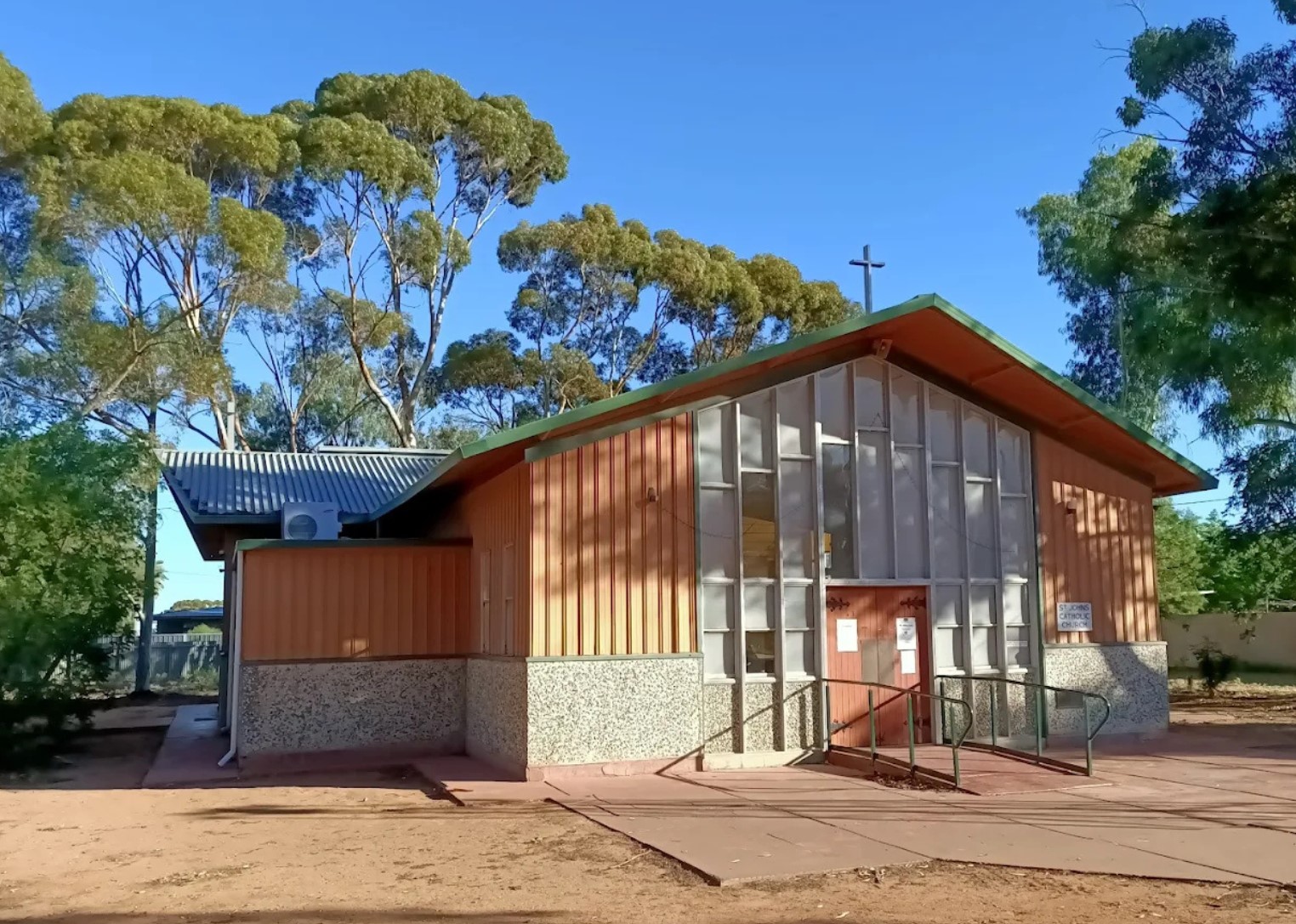
A Go Fund me has been set up to help the small church When the Wilcannia Catholic Church of St John the Apostle was built in 1966, it has provided a sacred space for liturgies, baptisms, weddings, funerals and other sacraments, as well as children's programs and gatherings for prayer and celebration. In a small town like Wilcannia, community hubs can be few and far between, with the church being a big asset to the town.However, the original vinyl flooring has never been renewed and has suffered water damage. The cleaning team despair that it never looks cleaner after any mop or polish.The church is asking for help to cover it afresh with carpet tiles that will be appropriate for the water issues and easily replaceable.“Part of the funding towards this project has already been provided through very kind donors and our weekly parish collections. “We would be extremely grateful for your contribution to purchase a single carpet tile for $32.50,” said Sister Elizabeth Young rsm (Parish Life Coordinator).“Donations are not tax-deductible, but names that wish to be acknowledged will be displayed. Thank you very much and God bless you for your generosity!”At the time of writing, $1,136 of the $2,400 target has been raised. Any contribution, however small, is treasured. You can donate by following the link below: https://www.gofundme.com/f/new-flooring-for-st-johns-wilcannia-nsw?attribution_id=sl:5106b11c-66d3-45dd-92cb-45b3a4134b93&lang=en_GB&utm_campaign=man_ss_icons&utm_medium=customer&utm_source=copy_link

Celebrating 160 years of Mungadal - Part two

30 June 2025, 5:28 AM

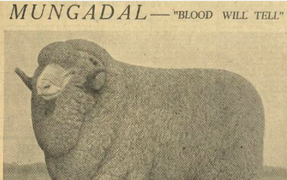
This week’s Blast from the Past is the second part of remembering Mungadal Station’s 160 years of history and achievements. When Anthony Hordern II arrived in the Hay district in June 1923, he brought with him a reputation that was already well established in the world of stud breeding. He was described as a man born into the world of commerce, but who became a leader in every field of stud stock breeding. Hordern was recognised as a pastoral peer and genetic genius who would transform Mungadal into one of the world's most celebrated Merino studs. Mr Hordern had already proven his credentials as a top stock breeder, having established the Milton Park cattle stud near Bowral. His entry into sheep breeding began with the founding of the Bywong Stud at Gundaroo near the Federal Capital Territory, where he invested in some very high-priced Boonoke rams. However, finding that this type of sheep did not thrive well at Bywong, he disposed of the property and moved his attention to the Hay district. Even before purchasing Mungadal, Hordern was already establishing connections in the area, agisting sheep at Somerset (now part of Uralla just south of Hay), at Kyeema, and on property owned by the Headon family. During a particularly dry period in May and June of 1923, Mr Hordern took an interest in the purchase of Mungadal, and whilst negotiating its purchase and embarking on inspection tours of the property, the rains came. The timing could hardly have been more challenging. The sudden rains made travelling extraordinarily difficult, with the result that much of his inspection was conducted by horse and sulky, with the assistance of Mr Alf Ashley Snr of Hay. Despite these difficulties, Hordern recognised the potential of the property, and the sale of the station was announced by the selling agents Wilkinson and Lavender in July 1923. At the time of purchase, Mungadal consisted of 111,712 acres. The existing Mungadal stud, which had its early foundation on Tasmanian and Ercildoune blood established by Colin Simson, had already been influenced by the Peppin strain from Wanganella and Boonoke, setting the stage for Hordern's revolutionary breeding programme. Hordern's advent to Mungadal brought about a remarkable consolidation of two studs that were predominantly Peppin bloodlines. He joined his Mungadal 'No 1' Stud, which he had already established on this breeding at Bywong, with the existing Mungadal Stud (known as Mungadal No 2), which had been established by the Simsons many years earlier. From 1923 until 1936, Mr Hordern conducted both studs at Mungadal before reconstructing them through a careful transfer of breeding stock. The reconstruction involved the transfer of eight rams and 510 ewes from Mungadal No 1, Flock 15, and 55 rams and 3,260 ewes from Mungadal No 2, Flock 230. This careful blending of bloodlines represented one of the most significant genetic projects in Australian Merino breeding history. The Mungadal No 1 stud (formerly the Bywong stud) had been founded by Anthony Hordern in 1921 at Gundaroo, New South Wales, through the purchase of two highly priced rams and 200 ewes from F.S. Falkiner and Sons, Boonoke Conargo. The quality of this initial investment was evident – these were not merely sheep, but the genetic foundation of what would become a world renowned bloodline. Further purchases from Boonoke followed: 24 rams and 2,000 ewes in 1922. Later, in 1924, when Hordern had moved to Mungadal, he purchased a further ram from Boonoke and added to these in 1926 with 13 rams and 51 ewes, and again in 1933 with another ram, all from the Boonoke stud. The consistency of his purchasing from this single, exceptional source demonstrates Hordern's commitment to maintaining genetic integrity and quality. Significantly, there was no further outside introduction of blood to the stud until 1947, when Ajax was bought from Uardry for 1,100 guineas – the top price for that year's Sydney sales. This purchase demonstrated both the exclusivity of Hordern's breeding program and his willingness to invest in exceptional genetics when they became available. The Mungadal Number 2 stud, founded by Simson with approximately 2,000 selected ewes, was purchased by Hordern when he bought Mungadal on a walk-in, walk-out basis. This seamless transition ensured that the careful genetic work begun by Colin Simson would continue and evolve under Hordern's masterful guidance. Another groundbreaking aspect of stud breeding at Mungadal under Mr Hordern was the foundation of the Mungadal Poll Stud. This innovative breeding line was established with 75 ewes selected from the Mungadal flock No. 15. The poll ram produced by this programme attracted significant attention from other leading breeders, including Mr Otway Falkiner. Falkiner had founded a poll stud at Jerilderie in 1934 on Boonoke blood, later moving it to Zara, Wanganella. Mr Falkiner offered a substantial sum for the Mungadal poll ram, but Hordern was deeply interested in this breeding line and retained the ram to found his own poll stud. He carried this stud forward without any outside introductions, demonstrating remarkable commitment to developing his own genetic lines. When he eventually sold Mungadal to Naroo Pastoral Co., he moved the poll stud to his new home at Ulladulla near Holbrook, where his continued interest in this line would be showcased in forthcoming Albury sales and shows. When Mr Hordern first took up Mungadal, he declared two ambitious goals: to breed the best sheep possible and to make Mungadal into a showcase. The historical record shows that he achieved both objectives magnificently. On the breeding side, he rose to the very pinnacle of the sheep world when he won the blue ribbon event at the Sydney Show – the prestigious Stonehaven Cup – on three successive occasions in 1950, 1951, and 1952, and again achieved this honour in 1956. The first Stonehaven Cup victory in 1950 was particularly memorable, marking the beginning of their historic hat-trick. This was a defining moment in the achievements of Mr Anthony Hordern, whose aim had always been to breed top-class stock. The significance of this first victory was underscored when Hordern was presented with his first Stonehaven Cup by Prime Minister Robert Menzies, highlighting the national importance of his achievement. Between these Stonehaven Cup victories, in 1954, Hordern achieved another remarkable honour when he won the Australian Championship for the most valuable fleece at the Australian International Wool Exhibition. This victory demonstrated that Mungadal's success extended beyond the show ring to the commercial realities of wool production. Apart from his dominance in the Stonehaven Cup competition for three rams and two ewes, Mr Hordern took particular interest in showing his Mungadal merinos in pens of five. His philosophy was clear and revolutionary for the time; "It is not enough to breed one outstanding sheep; breeders must concentrate on breeding a fine type throughout the stud." This approach to consistent quality across the entire breeding program set new standards for the industry. While being a keen exhibitor of sheep, Mr Hordern was notably different from many stud masters in that he was not keen on seeking renown for highly priced rams. It is well documented that his best rams were always turned back into the stud where they were used for the improvement of selected and flock rams. This practice demonstrated his commitment to the improving his clients flocks throughout and beyond the Hay district, prioritising long term genetic improvement over short-term financial gain. This philosophy of turning top rams back into the breeding program rather than selling them at high prices represented a significant sacrifice of immediate income in favour of long-term genetic progress. It also demonstrated Hordern's commitment to his clients and to the broader improvement of merino sheep throughout Australia. The success of Mungadal under Hordern's ownership was supported by a carefully chosen team of dedicated professionals. Shortly after buying Mungadal, Mr Hordern departed on an overseas trip, leaving Mr Leo Wright in charge as the first manager. Also on his staff at the time was Mr L.P.J. (John) Storey, who came from Bywong with Hordern as a jackeroo, and W.J. McCarthy was employed as a classer. Mr McCarthy carried on in his role for many years until 1945, when Mr Malcolm McLeod took over and continued in the position thereafter. Mr Wright did not stay many years and was replaced by the youthful Mr Storey as manager, who carried on in that capacity until his retirement in 1958. After Storey's retirement, the property reverted to the personal supervision of Mr Hordern until he sold the operation. This continuity of management and the careful development of staff expertise were crucial elements in maintaining the consistent quality and genetic progress that characterised the Hordern era at Mungadal. The longevity of service demonstrated by these key personnel reflected both the quality of Hordern's leadership and the special nature of working at one of Australia's premier studs. By 1965, the station boasted a 22-mile frontage to the Murrumbidgee River and was divided into 72 paddocks, all of which in a normal season were well-watered. Twenty-four paddocks totalling 880 acres were under improved pastures and were well irrigated, representing significant investment in agricultural improvement. The commitment to feed security was evident in the property's silage production capabilities. In a normal season, more than 4,000 tons of silage were stored on the property, providing crucial backup feed for the extensive sheep flocks during dry periods or seasonal variations. When Naroo Pastoral Co. took ownership in 1963, they retained much of the management structure that had served the property so well. The manager in 1965 was Mr Fergus Fysh, who joined the Naroo Company from Charles Mills (Uardry), where he had been overseer. The stud sales representative was Mr Don McNeil, who had been at Mungadal longer than any other employee at that time.Don McNeil's service to Mungadal spanned over 30 years, beginning as a lad. His dedication to stud breeding was evident early in his career when he won three consecutive junior judging competitions in Melbourne. The owners of Mungadal in 1965, Naroo Pastoral Co. Pty Ltd, represented a new era in Australian pastoral ownership. The company had only been formed in 1960, but in those five years, they had spread their operations over 300,000 acres of grazing and farmland in New South Wales and Tasmania. Naroo was a $1.5 million subsidiary of British Tobacco Company (Australia) and was formed as a joint enterprise with British American Tobacco Company of London. This international backing provided the capital and strategic vision necessary to maintain and expand Mungadal's operations while preserving its reputation for breeding excellence. The story of Mungadal continued to evolve in the decades following the 1965 feature.Mungadal Station was purchased in 2010 and was later expanded with the acquisition of Pevensey in 2011, bringing the property full circle to include land that had been part of the original Lang brothers' holdings. Further expansion followed with the acquisition of Ulonga to the north in 2015 and neighbouring Rosevale in 2016. The current owners of Mungadal, Paraway Pastoral Company, have increased the size of the operation to 116,994 hectares. In addition to the self-replacing sheep flock, the property maintains some irrigated cropping and takes on trade cattle when the seasons permit. Jock Campbell manages Mungadal Station, supported by a small team of full-time staff. From the Scottish dreams of the Lang brothers to the genetic genius of Anthony Hordern, from the foundational work of Colin Simson to the modern pastoral operation managed by Jock Campbell, Mungadal Station represents more than 160 years of Australian pastoral history. For more than a century and a half, this property has been a place of renewal and abundance, where each generation of owners and managers has built upon the work of their predecessors to create something greater than what came before. The genetic lines established by Colin Simson and refined by Anthony Hordern continue to influence merino breeding throughout Australia and beyond.

Margaret Tucker of Griffith recognised in June Long Weekend honours

26 June 2025, 5:00 AM

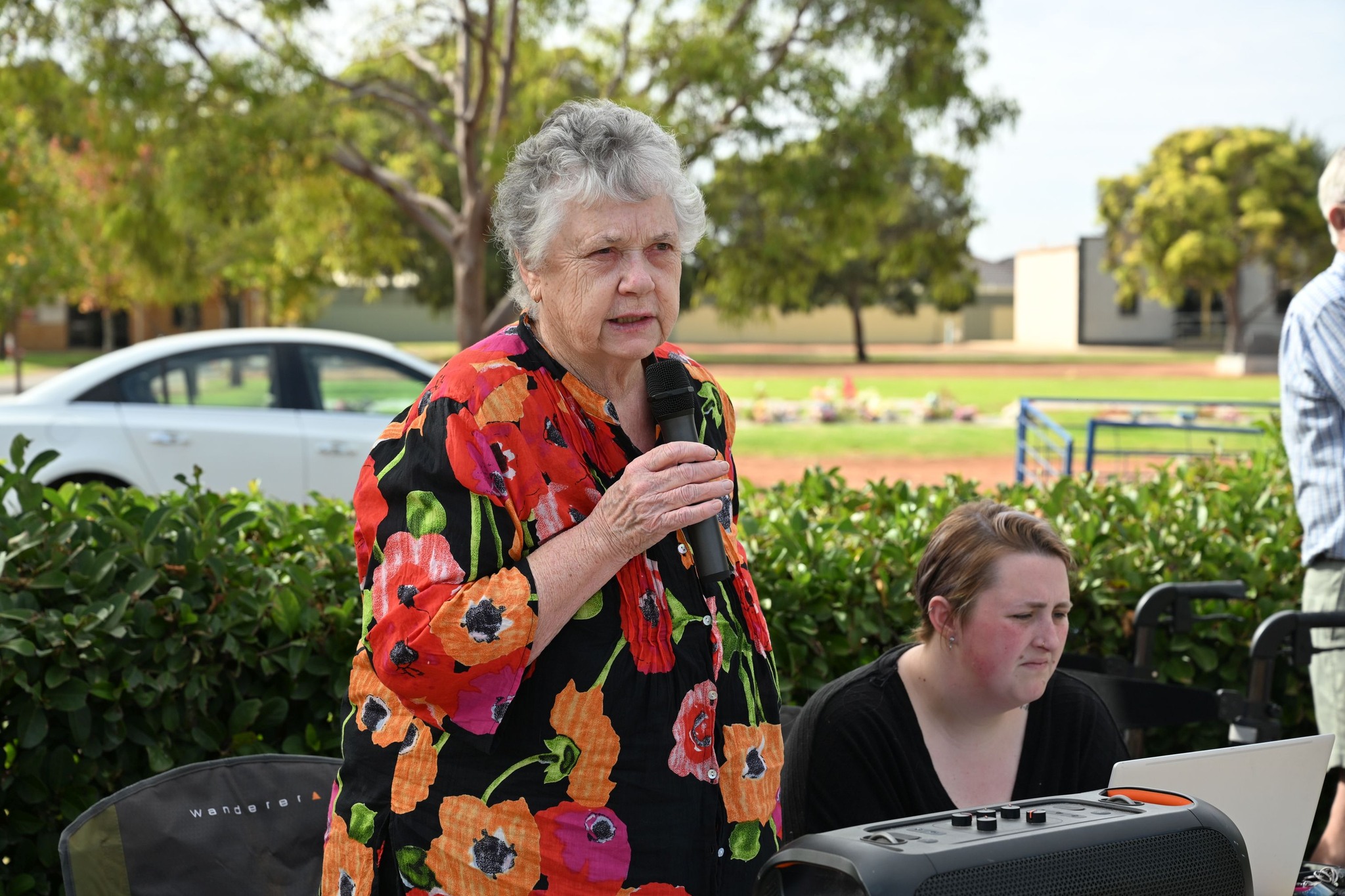
Margaret Tucker's quiet mission to honour forgotten veteransPicture this: you're typing up obituaries for the local genealogy society, and a pattern starts to emerge. Name after name of ex-servicemen and women, their military service noted in their final farewells, but when you visit the cemetery, their graves tell a different story. No marker. No recognition. Nothing to show they served their country.That's exactly what happened to Margaret Tucker twelve years ago in Griffith, southern New South Wales. And being Margaret, she couldn't just let it slide."I then started the process of marking their graves which was very hard to do," she recalls. "There was a lot of red tape involved because you need to be a family member to touch the grave and they wouldn't let me."Anyone else might have given up there. But Margaret Tucker isn't anyone else.The 69-year-old rolled up her sleeves and got to work. She tracked down families, enlisted help from the local RSL, navigated bureaucratic hurdles that would have defeated lesser souls. With determination that's become her trademark and a grant from the Ex-Servicemen's Club, she eventually saw 64 plaques placed on veterans' graves at Griffith Cemetery.But Margaret wasn't finished. Not by a long shot.What started as a mission to mark unmarked graves permanently has blossomed into something much bigger—an annual tradition that brings the whole community together. Every year ahead of Anzac Day, Margaret organises working bees to place small white crosses with poppies attached on more than 1,000 veterans' graves."The saying is 'put a flower on the grave of an ex-serviceman or woman'," Margaret explains, as if it's the most natural thing in the world.The tradition has grown beyond anything she imagined. School children from places like Beelbangera Public School join in, laying flowers on the graves marked with white crosses. Community members pitch in. Young veterans lend their hands. What began as one woman's quiet mission has become Griffith's own special way of remembering.Kristie Symonds, principal at Beelbangera Public School, brought two student leaders to participate this year. She sees the deeper value in what Margaret has created, especially with international conflicts like Ukraine, making war feel very real to young people again."It's very good for them to realise that our history is made up from our past and things that we've done in our past affect our future," she said. "It also teaches the younger generation respect for people who have been in the past and to acknowledge their contribution to our society today."For Margaret, though, it's not about recognition or praise. Her humility shines through when she talks about her work: "I don't feel it's that special, I just feel it's something important to me, that's all."That quiet understatement is so typical of people who do genuinely meaningful work. They don't see themselves as heroes—they just see something that needs doing and get on with it.But others have noticed. Margaret's tireless and dedicated work commemorating fallen and near-forgotten Anzac soldiers earned her a Medal of the Order of Australia—recognition that's richly deserved for someone who has given so much of herself to honour others.Every year, the tradition grows. More volunteers, more school children, more community members understanding that remembrance isn't just about the big ceremonies and official commemorations. Sometimes it's about small white crosses and flowers placed with care on graves that might otherwise be forgotten."War's a bad thing and it shouldn't happen, but if it does happen people need to be remembered for that," Margaret said.In a time when the world feels increasingly divided, there's something profoundly moving about a community coming together to remember those who served. Margaret Tucker started with obituaries and unmarked graves; she's created something that connects generations and keeps memory alive.The white crosses appear each year at Griffith Cemetery like clockwork, a testament to one woman's refusal to let service go unrecognised. In her own understated way, Margaret has ensured that in her corner of New South Wales, no veteran is forgotten.Source: ABC News

 Community urged to help reduce soft plastic waste
Community urged to help reduce soft plastic waste

26 June 2025, 2:00 AM

Griffith City Council is urging the community to consider ways to avoid or reduce consumption of soft plastics and ensure they are carefully disposed of.Waste audits and recycling bin inspections undertaken in Griffith consistently show that soft plastics are the most common type of contamination found in yellow-lidded kerbside recycling bins. Contamination refers to materials that cannot be recycled.Council’s Waste Operations Manager, John Roser said, it’s important that soft plastics do not end up in your kerbside recycling bin.“Recyclable materials from the yellow lid bins are sent for sorting and processing at a Materials Recovery Facility (MRF). Soft plastics get caught in machinery at the MRF, causing delays, placing waste workers at risk, and increasing processing costs that eventually come back to you,” he said.“Please do not use a plastic bag liner for your recycling bin, and make sure all your recyclable materials are placed loose in the recycling bin and not in any bags.“Unfortunately, there is not a specialised soft plastic collection service currently available, so the only disposal option for soft plastics is the red lidded general waste bin destined for landfill.”The best way to address the soft plastics issue is to avoid soft plastic use wherever possible and consider alternatives. Residents are urged to consider using reusable shopping bags, bulk-buying to reduce packaging and choosing items with recyclable packaging. Swap cling wrap for containers and try cotton or mesh bags for fruit and vegetables.There is no doubt that plastic has transformed the way we live, offering convenience and durability in everyday packaging and products. But the very qualities that make plastic so useful also contribute to a growing waste challenge, especially when it comes to soft plastics.New South Wales produces around 800,000 tonnes of plastic each year, yet only 10% is recycled. Soft plastics, like bread bags, chip packets and cling wrap are particularly problematic. They’re lightweight, easily blown into the environment and break down into microplastics that threaten our waterways, wildlife and even human health.To assist Council and the community, waste educators from Envirocom will be in Griffith next week, hosting Waste and Recycling Pop Up Information Stalls around the city.Where you can find them:Griffith Central - Thursday 19 June 2025 - 9am - 3pmGriffin Plaza - Friday 20 June 2025 - 9am - 3pmGriffith Central Markets - Saturday 21 June - 8am -12 noonGriffith Rotary Markets - Sunday 22 June - 8am - 12 noon

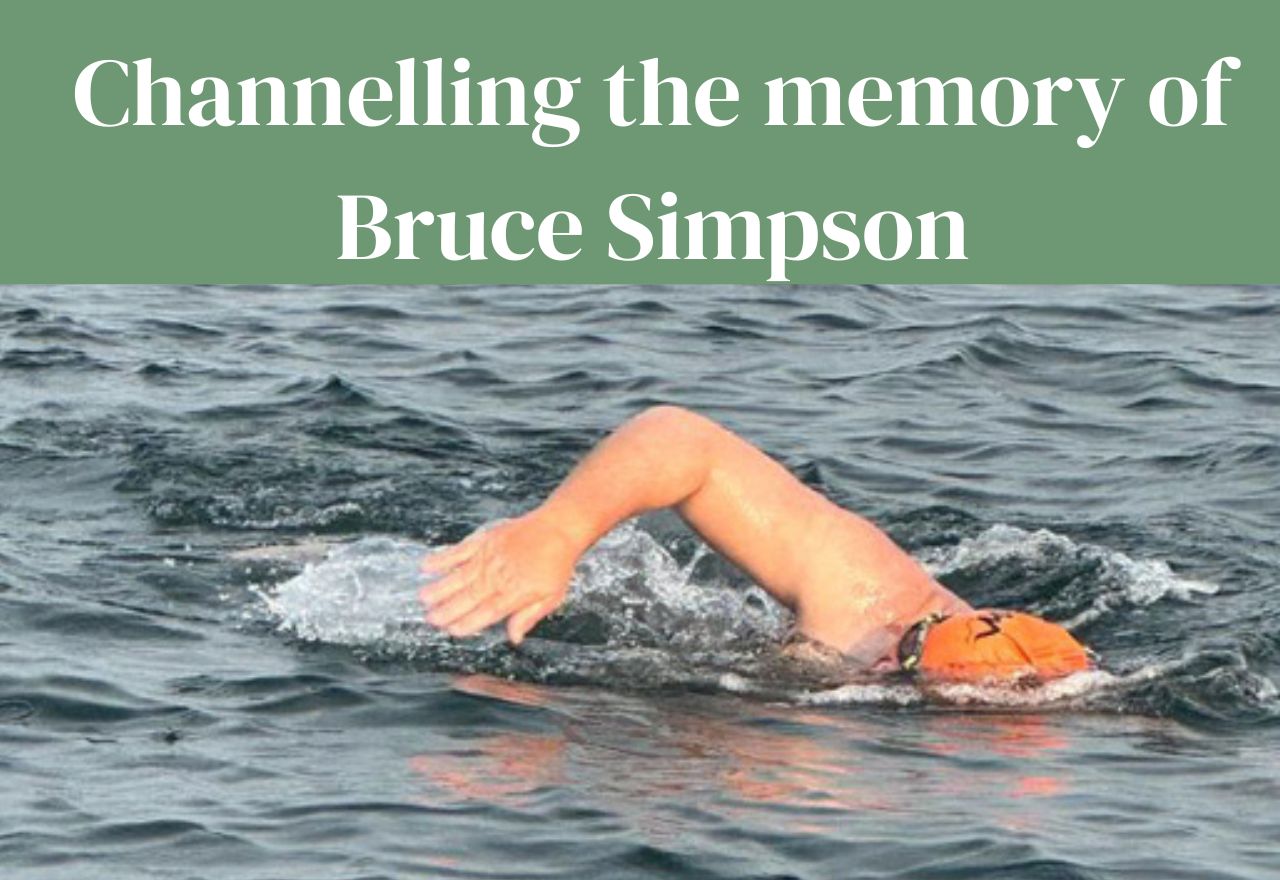
Channelling the memory of Bruce Simpson in marathon swim

25 June 2025, 11:00 PM

Swimmer Michael Powell has chosen to put his body on the line to raise funds to contribute to a rural scholarship, set up his late father-in-law’s memory.Mr Powell has partnered with the Australian Rural Leadership Foundation, who also facilitate the Bruce Simpson Rural Leadership Scholarship - a $2 million perpetual fund that will support rural leadership.“I lost my leg at age four,” Mr Powell said. “I’ve spent my life pushing limits on the sports field, in open water, and now in one of the world’s toughest swims: the icy North Channel from Northern Ireland to Scotland“I’m swimming to honour my late brother-in-law, Bruce Simpson. “Bruce tragically and unexpectedly passed away in 2024, leaving lasting impact on rural Australia. “After my own dad passed, Bruce was the one I turned to. “He was generous, wise, and humble. A steady presence in his community and in my life.”Mr Powell aims to raise $100,000 for the scholarship and the challenge he is undertaking at the end of July is not for the faint-hearted.“Swimming the North Channel is no small challenge,” Mr Powell said. “From Northern Ireland to Scotland, it’s colder than the English Channel and fewer than 120 people have ever completed it.“I’ve tried twice before. Ten hours in the water each time. I didn’t make it. But I’ve never stopped thinking about it.“This year, I’m going back for a third attempt. And this time, I’m swimming with purpose.“I’m doing it for Bruce.”To donate, visit the Australian Rural Leadership Foundation.

Message from Mayor Doug Curran

25 June 2025, 8:00 PM

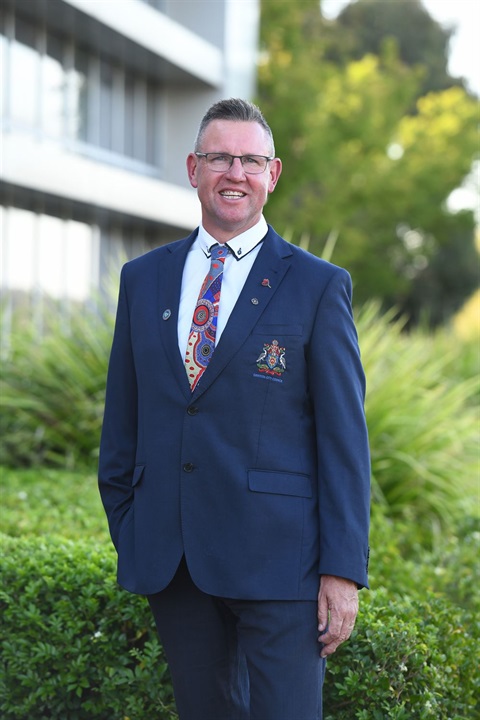
Mayor Doug Curran reflects on a busy time Griffith has had recently. “What a busy couple of weeks it has been and another next week as well,” Mayor Dough Curran said in his recent report to Griffith City Council.“Apart from the hugely successful Shaheedi Games over the long weekend, the highlight for me had to be the visit to Griffith by the Melbourne Cup. Thank you to the organisers for choosing Griffith but also to the Visit Griffith team at Council for their excellent organisation to ensure as many people as possible could see the Cup up close and personal.“This week, we held a Refugee Week Citizenship ceremony. Congratulations to our newest citizens as we welcome them and their families to our wonderful City. “The FY25/26 budget as well as the 4-year Delivery Plan and 10-year Long Term Financial Plan were adopted at the Council meeting held on 19 June. The Councillors agreed on the successful applicant to replace Brett Stonestreet as our new General Manager. We will be able to announce the new General Manager in the near future. This is a significant task for our Councillors and I want to thank them all for giving up so much of their time to interview applicants. I will have more to say in coming editions about Brett’s significant contribution to our Council and our City.“Next week, Councillors Ellis and Blumer along with the General Manager and myself will be in Canberra for the Australian Local Government Assembly. We debate motions about the future of local government in Australia and use our time to network with other Councils across the country and meet with Federal politicians where possible. One of our main areas of focus this year will be on water buybacks and their detrimental effect on our community.“Stay safe, stay well and above all else, be kind to each other and yourself. Bye for now.”

Buce Simpson scholarship fund raises half a million

24 June 2025, 2:00 AM

More than $590,000 has been raised for a rural leadership scholarship fund in memory of Bruce Simpson, reflecting his lifelong dedication to supporting regional Australia.When Deniliquin-based Bruce Simpson, died suddenly following an anaphylactic reaction in February 2024, a great void was left within his family, his Riverina community, and throughout the many fields that benefited from his representative and advocacy work. Bruce was a graduate of the Australian Rural Leadership Foundation (ARLF) program and shared this life-changing experience alongside our ARLF CEO, Matt Linnegar, almost 25 years ago. With his sudden passing, his family partnered with the ARLF to create a $2 million perpetual fund, to ensure that Bruce’s commitment lives on by providing an annual scholarship to a promising individual from the rural sector to undertake training and develop critical leadership skills.The Bruce Simpson Rural Scholarship Fund honours Mr Simpson, a passionate advocate for rural Australia - Bruce dedicated his life to empowering his community and the agricultural sector. To date contributors have raised more than $590,000 since the fund was launched last November.Family members of Mr Simpson seeded the fund, with an extraordinarily generous contribution. Bruce’s twin brother, John, likens the fundraising effort that lies ahead to climbing Mount Everest. “Raising the first million dollars will be a bit like reaching Everest ‘base camp,’” He told ARLF.“Raising the second million will be more akin to tackling the summit at 8,849 metres. We will require all the support we can muster.” Mr Simpson is aptly described on the ARLF website;“Cheerful. Magnanimous. Wise. Kind. Fair. Honest. Direct. Compassionate. “Bruce brought calm leadership, unwavering generosity, and a love for agriculture to the communities he served. “His journey began far from the expansive paddocks of the New South Wales Riverina, but he quickly found his way to the land, following his deep-seated passion for farming and rural life.“Bruce was known for his quiet strength and fair-mindedness, whether as Chair of Murray Irrigation Ltd. or as an agribusiness consultant and mentor. “His thoughtful approach made him a trusted voice on complex issues, from water management to community advocacy. At every step, he championed fairness, always willing to listen, support, and help others find their way forward.”You can donate to the scholarship on the australian rural leadership website

Celebrating 160 years of Mungadal Station: Part One

23 June 2025, 5:00 AM

Mungadal Station is a well-known station in the district. Celebrating 160 years this year, we looks back on the history of the iconic station, and is based on a special feature from the Friday June 18, 1965 edition of The Riverine Grazier. It was a large and intensive feature, seven pages with congratulations from Mr A.J. Grassby member for Murrumbidgee, and Mr A.A. Armstrong, Member for Riverina, and Cr M.B. Lugsdin, Shire President of Hay Shire Council. There were significant advertisements placed from business associated with Mungadal, including Shell Fuel and Elders, Murrumbidgee county council, Dalgety, and other companies. "Naroo Pastoral Co, proprietors of Mungadal Merino Stud, are today celebrating the establishment of their stud flock, 100 years ago. Mungadal has always assumed a big part in Hay's history because of the size of the huge station, bordering the town, and the fact it is one of the leading Merino Studs of the Commonwealth, the prosperity of this town and district being dependent on Merino sheep breeding and Merino wool." The Scottish Brothers Who Built an Empire The story of Mungadal begins not in the sun-scorched plains of the Riverina, but in the rolling hills of Selkirk, Scotland, where three brothers dreamed of a new life in the antipodes. The Lang brothers, William, Dr Thomas, and Gideon – were the sons of Andrew Lang, the head of an old established South of Scotland law firm. William and Thomas arrived in Australia in 1838, with Gideon joining them in 1841. The brothers were driven by the spirit of adventure and opportunity that characterised the colonial era. Gideon Scott Lang (1819 to 1880) was a Scottish born Australian pastoralist who became a key figure in the pioneer settlement of Victoria, the Riverina and the Darling Downs regions. Born on 25 January 1819 in Selkirk, young Gideon left school at 16, perhaps already harbouring dreams of the vast pastoral opportunities awaiting in the southern colonies. Initially, William and Thomas held a sheep station on the Saltwater River, where Gideon joined them in partnership, giving him his first taste of the Australian pastoral industry. But Gideon was a restless spirit, and for a time he diverted his interests to an ambitious f ishing venture, attempting to establish a deep sea fishing company with grand plans to exchange fish caught in Australian waters with China and Batavia for tea and sugar. The speculation was abandoned, however, and Gideon again joined his two brothers in pastoral pursuits. Their partnership led them first to Buninyong, then to country on the Glenelg River. It their was here that the brothers began to establish themselves as serious pastoralists, but sights were set on bigger opportunities further north. Gideon Lang was first introduced to the Riverina country in 1847 when he travelled overland to Sydney for sheep. On his return to the Glenelg, he stayed with George Hobler who had settled at Nap Nap in 1845, and it was perhaps during this visit that the seeds of their Riverina ambitions were planted. The Great Acquisition The year 1848 marked a turning point in both the history of Mungadal and the Lang brothers' pastoral empire. They purchased Mungadal from John Tooth, and soon afterwards acquired Pevensey from the same owner. Not content with these substantial holdings, they also purchased Eli Elwah on the east from N.C. Bagot, creating an impressive 30-mile frontage to the Murrumbidgee River. The Langs bought Mungadal in the Riverina and soon afterwards Pevensey. They bought other runs in this area, including Wanganella North, and eventually held a 30-mile (48 km) frontage on the Murrumbidgee. For some years the later town of Hay was known as Lang's Crossing Place. The brothers' strategic thinking was evident in their acquisitions. One of their main reasons for buying these extensive holdings was to provide stock for the goldfields, recognising the opportunity that the discovery of gold would bring for provisioning the thousands of prospectors heading to the diggings. Their foresight proved astute – the finding of gold in New South Wales in 1851 created enormous demand for meat and other provisions. Meanwhile, Gideon Lang was expanding his interests even further afield. In 1850, he took up land in the colony now called Queensland, after spending considerable time exploring the country. However, the gold rush put an end to squatting pursuits for a time, and in 1853, the brothers consolidated their interests by fitting out a large cattle expedition. After what was described as a "terrible journey," they successfully got their cattle onto the stations they had taken up on the Murrumbidgee. The Lang brothers understood the importance of creating connected runs that would enable them to travel stock more easily. This strategic thinking led to their acquisition of Wargam and Willurah, and later Wanganella North (then spelt Wangonilla and later known as Booabulla) from W.A. Brodribb. By 1861, they could travel stock over their own land from the Murrumbidgee to the Billabong – a remarkable achievement in pastoral connectivity. Stocking the Empire Like many Murrumbidgee holdings of the era, Mungadal was first stocked with cattle. In 1853, the Lang brothers brought 700 head from the Glenelg when they disposed of their interests in that district. However, recognising the superior wool producing potential of the Riverina's climate and pastures, they later purchased 6,000 sheep from the Port Phillip District. The partnership that had created this pastoral empire began to fracture around 1862. When the dissolution came, William retained Wargam, while Thomas and Gideon, with Mungadal and 'Wangonilla' as their base, pioneered well beyond the Lachlan, taking up Yallock and Tiarri north of Trida. Prior to this division, in 1861, Pevensey had been sold to F.R. Godfrey and F.B. Chambers, while Eli Elwah was sold to George Fairbairn in the same year. The 1860s brought both expansion and hardship. William Lang and Matthew Palmer, the latter being the Lang's former manager at Eli Elwah, owned Canoon together. Lang dropped out in 1871 or 72, and Palmer carried on until 1881, when it was sold to Austin and Millear. The decade also brought the great challenge that would test all pastoralists of the era – the devastating drought of 1866. The End of an Era n 1865, a significant chapter in Mungadal's history closed when the property was sold to Colin Simson. The great drought of 1866 proved particularly harsh for Dr Thomas Lang, who fared ill under the pressure and had to succumb to the banks, losing much of his pastoral property. He moved to a selection at Woorandara on the Lachlan near Booligal, where he resided quietly, living on the proceeds of his medical practice until his death in 1884. The legacy of the Lang brothers in the district extends achievements. beyond their pastoral The town of Hay, officially named in 1859, was originally known as Lang's Crossing Place. There is a street in South Hay named Lang Street on land that would have formerly been owned by this family. Apart from this and the parish of Lang, however, there is surprisingly little in the district to remember this remarkable Scottish family who played such a crucial role in opening up the Riverina to pastoral settlement. The name Mungadal itself speaks to the deep history of the land. It is a First Nations name, one of four associated with the original run – the others being Dingadal, Wingadal, and Palapalah. A striking photo of Mungadal woolshed. Image: Darren Ripper PhotographyThe meaning of Mungadal is particularly poetic: "plenty young birds," suggesting a place of abundance and renewal that would prove prophetic for the generations of pastoralists who would follow. The Simson Era Begins When Colin Simson purchased Mungadal in 1865, he was acquiring not just land, but the foundation of what would become one of Australia's most renowned merino studs. The original foundation of the Mungadal stud began in that same year when Simson introduced strains of sheep from some of the top breeders of the day onto the property. The original sheep came from the flocks of Mr Currie, who was a foremost breeder of his day and ranked alongside Mr John Aitken and the Messrs Learmonth. According to authoritative records of early sheep breeding written by Ryrie Graham, sheep from these breeders were far superior to the famous Macarthur breed from Camden in terms of carcass quality, length of staple, fleece weights, and density. Colin Simson was the member for Murrumbidgee many years ago in the New South Wales Parliament, and was part owner and managing trustee of Mungadal Station near Hay until it was sold to Mr. Anthony Hordern. Simson's vision extended far beyond simply running sheep; he was laying the foundations for what would become a world renowned breeding operation. In later years, Simson introduced the Ercildoune and Tasmanian strains, two bloodlines that would prove enormously influential in Australian merino breeding. Between 1878 and 1884, Ercildoune and the famous Tasmanian stud, Scone, vied as to which would top the Melbourne sales. The Ercildoune name is still favourably remembered, and its wool had perhaps a better reputation in England than any other from the colonies. Contemporary reports from 1880 told English buyers that "the sheep are well formed and of good size and the wool may be cited as a specimen of what is known as Australian Merino wool in its highest perfection. The staple is long, with high quality and great lustre." The Tasmanian sheep were practically pure Saxon, and the Tasmanian breeders had succeeded in preserving the best qualities of Saxon wool. By 1860, they were breeding a very profitable kind of sheep, and although it is now known that the Tasmanian climate was unsuitable for developing a Merino at a very early age, the strain had such a reputation that it was unusual for any but a Tasmanian-bred ram to top the auction sales in Sydney or Melbourne. They achieved this success in open competition with the increasingly popular Peppin sheep. Colin Simson gave the Mungadal stud the best possible foundation that any budding Merino stud could expect. His careful selection of bloodlines and commitment to quality would establish principles that would guide the property through its subsequent ownership changes and ensure its place among Australia's elite studs. The Simson family's connection to Mungadal ran deep, with his son Roy Simson continuing the family's involvement in the property until its sale to Anthony Hordern in 1923. Roy Simson was 56 years of age when he died, and until the year before had been part owner and managing trustee of his father's property, Mungadal Station, near Hay. After it was sold to Mr. Anthony Hordern, Mr. Simson went to live on his own property, Nyingay, adjoining the back of Mungadal. The foundation work done by Colin Simson during his ownership of Mungadal from 1865 to 1923 created the genetic and management framework that would support the property's rise to international prominence under its next owner. The careful attention to bloodlines, the emphasis on wool quality, and the commitment to breeding excellence established during the Simson years would prove invaluable in the hands of Anthony Hordern, who would take these foundations and build upon them to create one of the world's most celebrated merino studs. To be concluded next week.
Remembering an icon: Mick Beckwith

21 June 2025, 11:00 PM

OBITUARY Michael Beckwith’s earliest memory was when the family lived at the river end of Orson Street, past Hatty Street. It was a dirt road and Mick remembered as a toddler running down the street with the other kids in the street to the boat at the wharf end. His was a happy childhood, filled with love and a large family. The family later moved to Strachan Place, to a house today occupied by David and Margaret Beckwith. Nearby Beckwith Lane was named after the family, something they are all very proud of. The Beckwiths are a very big family. Growing up in Hay, Mick and Alice’s children had 15 Beckwith cousins in Hay, another seven in Deniliquin plus others living further afield. Mick was one of eight and attended St Mary’ School where he only once got the cane from the scary nuns, and said it was worth it. It was the day he decided to decorate the convent dog with ribbons to its tail and around his belly and turned it loose into the school. This caused a lot of amusement and disrupted the classes with all the kids laughing. As was normal at the time, Mick left school at 14 and got a job at the Lands Office. His first boss taught him to always be well-dressed, and to remember that they were there to serve the public. In keeping with that advice, Mick wore a suit to work on his first day, borrowed from Lindsay Kelton. He always stuck to the ‘well dressed’ theory, and wore a tie all of his life. A year later, he got a job in another Department in Sydney but that didn’t last very long, and Mick returned to Hay and to his job in the Lands Office. Mick had an amazing capacity for work, knowledge of the workings of the Crown Lands Act, the workings of Government, an amazing network of politicians and the know-how of how to pull the right strings. Shortly after returning to Hay, Mick met Alice and they were together for 64 years. Michael junior came along, and then knew a lot of Ministers and a lot of senior people in the public service as well. This helped him to get things done as he often knew just who to write or speak to, or call. Politics became the family’s thing. Politics is what they talked about. Around the dinner table, while other people might have talked about sports, or what was happening on the farm, they talked about politics. Fiona six years later. They were a happy family in a happy home. Michael remembers visiting his father at work in the Lands Office, an amazing workplace where everyone got their work done, and at the same time have a real camaraderie and a lot of humour. Mick made lifelong friends there. They helped each other and influenced each other and had a great time. And they learnt that public service was its own reward. Mick ran for Council because he was motivated to step up and do more in the town. He wasn’t successful on his first attempt but was voted in the second time that he ran. His mentors were Max Lugsdin and Ralph Davies whom he watched and learnt from. He was also a union man, and was active in the public sector union which represented his workmates. In those days, the public service had a role for a government coordinator in country areas, set up to assist local people in contacting Government in various ways. Mick volunteered for this voluntary role and got into it. He would write letters for people on their behalf to their local member or to the relevant Minister. People came to know that he was someone who could help them with their problem. It might have been about their welfare situation, it could have been their housing, it could have been a legal problem, or about their immigration case, or might have been seeking a government grant for some purpose. This was how he became so involved in the lives of so many people. Mick became known around the district as someone who could help people with government business. He didn’t win every cause, some causes can’t be won, but he won most. Mick later joined the Labor Party, attending all the meetings and rallies and met famous politicians who became his friends. His connections in the Labor Party, the Union and the Lands Department meant he Mick was very involved in the “It’s Time” campaign in 1972 and was responsible for a lot of activity in the town at that time. Mick’s involvement in the establishment of both the Hay Gaol Museum and Dunera Museum is well-known. He was a member of 54 local organisations, often as chair, secretary or honorary auditor. For service to his community, Mick was made a Rotary International Paul Harris Fellow, an honour usually deserved for Rotarians only. Mick always continued to promote Hay as a place to visit speaking on regional radio or television. When the news media wanted a story about Hay, they would call Mick to get it. Mick loved his Catholic Religion and served the church in whatever way he could. He took communion out to people who were sick and when there was no priest, he and Marg Tighe would run the church services. He also trained to be a funeral celebrant so that he could carry out that role. For many years, Mick was interested in running for State Government. It was his driving ambition at one time, but changed his mind and decided to focus his life on local Council and on town affairs for the rest of his life. Mick served as Shire President and later as Mayor of Hay. He had the opportunity to meet The Queen and the Duke of Edinburgh, Charles and Diana, Governors and Prime Ministers, and always talked to them about Hay, always promoted the town. Mick loved his sports. He played and refereed in basketball, played rugby league and he was a big fan of the Parramatta Eels. He didn’t like violence. He believed that people should keep themselves under control and behave with dignity. Mick was not a fan of guns; he had a 22 rifle, but wasn’t really a shooter. After the Port Arthur massacre a rally was held in Hay against the new gun laws. Mick stood up to speak; they were formulating a message to send to Prime Minister John Howard in pretty harsh language. Mick wanted them to tone it down a bit and sound more reasonable. In response, he was chased off by a lot of angry men, some of whom got a bit threatening. The next day one of the men called Alice to say that he didn’t agree with Mick, but he respected him for having that courage to get up in front of an angry room and put an opposing view. Nothing really scared him; he stuck with his principles without fear. It wouldn’t have mattered how many didn’t agree with him, he would have stared them down. One of Mick’s proudest moments was when he led the Hay Band down the street on ANZAC Day. Many of his family were band members and the culmination was when he carried the mace and led them on the march. Another proud moment was when he was presented with his life membership in the Labor Party, the result of 50 years’ membership. Mick was a very happy person all of the time. He was always in high spirits. Nothing ever got him down. His eyes were always shining and he was always ready to laugh about something. He had an inexhaustible source of energy and could go all day and half of the night at whatever work was going on. And after an extremely long day working on the One Tree Races or the Gaol or whatever, he would turn up the next day and start again on another venture. He was always able to juggle several projects on the go at the one time. His achievements in community life are many. Things that are taken for granted now - like filtered water in Hay, improvements to Hay Showground, Tidy Towns, The Hay Gaol, Australia Day, Hay Show and Dunera Museum are just some of the causes that Mick fought so hard for. Mick Beckwith will be remembered by many as Hay’s greatest townsman of all. He had a huge influence on the running of Hay; he was honoured with an Order of Australia Medal and the Freedom of the Shire. He was the driving force behind Australia Day becoming a National Day of Pride – celebrating the day with Citizenship Awards and parades long before they became fashionable in other parts of the Country. In his later years Mick suffered from a number of health problems that slowed him down and forced him to withdraw more and more from the public affairs that he once loved to be a part of. But he was still Mick Beckwith, still smiling, and writing to people in the community from his hospital bed to cheer them along, congratulate or support them. Mick passed away on May 30 at Hay Hospital, aged 85. He is survived by his wife Alice, children Michael and Fiona and their partners, grandchildren Elle, Steven Mitchell, Luke and Caitlin and his brothers William, George and David and their partners.

101-120 of 297
Back Country Bulletin
News from the Back Country

Get it on the Apple StoreGet it on the Google Play Store