Back Country Bulletin
News from the Back Country
Get it on the Apple StoreGet it on the Google Play Store
NewsSportRuralCommunityEat, Drink, Stay
Back Country Bulletin
Winners of 2025 Rice Industry Awards Announced

13 August 2025, 5:00 AM

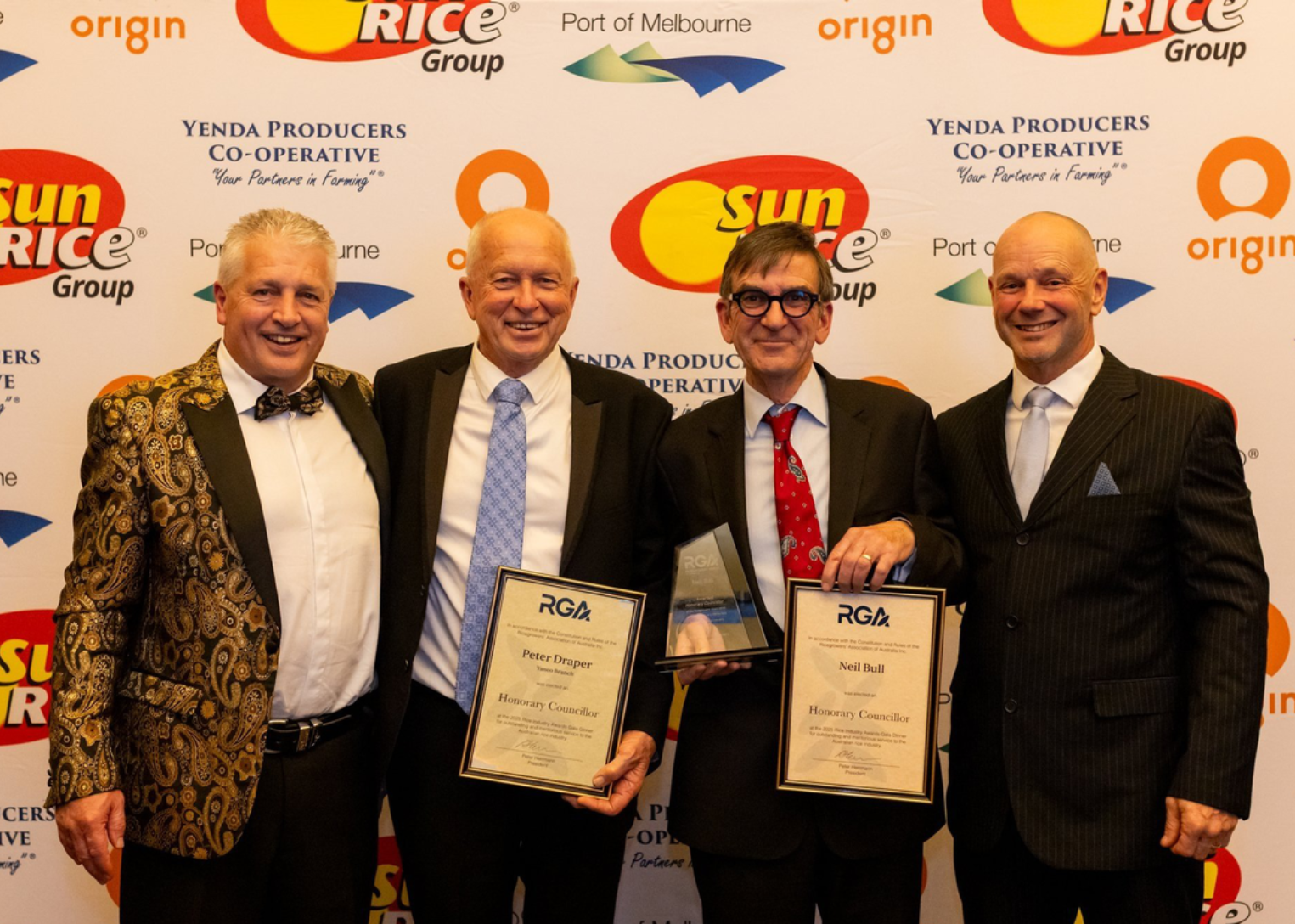
Rice Extension was proud to announce the winners of the 2025 Rice Industry Awards at a gala dinner held in Leeton recently.The annual awards celebrate excellence across the rice-growing sector, recognising outstanding achievements in innovation, production, irrigation and water efficiency. The Ricegrowers' Association of Australia (RGA) Honorary Councillor Award recognises individuals who have made exceptional and enduring contributions to the advancement and success of the Australian rice industry. Recipients are nominated by grower members and their peers within the RGA. 2025 Honorary Councillors Peter Draper and Neil Bull received the award.The CY25 SunRice Grower of the Year Award winners were Michael and Felicia Chalmers from Noorong, NSW.The Grower of the Year Award highlights the achievements of those in the rice industry and demonstrates why Australian rice growers are some of the most efficient in the world. Michael and Felicia's farm was recognised as an outstanding example of production, profitability and sustainability.“The Chalmers were nominated for consistently producing exceptional results, taking a long-term strategic approach that has underpinned the growth they've seen over their eight years of independent farming,” said a spokesperson for the event.The SunRice Grower of the Year Award is assessed by a panel of three judges, including two industry representatives, the previous season's Grower of the Year and one independent judge.The panel assesses applications based on seven key areas; production and agronomy, water use efficiency, innovation and technology, business management, sustainability, work health and safety, and industry and community involvement.The SunRice Grower of the Year winner receives a $10,000 support package to help them further expand their business and a nomination for the Australian Farmer of the Year Award.The winner of the Excellence in Extension, Research and Advisory Award, recognising agronomists, advisers and researchers who have significantly contributed to advancing rice production, was Malcolm Taylor. “Malcolm's research in weed control, enabling more sustainable and water-efficient management, has been a valuable part of the local industry for decades,” said a spokesperson.The Grower Industry Contribution Award, which acknowledges an individual who has made exceptional contributions to the rice industry beyond their own farming operations, was awarded to John Lolicato from the Western Murray Valley.In the Port of Melbourne Highest Yield Awards, four growers with the highest yields in their regions were recognised.The Western Murray Valley highest grain yield was awarded to the Martin Family of Farm 17, yielding 15.88T/ha on 85ha. This was 4.28T or 37 per cent above regional average.The Eastern Murray Valley highest grain yield was awarded to Martin Morona and received by his agronomist Adam Dellwo, yielding 15.92T/ha on 62ha. This was 3.98T or 33 per cent above the regional average.The Coleambally Irrigation Area highest grain yield was awarded to Shane Mannes on behalf of SG and KM Mannes, yielding 15.61T/ha on 124ha. This was 3.38T or 28 per cent above regional average.The Murrumbidgee Irrigation Area highest grain yield was awarded to Nathan Cauduro on behalf of Carlisle Park, yielding 16.10T/ha on 126ha. This was 2.82T or 21 per cent above regional average. Carlisle Park was also awarded Highest Overall Yield.The Yenda Producers Specialist Grain Yield Awards acknowledge the highest yields by rice variety and includedTopaz highest grain yield - Brett Turner of R and R Turner Management, yielding 12.75T/ha on 41ha. This was 2.87T or 29 per cent above variety average.Langi highest grain yield - Craig Bradshaw of C and A Bradshaw and received by his agronomist Sam McGrath, yielding 12.30T/ha on 27ha. This was 2.01T or 19 per cent above variety average.Opus highest grain yield - the Strong family of TB and WJ Strong and received by their agronomist Adam Dellwo, yielding 12.82T/ha on 56ha. This was 2.66T or 26 per cent above variety average.Koshihikari highest grain yield - Kevin Warren of KJ and MT Warren, yielding 11.10T/ha on 64ha. This was 2.04T or 23 per cent above the variety average.Sherpa highest grain yield - Josh Small of Rivena Nominees, yielding 14.81T/ha on 125ha. This was 2.80T or 23 per cent above the variety average.

Landmark court case proof MDBA is ‘Out of Control’- Helen Dalton

13 August 2025, 2:00 AM

Helen Dalton leads farmers in historic legal battle as major class action begins in NSW Supreme CourtA landmark class action legal battle between thousands of farmers and the Murray Darling Basin Authority (MDBA) has begun in the NSW Supreme Court, with Independent Member for Murray Helen Dalton declaring the case as proof that the MDBA is ‘out of control’.Speaking at a press conference at Hyde Park this morning alongside farmers involved in the historic case, Ms Dalton said the legal action represents decades of frustration with the MDBA's management of Australia's most critical river system.The class action was initially filed in 2019 by nine plaintiffs, and represents around 28,000 people across NSW and Victoria. It has taken the better part of six years for the Banton Group's class action to drag the MDBA and the Commonwealth of Australia before the courts.“Thousands of farmers have joined forces to sue the MDBA for negligence and for wasting precious water during recent droughts,” Ms Dalton said. “The MDBA has acted incompetently and stupidly. Farmers shouldn't have to sue the MDBA to protect our farms and rural communities.”Ms Dalton says farmers see this trial as a chance to finally bring the MDBA to account for what she describes as decades of mismanagement of the Murray Darling Basin River system.“This trial isn't just about compensation for farmers,” she explained. “It's also about forcing the MDBA to be cross-examined under oath about why they operate in the senseless and destructive way that they do.”The Murray MP was particularly critical of what she sees as the MDBA's lack of transparency and accountability over the years.“For decades the MDBA has been unaccountable. They have acted like they don't owe anyone any explanation about the poor decisions that they make,” Ms Dalton said.“This case will force the MDBA to explain their actions, and own their failures. Finally, the previously faceless bureaucrats that have been running the MDBA, and destroying our river systems, will have nowhere to hide.”The New South Wales Supreme Court will be the setting for a showdown between almost 28,000 Victorian and NSW irrigators, the Murray Darling Basin Authority and the Commonwealth of Australia. The case is set to run for eight weeks, representing one of the most significant legal challenges to water management policy in Australian history.The class action, managed by the Banton Group law firm, acts on behalf of Doyle's Farm Produce Pty Ltd and the other lead Plaintiffs in New South Wales Supreme Court Proceedings No. 2019/00150651 in representative proceedings against Murray Darling Basin Authority (MDBA) and the Commonwealth of Australia.The farmers’ case centres on allegations of negligent water management during critical drought periods. “We would claim that we, the growers in this southern general security region, we were not delivered 750 gigalitres of water in one drought,” said one of the original plaintiffs.The farmers involved have stated they ‘know they are being screwed’ and ‘We've tried all the right ways to highlight the cost of poor water management, but the MDBA will not listen to us.’The class action process has seen meetings with landholders expected to increase participant numbers significantly, with the case now representing one of the largest class actions in Australian agricultural history.The legal battle comes at a time of heightened scrutiny of water management in the Murray-Darling Basin, with farmers challenging the latest Murray-Darling Basin Plan report as ‘deliberately deceiving’.As the Independent Member for Murray, Helen Dalton has been a vocal critic of the MDBA's operations, representing many of the communities most affected by water management decisions in the Murray-Darling system.Her presence at today's press conference underscores the political dimensions of the case, which extends far beyond individual compensation claims to challenge fundamental aspects of how Australia's most important river system is managed.The outcome of this eight-week trial could have far-reaching implications for water policy in Australia. Beyond potential financial compensation for affected farmers, the case represents an opportunity to scrutinise the MDBA's decision-making processes and operational methods in unprecedented detail.For Ms Dalton and the thousands of farmers involved, the case represents a final avenue to hold the MDBA accountable after what they describe as years of failed attempts to engage constructively with the authority.“The MDBA will not listen to us,” has been a recurring theme from the farming community, making this legal challenge their last resort in seeking both justice and reform.The trial, which began today in the NSW Supreme Court, will continue over the next eight weeks as both sides present their cases in what promises to be one of the most closely watched water law cases in Australian history.The NSW Supreme Court proceedings are expected to continue for eight weeks, with the case being closely monitored by water policy experts, agricultural communities, and government agencies across Australia.

Throw on a flanno
Throw on a flanno

12 August 2025, 2:00 AM

Australians are being called upon to throw on their favourite flannelette shirt this August to show solidarity with the nation's farmers, who continue to face mounting mental health and financial pressures.The annual "Flanno for a Farmer" campaign, organised by Farm Angels, officially takes place on Friday, 15 August, but supporters are encouraged to wear their flannos and donate throughout the entire month.Farm Angels founder Natasha Johnston said backing farmers had never been more critical, with alarming statistics revealing the extent of rural distress across the country."Too often, our farmers are struggling in silence. They're out there doing one of the toughest jobs in the country, yet many feel forgotten," Ms Johnston said."Flanno for a Farmer is about saying, 'We see you. We appreciate you. And we've got your back.' Every dollar raised helps us provide real, practical support for those who need it most."Crisis in rural AustraliaThe campaign comes as new figures highlight the mental health crisis facing Australian agriculture. Research shows 76 per cent of farmers believe their role is undervalued by the Australian public, whilst the suicide rate among farmers is 59 per cent higher than the general population.Tragically, one farmer dies by suicide every 10 days in Australia.Beyond mental health challenges, farmers continue to battle the ongoing impacts of droughts, bushfires, floods and isolation. Many farmers affected by natural disasters can take three to five years to recover from the financial, physical and emotional devastation."All proceeds from Flanno for a Farmer are dedicated to ensuring Farm Angels continue to support farming families nationwide," Ms Johnston said."By wearing your flanno and donating, you're allowing us to continue to support the backbone of our country, and potentially save a life."Expanding support networkSince its establishment as Drought Angels in 2014, the organisation has expanded to provide assistance to farmers affected by all natural disasters across more than 1,300 communities nationwide.In the past year alone, Farm Angels has assisted 1,105 farmers and their families through its support programme, conducted more than 1,466 wellness checks and provided $383,422 in direct financial assistance.The funds raised through the campaign go towards essential emotional support, financial assistance, food hampers, care packages and personalised support for farming families.This year's campaign aims to raise $500,000 to continue supporting farmers to stay on the land through assistance tailored to their individual needs.Ms Johnston said this support contributes to Australia's regional economies, food security and the social wellbeing of rural communities."These are the people who put food on our table and clothes on our back. It's time to show them we've got theirs," she said.To sign up, donate or find out more, visit flannoforafarmer.com.au

Family legacy drives cotton growers to top industry honours

11 August 2025, 5:00 AM

Fourth-generation farmers Hugh and Jock Brownhill have been named the 2025 Bayer Cotton Growers of the Year, crediting family knowledge and teamwork for their success at Merrilong Agricultural Company.The prestigious cotton industry awards were announced at the Awards Dinner during the Cotton Collective in Toowoomba, recognising excellence across multiple categories within Australia's cotton sector.The Brownhill brothers represent a farming legacy that began when their grandparents established their enterprise in the NSW Liverpool Plains in 1959. Today, Hugh and Jock, alongside cousins Oscar and Archie Brownhill, serve as directors of Merrilong, managing 1,200 hectares of dryland cotton and 320 hectares under irrigation."We have a strong team, and they are the heartbeat of our organisation," Hugh Brownhill said. "Our work colleagues are like family to us, and we communicate with them regularly to ensure we achieve our shared goals."The operation focuses predominantly on dryland cotton, taking advantage of the region's reliable rainfall and quality soils. Hugh emphasised their commitment to sustainable farming practices, noting that soil preservation and strategic management are key to increasing yields whilst reducing inputs.The family employs an external advisory board to assist with farming and business decisions—a strategy they describe as a game-changer that allows them to concentrate on on-farm operations.Tyson and Rosie Armitage from Cecil Plains on the Darling Downs received the AgriRisk High Achiever Award for their management of the Wamara Farming Trust's daily operations, working closely with parents Stuart and Maxine Armitage.The couple has achieved remarkable success in Integrated Pest Management, spraying for pests in cotton only once over three years. They have also improved water efficiency, saving up to one megalitre per hectare through strategic late-season planting whilst maintaining or improving yields."We aim to apply only what the crops need, avoiding over-application," Tyson said, praising long-time agronomists Matthew Holding and Liz Lobsey, who maintain a comprehensive 20-year database of nutrient inputs and crop removal rates.Grace Griffiths, a cotton grower, agronomist and Geographic Information System specialist with Digital Ag Technologies in Goondiwindi, won the CRDC Chris Lehmann Young Cotton Achiever of the Year Award.Griffiths began her cotton journey at 16 by leading her family farm's myBMP certification and later founded 101 Ag Pathways to promote agricultural careers. Named Goondiwindi's Young Citizen of the Year in 2024, she serves as CGA events president and focuses on simplifying carbon discussions for growers.Dr Murray Sharman, Principal Plant Pathologist (Virology) at the Queensland Department of Agriculture and Fisheries, received the Cotton Seed Distributors Researcher of the Year Award for his national virology diagnostics and research work, playing a crucial role in biosecurity preparedness.The Incitec Pivot Fertilisers Service to the Cotton Industry Award went to Andrew Watson, the 2008 Cotton Grower of the Year, recognised for his tireless efforts in improving cotton's reputation in Australia.Cotton Australia CEO Adam Kay praised Watson's leadership in Integrated Pest Management strategies and biodiversity efforts, including native grass and tree regeneration along the Namoi River, and his pioneering work in water-use efficiency strategies adopted by growers nationwide."We are seeing due recognition of the next generation of cotton growers," Kay said. "Both our Bayer Grower of the Year and AgriRisk High Achiever have incredible knowledge passed down from their parents, who continue to provide the benefits of decades of cotton growing experience."

Parliamentary water inquiry heads to Far West NSW

09 August 2025, 11:00 PM

A NSW parliamentary committee will travel to three Far West towns next week as part of its investigation into how recent water management reforms are affecting regional communities across the Murray-Darling Basin.The Committee on Investment, Industry and Regional Development is examining the impacts of the Water Amendment (Restoring Our Rivers) Act 2023 on NSW regional areas, with public hearings scheduled for Menindee, Wilcannia and Broken Hill.Committee chair Roy Butler said the Far West hearings represented a crucial opportunity to hear directly from communities affected by water policy changes across the Darling-Baaka river system."Water policy issues are critically important to communities in the Far West," Mr Butler said. "Remote communities are impacted by water management decisions across the Darling-Baaka system and they appreciate the importance of strong water management policy that balances competing uses."The hearings will allow the committee to understand how government could improve its approach to water management and minimise negative impacts on local communities.Hearing scheduleMenindee: Community Hall, Tuesday 12 August, 1.30pm–4.00pmWilcannia: Community Hall, Wednesday 13 August, 12.30pm–3.00pmBroken Hill: Civic Centre, Thursday 14 August, 9.00am–12.30pmThe committee previously conducted public hearings in the Riverina and Murray regions in July and has flagged additional hearings in the northern basin later this year."We know that the reforms introduced by the Act will have different impacts across different areas in the Murray-Darling Basin," Mr Butler said. "We will be holding more public hearings to ensure that the committee's recommendations reflect the different impacts experienced across regional NSW."The hearings will feature invited stakeholders, with members of the public welcome to observe from the public gallery where limited seating is available. The sessions will also be broadcast via webcast on the NSW Parliament website, with more information available on the committee's webpage.The inquiry forms part of a comprehensive review process to assess how federal water reforms are affecting NSW regional communities and to develop recommendations for improved water management approaches across the basin.

151st Hay Show calls for fleece entries

09 August 2025, 2:00 AM

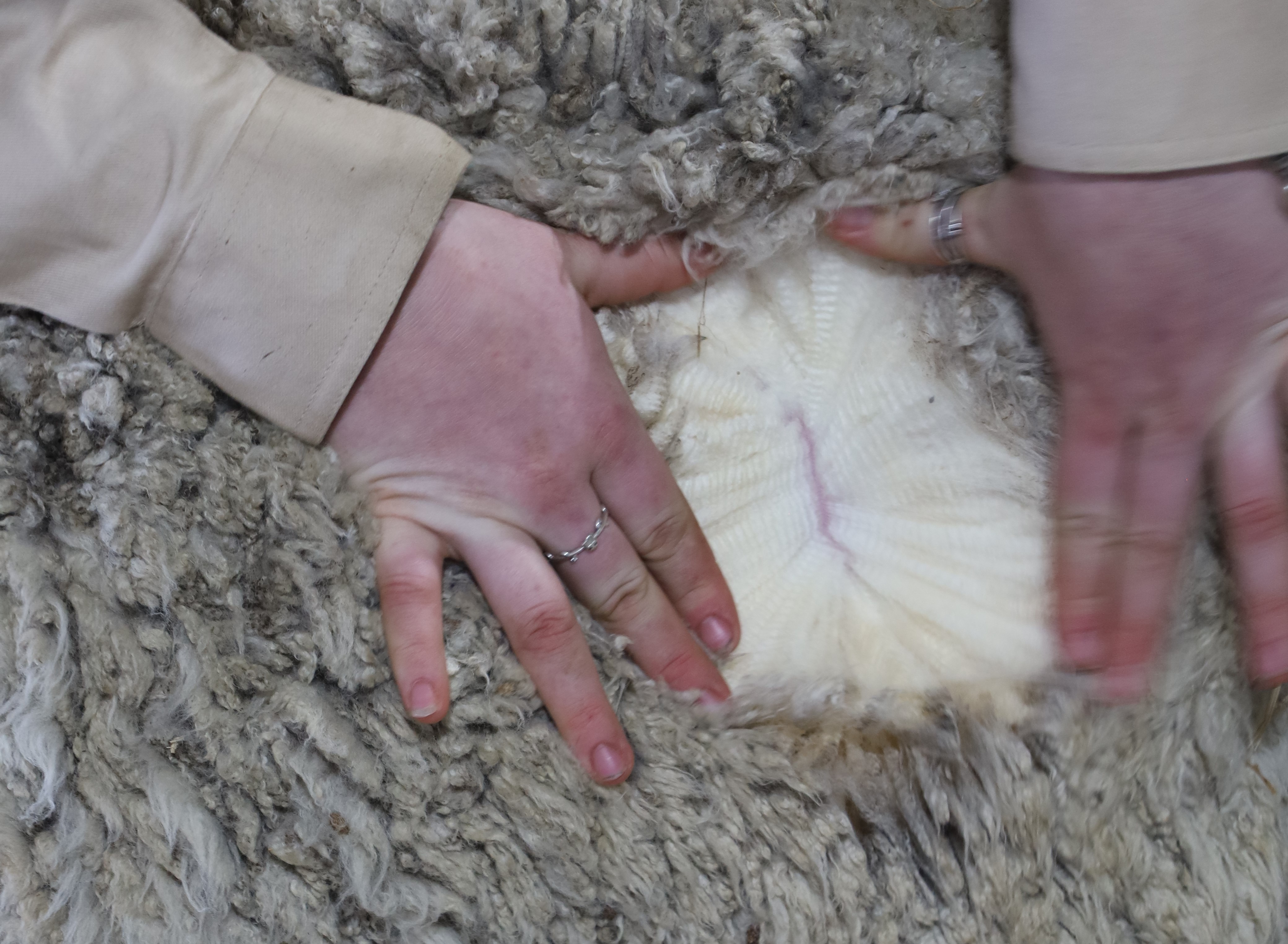
The Hay Show is gearing up for its 151st event, and the show committee is calling on local producers to get involved in this year’s Fleece Exhibit. Following a successful turnout for last year’s 150th anniversary show, organisers are hoping to make the fleece competition even bigger."We want the community to be a huge part of this major event," said Mike Cannon of the Hay Show. "Last year, we had almost 50 exhibitors, and we were so grateful for their support. We're hoping to build on that success and make the fleece exhibit a real highlight of this year's show."This year's competition will include categories for Flock, Stud, and Commercial Yield, with classifications such as Medium, Medium Fine, and Fine wool, which will be determined by RAS NSW judging guidelines. To ensure fair competition, all fleeces will be sampled and tested before the show. The Grand Champion fleece will be held back and sent to Sydney to be entered into the 2026 Royal Easter Show."It's a fantastic opportunity for our local producers to show off the quality of their wool on a bigger stage," Mr. Cannon added. "We’re really excited to see the entries this year."Fleeces can be dropped off at Lugsdin Toyota, or you can contact Mike Cannon directly to arrange delivery. Fleeces will be retained by the Show Society unless a return is requested by the exhibitor. Retained fleeces will be sold, with all proceeds going to the Show Society.How to EnterEntry Deadline: Fleeces must be delivered by September 3, 2025.Fleece Preparation: Fleeces should be skirted and bagged in dark-coloured plastic bags. Fleeces for the commercial yield class must include belly wool and pieces.Fleece Details: A description of each fleece must be included both on and in the bag. This should include:Owner's NameBloodline (optional)Fleece Description (e.g., Commercial Merino Ewe, 3 years old, with shearing interval)Stud Fleeces must be clearly marked as such.Delivery: Drop off fleeces at Lugsdin Toyota or contact Mike Cannon on 0428 151 599 or at [email protected].

NSW Farmers Annual Conference: Key discussions and outcomes

08 August 2025, 2:31 AM

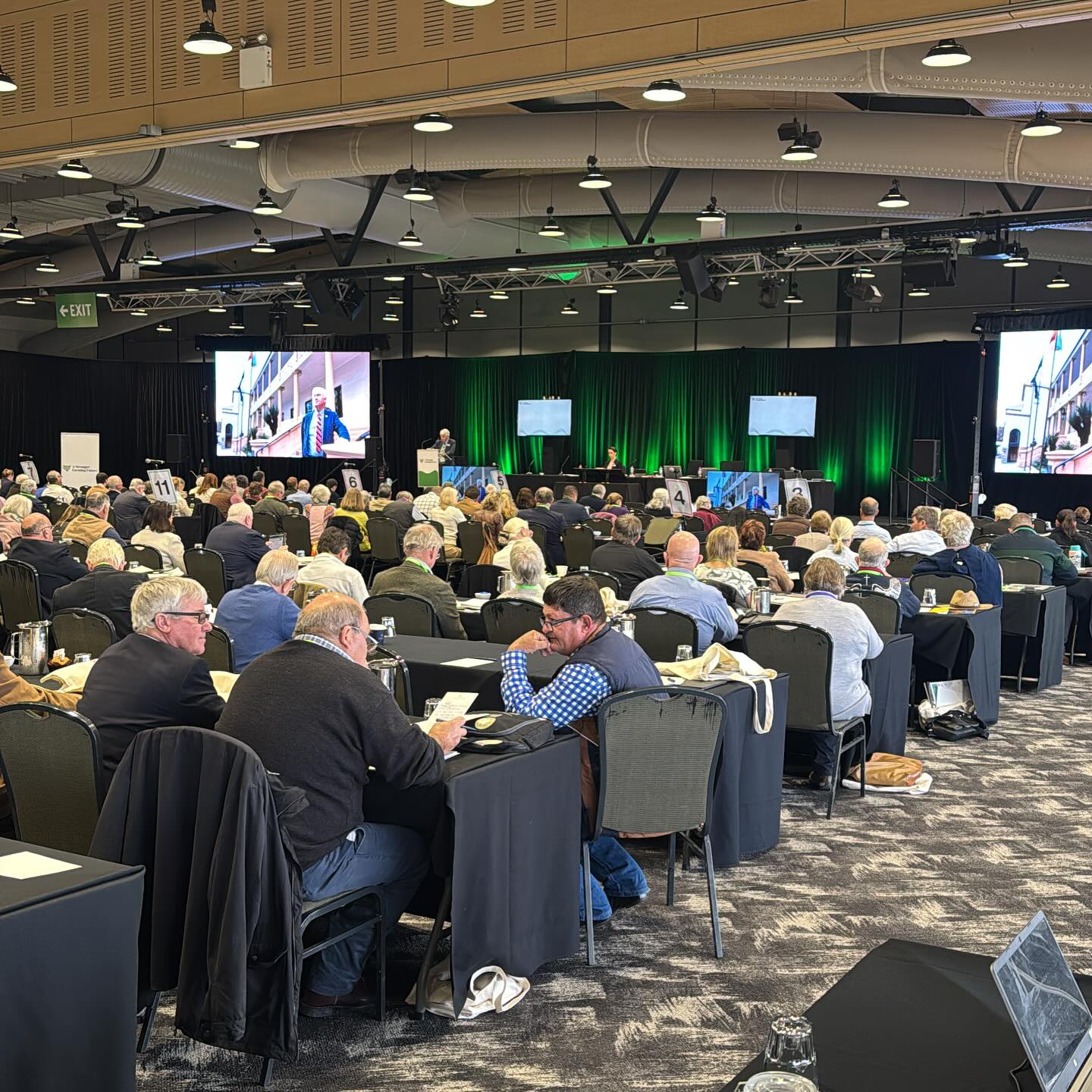
The 2025 NSW Farmers Annual Conference, held in Sydney recently, brought together farmers from across the state, to address a range of critical issues shaping the future of agriculture. Discussions spanned from urgent matters like energy and taxation to long-term concerns such as technology adoption and rural leadership development.A central theme revolved around the energy transition, with farmers urging energy developers to contribute to funding emergency fire response teams. This discussion underscored the sector's concerns about the impact of energy infrastructure on rural landscapes and the need for robust emergency services. “The race to renewable energy is accelerating at breakneck speed, and farmers are finding their new neighbours are huge lithium batteries that can and will burst into flames,” NSW Farmers President Xavier Martin said.“If developers are going to create these risks, then they must be responsible for managing them – and there’s so much more to be done to get this renewable transition right."The proposed "super tax" was another significant point of contention on the same day, drawing strong feedback from the farming community.Farmers calling for stamp duty to be waived when moving farmland out of self-managed superfunds. “Families are now weighing up their options and considering transferring farms out of these structures, but they’ll be up for significant costs to do so, including stamp duty at the state level,” Mr Martin said. “This tax is going to be diabolical for our farmers – and our future farmers – so we have to do whatever we can to minimise the collateral damage.”The conference also discussed contemporary challenges, with animal activism, artificial intelligence (AI), and the next generation of agriculture highlighted as hot topics for debate. These discussions indicate the sector's focus on navigating evolving societal expectations, harnessing technological advancements, and ensuring a vibrant future workforce.A number of motions of support were passed during the conference:- Restoring mobile coverage to pre-3G shutdown levels, at a minimum, in NSW.- Introducing dollar-for-dollar grants to fund feral pig control.- Boosting large-scale government investment to eradicate pests and weeds.- Introducing a legislated right to repair agricultural machinery.- Creating affordable insurance products for young farmers .- Removing emergency service levies and stamp duty from farm insurance policies.- Pausing the adoption of native vegetation regulatory maps until proven accurate.- Scoping out the possibility of launching a publicly funded regional airline.- Further funding for the Farm Gate Counselling Program.- Improving the design and implementation of flood warning systems.- More regular reporting on non-tariff measures impacting agricultural trade.

Work begins on $62m irrigation upgrade for Riverina towns

03 August 2025, 11:00 PM

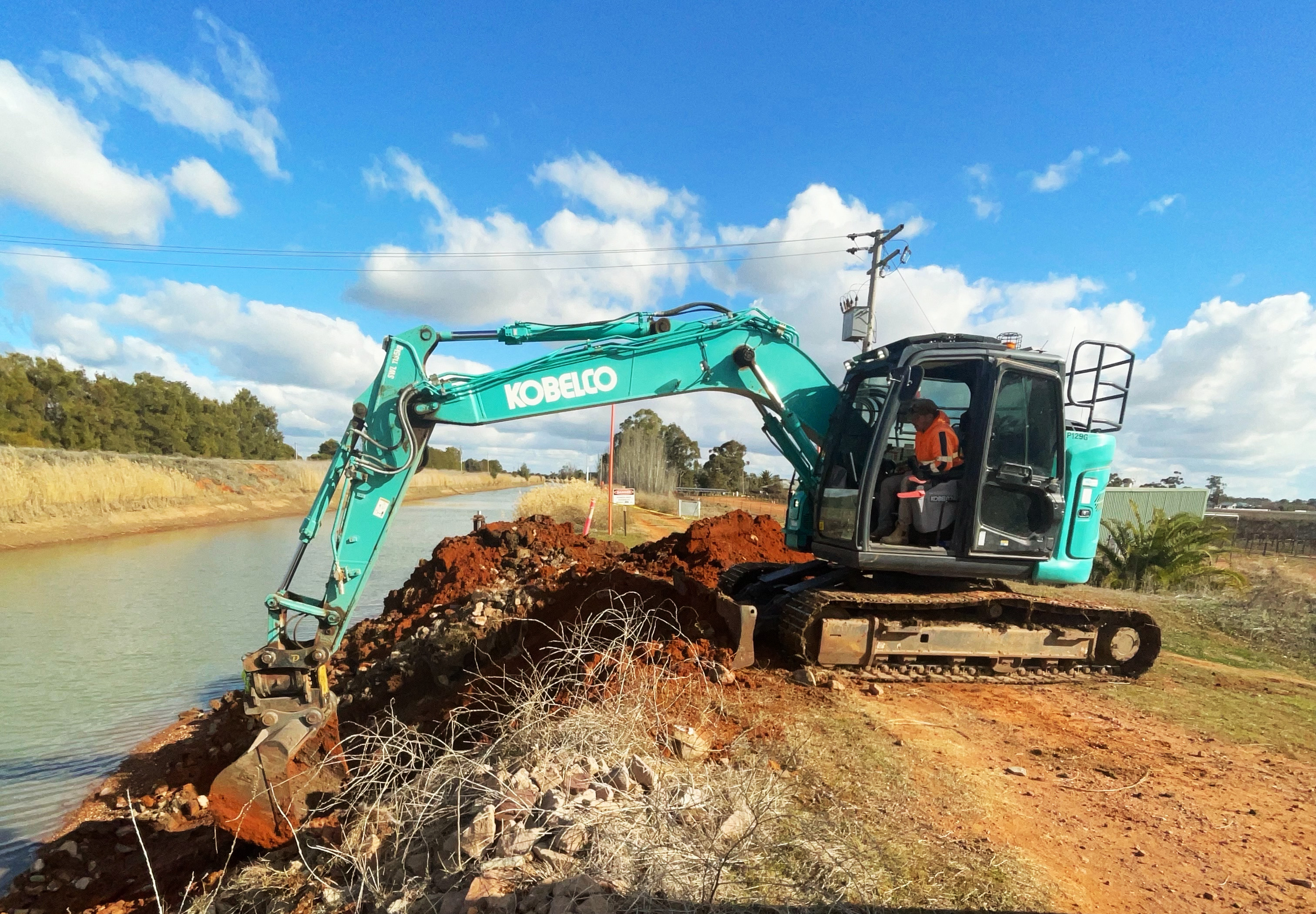
Construction crews have started work on a major irrigation infrastructure overhaul that will save thousands of megalitres of water while making roads safer in Griffith and Leeton.The $62.2 million Urban Channel Pipeline project will replace ageing open channels with modern underground pipes across 14 kilometres of the two Riverina towns, with work already underway in Leeton, Griffith and Yenda.Funded by the Australian Government and delivered with NSW under the Resilient Rivers program, the project promises to recover more than 2,675 megalitres of water annually – much of which will flow back to environmental programs in the Murray-Darling Basin.Murrumbidgee Irrigation chief executive Brett Jones said the pipeline project builds on the recent completion of the company's network automation upgrade."This isn't the end of our modernisation journey, it's really just the beginning of the next stage," Jones said. "We're always looking for ways to support our irrigators and improve how we use this precious resource."The aging channels being replaced have long been a headache for local councils and motorists. Open waterways running alongside roads create safety hazards, complicate drainage and require constant maintenance."Enhanced road safety is a big win for these communities," said Steven Porter, MI's general manager for asset performance delivery. "Getting rid of these roadside channels will improve drainage and cut down on road maintenance costs."The project is being rolled out in stages, with three contractors already working across the region on the initial 14-kilometre section. Tenders have closed for the next five-kilometre stretch covering Bilbul and Beelbangera.Local contractors are being prioritised for the work, providing employment opportunities in regional communities that have faced economic challenges in recent years.The pipeline upgrade forms part of broader efforts to modernise irrigation infrastructure across the Murray-Darling Basin, balancing the needs of farmers with environmental water requirements.For residents in affected areas, MI engagement officers will be making contact to discuss the construction timeline and explain connection options for properties currently served by the open channel system.The project represents a significant investment in regional infrastructure, promising long-term benefits for water security while supporting the federal government's commitment to environmental water recovery in Australia's largest river system.

Australia's Agricultural Behemoth: Macquarie Puts Paraway Pastoral on the Block in Multi-Billion Dollar Sale

24 July 2025, 8:00 PM

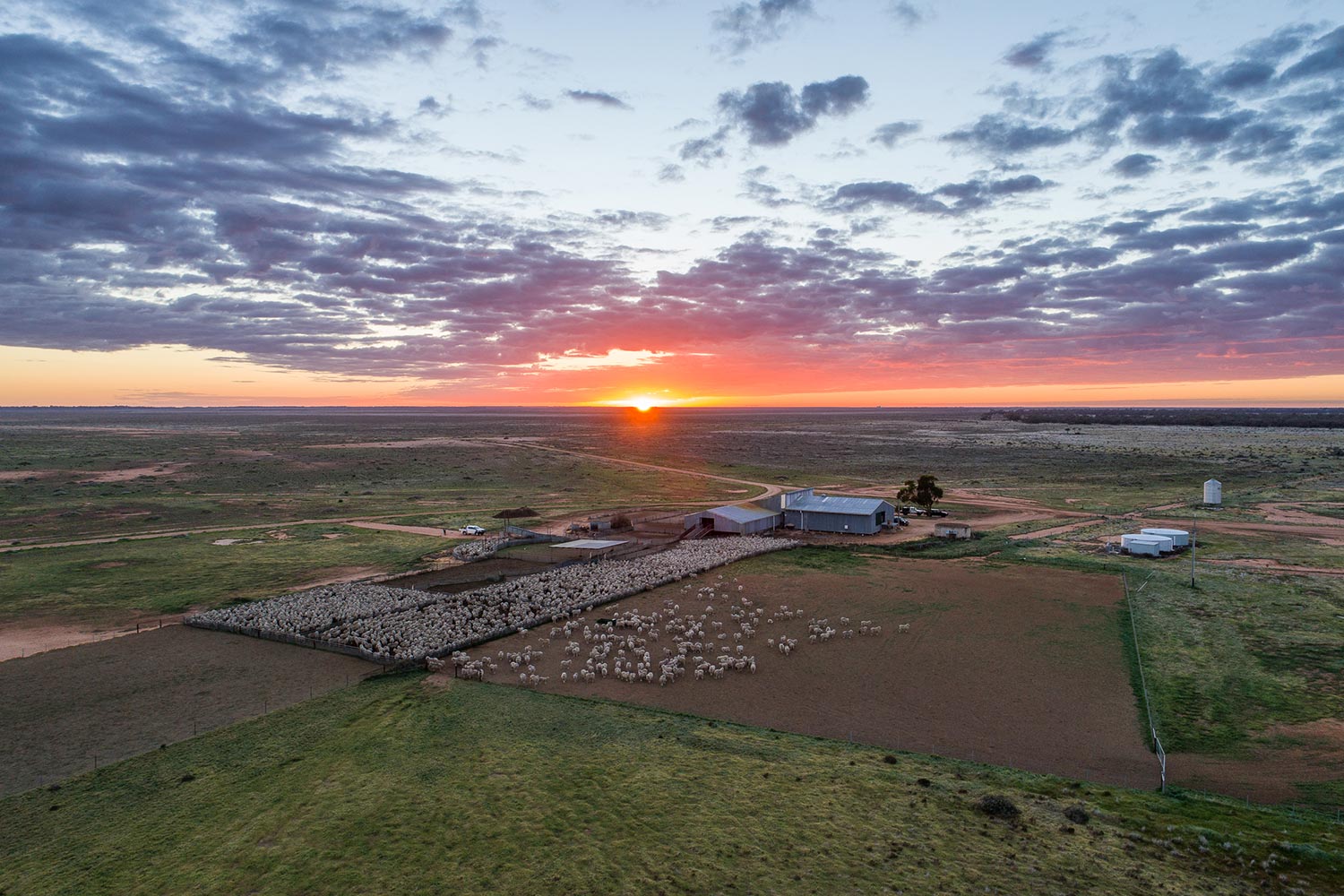
Australia's Agricultural Giant on the MarketOne of Australia's largest agricultural portfolios, Paraway Pastoral Company, is set to test the market as Macquarie Asset Management (MAM) prepares for its sale. This significant move, confirmed by a letter sent to investors, follows an 18-year tenure of Macquarie ownership and a recent strategic review. With assets estimated to be worth in excess of A$2.5 billion, and potentially reaching into the billions, this divestment is poised to be a landmark event for the rural property sector. Early reports indicate Macquarie is seeking a single buyer for the entire integrated operation, rather than breaking it up into individual assets. This decision by MAM to sell Paraway, after nearly two decades of ownership, signals a calculated move to realize substantial gains for its investors. The timing reflects Paraway's maturity as a company and a positive outlook for Australian agriculture, suggesting this is a strategic exit from a successful long-term investment rather than a distressed sale. Such a large-scale, integrated agricultural platform rarely becomes available, and its successful sale at the anticipated multi-billion dollar valuation will undoubtedly set a new benchmark for how institutional investors manage and divest mature agricultural assets, potentially encouraging future investment cycles in the sector. A Sprawling Footprint: Paraway's National ReachParaway Pastoral Company commands an immense presence across the Australian landscape, owning 28 properties spanning an impressive 4.4 million hectares. Its diverse operations, encompassing pastoral, cropping, and feedlot activities, stretch from Queensland's Gulf country down to Central Victoria. The company strategically divides its vast holdings into four key regions: Northern (Queensland), Central (Northern and Western New South Wales), Cropping (Western New South Wales), and Southern (Southern New South Wales and Victoria). The Northern region boasts iconic cattle stations such as Armraynald, Clonagh, Davenport Downs (one of Queensland's largest at 15,100 km2), Gregory Downs, Kalmeta, Malvern Hills, Moira Runda, Rocklands, and Tanbar. Central New South Wales includes properties like Aberbaldie, Burindi, Buttabone, Newstead, Nullamanna, Oxley, and Paradise. Cropping operations are concentrated in Western NSW with Buttabone Irrigation, Laura Downs, Merrimba, Old Bundemar, Pier Pier, and Urawilkie. Further south, the portfolio extends into Southern NSW and Victoria with stations like Barton, Beckworth Court, Cooinbil, Mungadal, Pooginook, Steam Plains, and The Bulls Run. This extensive geographical spread and operational diversification provide significant resilience against localized environmental and market fluctuations, acting as a natural hedge for the portfolio. Collectively, Paraway manages a substantial livestock enterprise, with a carrying capacity of over 250,000 head of cattle and 220,000 sheep. Annually, the company produces more than 30 million kilograms of beef and 1.46 million kilograms of wool, in addition to selling 170,000 sheep. Over 20,000 hectares are also dedicated to farming cereals, legumes, rice, and cotton. This integrated and diversified operational model, spanning multiple commodities and climatic zones, positions Paraway as a highly attractive asset for large institutional investors seeking stable, long-term returns and robust risk mitigation in the agricultural sector. Mungadal Station, Near Hay, is being offered for sale by Paraway Pastoral Company. Image: Paraway Pastoral CompanyWhy This Sale Resonates: Impact on Rural AustraliaThe sale of Paraway Pastoral Company is a rare market event, as agricultural platforms of this immense scale and integration seldom become available. Its offering is expected to draw considerable attention from both local and international investors, with offshore pension funds and other corporate investors identified as the most probable candidates. The scarcity of such a comprehensive and established enterprise elevates the competitive intensity of the sale process. A successful acquisition at the projected multi-billion dollar valuation will validate the long-term investment appeal of Australian agriculture on a global stage, potentially encouraging further consolidation or the development of similar large-scale agricultural platforms, thereby shaping the future ownership landscape of rural land. Market BarometerThis sale unfolds during a period of recalibration in the Australian rural property market. Farmland values experienced a 6 percent retreat in 2024, particularly impacting grazing land which saw a 13 percent year-on-year decline, following an astonishing 79 percent growth spurt between 2020 and 2023. Transaction volumes have also plummeted to record lows. Despite these broader market trends, industry experts suggest that values at the high end may not decline further, attributing this resilience to the strong balance sheets of vendors. The Paraway sale, therefore, represents a critical test for the institutional segment of the market. Its outcome will provide a strong indication of the direction of large-scale agricultural investment in Australia, as a high sale price could suggest that institutional capital views the current market dip as an opportune moment, potentially leading to renewed confidence and activity in this segment. Sustainability LeadershipParaway has positioned itself as a leader in sustainable agricultural practices, particularly in addressing methane emissions. The company has a landmark $75 million commitment with the Clean Energy Finance Corporation (CEFC) aimed at reducing its methane intensity by at least 30 percent by 2030, aligning with the Global Methane Pledge. Livestock operations accounted for 95 percent of Paraway's baseline emissions in 2021. The company actively trials new technologies and practices, including altered herd management, genetics selection, and feed additives, and plans to share its progress with other producers to foster broader industry-wide emissions reduction. Furthermore, Paraway is developing renewable energy capabilities and carbon sequestration projects. This proactive stance on emissions reduction, supported by significant investment, enhances its appeal to institutional investors who prioritize Environmental, Social, and Governance (ESG) factors, effectively making it a future-proofed asset. While the company acknowledges a work health and safety incident in 2021, it has undertaken over $2.5 million in rectification works and has no prior convictions, demonstrating a commitment to social governance. This comprehensive approach to sustainability could establish a new precedent for valuation in Australian agriculture, where environmental stewardship becomes a quantifiable asset, driving wider adoption of similar practices across the sector. Economic SignificanceBeyond its vast landholdings, Paraway Pastoral Company is a major contributor to Australia's agricultural output. Its annual production of over 30 million kilograms of beef, 1.46 million kilograms of wool, and the sale of 170,000 sheep, alongside extensive cropping, underscore its vital role in national food and fibre production. The Australian livestock sector alone is valued at an estimated $35 billion annually and is a significant global exporter. The sale of Paraway represents a substantial transfer of economic influence within Australia's agricultural backbone. The continuity of its operations under new ownership is crucial for the regional economies that depend on its activities for employment, local services, and supply chain stability. Given its scale, any strategic shifts by the new owner could have ripple effects on commodity markets and rural communities across the country.  A New Chapter for a Rural IconThe impending sale of Paraway Pastoral Company marks a pivotal moment for Australian agriculture. As Macquarie Asset Management prepares to conclude its 18-year stewardship, the market awaits further details expected after the upcoming Macquarie AGM. This divestment, however, does not signal a complete withdrawal by Macquarie from the Australian agricultural sector. MAM maintains significant exposure through other investments, including Queensland's Cubbie Station (cotton), Cowal Ag (cropping), and Viridis Ag (broadacre row cropping), and recently acquired a majority stake in Fresh Produce Group. This strategic re-balancing suggests a dynamic approach to agricultural investment by major financial institutions, where portfolio optimization and a shift in focus towards different sub-sectors or investment stages ensure continued institutional capital flow into the sector, albeit with evolving preferences. The sale of Paraway will undoubtedly usher in a new chapter for this rural icon, with its implications set to resonate across Australia's agricultural landscape for years to come. 
Water charges for irrigators have risen as the new financial year ticks over.

22 July 2025, 2:00 AM

From 1 July, prices increased by 5.8 per cent plus inflation (CPI) of 2.4 percent, for bulk water customers after the Independent Pricing and Regulatory Tribunal (IPART) released its final report on the maximum prices WaterNSW can charge.According to IPART the typical farmer with a 500 ML general security licence in the Murrumbidgee Valley will pay an additional $227.NSW Irrigators’ Council CEO Claire Miller called it a “cost squeeze on NSW farmers” and said it was disappointing that IPART had shifted from the more affordable price rise proposed in its information paper last month.In May, IPART indicated a 1.9 percent plus CPI price rise.“Under our draft decisions, prices for WaterNSW Rural Valleys customers would increase by 1.9 per cent plus inflation from 1 July 2025, and then by inflation only on 1 July 2026 and 1 July 2027. “This includes WaterNSW’s proposed costs for the Dams Safety Levy, crane and electrical safety expenditure,” IPART said upon the release of its information paper on May 14.“This is disheartening for farmers across NSW whose hopes were raised that their bills would remain manageable for the next 12 months while they are under pressure with surging input costs, high interest and the impact of flooding and looming drought,” Ms Miller said.“The determination underlines the need for the NSW Government to urgently reform the flawed pricing model and corporate structure driving unaffordable hikes in rural water bills over the last 10 years.”In the lead up to the IPART decision, WaterNSW submitted a proposal to the state government to increase rural water prices by an average of 22 per cent each year from 2025 to 2030.In a statement IPART said it is still not convinced that all the increased costs proposed by WaterNSW are sufficiently justified as necessary or efficient, or that they should all be passed on to the customers. “The Tribunal has issued a short determination to allow more work to be done on the broader challenges identified through this price review.” 

Postponed water inquiry visiting Deniliquin and Griffith

19 July 2025, 5:00 AM

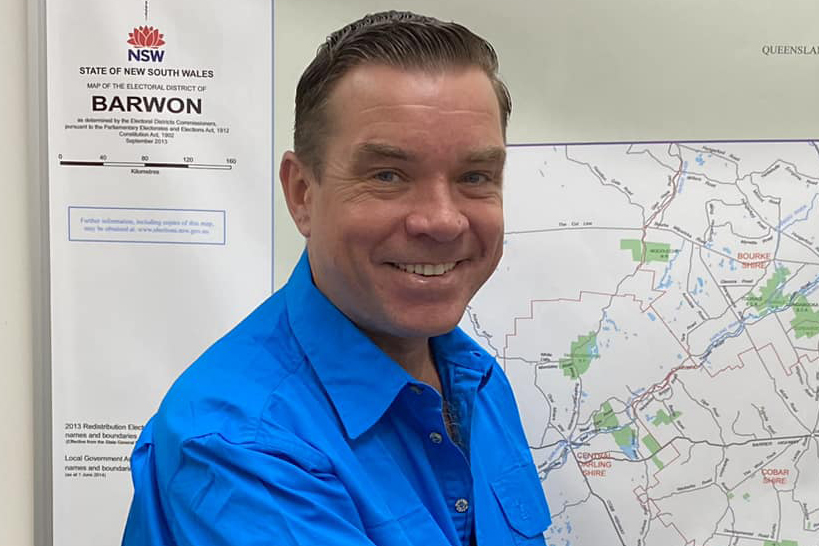
The re-scheduled hearings on the impacts of the Commonwealth Government’s water reforms on regional areas of NSW will be heard in Deniliquin and Griffith next week.Originally scheduled for last month, the hearings were postponed when fog prevented inquiry members from flying in to the region.The Deniliquin hearing will be held Tuesday, July 22 at the Deniliquin Town Hall, with the Griffith meeting will be held on July 23, at the Regional Theatre.The NSW Government’s Committee on Investment, Industry and Regional Development inquiry is looking at water reforms including water buybacks.The change of date means Member for Murray Helen Dalton is unable to attend, but she urges community members to attend.“The panel is here to interface with people - to have a yarn,” Mrs Dalton said.“I am encouraging people to go to the public hearings, and to go with placards which say ‘no water, no food’.“The message is as simple as that.”The inquiry is chaired by Independent Member for Barwon Roy Butler.“We understand the importance of hearing directly from regional New South Wales communities,” Mr Butler said.“The committee received a large number of submissions from the Riverina and Murray areas, and we will ensure these stakeholders have the opportunity to tell us first-hand how changes to water policy have impacted their communities, their local agriculture and their businesses.”101 public submissions were received during community consultation, after the inquiry was announced in February.A livestream of the two public hearings will be available on the NSW Parliament website, and details will be published by the inquiry as they are finalised.

Revolutionary tech for the paddock: AI facial for sheep

18 July 2025, 8:00 PM

A change driven by AI technology is brewing in the paddocks, poised to change how Australian sheep farmers manage their flocks. Cutting-edge AI-based identification systems, leveraging advanced facial recognition technology, are rapidly moving from research labs to real-world trials, promising a future where traditional ear-tagging could become a thing of the past.This non-invasive animal ID method offers a significant leap forward for precision agriculture, potentially reducing costs, improving animal welfare, and providing unprecedented insights into individual sheep health and performance. Global Innovation, Local Impact: Trials UnderwayThe drive towards smart farming technology in the sheep industry is gaining serious momentum globally, with Australian agriculture at the forefront of adoption:Iris Data Science: As early as 2019, this Kiwi firm began developing "Sheep NN," a system designed to identify individual sheep through facial recognition without the need for physical tags. They've secured funding and collected thousands of images using deep learning methods, paving the way for camera-based identification.Cotter Agritech : In 2024, Irish firm Cotter Agritech partnered with Beef+LambNZ for field trials. Their goal: integrate facial recognition into their SmartWorm app to identify sheep individually, particularly on weigh crates, directly addressing the recurring cost of ear tags.Genesmith: Closer to home, Australian trials are already underway. Genesmith is deploying AI tools to assist sheep farmers in identifying top breeding stock through facial recognition, empowering producers with data-driven decisions.The Brains Behind the Baa: Advanced AI ModelsThese practical applications are underpinned by rapid advancements in deep-learning research:High Accuracy Achieved: A June 2025 study unveiled a YOLOv5-CARAFE architecture, demonstrating an impressive 97.9% accuracy in sheep face identification, showcasing its strong potential for reliable real-world deployment.Lightweight & Fast: In March 2024, researchers developed a compact YOLOv7-based model, YOLOv7-SFR. Weighing in at just 11 MB with a rapid 3.6 millissecond processing time, it achieved 96.9% accuracy, making it ideal for integration into on-farm devices.Beyond 2D: Other cutting-edge research includes 3D facial reconstruction combined with feature matching, boasting an astonishing 99.6% accuracy, and algorithms that merge YOLOv5 with tracking tools, achieving up to 99% mAP precision in detecting and tracking sheep.Game-Changing Benefits for FarmersThe shift from traditional ear tags to AI sheep identification offers a compelling suite of benefits for regional livestock producers:Non-invasive ID: Cameras can identify individual sheep without the stress, potential infections, or labour associated with physical tags.Lower Cost: Farmers can significantly reduce or even eliminate the expense of purchasing and replacing ear tags, leading to more cost-effective livestock management.Robust Performance: Advanced AI models are proving highly effective across various lighting conditions and animal poses, ensuring reliable identification in diverse farm environments.Enhanced Tracking and Monitoring: These systems enable seamless tracking and monitoring of individual sheep for weight gain, health indicators, and behavioural patterns during routine activities like drafting and weighing.What's Next for Smart Sheep Farming?The momentum is building. Commercial deployments are actively being validated through field trials across Australia, New Zealand, and Europe. The continuous evolution of AI models is leading to lighter, faster, and even more accurate recognition systems, enhancing their feasibility for everyday on-farm use.Looking ahead, the expanded use cases for this technology are vast. Beyond basic identification, these systems may soon play a crucial role in automated drafting, early disease detection, precise weight monitoring, and even rustling detection, adding layers of security and efficiency to sheep farming.This agricultural innovation represents a significant step towards a more humane, efficient, and technologically advanced future for Australian sheep producers, promising real benefits for productivity and animal welfare across our Back Country.

'Waiko' hits the market at Ivanhoe

17 July 2025, 8:00 PM

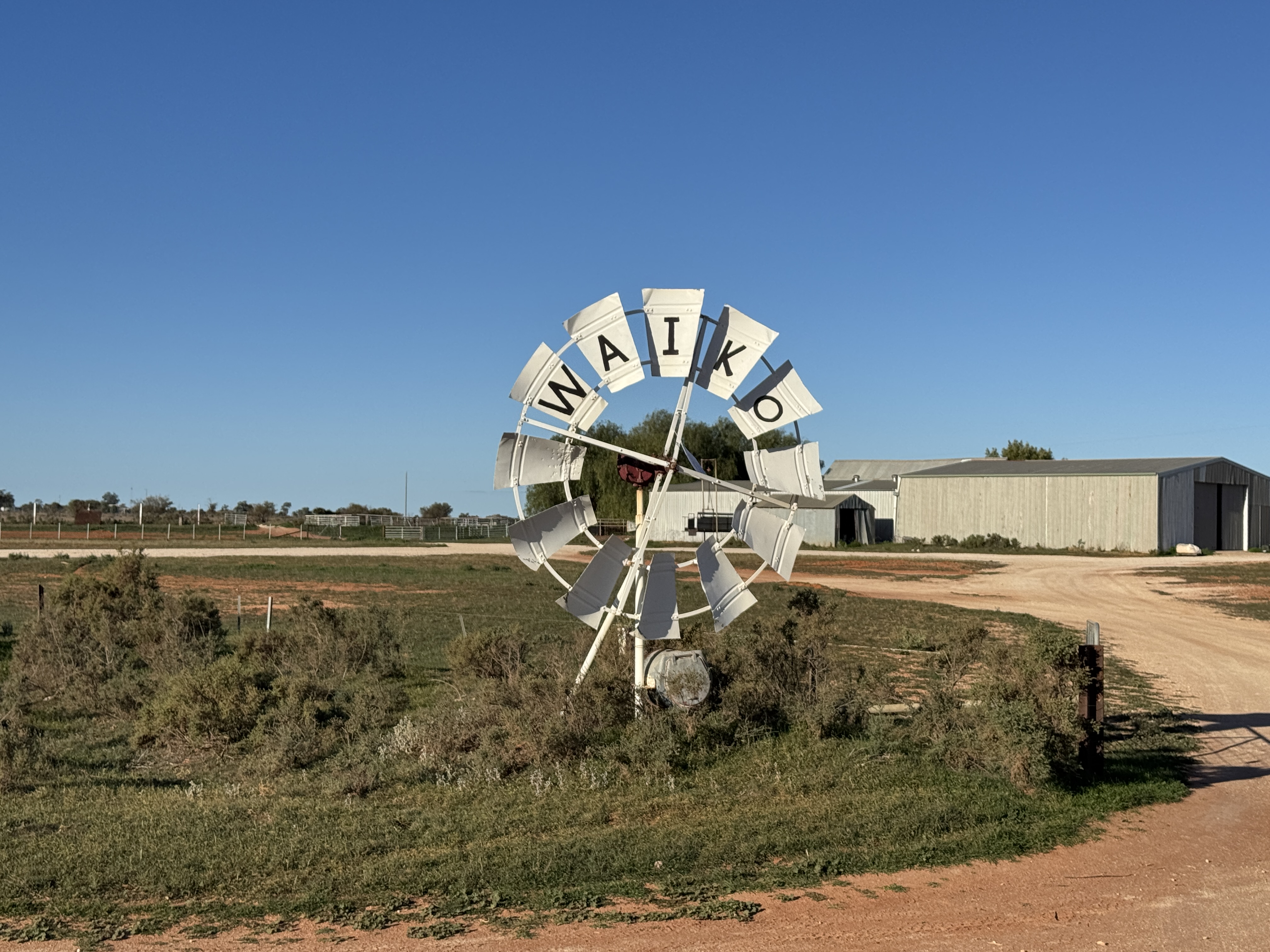
'Waiko' is set to go under the hammer. The property is offered for sale by longterm partners Mark and Lee Newnham of Hay and Robert and Andrew Robert Hiscock, of Kilmore.It comprises approximately 24,811.55 hectares (61,309.35 acres) of Western Lands Lease in Perpetuity (including 'Waiko' and 'Woolahra'), offering a blend of pastoral and agricultural opportunities.'Waiko' is located just east of the Ivanhoe township and the Cobb Highway, within the Central Darling Shire Council.Selling agent Matt Horne said 'Waiko' is well-equipped for livestock management, boasting 14 main paddocks with laneway access to nine of them."Water infrastructure is robust, with four bores equipped with solar panels and one electric bore, supplemented by 12 ground tanks, six of which have been recently desilted."Shearing operations are facilitated by a 7-stand raised board shearing shed with adjoining steel yards. The property also includes portable steel cattle yards and two sets of outstation yards.For accommodation, there are 16 person huts with kitchen facilities and air conditioning.A near-new 56x18m all-steel machinery shed provides a secure workshop with a concrete floor, power, lighting, and a vehicle hoist, alongside a 320,000-litre Kingspan water tank.Fencing is predominantly hinge joint or eight plain and one barb wire combinations for the boundary, with internal fencing primarily consisting of eight plain and one barb wire combinations.The land itself features open plains and undulating red to grey soils, supporting natural herbage such as saltbush, bluebush, cottonbush, trefoil, and crowsfoot.It is lightly timbered with wilga, belah, and leopard wood trees.Additionally, Waiko' includes a 193-hectare cultivation agreement.The long-term annual rainfall for the area is 307.2mm, based on data from the BOM for Ivanhoe Post Office.Recent stocking rates highlight the property's capacity: in 2023, it supported 6,603 ewes, 3,440 followers, and 452 cattle. In 2024, these figures were 5,904 ewes, 2,780 followers, and 440 cattle, and for 2025, 5,210 ewes, 2,956 followers, and 142 cattle.The property will be offered by public auction at 11:00 am on Friday, August 22, 2025, at the Ivanhoe RSL Club, unless sold prior.Included in the sale are various items such as two fridges, one freezer, pots and pans, cutlery and crockery, 15 beds, and two pressure pumps in the shearers huts.The workshop includes a Lorentz solar pump, two Grundfos solar pumps, two Mono solar pumps, and one Grundfos 24-volt pump. Farmland inclusions comprise 29 troughs, 20 x 22, 500-litre water tanks, portable panels in use, portable steel cattle yards, a hoist in the workshop, and two pressure pumps.Some exclusions apply.For further inquiries, interested parties can contact Elders Selling Agents Jason Telford at 0447 533 313 or Matt Horne at 0409 355 733.

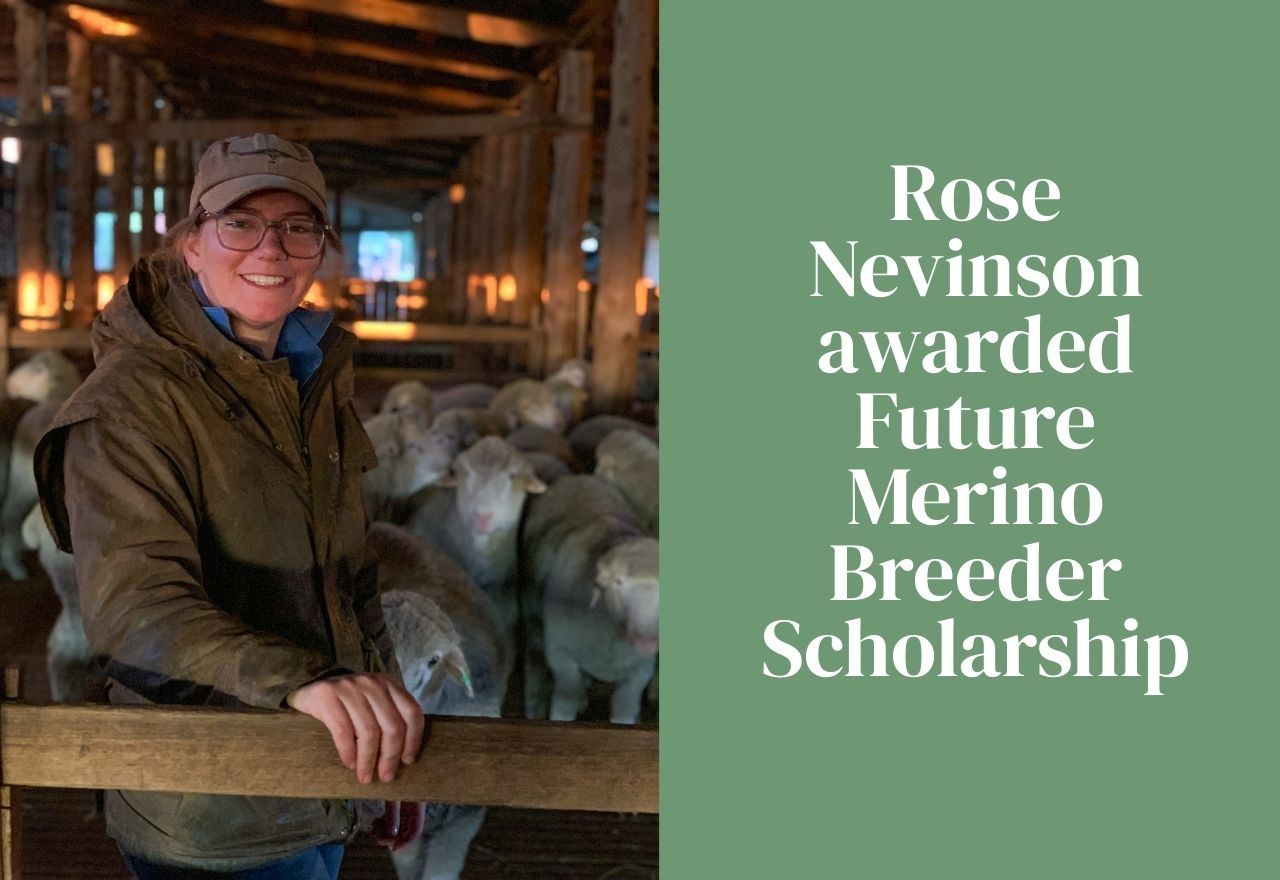
Booroorban’s Rose Nevinson Awarded Prestigious Future Merino Breeder Scholarship

17 July 2025, 2:00 AM

A passion for Merinos ignited at just 16 years old has seen local rural identity, Rose Nevinson, recognised with the highly sought-after Future Merino Breeder Scholarship. The Booroorban (NSW) native, whose roots run deep in the Merino and wool industry, is set to further her promising career thanks to this significant industry honour.Rose's journey with Merinos began early, growing up on the family property ‘Parkview’ at Booroorban. "I’ve always had a love for Merinos and knew from early on I wanted to start my own stud," says Rose, who, at 16, purchased 30 stud ewes from One Oak Poll Stud. This initial flock became the foundation of her own breeding program, a testament to her dedication. "I’ve kept that flock going and now breed my own rams, continuing to learn as I go."From Paddock to Buyer: A Diverse Merino CareerSince completing her secondary education in 2015, Rose has gained invaluable experience across various facets of the Merino industry. Her hands-on work with Merinos in the paddocks has been complemented by a stint as a wool buyer. "I valued my time as a wool buyer, where I was able to gain insight into the other end of the supply chain," she explains.After travelling across Australia, Rose made the decision to return to her true calling: working directly on a Merino stud. She now applies her expertise at the esteemed East Loddon Merino Stud. "This is part of the industry I’ve always enjoyed," she said.Investing in the Future of Australian Merino BreedingThe Future Merino Breeder Scholarship is a collaborative initiative between the rural education program Hay Inc and the NSW Stud Merino Breeders Association. This prestigious scholarship specifically selects its winners from the accomplished alumni of the Hay Inc program.Hay Inc Program Manager, Sandra Ireson, praised Rose, a 2017 program graduate, as a deserving recipient. "The Scholarship program aims to recognise and support members of the Hay Inc Alumni who exhibit passion for the Merino industry and show potential for contributing to its future," Ms Ireson said. "The NSW Stud Merino Breeders Trust recognise the importance of investing in the future of the industry by supporting individuals like Rose."The scholarship offers significant opportunities for growth. "Through the Scholarship Rose will have the opportunity to increase her knowledge and networks within the Merino sheep breeding industry," Ms Ireson added.A Bright Future for Rose and the Merino IndustryRose herself is enthusiastic about the doors this scholarship will open. "This scholarship will allow me to continue developing my career in the Merino industry, and I would truly appreciate the opportunity to learn from those who share the same commitment and passion," she expressed. Her commitment to learning is evident: "I’m hardworking and always willing to learn from those around me."She also acknowledged the foundational support she received, stating, "I appreciate the value and mentorship the Hay Inc Rural Education program brings to young people starting out in agriculture."The Future Merino Breeder Scholarship provides comprehensive support, including financial assistance and crucial industry experience for young individuals dedicated to a career in the Merino sheep and wool industry. The scholarship covers expenses for attending key Merino shows and sales, as well as invaluable work placements with leading professionals, including experienced wool classers, a prominent Merino stud, and renowned wool broker Mark Bazeley.

 Worst ever  drought is only  three years away
Worst ever drought is only three years away

12 July 2025, 8:00 PM

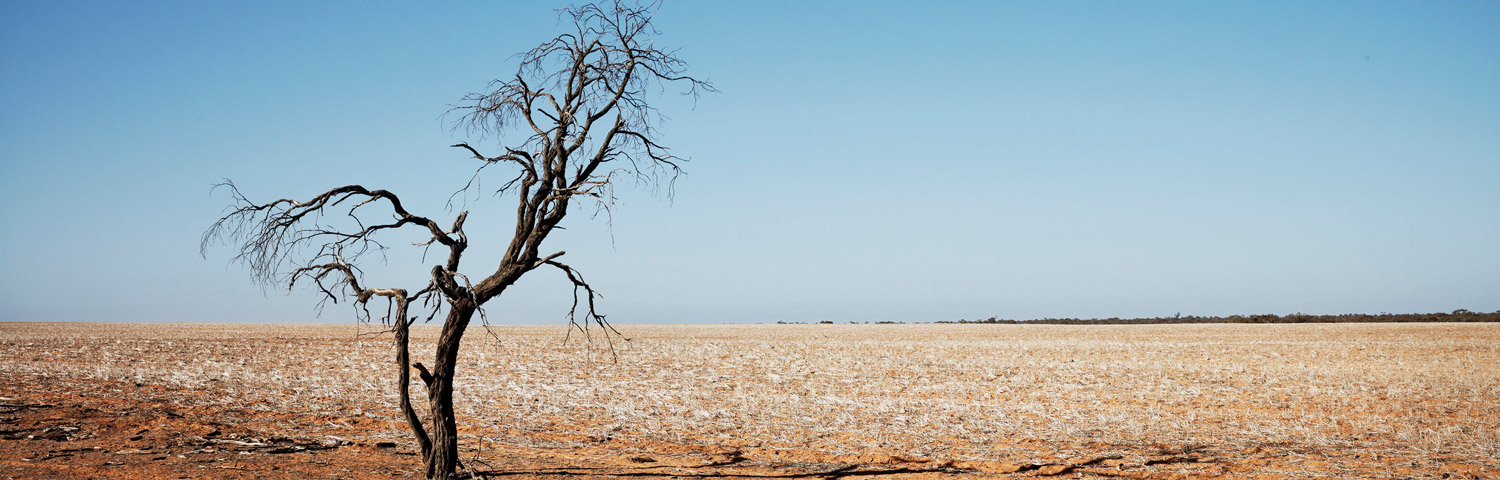
A Riverina-based engineer with vast experience in climate and infrastructure has repeated his warning that Eastern Australia should prepare for the worst drought ever experienced. The prediction is for a drought that would affect entire communities, not just farmers. And it’s less than three years away. “I am still predicting a very severe drought for 2028 to 2030, based on Solar Cycle 25, which is 100 per cent stronger than NASA predicted,” Steve Briggs told The Riverine Grazier. “No one knows why. “This has massive possibilities for Solar Cycle 26, which if bigger than 25, would be disastrous for mankind. “I am currently finalising a patent for a World Climate-Weather prediction program, which can predict the climate and weather anywhere on the planet.” Two years ago, Mr Briggs raised the alarm around future weather events and potential impacts when he dismissed claims from the Bureau of Meteorology that Australia was in an El Nino pattern with dry conditions imminent. At the time, The Riverine Grazier quoted Mr Briggs as saying: “My predictions, which in recent years have been 100 per cent accurate, are for more flooding in coming months. “This will be followed by the worst drought ever experienced in this country, from 2028 to 2030. “In my view, the BOM does not seem to understand what the El Nino mechanism is, or how it works.” Mr Briggs, who lives in Deniliquin, was proved correct when The Grazier first published his media release in 2023, and from more recent reports by the Department of Primary Industries and Regional Development (DPIRD), his prediction is again correct. DPIRD’s forecast shows that drought conditions are likely to expand across the south of the state, and further into western and central NSW. In the Riverina LLS area, the Department predicts conditions to remain challenging and decline further in the east of the region. The drought forecast suggests that drought conditions will expand and most of the region will likely be in the Drought Affected CDI (Combined Drought Indicator) category by the end of July. Communities relying on water from the Murrumbidgee and Murray Rivers will be the hardest hit; and it has already started before any of the regions have been drought declared. While the majority of regulated river water sources in NSW remain on 100 per cent General Security allocation for 2025 26, as of July 1, the Murray sits on one per cent (1%) and the Murrumbidgee on four per cent (4%). The Murray has a 97 per cent High Security allocation and the Murrumbidgee 95 per cent. The remaining 13 regulated river water sources all have 100 per cent High Security water allocations.

Boost for biosecurity and innovation welcomed by NSW Farmers

05 July 2025, 11:00 PM

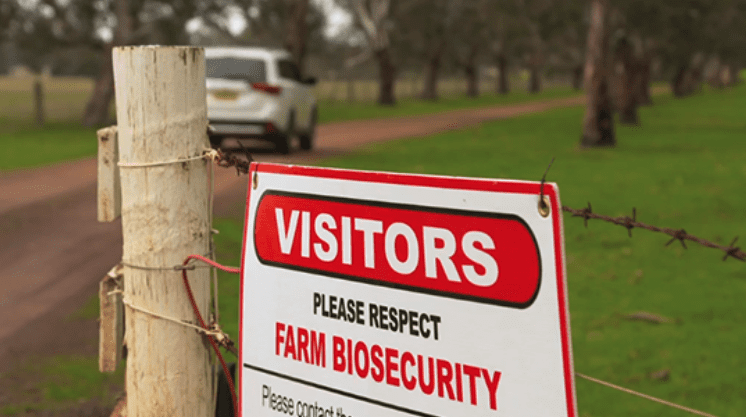
The NSW Government has announced a significant funding injection into New South Wales' biosecurity and agricultural research sectors, a move warmly welcomed by NSW Farmers. The government said this vital investment aims to bolster the state's capacity to combat agricultural threats and foster innovation, ultimately helping farmers continue to feed the nation. Prior to last week’s budget announcements, Premier Chris Minns and Minister for Agriculture Tara Moriarty unveiled a $100 million boost for the state’s biosecurity system, alongside an additional $41.2 million dedicated to upgrading a government research and development program for agriculture. NSW Farmers President Xavier Martin emphasised the long-overdue nature of sustained, practical funding for biosecurity. He highlighted the severe economic impact of feral animals, revealing damage is estimated to cost the state a staggering $500 million annually. "Everything from feral pigs and fire ants to deer and wild dogs are causing grief everywhere we turn," Mr Martin stated. "Soon, it won't just affect our farming – it will affect our way of life." Mr Martin stressed the urgent need for coordinated action against pests and weeds, continued funding for the implementation of eID for sheep and goats, and robust support to prevent and respond to plant and animal disease incursions. "These are the minimum farmers need to keep on farming," he added. While NSW Farmers is still delving into the specifics of the announcement, Mr Martin expressed optimism about the investment's potential to strengthen the agricultural sector. "Investment in our biosecurity systems is what will strengthen our sector – and it is good to see our government commit to delivering that," he said. Beyond biosecurity, Mr. Martin raised the critical role of research and development (R&D) in the future of agriculture. He urged the state government to build upon this initial investment with further funding and resources. "The hugely complex challenges to production that stem from emissions reduction, land use conflict and environmental conservation, demand continued research and development if we want to keep our farmers farming," Mr. Martin explained. He believes that adequately resourced agriculture research and development has the potential to deliver benefits far beyond the farm gate, positively impacting the broader economy. "That must not be stifled in any way, shape or form," he said. Mr. Martin concluded with a hopeful outlook, viewing this funding as a crucial first step. "From better infrastructure to investment in the next generation, there’s so much to be done to secure a brighter future for our farming communities, and we hope this is the start, not the end, of good news out of this year’s state budget."

61-80 of 208
Back Country Bulletin
News from the Back Country

Get it on the Apple StoreGet it on the Google Play Store