The complexities of managing the waters of Menindee Lakes

Krista Schade
17 January 2026, 7:00 PM
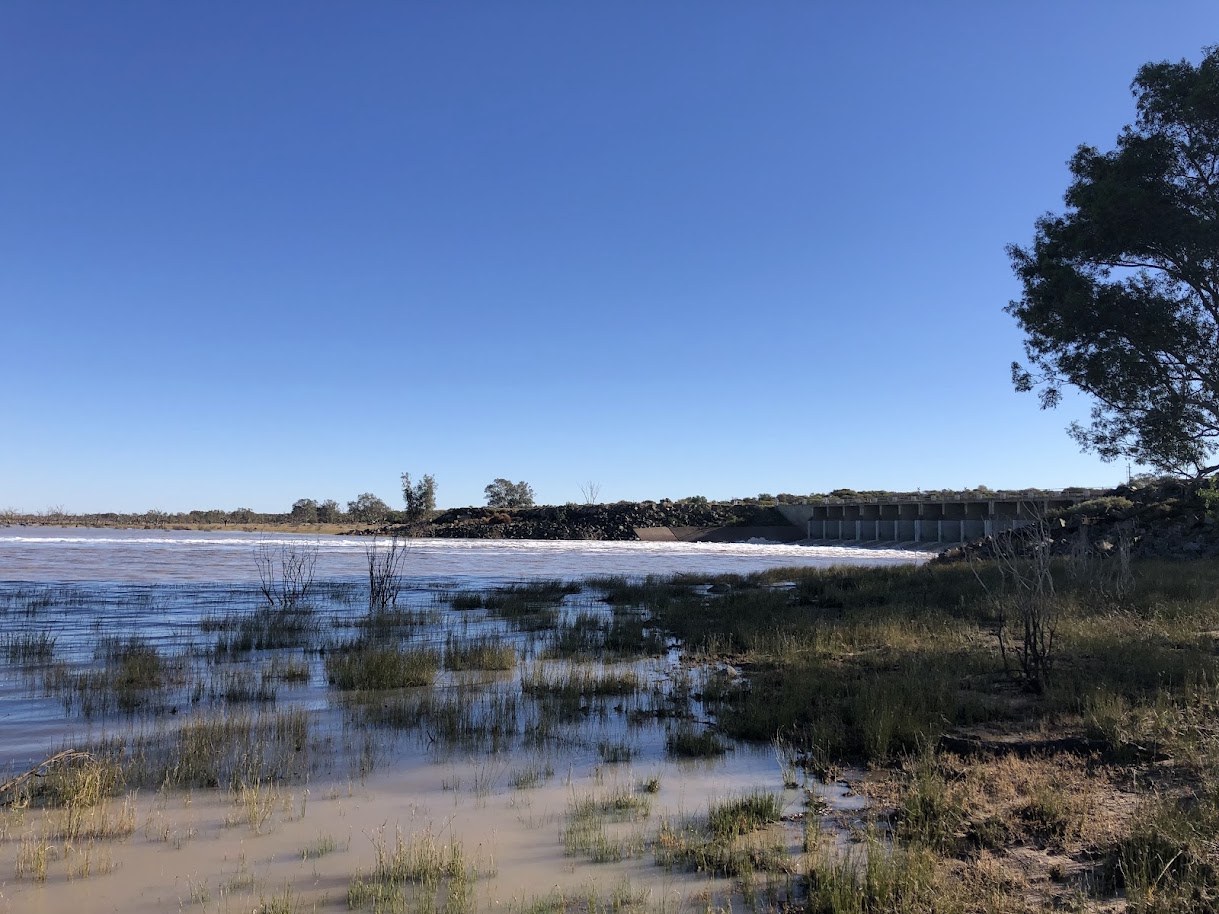
The Menindee Lakes system is often described as the beating heart of the Darling-Baaka river system, but in the halls of Canberra and Sydney, it is also a vital "battery" for the Murray-Darling Basin.
As we move into 2026, the lakes find themselves at the centre of a major policy shift - the "rescoping" of a controversial water-saving project that has pitted engineering efficiency against cultural survival.
The System: A Natural Network Re-Engineered
The Menindee Lakes consist of seven main lakes, four of which (Wetherell, Pamamaroo, Menindee, and Cawndilla) were heavily modified in the 1960s with weirs and regulators.
This allows them to store over 1,730 GL of water -more than three times the volume of Sydney Harbour.
Under the 640/480 Rule, once the lakes hold more than 640 GL, control shifts to the Murray-Darling Basin Authority (MDBA) to supply downstream users in South Australia and the Murray.
When they drop below 480 GL, control returns to NSW to manage local town water and irrigation.
The 2026 Rescope: Why the Plan Changed
The original Sustainable Diversion Limit (SDLAM) project aimed to save 106 GL of water annually by reducing evaporation, essentially by keeping the lakes "smaller and deeper."
Locals and First Nations groups called this "draining the lakes."
Following the 2023 mass fish kills and sustained community pressure, the project has been rescoped.4 In early 2026, the "concrete-heavy" engineering solutions have been sidelined in favour of:
• Water Quality Infrastructure: Automated oxygenation and monitoring to prevent future fish deaths.
• Operational Flexibility: Re-evaluating the 640/480 triggers to keep more water in the lakes for longer during dry spells.
• Cultural Restoration: Moving away from decommissioned lakes and toward managing the system as a single, living cultural landscape.
Latest Storage Levels (January 2026)
As of the second week of January 2026, the system is sitting at approximately 58% capacity (999 GL). Here is how the individual lakes are currently being managed:
| Lake | Storage (Approx) | Operational Status (Jan 2026) |
| Lake Wetherell | ~190 GL | Releasing. Contributing ~750 ML/day to maintain base flows. |
| Lake Pamamaroo | ~270 GL | Holding. Being preserved as a "high-quality" reserve for local supply. |
| Lake Menindee | ~380 GL | Active Release. The primary source for downstream demands (~2,700 ML/day). |
| Lake Cawndilla | ~150 GL | Static. This lake is often the first to be "isolated" due to its high evaporation rate. |
The MDBA is currently drawing heavily from Lake Menindee to meet Murray demands while trying to keep Pamamaroo and Wetherell as full as possible.
This stratified release strategy is designed to ensure that if the northern inflows dry up, the community still has a reliable upper pool of water.
The Voices: First Nations and Politics
"We aren't just stakeholders; we are the owners," says a spokesperson from the Barkandji Native Title Group.
They are pushing for the lakes to receive Ramsar Wetland status in 2026, which would provide international legal protection against further efficiency drains.
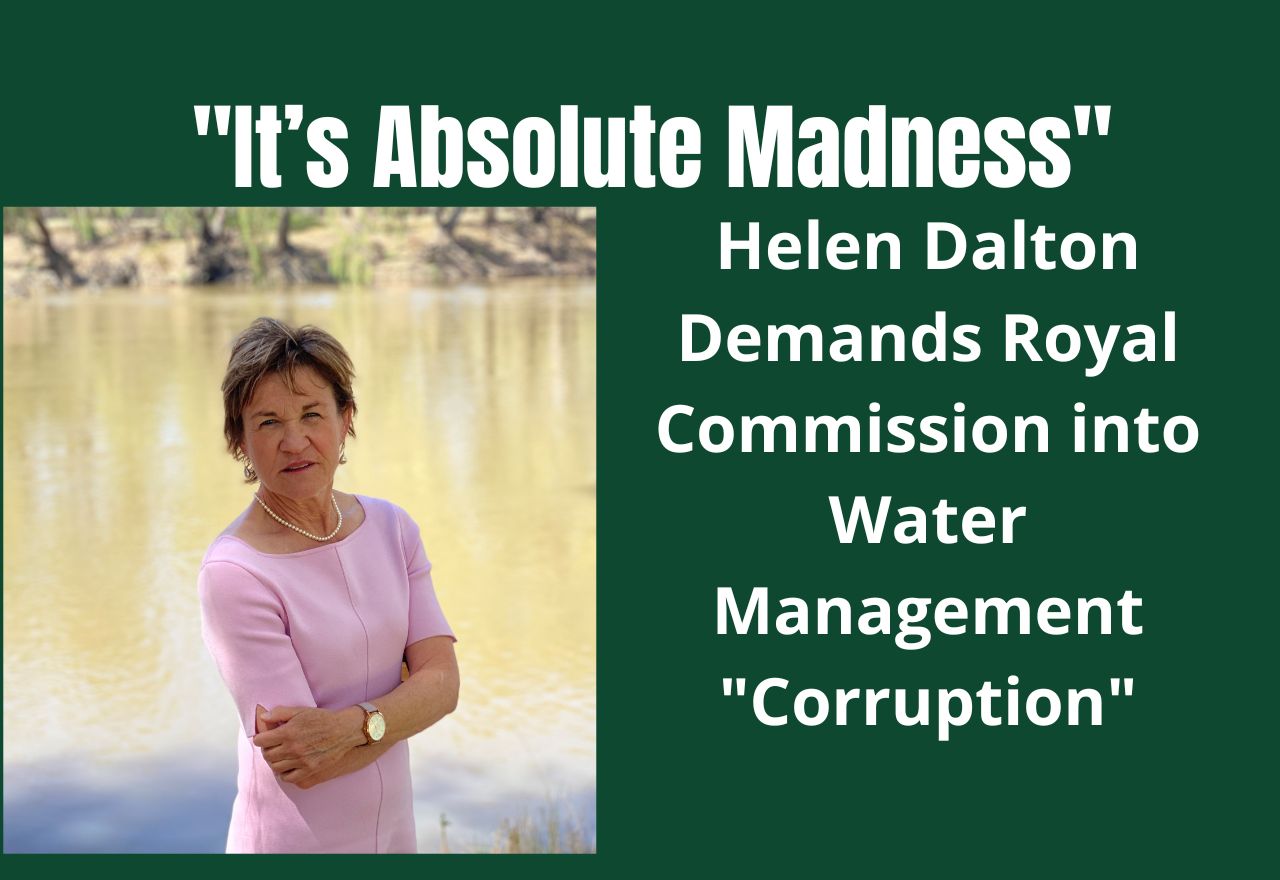
Independent for Murray Helen Dalton MP has labelled the rescope a "victory for common sense" but warns that the government is still trying to find "phantom water" to satisfy the 450 GL Basin Plan target.
Member for Farrer and leader of the opposition Sussan Ley MP maintains that while the original project was flawed, "some form of infrastructure upgrade" is necessary to stop the lakes from becoming stagnant pools that kill fish every three years.
Member for Barwon Roy Butler MP is focused on the Town Water Security aspect, pushing for the Menindee-to-Broken Hill pipeline to be utilised more effectively to allow the lakes to be managed for ecology, not just as a pipe for Broken Hill.
NEWS
RURAL
COMMUNITY