Red tape or rescue? Reactions to ‘Critically Endangered’ Lower Murray listing

Krista Schade
20 January 2026, 11:29 PM
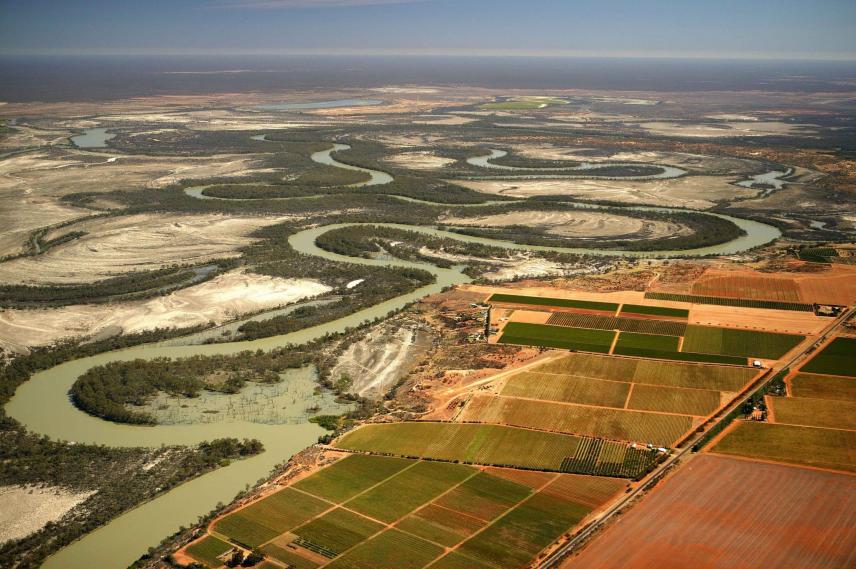 Image: MDBA
NFF chair and Member for Murray oppose Federal "Critically Endangered” listing for Lower Murray
In Short
• The Federal Move: The Lower Murray has been officially listed as "Critically Endangered," triggering the highest level of federal scrutiny for new developments.
• Industry Backlash: The National Farmers’ Federation (NFF) and local leaders argue the region is already over-regulated, claiming the move adds "unnecessary red tape" without clear environmental gains.
• Economic Fears: Irrigation groups warn the listing could block infrastructure projects and economic diversification, potentially forcing more water buybacks in the region.
The federal government’s decision to list the Lower Murray as "Critically Endangered" has sparked a sharp divide between conservationists and those who manage the land and water that drive the local economy.
While environmental groups view the move as a necessary alarm bell, industry leaders and regional representatives warn of red tape and potential threats to future development in the Back Country.
The National Farmers’ Federation (NFF) has led the charge against the listing, arguing that the region is already one of the most heavily regulated landscapes in Australia.
Concerns Over Red Tape and Duplication
For many rural communities, where water security is the driver of the local economy, the addition of a new federal layer of protection is seen as a complicating factor rather than a solution.
NFF Water Committee Chair Malcolm Holm said the listing adds another layer of complexity to an already heavily regulated system, without clear environmental benefit.
“The Murray River corridor is already one of the most tightly regulated landscapes in the country,” Mr Holm said. “Adding an EPBC listing on top of the Basin Plan and existing state and federal laws creates unnecessary duplicative complexity and will potentially interfere with existing water regulatory processes.
“We're still trying to understand the detail of this decision, but right now it's unclear why more red tape is needed when we have existing mechanisms like the Basin Plan and Commonwealth Environmental Water Holder, or if this will compromise the Basin Plan Review.”
Mr. Holm suggested that if the government were serious about biodiversity, it should focus on the real curse in the system, European Carp, by declaring them a Key Threatening Process and funding eradication efforts.
A Challenge to Local History and Science
The reaction from regional political leaders has been equally pointed. NSW Member for Murray, Helen Dalton, whose electorate covers much of the impacted region, criticized the decision as one that ignores the natural history of the river system.
Ms. Dalton argued that the decision "ignores both science and history," noting that the Murray did not always naturally run full all year round.
“Before man-made dams existed, records show the river stopped flowing over 5 times across the past 150 years. Yet today, productive irrigation water is being forcibly bought back using taxpayer funds and flushed out to sea to sustain artificial outcomes like the fake lower lakes and the diminishing aquifer from the South-East Drains.
“The National Farmers' Federation has warned this new EPBC listing adds more red tape to an already over-regulated system, with no clear environmental gain. What we are witnessing is political blame-shifting disguised as environmental protection.”
Implications for Future Development
Irrigator groups have specifically flagged concerns that the "Critically Endangered" status could act as a barrier to non-purchase water recovery projects and local infrastructure upgrades.
In a submission prior to the decision, the NSW Irrigators’ Council warned that the listing could trigger costly federal assessments for projects aimed at diversifying local economies or reconfiguring farm infrastructure. They argued that the move could inadvertently set "non-purchase" water recovery options up to fail, leaving buybacks as the only remaining tool for the government, a prospect that remains a major point of tension for rural and farming communities.
While Minister Murray Watt has insisted that existing farming activities like cropping and grazing are exempt, the "Critically Endangered" tag ensures that any major new development in the region will now face the highest level of federal scrutiny.
NEWS

SPORT

RURAL