New Federal protections for River Murray floodplains

Krista Schade
19 January 2026, 7:00 PM
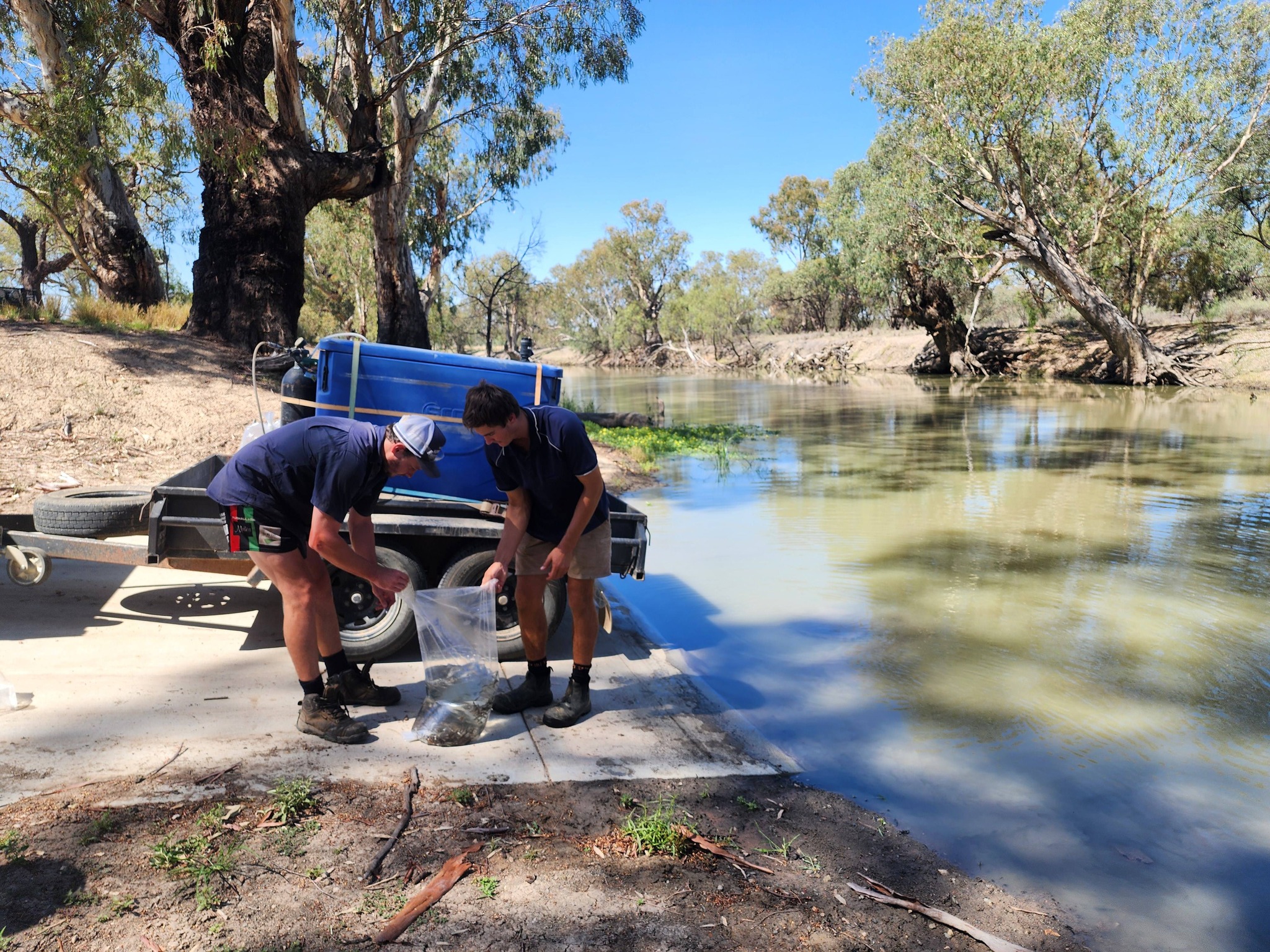
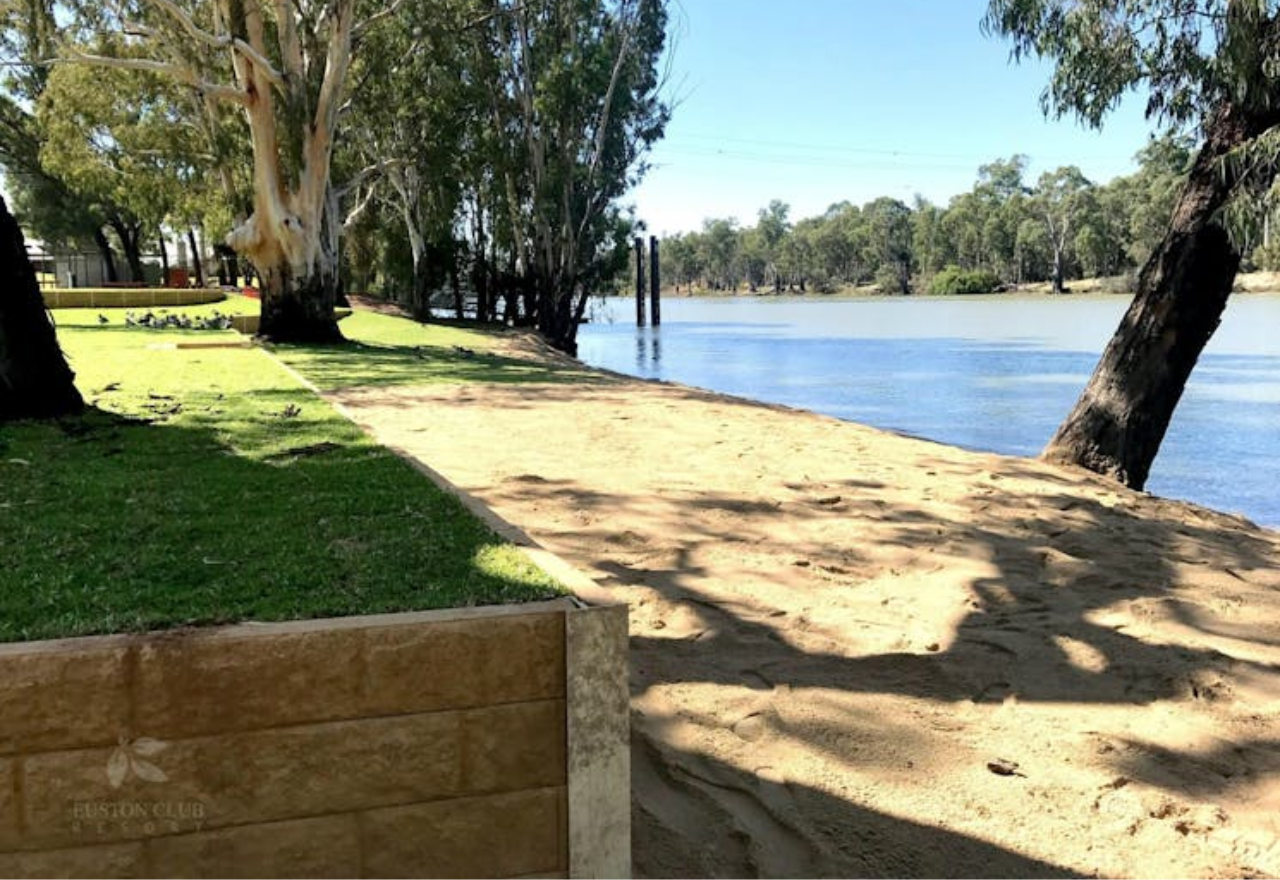 The Murray River at Euston, NSW
The federal government has officially listed the River Murray (downstream of the Darling River) as Critically Endangered, a move that carries significant implications for land management and conservation efforts.
In short:
• Highest Protection Status: The federal government has listed the River Murray (downstream of the Darling) as Critically Endangered, triggering strict new legal protections under the EPBC Act.
• Regional Impact: The Macquarie Marshes, near Warren in far west NSW, are now listed as Endangered.
• Policy Shift: This move is expected to force proactive recovery plans, potentially reshaping future water distribution and irrigation policies within the Murray-Darling Basin.
Federal Environment and Water Minister Murray Watt announced the decision last week, following recommendations from the Threatened Species Scientific Committee.
The listing, made under the Environment Protection and Biodiversity Conservation Act (EPBC), also includes associated aquatic and floodplain systems, along with the Macquarie Marshes in northwestern NSW, which received an Endangered status.
For residents in the Riverina and Far West, where the health of the Murray-Darling system is tied to both the economy and the local environment, this shift in legal status marks a new chapter in how these floodplains are regulated.
Focus on Biodiversity and Recovery
The new listing highlights the vulnerability of the ecosystems that stretch through our local government areas. BirdLife Australia, a national conservation group, welcomed the move, noting that these regions are vital corridors for bird populations that are increasingly under pressure.
BirdLife Australia CEO Kate Millar noted that the listing will help protect the many bird species that depend on these unique habitats.
“The River Murray ecosystem is home to a dazzling variety of birds, including waterbirds, raptors and parrot species. At the Murray Mouth and Coorong, we’re leading important actions to protect Hooded Plovers and colonies of Fairy Terns in partnership with traditional owners. And the Macquarie Marshes, a Key Biodiversity Area, are home to more than 70 species of waterbird including 43 species that breed there. These are spectacular places of immense importance to Australian birds and are internationally recognised."
Impact on Local Ecosystems
The River Murray downstream of the Darling - encompassing sections of the Wentworth and Balranald regions - is now classified at the highest level of threat.
For the elusive Australasian Bittern, a species often found in the reed beds of our local wetlands, the listing is seen as a formal recognition of the threats posed by extended dry periods.
Ms. Millar described the news as "bittersweet," reflecting the complexity of environmental management in the basin.
“It’s bittersweet when ecosystems or species are listed under the EPBC act. On the one hand, it’s concerning that they are threatened enough to be eligible, on the other, it’s positive that their needs are being formally recognised,” Ms Millar said.
What Happens Next?
For communities in across the Back Country, the primary question remains how this listing will influence future water policy and land use.
Under the EPBC Act, a "Critically Endangered" listing usually triggers the requirement for proactive recovery plans.
Ms. Millar emphasized that listing is only one part of a broader system required to support the region's birdlife.
“To end Australia’s extinction crisis, it’s critical that the habitats they depend on are safe from destruction and degradation.
Putting in the work to secure and revitalise habitat, including the continued implementation of the Murray-Darling Plan, is central to building the resilience of birds in the face of a changing climate. We should expect that listing an ecological community, or a single species, as endangered will result in proactive recovery plans and key actions to bring them back from the brink.”
NEWS
SPORT


RURAL