The RBA's next move: what interest rate predictions mean for your wallet in 2026

Kimberly Grabham
04 January 2026, 7:00 PM
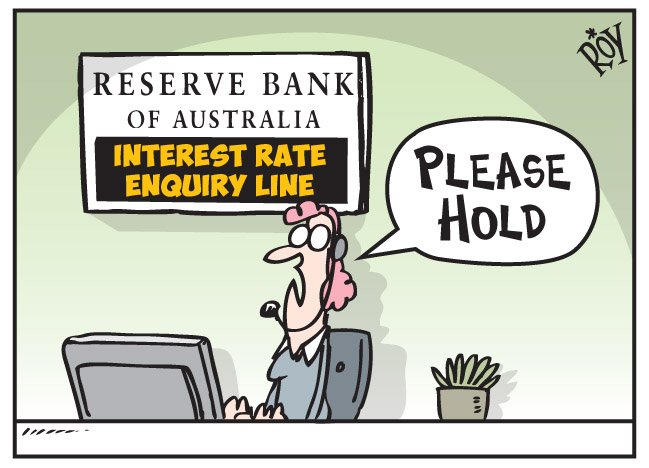
After three rate cuts in 2025, Australia's big banks are now split on what comes next. Some predict rate hikes as early as February. Here's what you need to know.
Just when Australian families thought they could breathe easier after a year of rate cuts, the conversation has shifted dramatically. After the Reserve Bank of Australia cut rates three times throughout 2025, bringing the cash rate to 3.60 per cent, two of the big four banks are now predicting the unexpected; rate hikes in early 2026.
It's a jarring turn that has left many homeowners wondering what happened to the promised relief.
The major banks are currently split, with two predicting the cash rate will increase. Here's where they stand:
Commonwealth Bank has revised its forecast and now expects a 0.25 percentage point hike in February, taking the rate to 3.85 per cent, where it would remain for the rest of 2026.
National Australia Bank is even more hawkish, predicting two rate increases in 2026, one in February and another in May, adding a total of 50 basis points.
ANZ and Westpac, however, expect the cash rate to remain steady at 3.60 per cent throughout their forecast horizons.
Why the sudden change? The answer lies in one stubborn problem, inflation isn't cooperating.
The key trimmed mean inflation measure rose to 3.0 per cent in the September quarter and is expected to stay above that level until well into 2026. Even more concerning, consumer price index data showed inflation climbing to 3.8 per cent in October, well above the RBA's target band of 2-3 per cent.
Economic growth is forecast to reach 2.4 per cent in early 2026, a rate that's slightly above the pace the economy can comfortably sustain. The economy is running hot, and that's keeping prices elevated.
Households are a major driver of this strength, helped by earlier interest rate cuts, recent tax changes and steady job and income gains. Investment in data centres and renewable energy projects is also adding momentum, along with improvements in housing investment.
The problem? An economy growing faster than its sustainable pace inevitably creates inflationary pressure, exactly what the RBA has been trying to suppress.
The RBA board discussed circumstances in which an increase in the cash rate might need to be considered at some point in the coming year, according to minutes from the December meeting. However, they noted it would take time to assess whether inflationary pressures are truly persistent or driven by temporary factors.
RBA Governor Michele Bullock has been unusually frank about the situation. In December, she said she doesn't see rate cuts on the horizon for the "foreseeable future" and that the question is whether we face "an extended hold from here, or the possibility of a rate rise."
The next crucial data point comes in late January, when the fourth quarter inflation figures are released. That information will heavily influence
If a rate hike does materialise, banks emphasise it would be modest adjustment, not the start of an aggressive tightening cycle.
The expected February rate rise would be a fine-tuning move, not the start of a large run-up in interest rates. The goal is to nudge inflation back toward target rather than cool the economy sharply.
For someone with a $600,000 mortgage, even a single 0.25 per cent rate increase translates to approximately $80-100 extra per month in repayments. If NAB's prediction of two rate hikes proves correct, that figure doubles.
For families already stretched thin by the cost of living, these aren't trivial amounts. The accumulated savings from 2025's rate cuts could be partially or entirely eroded if forecasts of rate increases come to pass.
Not everyone is convinced rate hikes are inevitable. ANZ's head of Australian economics, Adam Boyton, notes that the economy is in an unusual position, GDP growth is around potential, the cash rate is around neutral, and the labour market is broadly in balance.
This "goldilocks" scenario, not too hot, not too cold, could justify keeping rates steady. ANZ also reserves the option to put rate cuts back on the table if the labour market shows signs of weakening.
Most economists don't expect inflation to comfortably settle within the RBA's target band until late 2027. That suggests we're in for an extended period of monetary policy uncertainty, with the central bank walking a tightrope between controlling inflation and avoiding recession.
The question is whether it's just an extended hold from here, or the possibility of a rate rise, as Governor Bullock noted. The RBA itself can't put a precise probability on either outcome.
In this environment of uncertainty, homeowners should consider:
- Reviewing your budget assuming rates could rise rather than fall. Can you absorb an extra $100-200 per month in mortgage payments?
- Consider fixing if you're on a variable rate, though weigh the pros and cons carefully. Fixed rates reflect market expectations of future rate moves and may already price in potential hikes.
- Build a buffer if possible. Having 2-3 months of expenses in savings provides crucial breathing room.
- Stay informed but don't panic. The RBA's next meeting on February 3 will provide crucial clarity, and the January inflation data will be the key factor in their decision.
The Bottom Line
After a year of relief, Australian mortgage holders face renewed uncertainty. The optimism of 2025's rate cuts has given way to a more complex picture where even modest rate increases are on the table.
For now, the cash rate sits at 3.60 per cent. Whether it moves up, stays put, or eventually continues down depends on one crucial factor: whether inflation finally cooperates and moves sustainably back toward the RBA's 2-3 per cent target range.
With the big banks divided and the RBA itself uncertain, Australians would be wise to prepare for multiple scenarios. The days of assuming rates will only move in one direction, either up or down, are over. We're entering an era where every data release matters and where the RBA's next move remains genuinely uncertain.
The RBA's next cash rate announcement is scheduled for February 3, 2026, at 2:30 PM.