The Hanson Surge: Could One Nation Actually Govern Australia?

Krista Schade
15 February 2026, 7:00 PM
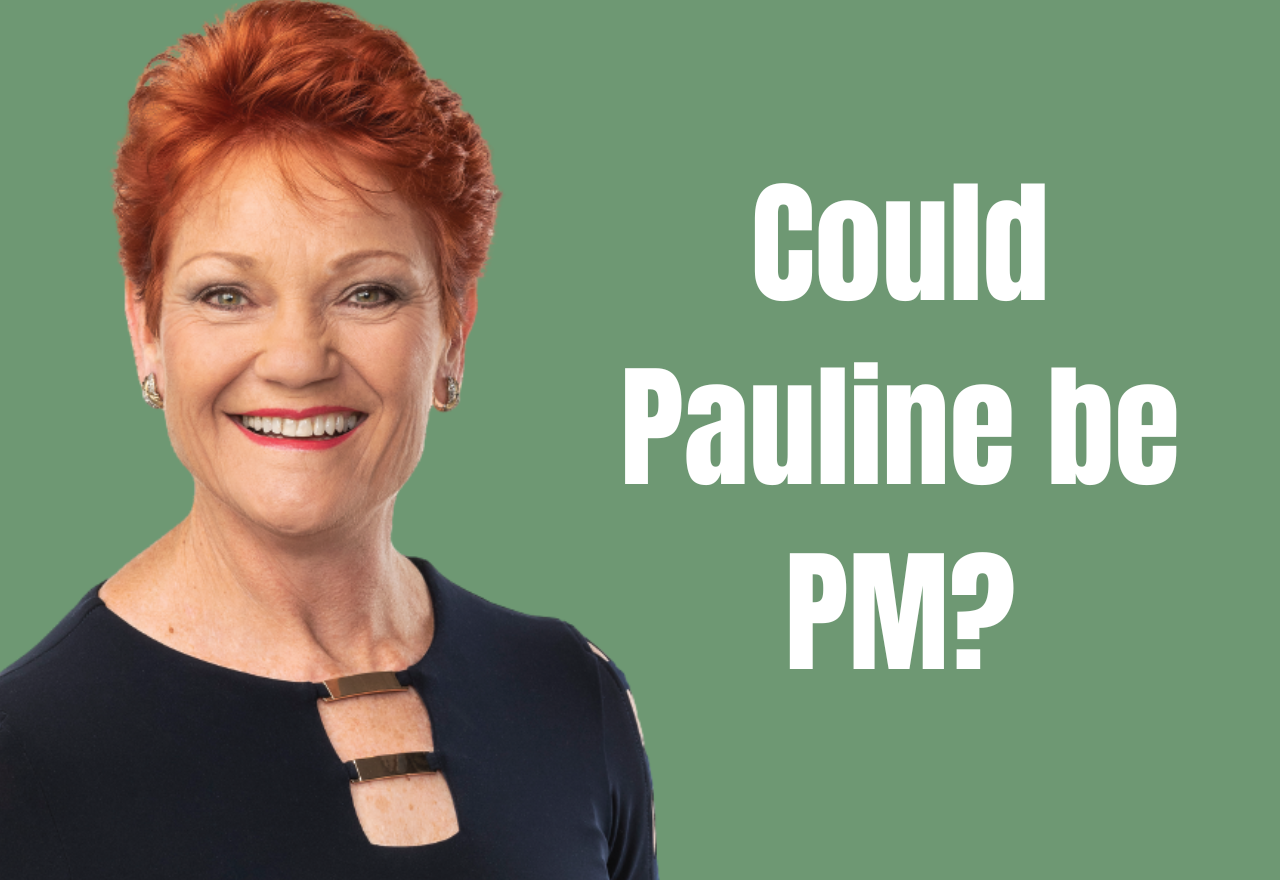
How does it work? Could Pauline Hanson become Prime Minister?
In Short
- Record Support: Recent January 2026 polling shows One Nation’s primary vote reaching up to 25%, fuelled by the defection of Barnaby Joyce and recent Coalition leadership instability.
- The PM Hurdle: As a Senator, Pauline Hanson cannot currently become Prime Minister; she would need to win a seat in the House of Representatives to lead the nation.
- Official Opposition Potential: While a majority of 76 seats remains unlikely, analysts suggest One Nation could win up to 36 seats, potentially becoming the official Opposition over the Liberal Party.
The Australian political landscape in early 2026 is experiencing a notable shift.
Following the 2025 Federal Election, where the Labor Party (ALP) was returned to government with a majority of 94 seats, recent national polling suggests a significant surge in support for Pauline Hanson’s One Nation (PHON).
The Recent Surge
As of January 2026, polls from DemosAU and Guardian Essential show One Nation's primary vote reaching record highs, sometimes hitting 22% to 25%.
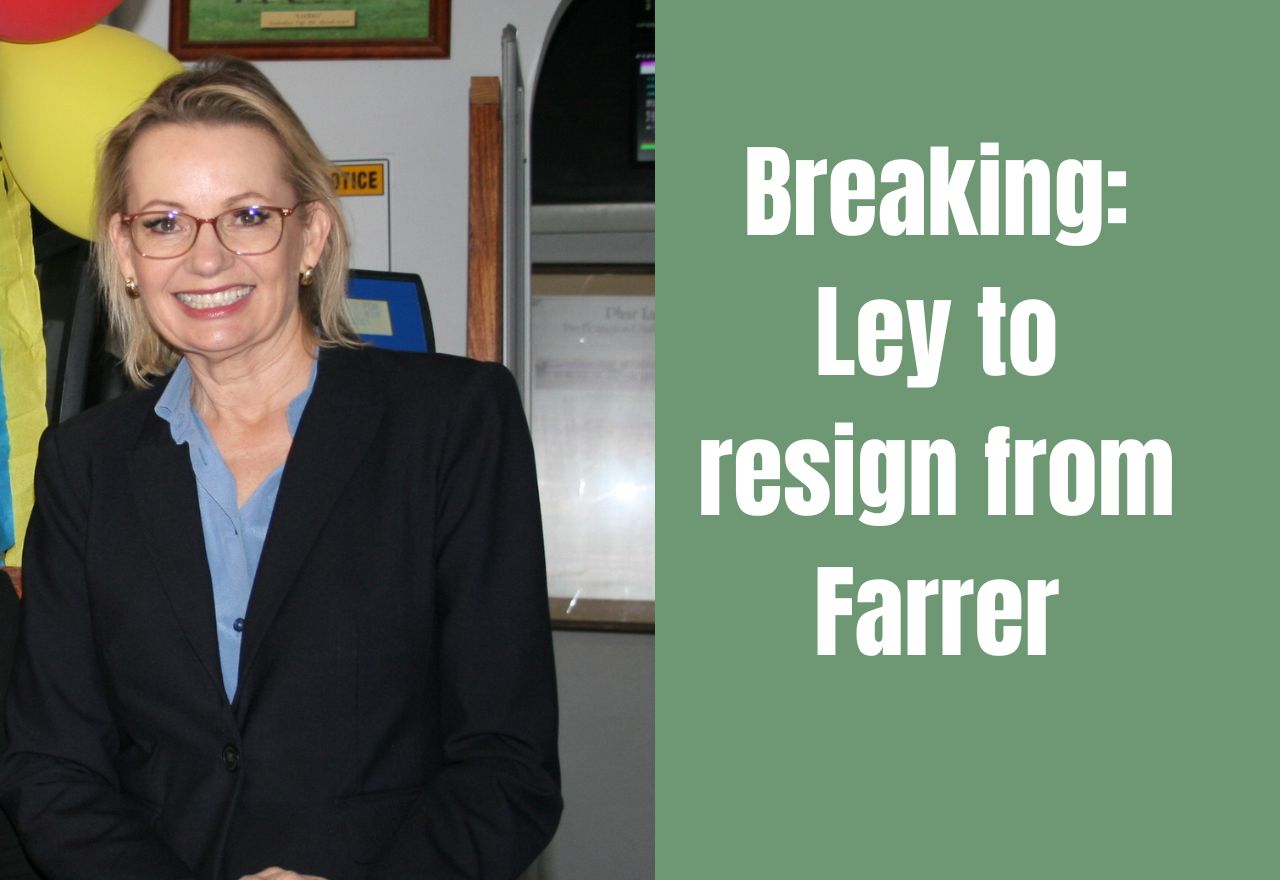
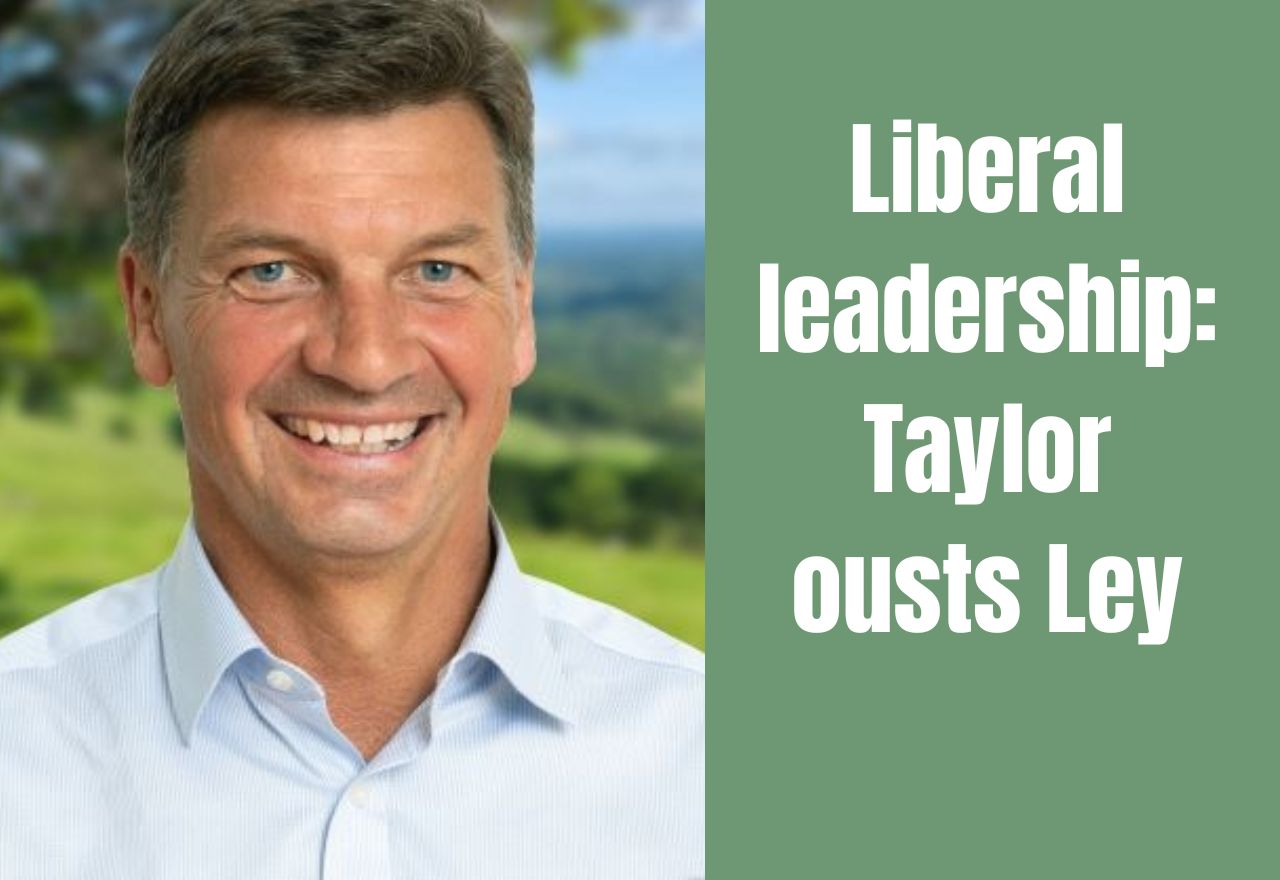
Much of this momentum is coming at the expense of the Liberal-National Coalition, which has seen its primary vote slide, following a period of instability which saw Member for Farrer Sussan Ley replaced as leader last week..
The PHON surge is strongest in regional and rural areas (particularly Queensland) and among voters over 55, though recent data shows support is becoming more evenly split between men and women.
The party's profile was boosted late in 2025 when former Deputy PM Barnaby Joyce defected from the Nationals to One Nation, giving the party a seat in the House of Representatives.
Could Pauline Hanson Become Prime Minister?
The short answer is: Not in her current role.
While One Nation is rising in the polls, there are several constitutional and procedural hurdles that would make it extremely difficult for Pauline Hanson to become Prime Minister, even if her party won the most seats.
The House Requirement
In the Australian system, the Prime Minister is almost always a member of the House of Representatives (the Lower House).
Right now, Pauline Hanson is a Senator (Upper House).
To become PM, she would need to resign from the Senate and successfully run for a seat in the House of Representatives. While not constitutionally forbidden for a Senator to be PM, convention and practical governance (the PM must command the majority of the House) make it effectively mandatory to sit in the Lower House.
Forming Government
For One Nation to win government, they would need to secure a majority (at least 76 of the 150 seats) in the House of Representatives, or form a coalition with other parties to reach that number.
Despite high primary poll numbers, One Nation currently holds only one seat in the House of Representatives. Because Australia uses preferential voting, a high primary vote doesn't always translate into seats if other parties' preferences don't flow to you.
Even with their current surge, political analysts like Antony Green suggest that if an election were held today, One Nation might win between 29 and 36 seats. This would make them a powerful Third Force or the Official Opposition, ahead of the Liberal or National parties, but they would still be far from the 76 seats needed to govern alone.
Party Leadership
If One Nation did manage to form a majority government, the party's members in the House of Representatives would choose their leader, who would then be sworn in as Prime Minister.
If Hanson were still in the Senate at that time, the party would likely choose a member from the House (like Barnaby Joyce or another elected MP) to be PM.
NEWS
RURAL