The Tiger of White Cliffs: Why Bradman Feared Australia’s Fiery Spin Legend

Krista Schade
29 January 2026, 4:00 AM
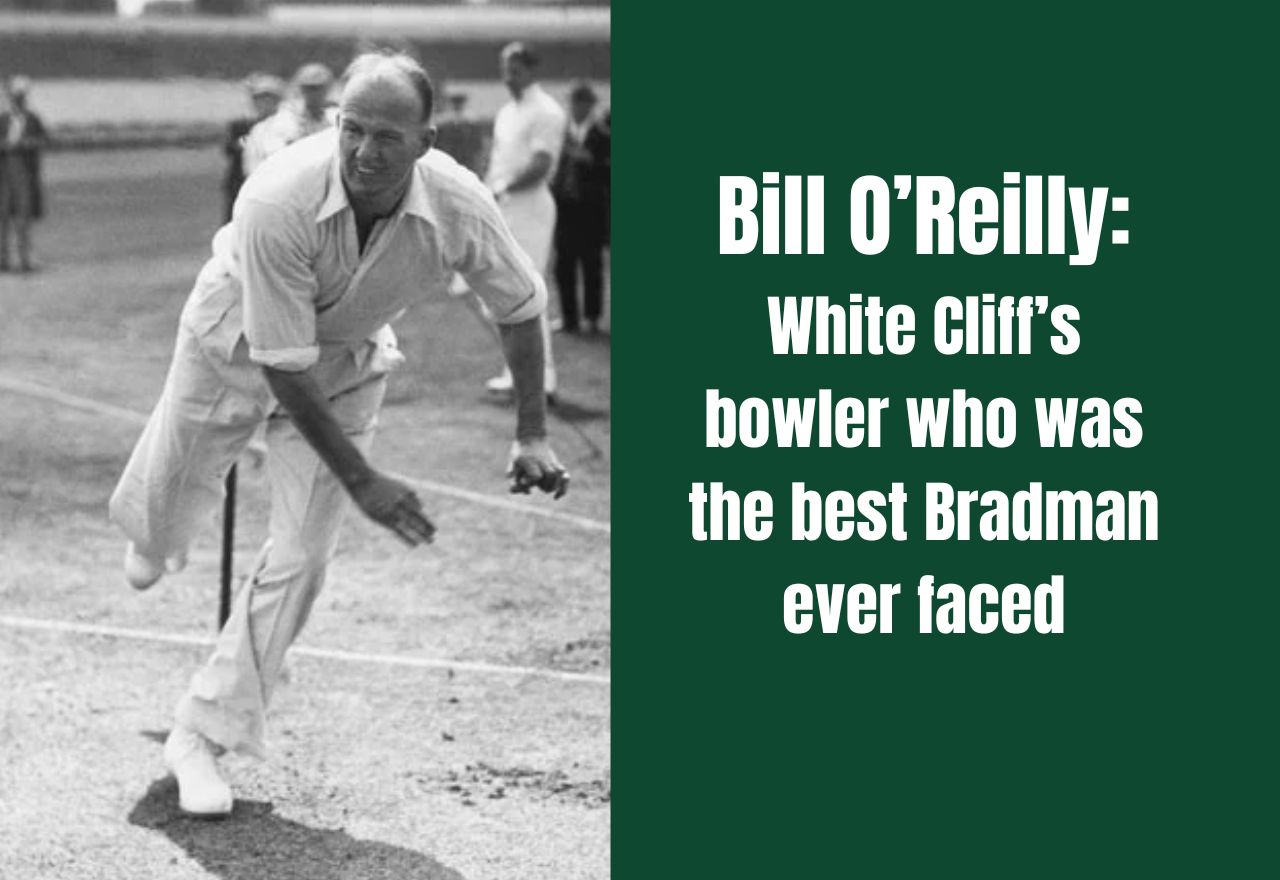
Bill O’Reilly: The Greatest Bowler Sir Donald Bradman Ever Faced
In Short
• Humble Beginnings: Born in the outback town of White Cliffs, O’Reilly honed his skills using a hand-chiselled banksia root for a ball and a gum-wood bat.
• The Don’s Choice: Sir Donald Bradman officially named O’Reilly the greatest bowler he ever faced, a testament to his "spitting cobra" deliveries and relentless pace.
• Uncompromising Legacy: Known as "Tiger" for his fierce competitive streak, he transitioned from a world-class economy rate of 1.94 to a legendary, sharp-tongued career in sports journalism.
In the sport of cricket, where statistics often mask the soul of the game, the name Bill O’Reilly was more than just a bowler; he was a thunderstorm in flannels.
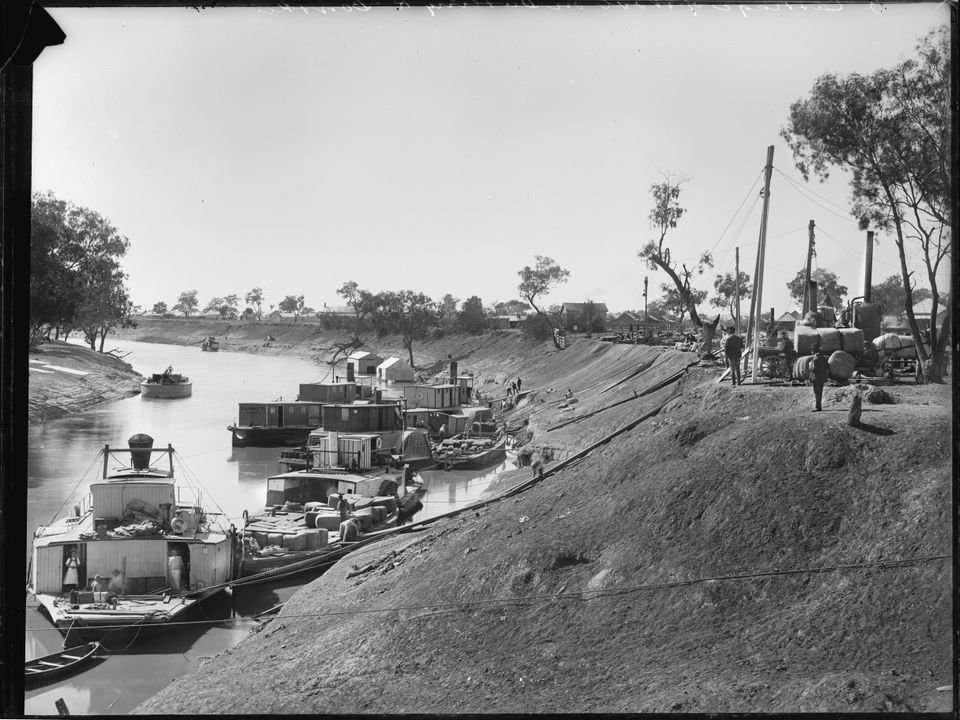
Born in 1905 in the opal-mining outpost of White Cliffs, NSW, O’Reilly carried the grit of the outback onto the pristine lawns of the Sydney Cricket Ground and Lord’s.
To watch him bowl was to witness a man in a state of perpetual, righteous indignation.
O’Reilly’s childhood
O'Reilly was born in the opal mining town of White Cliffs. His father Ernest had been appointed to open the first school in the town, and had helped to build the school and its furniture himself.] Bill was the fourth child in the family, with two elder brothers and a sister.
O'Reilly's cricket skills were largely self-taught; his family moved from town to town whenever his father was posted to a different school, he had little opportunity to attend coaching. He learned to play with his brothers, playing with a "gum-wood bat and a piece of banksia root chiselled down to make a ball."
He learned to bowl because his older brothers dominated the batting rights. His bowling action was far from the classic leg spin bowler's run-up and delivery.
One journalist said "he was asked to make up the numbers in a Sydney junior match and, with a method that at first made everyone giggle, whipped out the opposition".
From a young age, O'Reilly was a tall and gangly player.
The Tiger of the Turf
Standing over six feet tall with a fierce glare and a windmill-like action, O’Reilly earned the nickname "Tiger." Unlike the gentle, loopy leg-spinners of the modern game, O’Reilly’s deliveries were hostile.
He didn't just try to beat the bat; he seemed to want to bruise the batsman’s dignity.
He bowled with a grip that defied convention and a pace that bordered on medium-fast, making his leg-breaks and "wrong 'uns" behave like spitting cobras.
High Praise from the Don
The ultimate validation of O’Reilly’s genius came from the highest possible authority: Sir Donald Bradman. The Don, a man who treated most bowlers like mere background noise to his century-making, famously declared O’Reilly the greatest bowler he ever faced. Coming from a man who saw every trick the game had to offer, this was high praise.
The rivalry between the two was the stuff of legend. Both were titans, both were fiercely competitive, and both hailed from the same era of Australian dominance. Yet, they were opposites: Bradman was the clinical accumulator; O’Reilly was the emotional, fiery interrogator.
Beyond the Wicket
O’Reilly’s career numbers are staggering, even by today’s standards:
- 144 Test wickets at a lean average of 22.59.
- An economy rate of 1.94, meaning he practically choked the life out of world-class batting lineups.
But statistics only tell half the story.
After hanging up his boots, O’Reilly transitioned into a legendary career as a journalist and commentator.
He wrote with the same bite he used on the pitch—uncompromising, sharp-tongued, and fiercely protective of the game’s standards.
He loathed the "showmanship" of later eras, remaining a purist until his passing in 1992.
COMMUNITY
VISIT OUTBACK NSW


VISIT HAY