Regional MP calls for NSW withdrawal from Basin Plan over delivery concerns
Kimberly Grabham
29 December 2025, 10:00 PM
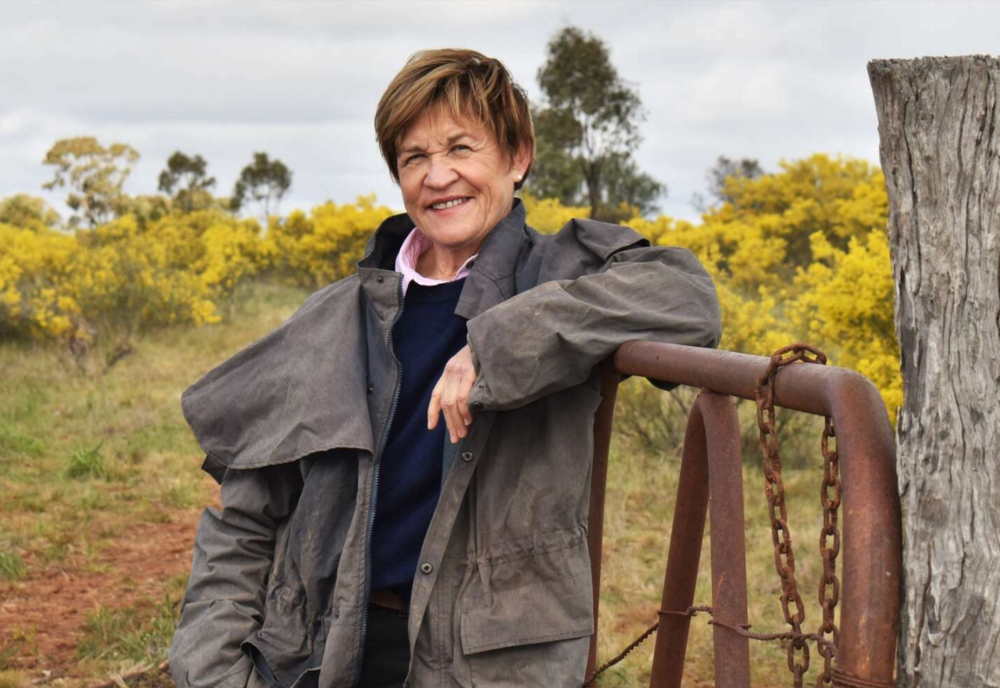
Murray MP Helen Dalton has escalated her criticism of the Murray-Darling Basin Plan, demanding the state withdraw entirely unless federal water buybacks cease, claiming infrastructure to deliver environmental water simply cannot function as promised.
Dalton alleges the Murray-Darling Basin Authority recently acknowledged longstanding problems with constraint projects in private discussions, though her specific claims about a closed-door admission could not be independently verified through public MDBA communications.
"For twelve years, farmers in Murray have been warning anyone who would listen: the Murray-Darling Basin Plan's constraint projects cannot deliver the promised 450 gigalitres to South Australia," Dalton said.
"Last week, the Murray-Darling Basin Authority finally admitted it in a closed-door meeting, the infrastructure needed to move environmental water downstream doesn't exist and won't work."
According to the December 2025 Murray-Darling Basin Ministerial Council Communique, ministers noted an estimated shortfall range of 255 to 355 gigalitres in delivering Sustainable Diversion Limit Adjustment Mechanism projects, and acknowledged the need for strategic approaches to further water recovery given that some projects will not be completed by the December 2026 deadline.
Dalton directed her criticism at Federal Water Minister Murray Watt, who announced plans in November 2025 to recover an additional 130 gigalitres through voluntary purchases.
"Yet Federal Water Minister Murray Watt keeps spending billions buying back water that his own agency confirms cannot be delivered," she said.
"This water sits uselessly in upstream storages, turning our communities into flood zones while achieving nothing for the environment. Meanwhile, the MDBA refuses to publicly state what they've privately conceded, protecting political careers over our livelihoods."
The constraints issue centres on physical limitations preventing environmental water from reaching floodplains and wetlands as intended. Challenges include bottlenecks like the Barmah Choke in the Goulburn system, which restrict water flow even when substantial environmental allocations are available.
Dalton emphasized the food security implications of continued water recovery. "Here in Murray, we're not just talking about water—we're talking about the food bowl of Australia," she said. "As irrigation water gets stripped from productive use without functioning delivery systems, our dairy, grain, rice and horticulture production contracts. That flows directly to your checkout. Higher grocery prices. More imported food. Less resilience when drought or global supply shocks hit."
She described a policy disconnect between population growth and agricultural capacity.
"Our population is growing rapidly, yet we're deliberately shrinking domestic food production based on a plan the government now admits doesn't work," Dalton said.
Regional councils have echoed concerns about the economic impact. Greater Shepparton City Council warned in November that the additional 130 gigalitre purchase "poses a serious threat to the future of agriculture, horticulture, and food security," with Mayor Shane Sali noting that "every litre of water removed from productive use means fewer crops, less milk, and reduced output from our orchards and processing plants."
Dairy industry representatives warned the purchases could push water prices up between 17 and 40 percent in dry years, affecting a region that produces one fifth of Australia's milk supply.
Dalton issued an ultimatum to the state government.
"I'm demanding Premier Minns withdraw NSW entirely from the Murray-Darling Basin Plan unless Federal buybacks stop immediately," she said.
"The MDBA has admitted the delivery system has failed. Every dollar spent on buybacks is taxpayer money wasted, destroying regional communities, undermining our food security, and driving up the cost of living for every Australian family."
The federal government maintains environmental restoration remains essential. Minister Watt has stated that failing to act would condemn the Basin to environmental decline that would "gradually strangle the industries and communities that rely on that environment for their livelihoods."
The government's 2024 Strategic Water Purchasing Tender closed in November 2024, with successful tenderers expected to receive offers between December 2025 and March 2026.
As of December 1, 2025, the Aboriginal Water Entitlements Program had made 35 purchases contributing 15.68 gigalitres to First Nations ownership.
A comprehensive Basin Plan review is scheduled for 2026, with public consultation commencing in February. The review will examine climate change impacts, sustainable water limits, First Nations interests and regulatory design, potentially reshaping water management arrangements across Australia's most significant river system.
NEWS