PFAS, Algae, and Your Local Swim: Why Australia’s Water Rules are Getting a Makeover

Krista Schade
02 February 2026, 7:00 PM
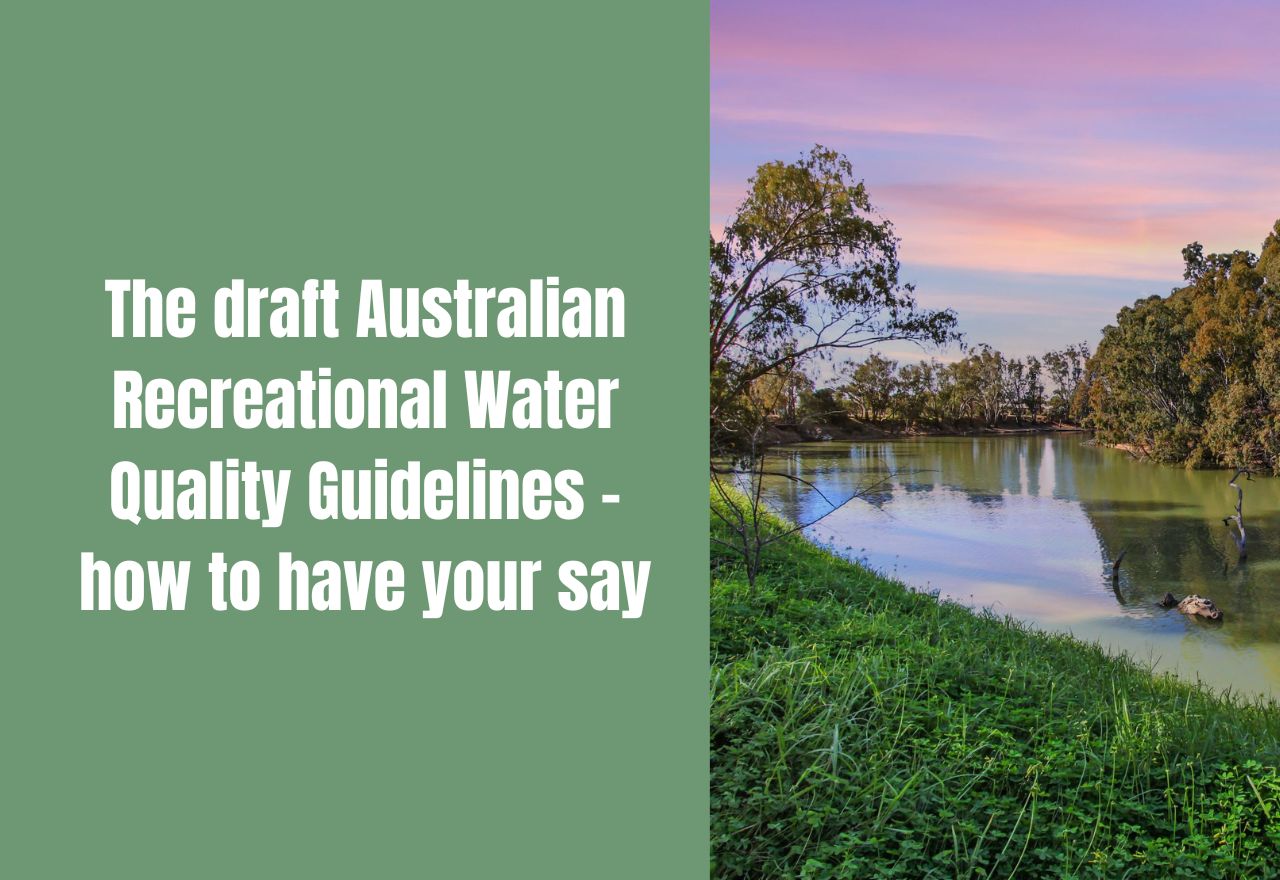
Have Your Say: New Rules Proposed for Our Rivers, Lakes, and Swimming Spots
In Short
• Focus on Forever Chemicals: For the first time, PFAS monitoring is being fully integrated into national recreational water standards.
• Water Quality Only: The new draft removes advice on land-based risks (like snake bites and sunburn) to focus strictly on microbes and toxins.
• Localised Control: Local councils will receive new tools and biomass triggers to decide more accurately when to close swimming spots.
The way Australia’s local swimming spots are monitored is set for a major overhaul.
The National Health and Medical Research Council (NHMRC) has officially opened public consultation on the draft Australian Recreational Water Quality Guidelines.
If adopted, these new standards will replace the previous 2008 framework, including threats like PFAS forever chemicals, while stripping away advice on non-water hazards like snake bites and sunburn.
What’s changing?
For regional communities where the local river or lake is at the heart of summer recreation, the draft guidelines herald a preventive risk management approach.
Key updates in the draft include:
- Tougher Chemical Monitoring: For the first time, guidance on PFAS (per- and polyfluoroalkyl substances) is being fully integrated into the national water standards. This follows growing concern over legacy contamination in regional waterways.
- Algal Bloom Alerts: The framework for blue-green algae (cyanobacteria) has been revised. New alert levels and biomass triggers are proposed to help councils decide more accurately when a No Swimming sign needs to go up.
- A Water-Only Focus: In this review, the NHMRC is moving away from a general safety model. Previous versions included advice on drowning, heat stroke, and dangerous animals. The new draft removes these, focusing strictly on water quality (microbes, chemicals, and toxins)
- Microbial Risks: Updated advice on faecal indicator bacteria aims to better predict when water might cause gastrointestinal illness, particularly after the heavy rain events that often wash runoff into our river systems.
Why it matters to us
Across the Back Country region, relationships with water are complex. Whether it’s the cultural importance of water for First Nations communities or the simple necessity of a cool dip during a 45-degree January heatwave, the safety of these sites is important.
The NHMRC states that the new guidelines are designed to be risk-based rather than one-size-fits-all. This means local authorities will have more specific tools to manage unique local hazards, such as agricultural runoff or specific chemical risks, rather than relying on outdated national averages.
Have your say
The NHMRC is calling on everyone who uses or manages recreational water to provide feedback.
How to participate:
- Closing Date: Submissions must be in by Friday, 27 February 2026.
- Where to read the draft: The full document and feedback forms are available at the NHMRC Consultation Hub.
The final guidelines are expected to be published in late 2026. Until then, the 2008 rules remain in place.
RURAL


NEWS

SPORT