Menindee Storage Trigger Increase Sparks Regional Concern

Krista Schade
03 March 2026, 7:00 PM
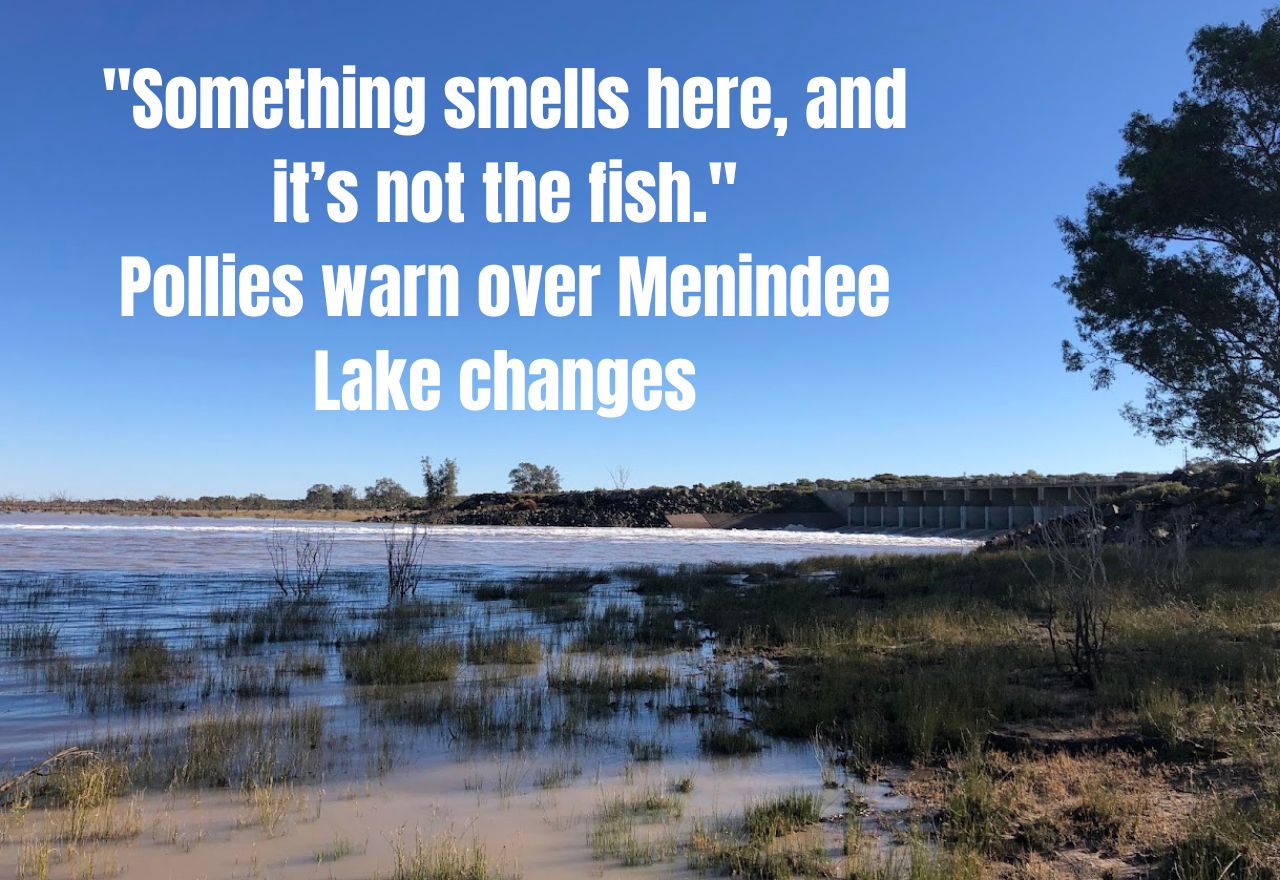
"A Knife in the Heart": NSW Government Raises Menindee Trigger, Threatening Northern Irrigators
In Short
- The Change: The NSW Government increased the Menindee Lakes storage trigger from 195GL to 250GL, preventing northern irrigators from harvesting floodplain water until the higher limit is met.
- The Controversy: Federal representatives and industry leaders claim the decision was made "at the stroke of a pen" with zero community consultation or scientific transparency.
- The Risk: Regional leaders warn the move threatens agricultural productivity, potentially leading to a loss of essential services such as doctors and teachers,
The New South Wales Government has increased the storage trigger at Menindee Lakes from 195 gigalitres to 250 gigalitres, a move that politicians say directly impacts water access for northern Murray-Darling Basin irrigators.
The decision, which governs when floodplain harvesting can occur, means that northern irrigators will now be restricted from capturing flows until the Menindee Lakes system reaches the higher 250GL threshold. The policy shift has been met with criticism from federal representatives who claim the change was implemented without community consultation or a framework for compensation.
Local Impact
For riverside communities, the management of the Menindee Lakes is a critical factor in both local water security and the broader health of the Darling (Baaka) River.
As communities, farmers and businesses that rely heavily on the agricultural productivity and environmental stability linked to the river system, changes to upstream capture rules and downstream storage triggers can have significant flow-on effects for local economies and water availability.
Political and Industry Response
Nationals Senator for NSW and Shadow Minister for Water, Ross Cadell, expressed significant concerns regarding the transparency of the decision-making process.
“Water policy in this country needs to be clear and transparent,” Cadell said. “Instead, Labor has used the stroke of a pen on Macquarie Street to again muddy the waters, leaving regional communities with no trust in their elected officials. Our regional communities have lost faith in Government to listen, care, and respond.”
Senator Cadell further argued that the implications of the rule change extend beyond the immediate vicinity of the lakes.
“When you make changes of this scale, it is not just the Menindee Lakes who bear the consequences, it is every community in the Basin,” Cadell said.
Concerns Over Agricultural Productivity
The Member for Parkes and Shadow Assistant Minister for Agriculture and Resources, Jamie Chaffey, questioned the scientific basis for the trigger increase and its potential impact on regional sustainability.
“It is a clear case of a department making decisions without the NSW Minister for Water taking any responsibility, and without any proof this will make an ounce of difference to environmental outcomes or fish deaths,” Chaffey said.
“On paper, this might not look like much, but on the land, it’s a whole world of difference. This is yet another knife in the heart for regional communities. Our farmers are already tackling enormous challenges to provide the country with food and fibre, and they are at the heart of wealth generation for our regional communities and the nation.”
Mr Chaffey suggested that a reduction in farming productivity could lead to a decline in essential services for the region.
“If our farmers become less productive, that means our regional communities are at risk of losing more people, more teachers from schools and more doctors from hospitals. There was no consultation before this decision was made, and this move to slash irrigators’ rights has been made without any input from the people and businesses it impacts, and with no regard for the federal Menindee and Basin Plan Reviews currently under way. Submissions for those reviews do not close until 1 May 2026. Something smells here, and it’s not the fish.”
Calls for Transparency
The timing of the announcement has been highlighted as a point of contention, particularly as federal reviews into the Menindee Lakes and the broader Basin Plan remain ongoing.
Senator Cadell stated that northern communities have faced years of "regulatory conflict" and called for a reversal of the decision.
“What we need now is transparency, and meaningful consultation, not lip service from city centric bureaucrats. I call on the State Labor Government to reverse its decision and commit to proper consultation with Basin communities,” Cadell said.
The NSW Government has not yet provided a detailed response to the claims regarding the lack of consultation or the specific environmental modelling used to justify the 55-gigalitre increase in the trigger point.
NEWS

SPORT


RURAL

COMMUNITY