Your next chapter starts now: claiming your power in the empty nest

Kimberly Grabham
09 January 2026, 1:00 AM
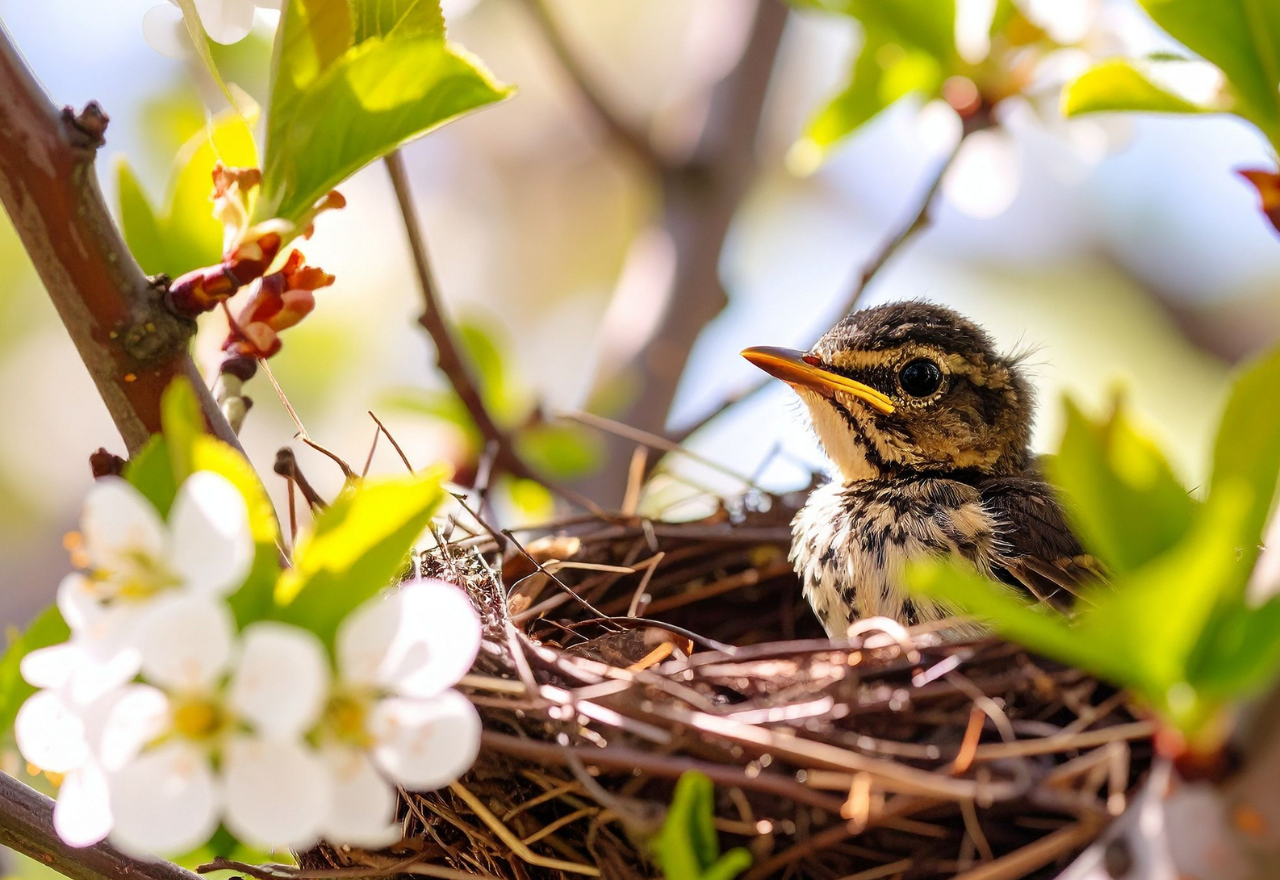
It is the start of the new year, and some of you might have experienced the ;last child leaving the nest as their schooling lives concluded.
So, the kids have moved out. The house is yours again. And contrary to what everyone keeps asking, you are not lost, broken or in need of fixing. You are standing at the threshold of one of the most exciting phases of your life, and it is time to claim it.
This is not about coping with loss. This is about stepping into freedom you have not experienced in decades. After years of putting children first, scheduling your life around school runs and sport practices, and answering the question "what's for dinner" approximately seven thousand times, you finally get to ask yourself a different question: what do I actually want?
Empty nest syndrome is real, and the adjustment takes time. But the narrative that paints this phase as something to survive rather than something to savour needs challenging. You have not lost your purpose. You have graduated from one incredibly demanding role and now get to decide what comes next. That is not a crisis. That is an opportunity.
For women navigating this transition alongside menopause, the challenge intensifies. Hormonal upheaval combined with major life change can feel overwhelming. But here is what nobody tells you: once you get through it, many women report feeling more confident, clear headed and powerful than they have in years. The physical changes are real, but so is the mental clarity and reduced tolerance for nonsense that often arrives on the other side.
The empty nest hits differently depending on your circumstances. Only children leave all at once, creating abrupt change. Multiple children create a gradual progression. Neither is easier or harder, just different. What matters is not how it happens but how you respond.
Start by reclaiming your identity beyond motherhood. You are not just someone's mum. You never were, even when the role consumed most of your time and energy. The interests, dreams and ambitions you had before children did not disappear. They just got shelved. Now is the time to pull them back out and examine which ones still excite you.
Think back to a time when you knew exactly who you were and what made you come alive. For many people, this is somewhere between ages ten and twelve, before the world started telling them who they should be. What did you love doing? What made hours disappear? What would you do all day if given the chance?
Make a list. Everything counts. Reading. Writing. Drawing. Building things. Being outdoors. Solving problems. Making people laugh. Whatever lit you up then probably still holds clues to what will fulfil you now. You might not want to do exactly the same activities, but the essence of what drew you remains relevant.
Now write down what you would do if nothing held you back. No budget constraints. No time limitations. No worries about what anyone else thinks. This is not about being realistic. This is about getting honest with yourself about what you actually want, not what you think you should want.
The gap between childhood passions and impossible dreams often reveals your authentic path forward. Maybe you loved writing stories and dream of publishing a novel. Start writing. Maybe you loved making things and dream of opening a shop. Start making. The dream does not have to happen exactly as imagined to be worth pursuing. Action creates momentum, and momentum creates possibilities you cannot see from standing still.
Reconnect with people who knew you before children defined your existence. Old friends remember versions of you that you may have forgotten. Reaching out can feel awkward, especially after years of lost contact, but most people respond positively. Everyone gets busy. Everyone loses touch. Admitting you miss someone and want to reconnect takes courage, but it opens doors.
Suggest specific activities rather than vague promises to catch up sometime. Join a class together. Start a walking group. Revive an old hobby you both enjoyed. Concrete plans make reconnection easier and create regular touchpoints for rebuilding relationships.
For coupled parents, the empty nest offers chances to remember why you got together in the first place. All those conversations interrupted by children needing things can now flow uninterrupted. Spontaneous plans become possible again. You can eat dinner at 9pm if you want. You can leave the house without coordinating multiple schedules. You can have loud conversations and intimate moments without worrying about who might walk in.
This transition can strengthen relationships, but expecting immediate bliss ignores reality. You are both adjusting. Old patterns need renegotiating. Time together that once felt precious because it was rare now stretches endlessly ahead, and that can feel strange. Be patient with the process. Most couples report that after initial awkwardness, they rediscover each other in wonderful ways.
Here is what you need to understand about external pressure: everyone has opinions about what you should do next, and none of them matter unless they align with what you actually want. People will ask what you plan to do with all your free time. They will suggest you get a job, start volunteering, take up golf, travel more, or any number of things they think you should do.
You do not have more free time just because children left home. Managing a household requires the same effort regardless of how many people live there. If you love homemaking and finances allow it, keep doing it. You do not owe anyone an explanation for how you spend your days. Homemaking is legitimate work that creates value, and you are not less than anyone because you choose to focus on it.
Working parents face different pressure. Now that children have left, surely you should pursue that promotion, take on more responsibility, push harder for advancement. Maybe you should. But only if you genuinely want to, not because someone else thinks your career should be your primary focus now.
The same applies to retirement pressure. Some people face expectations to step back from work based purely on age, despite having no desire to retire. Others feel guilty for wanting to retire when they could keep working. Your career decisions belong to you. The only timeline that matters is yours.
Reframe how you think about this phase. Your nest is not empty. It is evolving. You are not losing your children. They are becoming independent adults, which is exactly what you raised them to do. This is success, not failure. This is the natural progression of healthy family development.
Think of your home as having an open door rather than an empty nest. People leave and return. Adult children visit. Partners of adult children become part of your family. Grandchildren may eventually arrive. The composition changes, but connection continues. Your relationship with your children is not ending. It is transforming into something different and potentially richer.
This is your second act, your sequel, your next season. The first part of your story involved intensive hands on parenting. This part gets to be about whatever you decide it should be about. That is not a void to fill. That is creative freedom to design your life according to your preferences.
You are enough exactly as you are, doing whatever you choose to do. Your worth is not tied to productivity, achievement or service to others. It exists simply because you exist. What brings you joy may look nothing like what fulfils other people, and that is completely fine.
Some people will start businesses. Others will travel extensively. Some will write books or create art. Others will deepen their spiritual practices, volunteer for causes they care about, or finally master skills they have always wanted to learn. Some will do absolutely nothing that looks impressive from the outside and will be completely fulfilled doing it.
The empty nest is a beginning. What it begins is entirely up to you. After decades of putting children first, you get to put yourself first without apology or guilt. You get to prioritise your dreams, your interests, your wellbeing. You get to be selfish in the best possible way.
This is not the end of your relevance or usefulness. This is the beginning of a phase where you finally have the time, resources and life experience to pursue things that matter to you. You have spent years developing skills, building resilience and learning what works and what does not. Now you get to apply all of that hard won wisdom to creating the life you actually want.
Stop waiting for permission. Stop looking for validation. Stop wondering if you are doing this phase right. There is no right way. There is only your way. Figure out what lights you up and do more of it. Figure out what drains you and do less of it. Protect your energy, claim your time, and build the life that makes you excited to wake up in the morning.
The nest is not empty. You are still in it. And what you do with it from here is limited only by your imagination and willingness to take up space in your own life. This is your time. Take it.
NEWS

SPORT


RURAL

COMMUNITY