Two men fined for fire ban breaches in Murrumbidgee Irrigation Area
Kimberly Grabham
01 December 2025, 10:00 PM
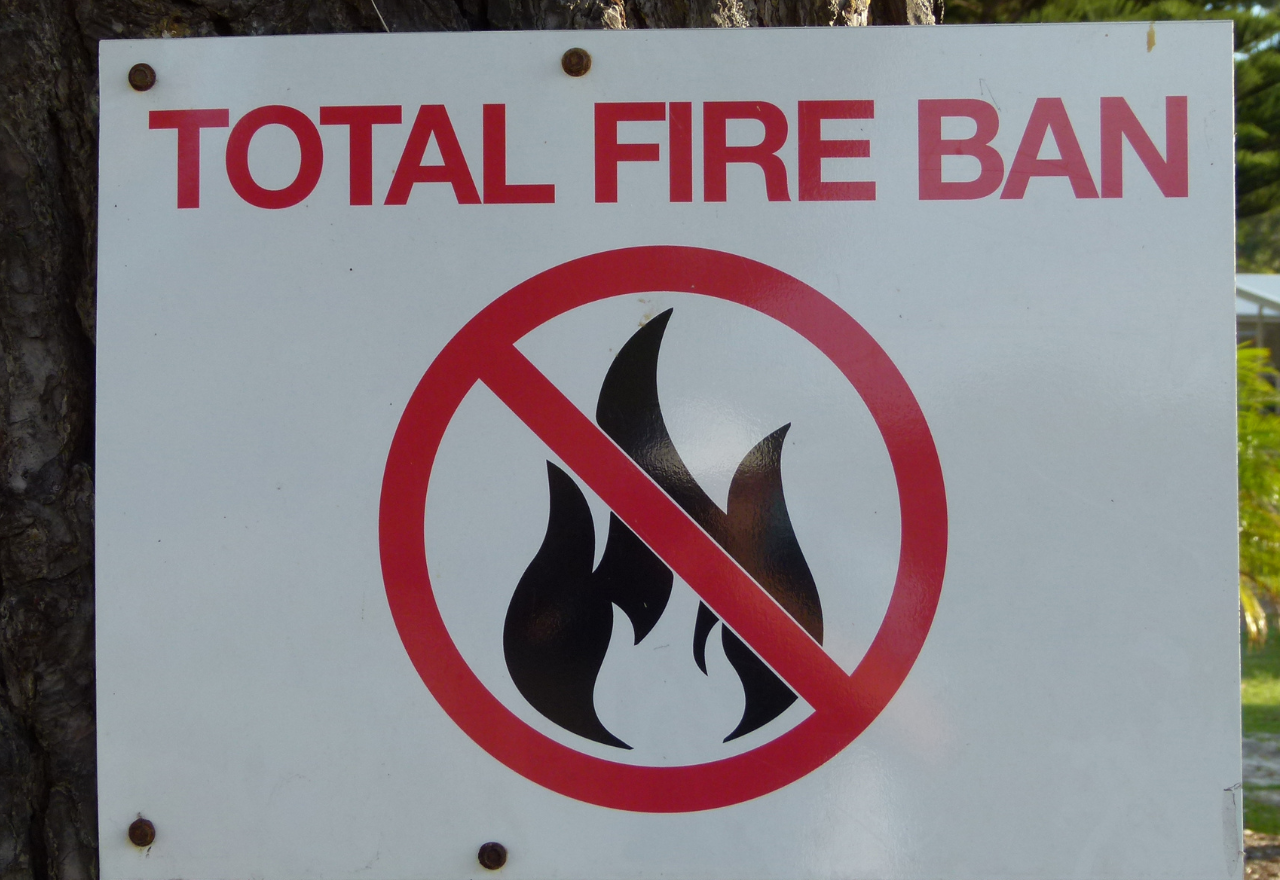
A Griffith man and a Leeton man have each been fined for allegedly failing to obey restrictions during a total fire ban, according to the Rural Fire Service.
Following the total fire ban declared on Wednesday, November 26, two infringement notices were issued in the Murrumbidgee Irrigation Area district.
The RFS says a Bilbul man ignited a pile burn at around 9am that day and has been fined $2200 for failing to comply with a total fire ban order. The man is also accused of not applying for a fire permit during the bush fire danger period and could have faced an additional fine of up to $1100.
Meanwhile, a Leeton man was issued an infringement notice and fined $2200 for allegedly using an angle grinder without an exemption. The RFS says he was also without any firefighting equipment in place on the total fire ban day.
The RFS says the fines are an example of how seriously it takes days of extreme fire danger rating and total fire bans. On those days, fires can start quickly, rapidly burn with intensity and become hard to handle.
RFS District Manager Scott Connor said total fire bans are put in place to protect communities and firefighters from the devastating impacts of fire. He urged everyone to take warnings seriously and comply fully with all restrictions, noting that non-compliance puts lives, homes and livelihoods at risk and enforcement action will be taken where necessary.
The incidents serve as a reminder that both pile burning and the use of equipment such as angle grinders are prohibited activities during total fire ban days unless specific exemptions apply. Property owners using such equipment are also required to have appropriate firefighting equipment readily available during the bush fire danger period.
Total fire bans are declared when weather conditions create extreme fire danger, typically involving a combination of high temperatures, low humidity and strong winds. During these bans, no fires may be lit in the open and a range of activities that could spark fires are prohibited.
The Murrumbidgee Irrigation Area, with its mix of agricultural land and residential properties, faces particular fire risks during hot, dry conditions. Pile burns of agricultural waste and the use of power tools that create sparks are common activities that become dangerous when fire conditions are extreme.
The bush fire danger period, during which additional restrictions and permit requirements apply, runs through the warmer months when vegetation is dry and fire risk is elevated. During this period, anyone planning to light a fire in the open must first obtain a permit from the RFS, and all fires must comply with permit conditions including having firefighting equipment available.
Enforcement of fire ban restrictions has become increasingly strict as authorities work to prevent catastrophic fires. The penalties reflect the serious risks that non-compliance creates, not only for the individuals involved but for entire communities and the firefighters who must respond to any blazes that result.
NEWS
SPORT

RURAL
COMMUNITY