Rabbits of the River: Will the 2027 'Virus Trials' Finally Reclaim the Murray-Darling?

Krista Schade
25 February 2026, 7:00 PM
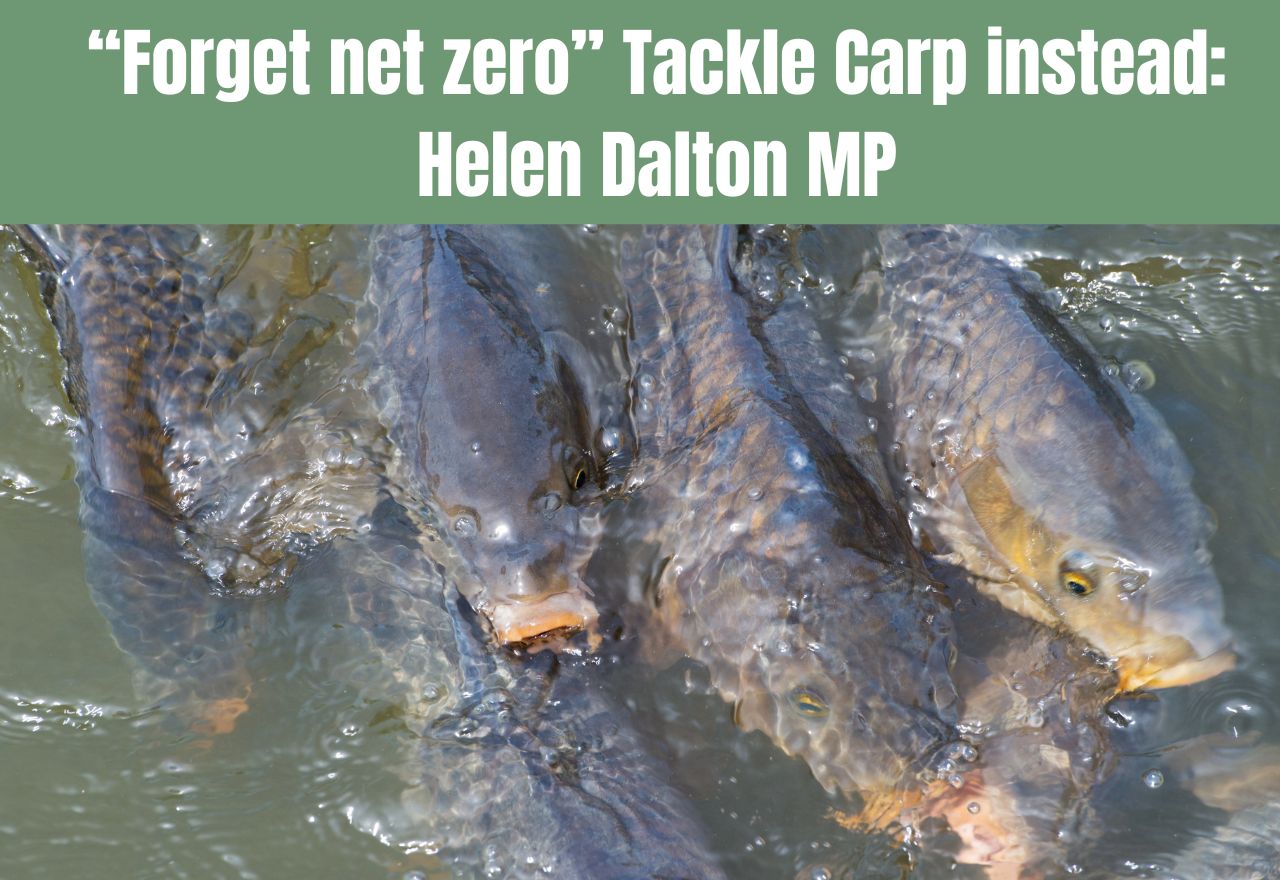
RIVER AT THE CROSSROADS: The $15M Gamble to Eradicate the 'Rabbits of the River'
In Short
- The Virus Strategy: Controlled trials of the Cyprinid herpesvirus 3 (KHV) are scheduled for 2027, targeting juvenile carp in isolated Victorian billabongs to test containment.
- The Political Clash: MP Helen Dalton has slammed the Federal Government for "negligence," while Minister Plibersek defends a "Nature Positive" approach focused on scientific certainty.
- The Biomass Bomb: Experts warn a mass kill could leave 350+ million rotting carp in the system, risking "blackwater" events that could suffocate the very native species the plan aims to save.
The Murray-Darling Basin is bracing for what could be the most significant—and controversial—biological intervention in Australian history. As of early 2026, the federal government has doubled down on the National Carp Control Plan (NCCP), with controlled trials of the Cyprinid herpesvirus 3 (KHV) slated to begin through 2027.
Since their introduction in the 1800s, common carp have decimated freshwater ecosystems. Experts now estimate these "mud-sucking" invaders account for a staggering 80 to 90 per cent of the fish biomass in the Basin.
The political divide over the virus has sharpened. Member for Murray Helen Dalton MP has emerged as the project’s fiercest advocate, labeling carp the "rabbits of the river." In a scathing assessment of Federal Water Minister Tanya Plibersek’s strategy, Ms. Dalton didn't mince words.
"There are over 145 carp for each person amongst the 2.4 million people who live along the Murray River system,” Ms Dalton said. “Tanya Plibersek hasn't proposed a solution. This isn't leadership - it's negligence."
Ms. Dalton has gone as far as suggesting the public should "forget net zero" and pivot all environmental focus toward the fish, calling them the single greatest threat to the Australian landscape.
Conversely, Minister Plibersek has maintained a posture of "cooperation, compromise, and common sense," insisting on a "Nature Positive" approach that prioritises scientific certainty over hasty releases.
The Science of the Kill
The virus, identified in the 1990s and present in over 30 countries, is lethal and specific. It attacks the gills, kidneys, and liver, killing 70 to 95 per cent of exposed carp. CSIRO research remains firm: the virus does not jump to humans or native species like Murray Cod.
However, the logistical nightmare of the aftermath is what keeps policymakers awake.
- The Biomass Bomb: With up to 357 million carp in the system during wet years, a mass kill would leave hundreds of thousands of tonnes of rotting flesh in the water.
- Blackwater Risks: Decaying fish strip oxygen from the river. Without massive intervention, the virus meant to save native fish could suffocate them instead.
- Evolutionary Resistance: Critics point to international studies suggesting carp can evolve resistance rapidly, potentially rendering the $15 million investment a temporary fix.
Turning Pests into Profit
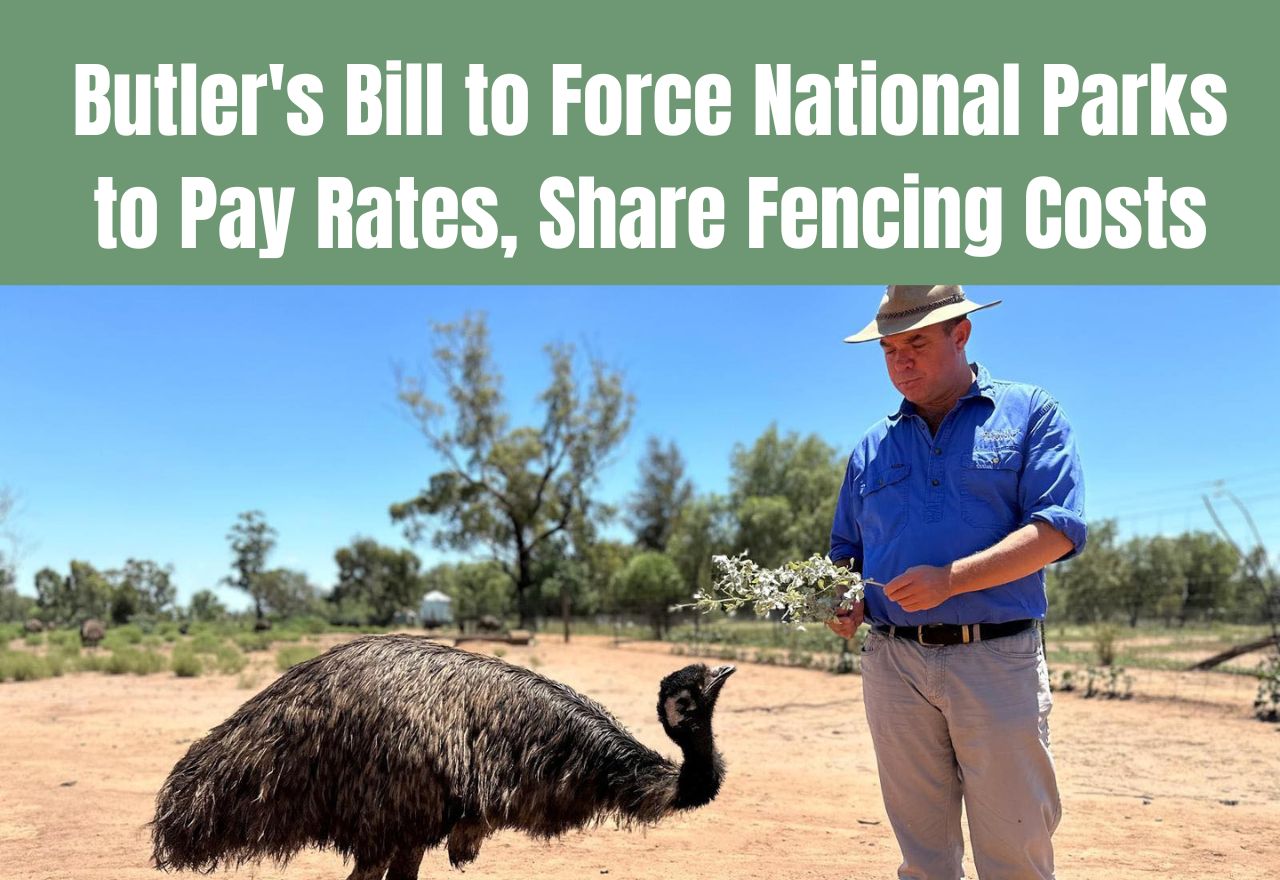
While the federal government deliberates, regional leaders are looking at commercial solutions to the biomass problem. Independent Member for Barwon Roy Butler MP has been investigating the conversion of carp into high-value agricultural products.
After visiting specialised processing facilities, Mr. Butler expressed excitement at the prospect of a circular economy for the pest:
"A product that uses waste and carp to produce high-value soil products has an obvious value to agriculture, consumers, and the environment—it ticks a lot of boxes,” Mr Butler said. “It takes two wicked problems and turns them into something of value."
This approach builds on the legacy of Charlie Carp, founded in Deniliquin in 1998. The company already utilises a network of commercial fishers to turn tonnes of carp into liquid fertilizer, proving that what was once described as the "muddy soup" of the Lachlan and Murray can be harvested rather than just buried.
The 2026–2027 Trials
The Victorian Fisheries Authority (VFA) is set to lead the first controlled trials in isolated billabongs and enclosed lakes. By targeting juvenile spawning areas in the Spring - when water temperatures are at an 18°C to 25°C temperature - scientists hope to contain the kill and manage the cleanup.
Security remains a concern. The Department of Agriculture, Fisheries and Forestry (DAFF) has been tight-lipped about specific trial locations to prevent illegal translocations, where members of the public might prematurely move infected fish into major river systems.
As the Lachlan River Catchment undergoes intensive epidemiological modeling, the residents of the Back Country wait to see if 2027 will finally be the year the tide turns against the river’s greatest foe.
NEWS


SPORT


RURAL

COMMUNITY