Be the bridge between Your community and better healthcare
Kimberly Grabham
07 December 2025, 10:00 PM
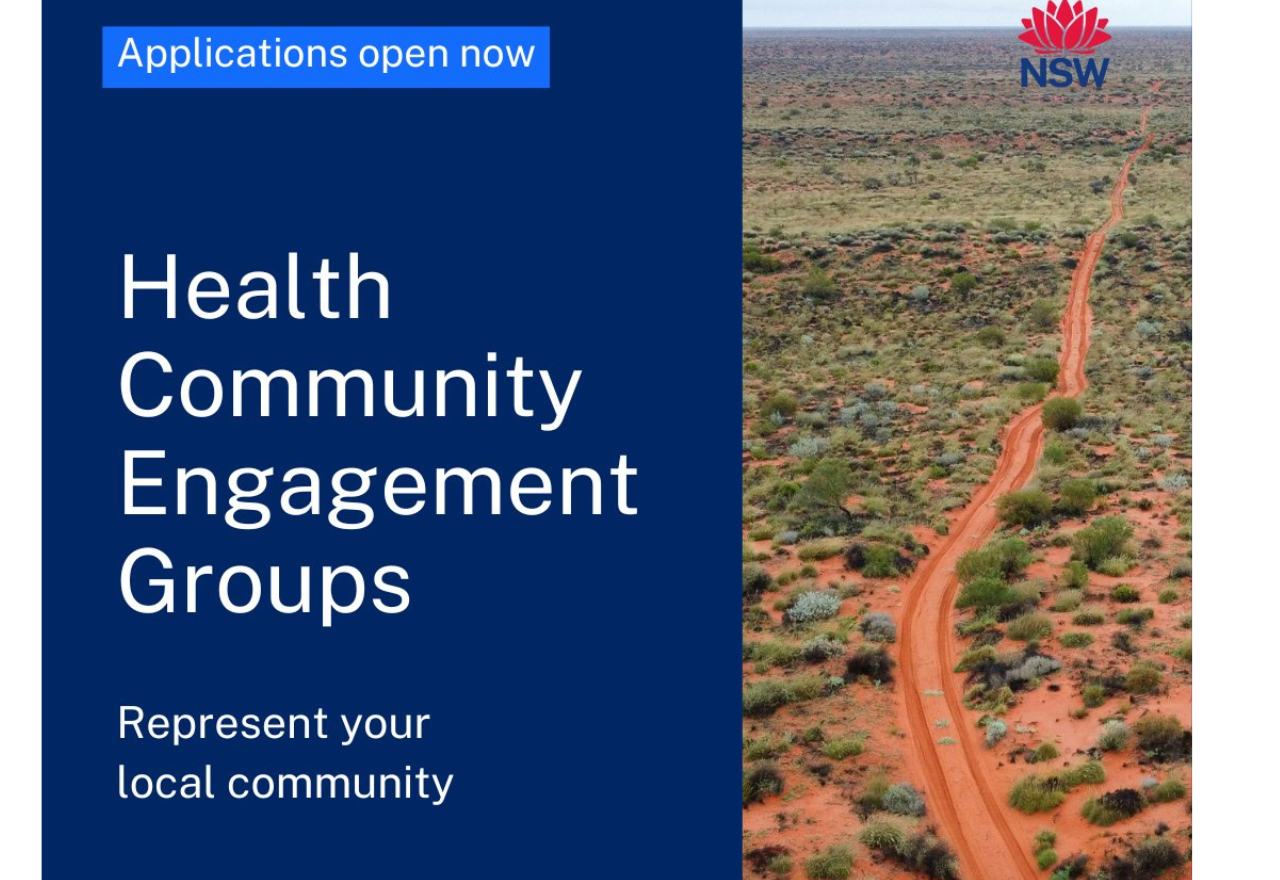
Healthcare works best when the people it serves have a real say in how it's delivered. Across the Far West, eight communities now have the opportunity to strengthen that connection through Health Community Engagement Groups, and applications are now open for new members who want to make a genuine difference.
Far West Local Health District understands that the best health outcomes happen when communities and healthcare providers work together as partners. That's why they've established Community Engagement Groups in towns across the district, creating structured opportunities for local voices to shape local healthcare. If you've ever thought about how healthcare could work better in your community, this is your chance to do something about it.
These aren't just consultation exercises where people share opinions that disappear into bureaucratic processes. Community Engagement Groups provide real opportunities for the community and district to unite in improving health outcomes. Members become active participants in a two-way conversation that influences how healthcare is planned, delivered and improved across the Far West.
As a member of your local Community Engagement Group, you'll take on several important roles that directly impact your community. You'll connect with local people to share information about health services, programs and initiatives, making sure your neighbours know what's available and how to access it. This grassroots communication often reaches people who might otherwise miss out on important health information.
You'll also advocate for local needs back to the Far West Local Health District. Every community has unique challenges, specific gaps in services, and particular health priorities. As someone who lives in your community, you understand these needs in ways that outsiders cannot. Your role is to make sure those needs are heard, understood and addressed by decision makers who have the power to respond.
Building trust is another crucial part of the work. Healthcare systems can seem distant, impersonal or difficult to navigate. Community Engagement Groups help facilitate the establishment of trust through transparent, two-way communication and genuine inclusion. When people see their neighbours actively engaged with the health district, when they hear about decisions before they're implemented, and when they understand the reasons behind changes, trust develops naturally.
Promoting health and wellbeing is a core function of every Community Engagement Group. This goes beyond just advocating for services. It's about working with your group to identify opportunities to improve community health, whether through education, prevention programs, addressing social determinants of health, or supporting initiatives that make healthy choices easier for everyone.
The work isn't abstract or theoretical. Members work with their groups on a range of priority action areas and specific projects. These might include improving access to particular services, addressing mental health needs, supporting healthy aging, tackling chronic disease, or any number of issues identified as priorities by the community and the health district together.
The Far West Local Health District coordinates Community Engagement Groups in eight locations across the region. Broken Hill, as the largest centre, has specific health needs and opportunities that differ from smaller communities. Wilcannia, Menindee, Tibooburra, Balaranald, Ivanhoe and White Cliffs each have their own groups focused on local priorities. The Two Rivers group brings together another community voice in the district.
This structure recognises something important: healthcare isn't one size fits all, especially across a region as vast and diverse as the Far West. What works in Broken Hill might not work in Tibooburra. The priorities in Menindee might be different from those in Balaranald. Each Community Engagement Group can focus on what matters most to their own community while contributing to better health outcomes across the entire district.
The health district also brings the chairs of each group together twice per year. These networking sessions allow leaders from different communities to share experiences, discuss common challenges, identify district-wide priorities, and learn from each other's successes. This coordination ensures that local groups benefit from collective wisdom while maintaining their focus on local needs.
Community Engagement Groups need members who genuinely care about health outcomes in their community and who are willing to contribute their time, energy and perspectives. You don't need medical qualifications or healthcare experience. What you need is local knowledge, connection to your community, and commitment to working collaboratively with others.
Perhaps you've been frustrated by gaps in local health services. Maybe you've seen neighbours struggle to access the care they need. You might work in a field that connects you with health issues, or you might simply be someone who cares about your community's wellbeing. Whatever your background, if you're willing to step up and be part of the solution, Community Engagement Groups need you.
The groups benefit from diversity in their membership. Different ages, different life experiences, different perspectives on health and healthcare all contribute to richer discussions and better outcomes. Some members might bring expertise in particular areas. Others might bring deep connections within the community. Still others might bring fresh eyes and willingness to ask questions that challenge assumptions. All of these contributions are valuable.
Healthcare in rural and remote areas faces ongoing challenges. Distance, workforce shortages, resource constraints and the specific needs of small, dispersed populations all require creative solutions and strong partnerships between communities and health services. Community Engagement Groups are part of the solution, creating formal structures for collaboration that might otherwise happen sporadically or not at all.
Your participation matters because healthcare decisions made without community input often miss the mark. Providers might not understand local barriers to access. They might prioritise services that don't match community needs. They might implement programs that look good on paper but don't work in practice. Community Engagement Groups help prevent these mismatches by ensuring local voices are heard throughout planning and delivery processes.
The work also matters because it strengthens communities. When people come together around shared concerns about health and wellbeing, when they work collaboratively toward common goals, and when they see their efforts producing real results, communities become more resilient and connected. The benefits extend well beyond healthcare itself.
If you're ready to apply, the process is straightforward. The application form is available through the NSW Government website, designed to gather information about your interest, experience and what you hope to contribute. Don't be intimidated by the form. The health district wants to know about you, your connection to your community, and why you want to be involved. There are no trick questions or prerequisites that would exclude people who have valuable contributions to make.
Once you've completed your application, forward it to the health district contact provided. Someone will be in touch to discuss next steps, answer any questions you might have, and guide you through the process of joining your local Community Engagement Group.
Your Community Needs You
In every town across the Far West, there are people who care deeply about health outcomes but don't know how to turn that concern into action. Community Engagement Groups provide the structure, the connection to decision makers, and the collaborative environment needed to make a real difference.
Healthcare in your community will continue whether you apply or not. Services will be planned, decisions will be made, and programs will be implemented. The question is whether those decisions will be informed by local voices, local needs and local wisdom. Community Engagement Groups ensure the answer is yes, but only if community members like you step forward to fill those vital roles.
Applications are open now for new members across all eight Community Engagement Groups in the Far West. Your community, your neighbours and your health district are waiting for people ready to bridge the gap between community needs and healthcare delivery. Will you be one of them?
Download the application form, take the time to thoughtfully complete it, and submit it to begin your journey as a Community Engagement Group member. Your community's health outcomes could depend on the voices willing to speak up and the hands willing to do the work. Make sure yours are among them.
NEWS
SPORT

RURAL
COMMUNITY



JOBS