The railway that connected the outback – then vanished

Kimberly Grabham
23 December 2025, 4:00 AM
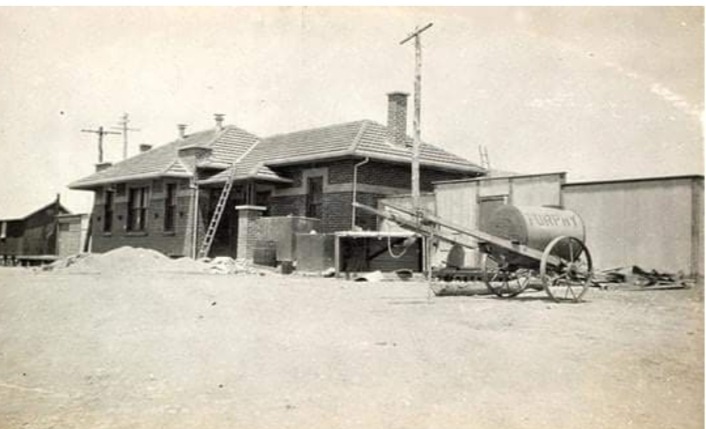
The rise and fall of the Balranald line that linked remote NSW to the world
On 26 March 1926, the sound of a train whistle echoed across the vast plains of the NSW Riverina as the first locomotive pulled into Balranald station. After decades of lobbying, political battles, and painstaking construction through some of Australia's most challenging terrain, the remote town finally had its connection to the outside world – a railway line that would transform life in one of the continent's most isolated regions.
The Balranald railway line represented more than just transport infrastructure; it was a triumph of political will and engineering determination over geographic isolation. For the scattered communities between Moulamein and Balranald, separated by hundreds of kilometres of sparsely populated plains, the railway promised to end their isolation and connect them to the economic opportunities of the broader world.
The story of the Balranald railway begins not in 1926, but in the political chambers of Sydney during the early years of the 20th century. The Border Railways Act of 1922 had authorised construction of several railway lines to connect isolated communities near the Victorian border, but the Balranald line faced unique challenges that would test the resolve of engineers and politicians alike.
The route from Moulamein to Balranald covered 143 kilometres of flat but often challenging terrain. Unlike railway construction in more densely populated areas, the Balranald line traversed vast stretches where the nearest settlement might be a single homestead or pastoral station. The engineering challenges were compounded by the region's extreme weather conditions, from scorching summers that could buckle rails to winter frosts that could crack concrete foundations.
Construction began in earnest in the early 1920s, employing hundreds of workers who lived in temporary camps along the route. These railway construction camps became temporary communities in their own right, complete with mess halls, recreation facilities, and even small hospitals to treat workers injured in the dangerous work of railway building. The workers included skilled tradesmen from Sydney and Melbourne, as well as local men seeking steady employment during the economically uncertain post-war years.
The construction gangs faced formidable challenges in the flat but often waterlogged terrain of the western Riverina. During wet seasons, construction sites could become quagmires that bogged down heavy equipment and made precise surveying nearly impossible. The railway builders had to construct numerous culverts and drainage systems to manage seasonal flooding, while also ensuring that the permanent way could withstand the region's extreme temperature variations.
One of the most significant engineering challenges was the construction of bridges across the various creeks and waterways that crossed the route. The bridge across Yanga Creek near Balranald became a particular source of pride for the railway builders – a substantial steel and concrete structure that demonstrated the permanent nature of the railway's commitment to the region. The bridge was designed to handle not only regular passenger and freight trains but also the heavy wool trains that were expected to form the bulk of the line's traffic.
The railway's construction was closely watched by local communities, who saw it as their connection to modernity and prosperity. Farmers along the route organised celebrations and gatherings as the railway advanced, recognising that the steel rails represented their liberation from dependence on costly and unreliable road transport. The railway promised to cut transport costs dramatically and provide reliable access to markets regardless of weather conditions.
When the first train finally arrived in Balranald on that March day in 1926, the entire town turned out to celebrate. Local newspapers described scenes of jubilation as the locomotive, decorated with flags and bunting, pulled into the new station. Speeches were made by local politicians and railway officials, while bands played and children waved from every vantage point along the track.
The early years of the Balranald railway represented its golden age. The line operated as a mixed service, with trains carrying both passengers and freight on the same journey. The twice-weekly service became the heartbeat of the region, connecting communities in ways that had never before been possible. Farmers could ship their wool and wheat directly to major markets, while residents gained access to manufactured goods, mail, and news from the outside world.
The railway's impact on local agriculture was transformative. Before the railway, farmers faced the expensive and time-consuming task of transporting their produce by bullock dray or motor truck over rough roads to distant railway terminals. The new line allowed them to load their wool and grain directly onto trains at local sidings, dramatically reducing transport costs and improving the reliability of getting produce to market.
Small sidings along the route became focal points for rural communities that had previously been isolated from regular transport services. Places like Koraleigh, Burraboi, and Gonn developed around railway infrastructure, with grain silos, stock yards, and basic services clustering around the platforms where trains stopped to collect passengers and cargo.
The passenger service provided social connections that were just as important as the economic benefits of freight transport. Families separated by vast distances could visit each other regularly for the first time. Young people could travel to regional centres for education and employment opportunities. Medical emergencies could be handled by transporting patients to hospitals in larger towns. The railway timetable became a crucial document in every household, marking the rhythm of social and economic life across the region.
The railway also played a crucial role during times of crisis. During droughts, trains brought stock feed and emergency supplies to struggling farmers. During floods, when roads became impassable, the railway remained the only reliable means of transport in and out of the region. World War II saw the line carrying military personnel and equipment, while the post-war boom years brought new settlers and returning servicemen to the area via the railway.
However, even during its most successful years, the Balranald railway faced ongoing challenges that would eventually contribute to its demise. The scattered population of the region meant that passenger numbers were never high, while freight traffic was seasonal and dependent on agricultural conditions. The railway required constant maintenance in harsh conditions, with extreme temperatures causing rails to expand and contract, and occasional floods damaging track and infrastructure.
The 1950s and 1960s brought significant changes to rural Australia that began to undermine the railway's economic viability. Improved roads and the increasing reliability and capacity of motor trucks made road transport increasingly competitive with rail transport. The flexibility of road transport – the ability to deliver goods directly from farm gate to final destination – began to outweigh the cost advantages of rail transport.
Government policy also began to shift away from supporting rural railways. The economic rationalist policies that gained influence in the 1970s and 1980s emphasised efficiency and cost-effectiveness over social and regional development considerations. Railways that couldn't pay their own way were increasingly seen as unnecessary drains on public resources.
The decline of the Balranald railway was gradual but relentless. Passenger services were reduced and eventually discontinued as car ownership increased and bus services provided more flexible transport options. Freight traffic declined as farmers increasingly used road transport for their produce. The railway's infrastructure began to show its age, requiring expensive upgrades that couldn't be justified by the declining traffic levels.
By the early 1980s, it was clear that the Balranald railway was approaching the end of its useful life. The final passenger train ran in 1983, marking the end of regular passenger services that had connected the region for nearly sixty years. Freight services continued for a few more years, but with ever-decreasing frequency and tonnage.
The decision to close the section from Moulamein to Balranald was announced in 1986, marking the end of an era for the region. The last train to run on the line carried a mixture of railway officials, local dignitaries, and residents who wanted to experience one final journey on the railway that had served their communities for six decades.
The closure was followed by a systematic removal of infrastructure so thorough that today, few traces remain of what had once been a substantial railway line. Rails and sleepers were removed and sold for scrap metal, while stations and other buildings were demolished or relocated. The bridge across Yanga Creek near Balranald, once a symbol of the railway's permanent commitment to the region, was demolished to make way for highway realignment.
The speed and thoroughness of the railway's removal reflected changed attitudes toward rural infrastructure. Unlike the careful preservation of historic railways in other parts of Australia, the Balranald line was treated purely as obsolete infrastructure to be disposed of as efficiently as possible. The land resumed by the railway was sold back to adjoining property owners, and within a few years, much of the route had been returned to agricultural use.
Today, only the most determined railway enthusiast can trace the route of the former Balranald railway. Occasional cuttings and embankments mark where trains once ran, while concrete foundations hint at the locations of former stations. The highway that now carries the traffic once transported by rail runs parallel to parts of the old railway route, but modern travellers speed past without knowing that trains once served these remote communities.
The story of the Balranald railway reflects broader patterns in rural Australian development. The line was built during an era of optimism about rural development and government commitment to providing services to isolated communities. Its closure came during a period of economic rationalism that prioritised efficiency over social considerations and saw rural services as expendable if they couldn't demonstrate clear economic returns.
The railway's legacy extends beyond its physical infrastructure to encompass the social and economic development it enabled during its sixty years of operation. Communities that grew up around railway stations developed different characteristics from those that remained dependent on road transport. The railway created patterns of settlement, commerce, and social interaction that persisted long after the trains stopped running.
For the communities it once served, the Balranald railway remains a symbol of connection and possibility. Older residents remember the excitement of train travel and the reliability of rail transport during difficult times. The railway represented government commitment to rural Australia and the belief that distance and isolation could be overcome through public investment in infrastructure.
The disappearance of the Balranald railway also represents a broader shift in how Australians think about rural development and public transport. The railway was built during an era when governments saw the provision of transport services as a public responsibility, regardless of immediate economic returns. Its closure reflected changed priorities that emphasised commercial viability over social and regional development considerations.
Contemporary discussions about rural transport and regional development often reference the lost railway networks of rural Australia. The Balranald railway, along with hundreds of other rural lines closed during the late 20th century, represents infrastructure that took decades to build but was removed in a matter of years. The question of whether this represented progress or short-sighted policy continues to influence debates about rural Australia's future.
The vanished railway line serves as a reminder that infrastructure decisions have long-lasting consequences for rural communities. The railway that took years to build and sixty years to serve the region was erased so thoroughly that future generations may never fully understand what was lost when the last train departed Balranald station and the steel rails were lifted from the red earth of the western Riverina.