Ten things they don't tell you about starting school

Kimberly Grabham
09 January 2026, 1:00 AM
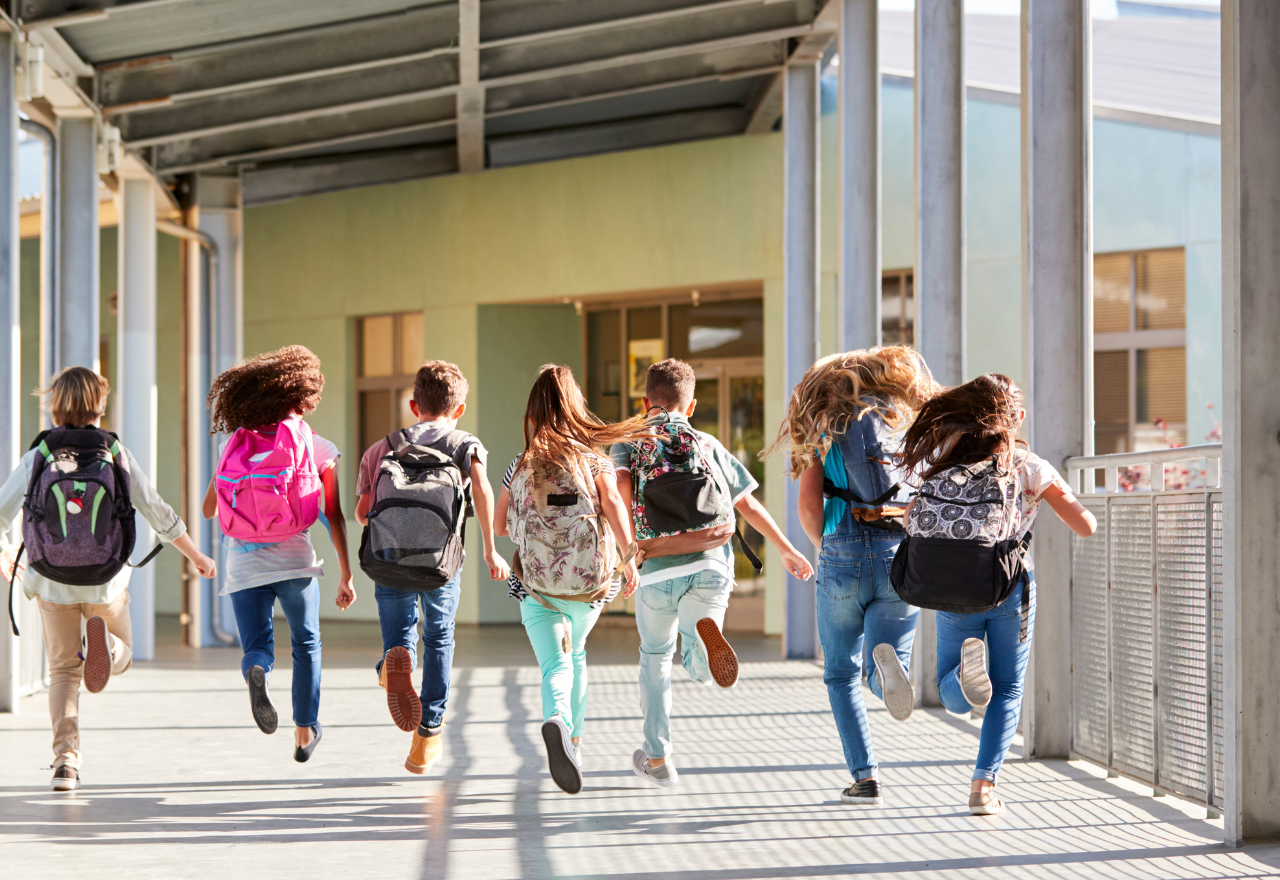
That first day of school is a milestone parents have been anticipating and possibly dreading since their child was born.
You've bought the uniform, covered the books, packed the lunchbox, and taken a thousand photos.
But there's a whole lot about starting school that nobody mentions until you're in the thick of it.
The emotional hit affects parents far more than kids in many cases.
You might cry dropping your child off on that first day, and that's completely normal.
Watching your baby walk into that classroom marks the end of an era.
They're not babies anymore.
They're becoming independent little people with their own lives separate from you.
It's exciting and heartbreaking simultaneously.
Some parents feel relief that their kids are in school and they can reclaim time, while others feel genuine grief. Both reactions are valid.
Your child might not tell you anything about their school day.
The classic "How was school?" question gets met with "Fine" or "I don't remember" from many kids.
This is frustrating when you're desperate to know what happened during those hours away from you.
Kids are often so overwhelmed by the day that they can't articulate it when they get home.
Information dribbles out over the following days or weeks.
You might not hear about the classroom hamster or the new best friend until weeks after the fact.
Some kids are private about school and don't share much regardless of your questioning. Learning to accept this takes time.
School exhaustion is real and hits hard those first few weeks.
Kids who never napped might suddenly need afternoon sleeps.
They might fall asleep in the car on the way home.
Evening meltdowns over nothing become common because they've held it together all day at school and fall apart at home where they feel safe.
This exhaustion lasts weeks while they adjust to full school days.
Adjusting bedtimes earlier helps, even though it feels ridiculously early to put a five-year-old to bed at 7pm. Your child's friendship dramas become your dramas too. Who they sit with at lunch, who played with them at recess, who said something mean, and who wouldn't share the blocks suddenly consume your thoughts.
Your heart breaks when they say nobody played with them, even though you know it's probably not entirely true.
Friendships at this age are fluid. Best friends change weekly. Kids who play together one day might ignore each other the next.
Resisting the urge to fix friendship problems teaches kids to navigate social situations independently, but it's hard watching them struggle.
School means sickness. Lots of sickness.
Kids starting school get every virus circulating through classrooms. Expect hand, foot and mouth disease, gastro, endless colds, conjunctivitis, and various respiratory infections throughout that first year.
Your child's immune system is building defences, but the process is miserable for everyone.
You'll use more sick leave than you planned. Your child will recover just in time to catch the next thing.
This is normal, unfortunately, and it does improve after the first year. Parent politics exist and can be surprising. School drop-off and pick-up become social events where cliques form.
Some parents are friendly and welcoming, others cliquey and exclusive. Birthday party invitation politics start immediately.
Your child might not be invited to parties, or you might feel obligated to invite the whole class to your child's party even though you don't know half these kids.
Navigating parent relationships while trying not to let any weirdness affect your child's friendships takes diplomacy. Homework starts in kindy or prep in many schools.
It's often basic, like reading a book together or practicing writing their name.
But establishing homework routines early matters because expectations increase every year. Finding time after school when kids are exhausted from a full day becomes a daily battle.
Some education experts question whether homework for young kids has any benefit, but most schools assign it regardless.
Fighting with your five-year-old about homework wasn't something you envisioned when picturing the school years. School costs far more than expected. Uniform, shoes, hat, bag, lunchbox, drink bottle, stationery, library bag, booklist items, excursion contributions, photograph packages, fundraising expectations, swimming lessons fees, art supplies, classroom contributions, and school fees if it's a private school add up shockingly fast.
Then there are unexpected costs like replacing lost jumpers, buying new shoes when they wear out within weeks, replacing water bottles that disappear, and contributing to class gifts or events.
The ongoing costs throughout the year often exceed initial outlays. Your child's behaviour might regress.
Toilet accidents might start happening again, speech might become babyish, clinginess increases, or behaviour at home deteriorates even though school reports say they're perfect at school.
Kids use all their energy holding it together at school and have nothing left for home behaviour.
They're processing huge changes and sometimes regress to younger behaviours when overwhelmed.
This is normal developmental response to major transitions. It passes, but those first months can be rough. You don't have to be perfect at this. You'll forget things, send wrong items in lunchboxes, miss notes sent home, forget casual clothes day, and feel like every other parent has it more together than you do. They don't. Everyone is making it up as they go along.
Teachers are surprisingly understanding about parental mistakes because they've seen it all before.
Your child probably won't be traumatised if you forget library day or send them in uniform on free dress day, despite the dramatic tears at the time.
Starting school is a massive transition for families. It changes family dynamics, routines, and daily life. The learning curve is steep for everyone.
Cut yourself slack during this adjustment period. Accept help when offered.
Connect with other parents going through the same challenges.
Remember that struggle during the first term doesn't predict the entire school experience.
Most kids and families adapt within a few months and wonder how they ever filled days before school existed. But nobody warns you about that adjustment period, and it can blindside even the most prepared parents.