Surviving the good old Aussie barbecue

Kimberly Grabham
20 December 2025, 10:00 PM
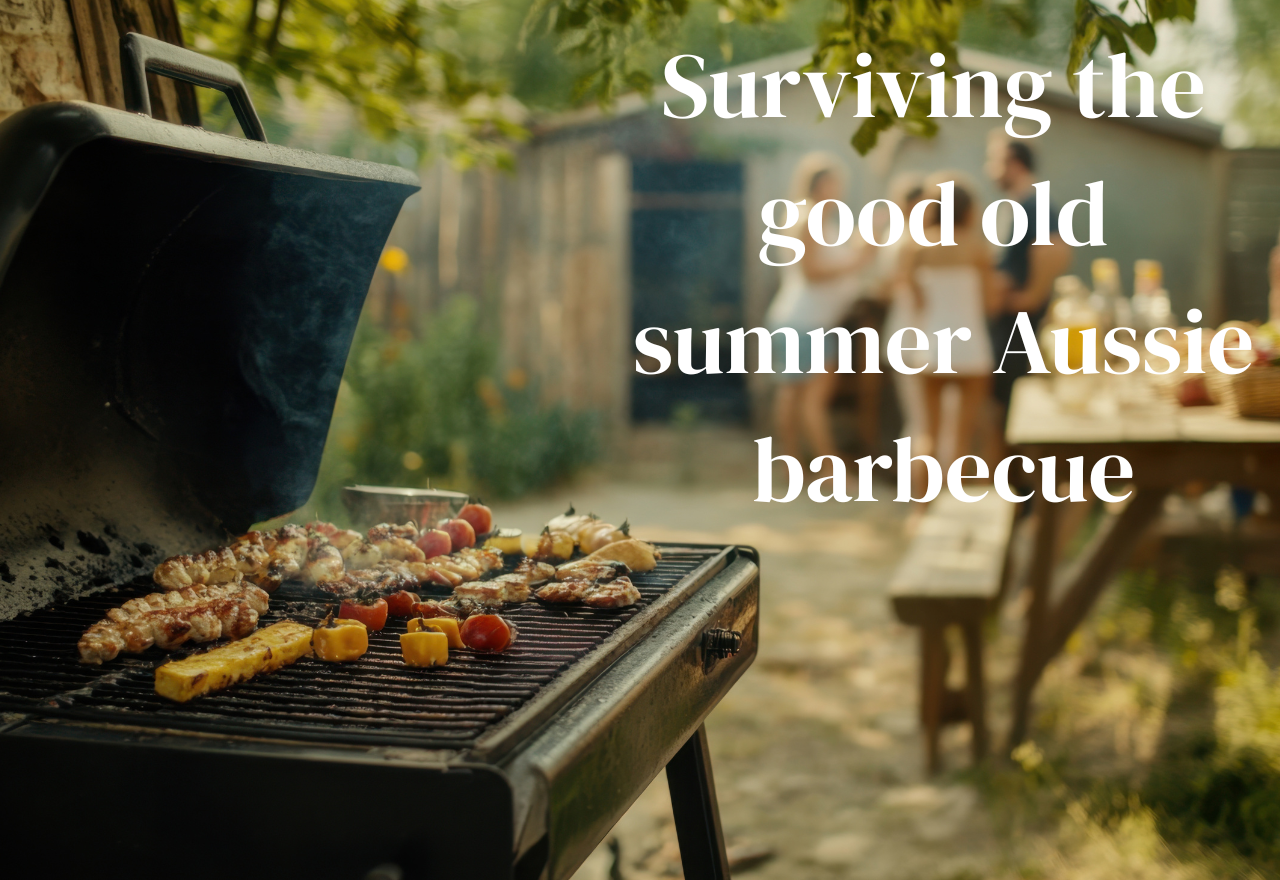
The Australian summer barbecue is a sacred institution. Whether it's a casual afternoon with mates, a Christmas gathering with extended family, or a birthday party, the barbecue brings Australians together.
But hosting or attending one comes with its own challenges when temperatures are pushing 40 degrees and everyone's hot and tired before things even start.
Timing makes all the difference.
Midday barbecues in January are exercises in heat endurance.
Start earlier in the late morning or wait until late afternoon when the worst of the heat has passed.
Evening barbecues that kick off around 5pm or 6pm catch the cooler part of the day and can roll into the evening as temperatures drop.
Your guests will actually enjoy themselves rather than just surviving the heat.
Setting up requires strategic thinking.
Put your barbecue in a shaded spot if possible, or at least position it so the cook isn't standing in direct sun the entire time.
Shade sails, marquees, or big umbrellas create comfortable zones where people can gather without baking.
Set up seating in shaded areas, and if you don't have natural shade, invest in some portable shade structures.
Your backyard might look like a refugee camp, but your guests will thank you.
Water, water everywhere. Have a cooler full of ice and water easily accessible from the moment people arrive.
Keep refilling it throughout the day.
People need constant reminders to drink water at summer barbecues because they get distracted by conversation and food.
Put water bottles in ice buckets around the yard so people don't have to walk far to grab one.
The classic esky full of beer is fine, but it shouldn't be the only cold drink option.

Food safety becomes critical in extreme heat.
Meat, salads with mayo or dairy, and anything that can spoil needs to stay cold until it's time to cook or eat.
Use coolers with ice packs and keep them in the shade with the lids closed as much as possible.
Don't leave food sitting out on tables in the sun.
Bring dishes out in stages rather than all at once.
That potato salad sitting in 40-degree heat for three hours is a food poisoning case waiting to happen.
Flies are the bane of every Australian summer barbecue.
They're relentless, disgusting, and seemingly immune to every deterrent ever invented.
Covered food containers and mesh food tents help.
Position fans strategically because flies struggle in moving air.
Fly paper strips and traps reduce numbers but won't eliminate them completely.
Accept that some flies will land on the food and don't look too closely at what's happening on the sausages before they're cooked.
Hot temperatures kill most nasties anyway. Menu planning matters more in summer heat.
Heavy, rich foods are less appealing when everyone's sweltering.
Lighter options like salads, seafood, and chicken work better than slabs of steak and sausages, though you still need to provide those because it's Australia.
Cold dishes that don't require last-minute heating keep the kitchen cooler.
Fruit platters, cold pasta salads, coleslaw, and fresh bread are crowd-pleasers that don't heat up your kitchen.
Vegetarian and dietary requirement options can't be an afterthought.
At least a quarter of Australians now identify as vegetarian, vegan, or flexitarian, and food allergies and intolerances are increasingly common.
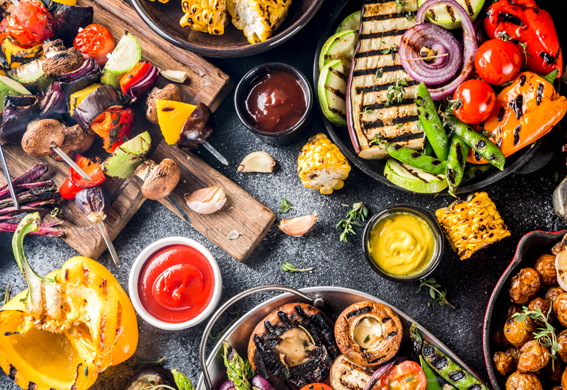
Having actual vegetarian options beyond a token salad shows respect for your guests. Veggie burgers, grilled vegetables, falafel, and marinated tofu can all go on the barbecue.
Keep them separate from the meat to avoid cross-contamination for vegetarians and people with religious dietary restrictions.
The barbecue itself requires preparation before guests arrive. Clean it properly because last month's burnt-on grease isn't adding flavour, it's adding carcinogens.
Check your gas bottle has enough fuel.
Running out of gas halfway through cooking is embarrassing and leaves people standing around hungry while you race to the servo for a refill.
Have spare gas if you're cooking for a large group.
Preheat the barbecue properly so meat sears instead of steaming.
Oil the grill grates to prevent sticking. Cooking meat properly matters both for taste and safety.
Don't keep turning it every 30 seconds.
Let it cook on one side, then flip it once.
Constant turning makes meat tough and dry.
Use tongs or a spatula, never a fork, because piercing meat releases its juices.
Have separate sets of tongs for raw and cooked meat to avoid cross-contamination.
Cook chicken and pork thoroughly, cook beef and lamb to your preference, but always err on the side of caution if you're cooking for others.
Timing dishes so everything's ready together takes practice. Start items that take longest first. If you're doing both meat and vegetables, cook vegetables on a cooler part of the barbecue or use foil trays. Have serving platters ready so cooked food doesn't sit on the barbecue drying out.
Keep cooked food warm under foil if necessary, but don't leave it sitting in hot conditions for long.
Ice cream desserts are quintessentially Australian summer barbecue fare.
Keep ice cream in the freezer until the last possible minute.
Have a separate cooler just for dessert if you're serving ice cream or frozen treats.
Set up a toppings station with sauces, sprinkles, and fruit.
Don't underestimate how much ice cream people will eat at a summer barbecue.
Buy more than you think you need because running out is disappointing.
Alcohol management requires responsibility.
Provide plenty of non-alcoholic options including cold water, juice, soft drink, and mocktails.
Don't pressure people to drink alcohol. Make sure anyone who's been drinking doesn't drive home.
Have contact numbers for local taxi services or ride-share apps ready.
If you're hosting, you're partly responsible for your guests' safety, including after they leave.
Entertainment for kids prevents boredom and meltdowns.
Set up a paddling pool or run the sprinkler for them to play in.
Water balloons, water pistols, and slip-and-slides keep kids occupied for hours. Have sunscreen stationed near water play areas and make sure kids are reapplying regularly.
Freeze ice blocks the day before for a ready-made treat that keeps kids cool.
Set up shaded play areas because kids burn quickly in direct sun. Music sets the mood but shouldn't dominate conversation.
Create a playlist in advance that suits your crowd.
Keep the volume at a level where people can talk without shouting.
Consider your neighbours and local noise regulations, especially if your barbecue runs into the evening.
Nothing ends neighbourly relations faster than loud music late on a Sunday afternoon when people are trying to relax or put their own kids to bed.

Seating arrangements matter more than people think.
Mix up friendship groups to encourage mingling. Keep older relatives and young parents closer to facilities.
Put the social butterflies near the action and the quieter guests in comfortable spots where they can observe without being in the thick of things.
Have more seating than you think you need because someone always brings extra people.
Clean up doesn't need to be a solo mission.
Encourage guests to use bins rather than leaving rubbish everywhere.
Have clearly marked bins for rubbish and recycling.
Put bin bags in strategic locations.
Enlist a couple of trusted friends or family members to help with the main cleanup after everyone leaves.
Accept that you won't get everything done that night.
Do the essentials like putting away perishable food, and tackle the rest the next day when you're not exhausted. Safety remains paramount throughout.
Never leave the barbecue unattended while it's lit.
Keep kids and pets away from the hot barbecue.
Have a fire extinguisher or bucket of water nearby.
Check that the gas is completely off when you're finished.
Let the barbecue cool completely before covering or storing it.
More garage fires start from people putting cover on barbecues that weren't fully cooled than most people realise.
Sunburn happens even at late-afternoon barbecues.
Have extra sunscreen available for guests who forgot theirs. Set up shaded zones where people can escape the sun.
Watch for signs that people are struggling with the heat including red faces, excessive sweating, dizziness, or seeming unusually tired.
Have a cool, air-conditioned space inside where people can retreat if needed.
The best summer barbecues aren't about perfect food or immaculate presentation.
They're about bringing people together, sharing good times, and creating memories. Keep expectations realistic, prepare as much as you can in advance, stay flexible when things don't go to plan, and remember that everyone's hot and tired in January. A relaxed host makes for relaxed guests.
Focus on the company rather than stressing about details, and your summer barbecue will be a success regardless of whether the potato salad was Instagram-worthy or you burnt a few sausages.
NEWS
SPORT

RURAL
COMMUNITY







JOBS



FOR SALE

COMMERCIAL PROPERTY