Stay connected when disaster strikes: What remote communities need to know

Kimberly Grabham
24 January 2026, 7:00 PM
In Short:
• Power banks, satellite messaging and printed contact lists can keep you connected when mobile networks fail during disasters
• NBN home phones won't work during power outages – mobile backup essential for remote areas
• Over 1,000 payphones now upgraded with free Wi-Fi and extended battery backup for emergency use
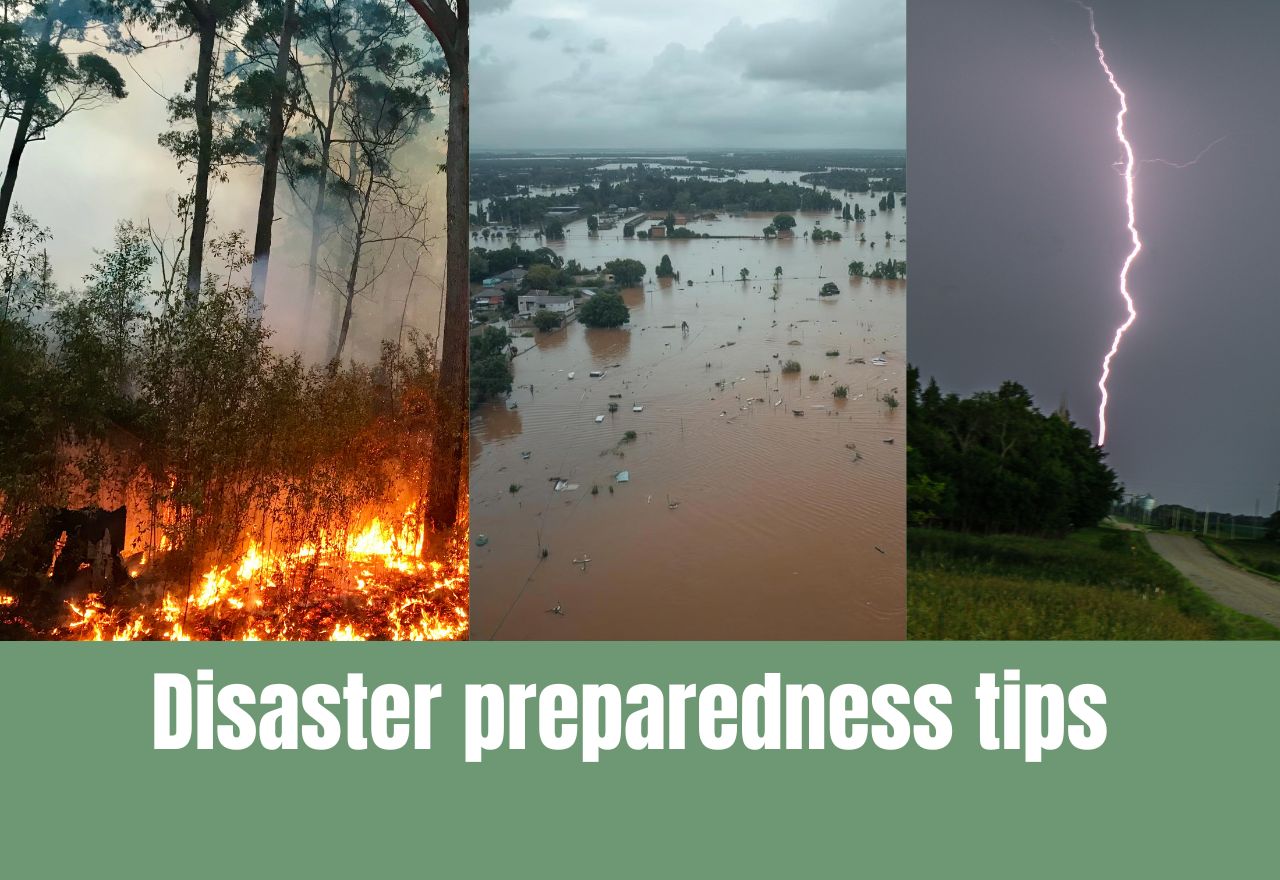
As another bushfire, flood and storm season approaches, communities across remote NSW need to ensure they have backup plans for staying connected when disaster strikes.
For residents in areas like Hay, Balranald, Carrathool and Central Darling, where mobile coverage can already be patchy and help is often hours away, losing communication during an emergency creates serious safety risks.
While it is important and probably advisable to look into the various products and tips to make sure it suits you specific circumstances, such as seeing if the services are indeed offered on your particular plan, Telstra has released some tips for getting prepared for when the worst happens.
Telstra has released updated guidance on preparing for disasters, with several options particularly relevant for remote and regional communities.
Telstra Satellite Messaging is Australia's first satellite-to-mobile text service, allowing customers with eligible plans and compatible devices to send and receive text messages when mobile networks are unavailable.
The service uses Starlink's Direct to Cell satellite network, with compatible devices automatically seeking a satellite connection when outdoors with direct line of sight to the sky.
While not designed as an emergency service and unable to text Triple Zero directly, the technology could help people in remote areas let loved ones know they're safe or reach out for assistance.
For remote communities where power outages during disasters can last a week or longer, having alternative ways to charge phones is critical.
Options include power bank battery packs that can be charged beforehand, portable solar panel chargers, or in-car chargers.
Residents should also keep a printed, waterproof list of essential contact numbers, including Telstra's disaster assistance number, 1800 888 888, as well as local police, fire, SES teams, and family contacts.
It is really important to note home phones connected to the NBN will not work during power outages, as the NBN requires electricity to operate.
This makes having a charged mobile phone or satellite phone essential, particularly in remote areas where emergency services may take longer to reach.
Residents with compatible devices should enable Wi-Fi calling, which allows calls and texts when connected to a Wi-Fi network even if mobile signal is unavailable.
People who live in or regularly travel to areas with poor mobile coverage may benefit from Blue Tick certified phones or repeater devices.
Network coverage extension devices can amplify mobile signals, extending the area where phones can operate. Telstra's Go Repeaters can maximise mobile signal in areas of low coverage, which could prove vital during emergencies.
Telstra has upgraded over 1,000 payphones with free Wi-Fi and extended battery backup, making them more likely to withstand disaster impacts.
For communities where the nearest payphone might be the only working communication point during an emergency, knowing its location beforehand could be crucial.
Other preparation steps include:
- back up important data and photos to cloud storage
- download emergency services apps for your state
- subscribe to weather alert services
- follow local emergency services on social media
- keep a battery-powered radio or car radio for updates
- ensure older Samsung phones are updated for Triple Zero connectivity.
Emergency services contact information and disaster assistance details are available through state and territory emergency websites, the Bureau of Meteorology, and ABC News services.
NEWS

RURAL