Setting up for agricultural success in the New Year

Kimberly Grabham
03 January 2026, 1:00 AM
January sits in an interesting position in the agricultural calendar, marking neither beginning nor end but rather a pause point in the middle of summer when the year's production outcomes are largely determined but not yet realised. For farmers and graziers across the Riverina and far west, the new year is a time for assessment, planning, and preparation that sets the foundation for the months ahead.
Seasonal conditions in January largely dictate what's possible for the remainder of summer and shape expectations for autumn. Assess your current position honestly in terms of soil moisture, pasture condition, crop development, and stock feed availability. This assessment determines whether you're in a position to maintain current stock numbers, whether crops will achieve projected yields, and what management interventions might be necessary in coming months.
Hope and optimism have their place in farming, but practical planning requires realistic assessment of actual conditions rather than what you wish they were.
Stock management decisions in January have consequences that ripple through the entire year. If feed availability is marginal and no rain is forecast, making hard decisions about reducing stock numbers now rather than waiting until the situation becomes critical protects both animal welfare and land condition. Selling down allows you to match stock numbers to available feed, maintain condition on remaining animals, and prevent degradation of pastures that will cost years to repair. While selling into potentially weak markets is painful, it's typically better than the alternative of supplementary feeding through extended dry periods or watching stock condition deteriorate to the point where they're unsaleable.
For croppers, January brings the nail-biting wait as summer crops approach critical growth stages and potential yield becomes clearer. Water management for irrigated crops requires constant attention, balancing water allocation constraints against crop water requirements and making strategic decisions about where to allocate limited water for maximum return. Monitor crops closely for signs of heat stress, disease, or pest pressure, and be prepared to intervene quickly when issues arise. Some problems in January can still be managed; others simply have to be endured while you plan for next season.
Livestock health and welfare demand particular attention through the hottest month of the year. Heat stress kills animals quickly and reduces production in survivors, so ensuring adequate shade, clean water, and appropriate management during extreme heat events is essential. Monitor stock daily, particularly animals in feedlots or intensive systems where heat load is higher. Shearing timing affects heat tolerance, so consider whether adjusting your shearing program might improve animal welfare during summer extremes. Parasite control continues through summer, as do fly control measures that protect both welfare and production.
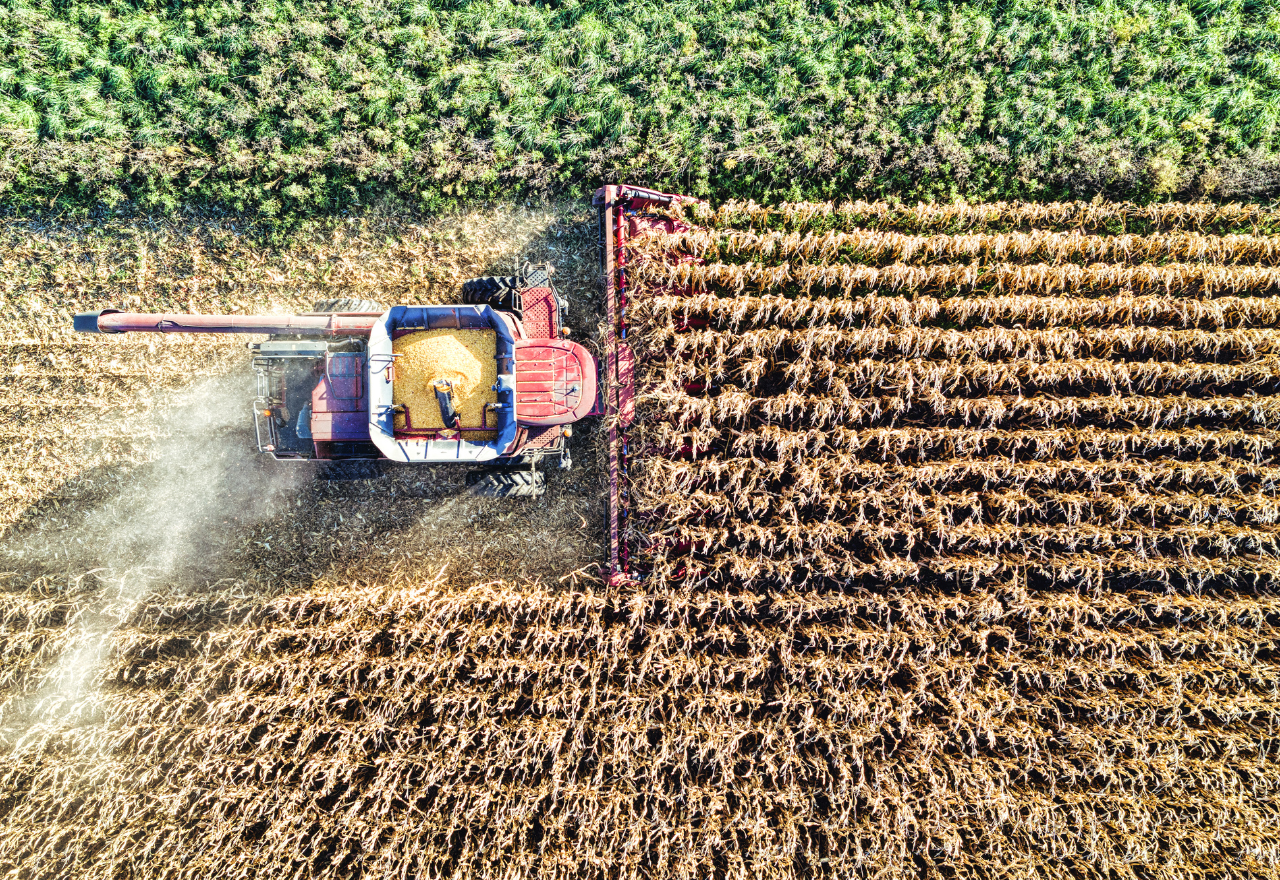
Machinery and equipment maintenance can't be postponed indefinitely, and January downtime provides opportunity for servicing and repairs before autumn work begins. Harvest equipment needs thorough cleaning and servicing after the season's work, identifying any worn parts or damage that needs attention before the machinery is stored. Tractors, spray equipment, and other regularly used machinery benefit from scheduled maintenance rather than being run to failure. The time and money invested in proper maintenance saves exponentially more in reduced breakdowns, longer equipment life, and improved reliability when you need machinery to work.
Planning for autumn activities begins now while there's time for thoughtful decision-making rather than rushed choices under pressure. Consider what crops you'll plant, what areas need renovation, what pasture management you'll implement, and what infrastructure improvements you want to complete before the busy season arrives. Seed procurement, fertiliser ordering, and chemical purchasing can often be done more economically with early ordering rather than last-minute purchases. If you're planning new activities or enterprises, January provides time for research, talking to other farmers, and seeking advice before committing resources.
Financial planning and record keeping deserve attention in January when the pressure of day-to-day operations might be slightly reduced. Review the past year's financial performance, identifying what worked well and what didn't. Update production records, ensuring data is captured while memories are fresh and information is accessible. Tax planning for the coming financial year benefits from early attention, particularly if you're considering significant capital investments or changes to enterprise mix. Professional advice from accountants and financial planners familiar with agricultural businesses provides value that typically exceeds their cost.
Risk management extends beyond financial planning to include insurance review and business continuity planning. Ensure all insurance policies are current and coverage is adequate for your actual situation rather than what it was when policies were initially written. Consider what risks your business faces, from weather events to market volatility to personal injury or illness, and whether you have adequate protection or strategies to manage those risks. While paying insurance premiums feels like money going out the door for nothing, the one time you need insurance and don't have it can destroy decades of work.
Soil health and land management receive less attention than they deserve, yet they underpin all agricultural production. January conditions often reveal erosion, salinity, or degradation problems that need addressing. Plan soil testing to inform fertiliser decisions, consider whether lime, gypsum, or other amendments might benefit production, and identify areas where earthworks, tree planting, or pasture renovation could improve both production and sustainability. Land is your fundamental asset, and maintaining or improving its productive capacity protects both current income and long-term farm value.
Water security becomes increasingly critical as climate patterns shift and allocation reliability declines. Consider your water position including storage capacity, delivery infrastructure, and potential efficiency improvements. Investment in water-saving technology, whether that's improved irrigation systems, recycling infrastructure, or stock water reticulation, often pays for itself relatively quickly while also building resilience against tighter water availability. Water markets provide both opportunities and risks, requiring careful attention to allocation announcements, market movements, and your own strategic position.
Networking and information gathering help farmers stay current with industry developments, new technologies, and changing market conditions. Attend field days, join industry organisations, participate in producer groups, and maintain connections with agronomists, stock agents, and other industry professionals. The investment of time in staying informed and connected returns benefits through better decision-making, access to opportunities, and the social capital that helps navigate challenges when they arise.
The mental health dimension of farming deserves recognition and attention, particularly given the high stress associated with financial uncertainty, weather dependence, and isolation. January might feel quiet compared to busy seasons, but for farmers facing drought, low prices, or struggling enterprises, the stress is constant and cumulative. Maintain connections with others, seek professional support if you're struggling with anxiety or depression, and remember that asking for help demonstrates strength rather than weakness. Rural financial counselling, farm business support programs, and mental health services all exist to help farmers navigate challenges.
Looking ahead to the rest of the year requires balancing optimism with pragmatism, planning for multiple scenarios rather than assuming everything will work out perfectly. Have contingency plans for poor seasons, consider how you'd respond to low prices or high input costs, and think about what decisions you might need to make at various trigger points. Farming has always required managing uncertainty, but explicit planning for different scenarios helps you respond effectively rather than just reacting when problems arise.