New Review Launched Following Latest Menindee Lakes Fish Kill

Kimberly Grabham
18 February 2026, 7:00 PM
IN SHORT
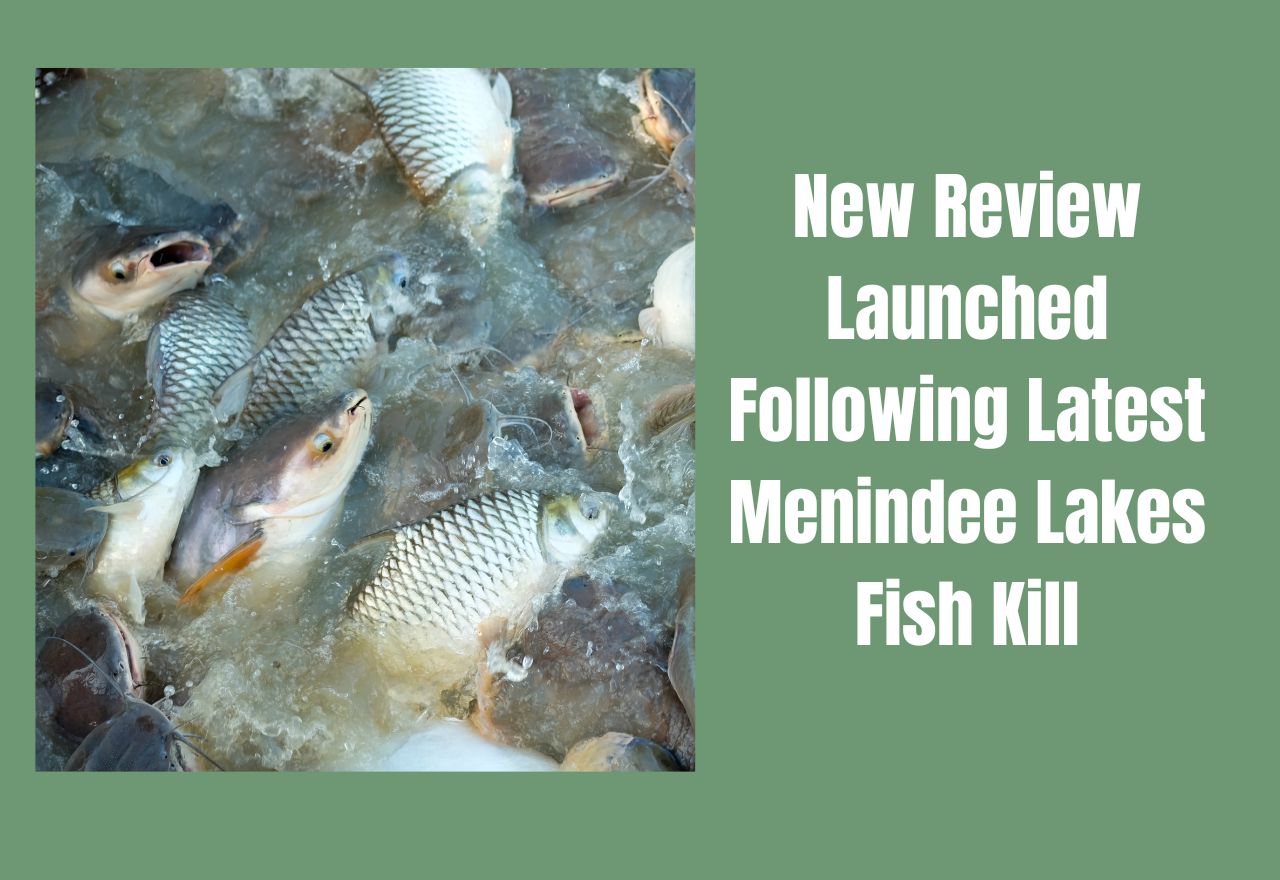
- An estimated 100,000 native bony bream died at Menindee Lakes in early February after an extreme heatwave followed by a sudden temperature drop
- The Murray-Darling Basin Authority has launched a comprehensive review of the lakes system to address long-running operational and water management challenges
- Conservation groups say the NSW Government has failed to implement recommendations from the 2024 Connectivity Expert Panel report that could prevent such disasters
The Murray-Darling Basin Authority has launched a detailed review of the Menindee Lakes system following another mass fish kill event that claimed an estimated 100,000 native bony bream in early February.
The fish deaths occurred after an extreme heatwave was followed by a sudden temperature drop, a combination to which native bony bream are particularly vulnerable.
Reports of dead fish at Lake Menindee were received late on Monday 2 February, with the NSW Environment Protection Authority, Department of Primary Industries and Regional Development Fisheries, and the Department of Climate Change, Environment, Energy and Water monitoring conditions throughout summer.
The latest disaster has prompted renewed criticism of the NSW Government's management of the Darling/Baaka River system, with conservation groups arguing the scale of the die-off points to deeper systemic problems.
MDBA Chief Executive Andrew McConville said all governments involved had committed to finding a viable way forward that responds to concerns and prepares for the future.
"The Menindee Review is about examining the information we have, strengthening what is working and coming together to develop practical solutions to ensure the long-term health and resilience of Basin communities, industries and the environment," Mr McConville said.
As part of the review, a technical report has been released explaining the history of the lakes and why they operate the way they do, identifying risks and opportunities.
The review comes as the lakes system sits at approximately 58 per cent capacity, with water being drawn from Lake Menindee to meet Murray demands while trying to keep Pamamaroo and Wetherell as full as possible.
For communities in Central Darling and surrounding shires, the health of the Menindee Lakes system is critical, providing town water security for Broken Hill and supporting local pastoral and tourism industries.
Nature Conservation Council Inland Water Campaigner Mel Gray said the latest event was predictable.
"To see a hundred thousand native fish dead on the banks of Menindee Lakes is heartbreaking, but it is not surprising," Ms Gray said. "This is the predictable and predicted outcome of a river system managed to the brink of collapse.
"The Minns government has had the blueprint to restore the Darling/Baaka since the NSW Connectivity Expert Panel delivered its final report in July 2024. Their failure to act has left the river vulnerable and fragile."
The fish kill is particularly distressing for the Barkindji people, for whom bony bream is an important totemic native fish species.
The EPA has been supporting Barkindji Rangers and Central Darling Shire Council with clean-up operations, with much of the work done by hand due to difficulty accessing the site with heavy machinery.
Phase two of the review will be conducted throughout 2026.
This is the latest in a series of catastrophic fish kill events at Menindee Lakes, with over one million fish dying during the 2018-2019 drought and another major event occurring in 2023.
NEWS


SPORT

RURAL

COMMUNITY