Living underground: the remarkable dugout homes of White Cliffs

Kimberly Grabham
06 January 2026, 4:00 AM
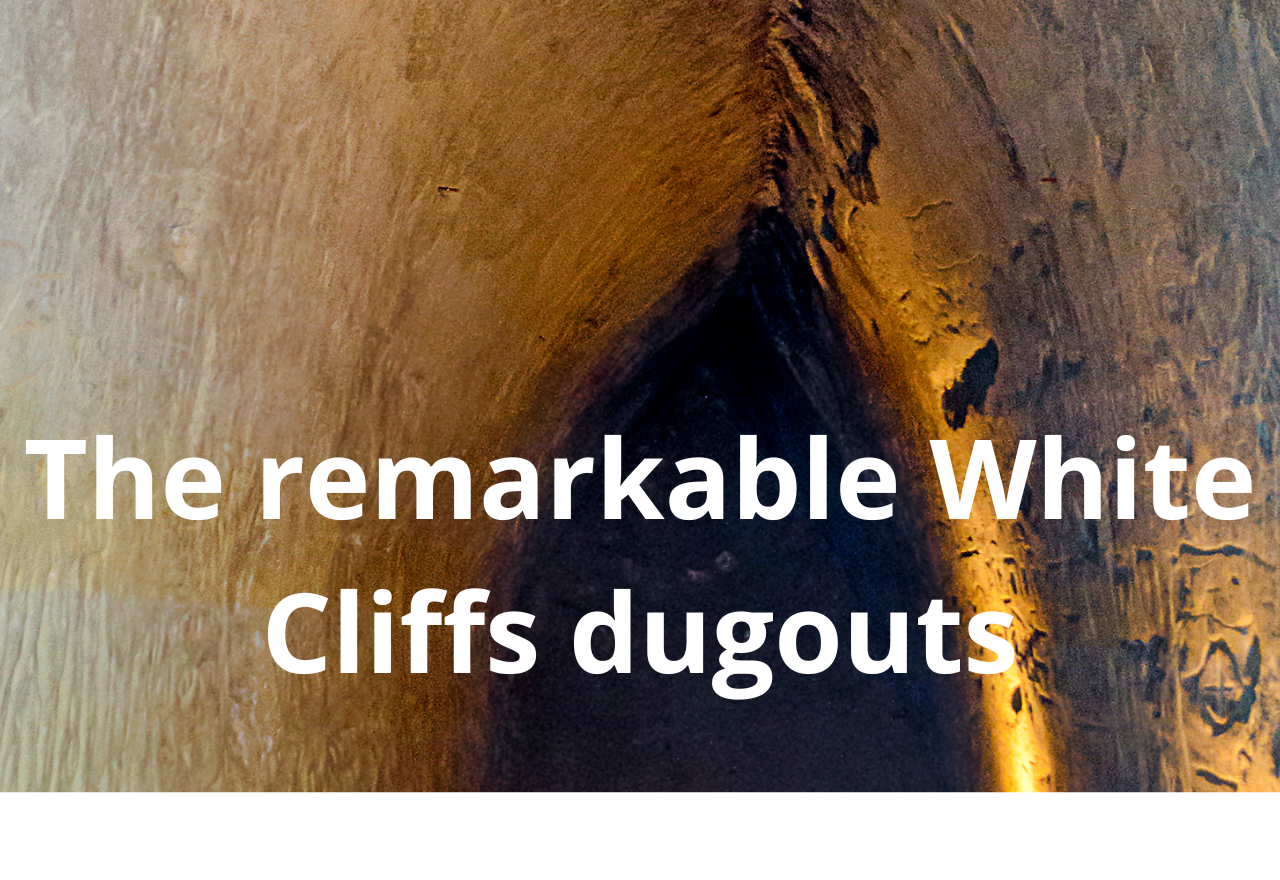
In the scorching heart of far western New South Wales, where summer temperatures routinely exceed 40 degrees celsius, the residents of White Cliffs have mastered the art of beating the heat in the most unconventional way imaginable.
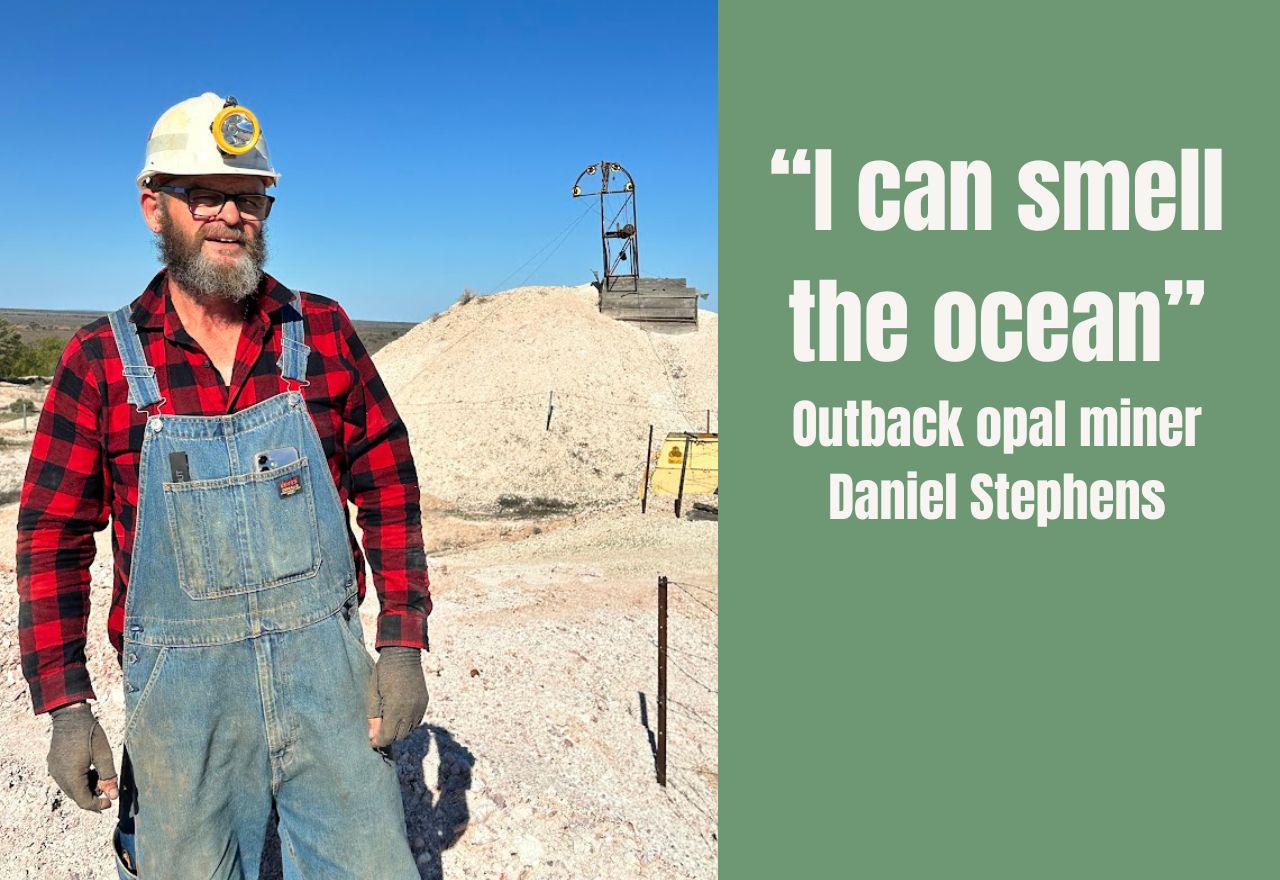
They live underground. Around 100 dugout homes remain in use throughout this remote opal mining town, carved into ancient hillsides by miners who, in the 1890s, discovered that the earth itself offered the perfect escape from the relentless outback sun.
Today, these subterranean dwellings maintain a constant, comfortable 22 degrees year round, naturally insulated from both the harsh summer heat and the occasional winter chill.
The town's population of just 150 people has created something truly unique in Australian settlement.
Unlike anywhere else in the country, the majority of White Cliffs residents have chosen to make their homes beneath the surface, transforming old mining shafts and tunnels into comfortable, modern living spaces that would astound any first time visitor.
Cree Marshall and Lindsay White offer tours of their beautifully carved underground residence, located beside the Red Earth Opal Cafe.
For ten dollars, visitors can step into a world that seems almost impossible, wandering through progressively renovated rooms that the couple has transformed into a remarkable subterranean dwelling.
The home showcases what's possible when creativity meets necessity, with carved archways, comfortable living spaces, and all the amenities of any modern home, simply located beneath several metres of solid rock.
The 100 million year old sandstone conglomerate in which these homes are carved carries two significant advantages that made White Cliffs' unique living arrangement possible.
First, the rock is remarkably stable. In over a century of underground dwelling, no one has ever died from a mine collapse in White Cliffs. Second, the sandstone is relatively easy to dig, allowing miners and residents to excavate living spaces without industrial equipment.
The White Cliffs Underground Motel represents the largest example of this architectural phenomenon. With 48 subterranean rooms, it stands as the biggest dugout motel in the world.
Located on a mesa locally known as Poor Man's Hill, so named for its lack of opal, the motel has welcomed travellers since 1989.
Guests descend into a maze of passageways that lead to comfortable rooms, all maintaining that perfect 22 degree temperature regardless of conditions above ground. The motel features a unique stairway to heaven, a passage that leads guests up to a star gazing room on the surface. Here, visitors can witness the brilliant night sky and enjoy vast sunsets and sunrises that paint the outback landscape in extraordinary colours, far removed from any urban light pollution. From above ground, White Cliffs appears almost otherworldly.
The landscape is littered with around 50,000 disused diggings, creating a moonscape terrain of white dirt mounds that encircle old mine shafts. This distinctive topography, combined with the lack of ordinary buildings, gives the town the appearance of an alien settlement that has landed on the desert plains. The underground lifestyle extends beyond mere accommodation. The town has carved out community spaces, workshops, and even display areas for the precious opals that brought miners to this remote corner of Australia in the first place.
Some dugouts house opal showrooms where miners sell the gems they've extracted from the earth around them, continuing a tradition that began in the late 1880s.
For those considering whether underground living could work in modern Australia, White Cliffs provides a compelling answer.
Residents report lower energy costs, no need for air conditioning or heating, and a lifestyle that, while unconventional, offers genuine comfort and sustainability. The constant temperature means no fluctuating power bills, no reliance on external cooling or heating systems, and a living space that remains comfortable through the most extreme weather conditions. White Cliffs stands as a testament to human adaptability and ingenuity. In one of Australia's harshest environments, a community has thrived by embracing what the landscape offered rather than fighting against it. Their underground homes represent not just shelter, but a unique Australian architectural heritage that deserves recognition and preservation.
NEWS


SPORT


RURAL
COMMUNITY




FOR SALE

COMMERCIAL PROPERTY