Have your say on speed limit proposal

Kimberly Grabham
31 October 2025, 4:00 AM
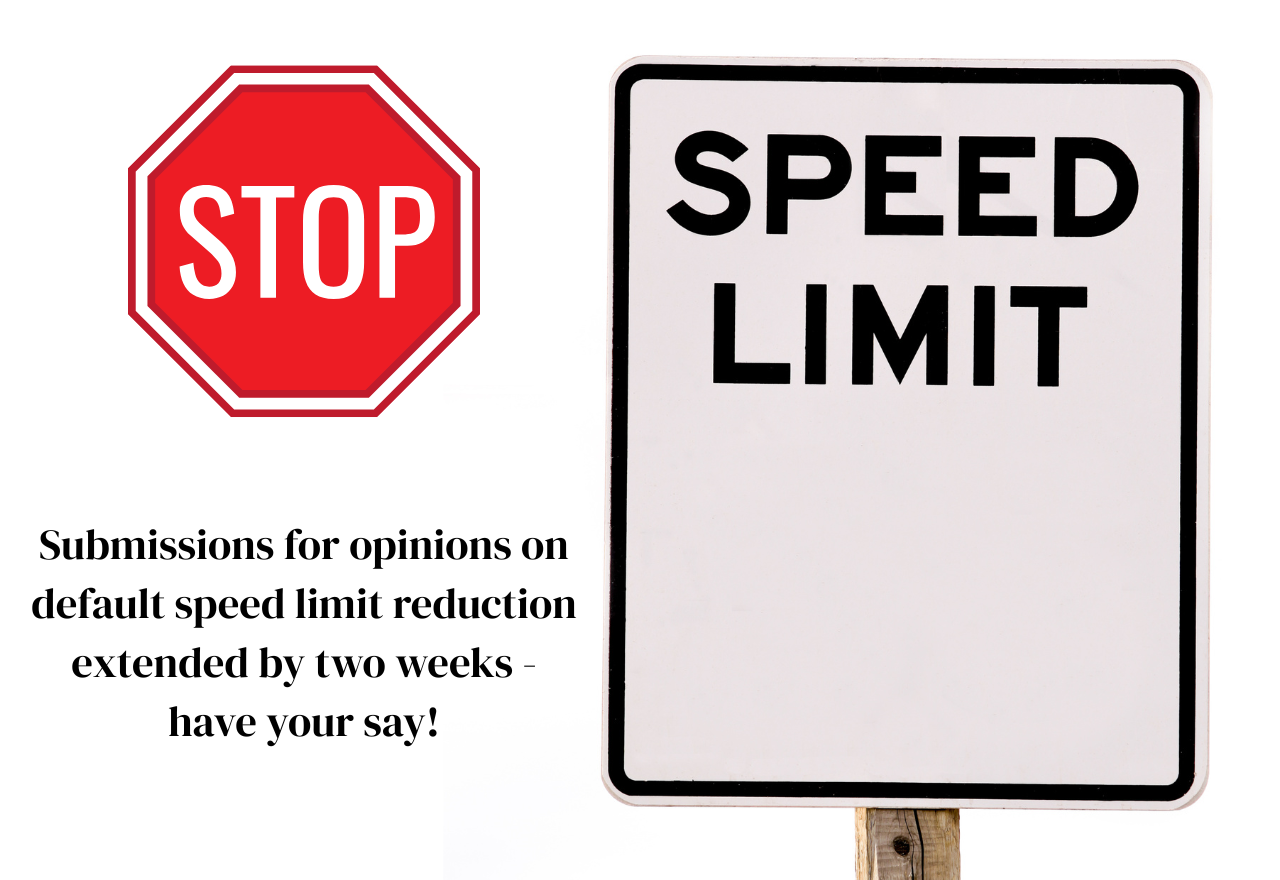
The deadline for submissions about the proposal to reduce the default speed limit where not marked by signage, from 100 kilometres per hour to 70 kilometres per hour has been extended by two weeks.
Representatives say there has been more than 1,800 public submissions already received on the proposal.
A significant concern for regional and rural residents is the increased travel time. For those with long commutes for work, or farmers, truck drivers, and tradespeople who depend on these roads, the change could add a substantial amount of time to their daily travel. Some argue that these longer, slower journeys could even increase driver fatigue, rather than reduce it.
The trucking industry has specifically voiced opposition, noting that slower speeds would increase freight costs. The slower movement of goods and services could harm regional economies and increase costs for businesses.
"Lazy" alternative to road maintenance: Many critics argue that lowering speed limits is a poor substitute for properly investing in and maintaining regional road infrastructure. Instead of fixing the poorly maintained roads, the government is being accused of placing the burden on drivers by slowing them down.
Lack of transparency and data: The National Roads and Motorists' Association (NRMA) has highlighted a lack of crucial data in the regulatory impact analysis. They point out that information about the number of un-signposted roads, traffic volumes, and the crash history on those specific roads is missing from the government's own documents.
argue that not all un-signposted rural roads are the same. A "blanket" speed reduction fails to consider the individual characteristics of each road, such as design, maintenance level, and traffic density. A more targeted, evidence-based approach is suggested instead.
Some suggest the real motivation behind the proposal is generating revenue from fines, rather than genuinely improving road safety.
In defense of the proposal, Federal Minister for Regional Development Kristy McBain has highlighted the rising national road death toll and stated the government's commitment to improving road safety. The proposal is also backed by some road safety groups, who point to research showing that even small reductions in speed can lead to significant decreases in crash severity and fatalities.
Ultimately, the proposal has sparked a heated debate between safety advocates, who prioritize speed reduction, and regional communities and industry groups, who feel the plan unfairly penalizes them and fails to address the root causes of road accidents.
To have your say, make your submission by visiting
NEWS

SPORT


RURAL

COMMUNITY










FOR SALE


COMMERCIAL PROPERTY