Climate extremes: droughts and floods that shaped history

Kimberly Grabham
03 January 2026, 10:00 PM
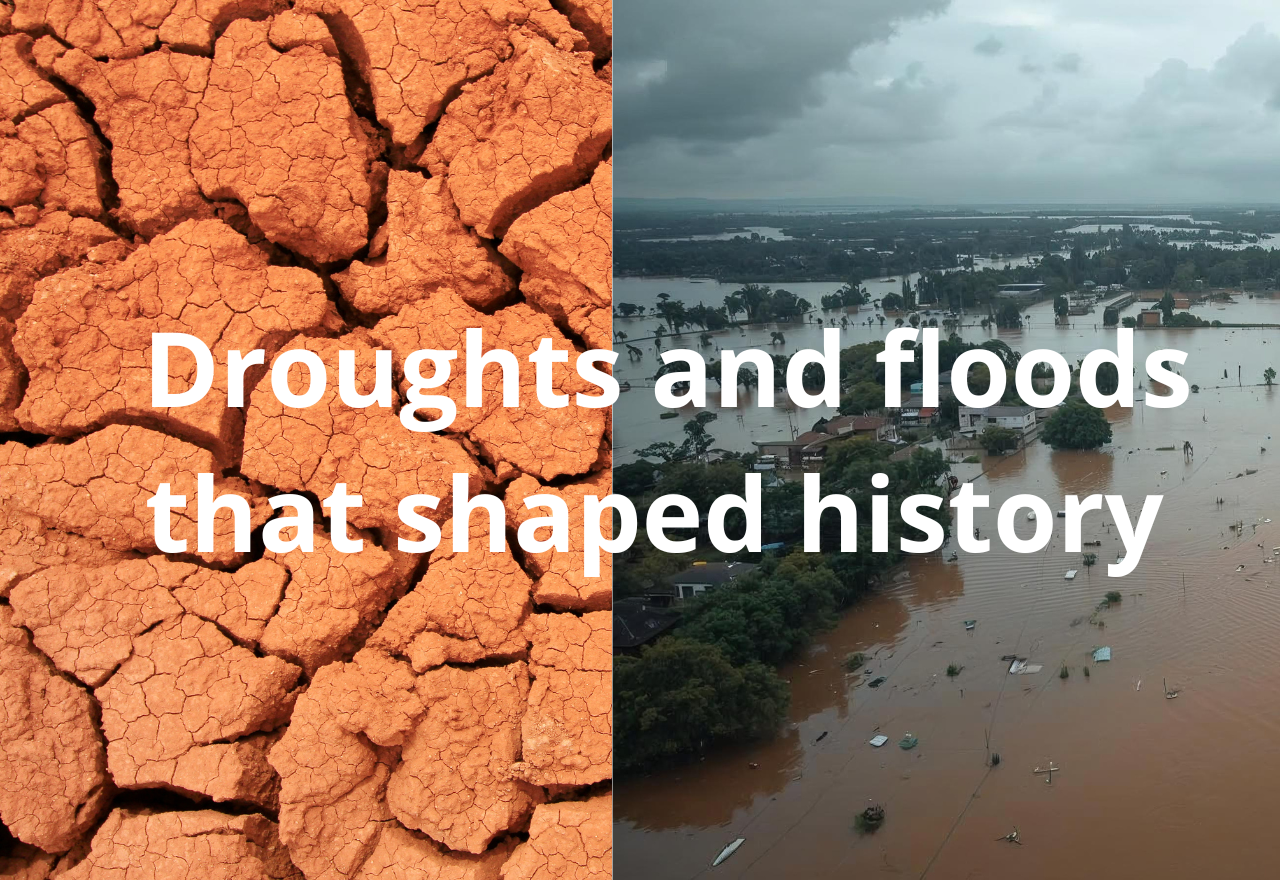
The Back Country's history has been fundamentally shaped by climate extremes, with devastating droughts and catastrophic floods creating cycles of prosperity and disaster that influenced everything from settlement patterns to political decisions.
The first major drought recorded after European settlement occurred in the early 1840s. This prolonged dry period, lasting several years, devastated the newly established pastoral industry. Stock died in massive numbers, and many squatters faced financial ruin. Some properties were abandoned entirely, their owners unable to sustain operations without reliable water.
The 1864-66 drought proved even more severe.
Rivers stopped flowing, waterholes dried up, and pastures turned to dust.
Contemporary accounts describe horrific scenes; dead and dying sheep carpeting the ground around dried water sources, desperate stock attempting to eat bark from trees, and pastoralists shooting animals they could not sustain.
This drought triggered the first serious discussion of water conservation and irrigation.
Pastoralists recognised that relying entirely on natural rainfall and river flows left them vulnerable to catastrophic losses.
The seeds of ideas that would eventually lead to the Murrumbidgee Irrigation Area were planted during this period.
The Federation Drought, lasting from 1895 to 1903, coincided with economic depression to create a period of extreme hardship. This drought, affecting most of eastern Australia, caused sheep numbers nationally to fall by more than half. The Back Country suffered severely, with some properties losing 70 to 80 per cent of their stock. The social impact was profound. Rural workers lost employment as properties destocked or closed operations.
Families abandoned selections they could not sustain without water. Towns contracted as businesses failed and people left seeking work elsewhere. The drought contributed to support for Federation and government intervention in rural affairs. Between droughts, floods could be equally devastating. The Murrumbidgee River system, while generally reliable, could produce catastrophic floods.
The 1870 flood inundated vast areas, destroying fences, drowning stock, and isolating communities for weeks.
The 1891 flood, occurring during an already difficult period, caused severe damage throughout the riverine country.
Hay experienced significant flooding, with water entering the town and forcing evacuations.
Pastoral properties lost fences, infrastructure, and stock.
The combination of flood damage and ongoing economic depression nearly broke some long-established pastoral operations.
The 1917 flood remains one of the largest recorded on the Murrumbidgee.
The river at Hay peaked at levels not seen before, inundating the town and surrounding properties.
Residents evacuated to higher ground, and the main street became navigable by boat.
The flood lasted weeks, causing enormous economic damage. Ironically, floods could sometimes provide drought relief.
The floods deposited nutrients on floodplains, creating excellent pasture growth when waters receded.
Some pastoralists regarded occasional flooding as beneficial, recognizing the fertilization effect even while acknowledging the immediate damage and inconvenience.
The World War II drought, from 1937 to 1945, tested the region severely.
Combined with labour shortages due to military service and restricted access to equipment and supplies due to wartime constraints, this drought created immense challenges.
Some properties reduced stock to minimal breeding herds, simply trying to survive until better seasons returned. Post-war, river regulation through dams and irrigation development changed the flood-drought cycle.
The Snowy Mountains Scheme, completed in the 1970s, and other water infrastructure projects stabilised Murrumbidgee River flows.
Major floods became less frequent and severe, though they still occurred.
However, regulation created new problems.
Reduced flooding affected floodplain ecology, native fish populations, and river red gum forests that depended on periodic inundation.
The environmental costs of flood mitigation became increasingly apparent through the late 20th century.
The Millennium Drought, from 1997 to 2009, represented the worst sustained dry period since European settlement in many areas.
This drought differed from earlier ones in occurring within a highly regulated water system.
Irrigation allocations were slashed, threatening the agricultural industries that had developed in the MIA.
The political and social responses to the Millennium Drought reflected changed circumstances.
The Murray-Darling Basin Plan, developed partly in response to the drought, attempted to balance agricultural water use with environmental needs.
This proved contentious, with irrigators, environmentalists, and different government levels disagreeing about appropriate water management.
The 2010-11 floods, breaking the Millennium Drought, demonstrated that extreme events persisted despite changed water management.
The Murrumbidgee flooded extensively, with Hay experiencing its highest flood levels in decades.
While river regulation prevented the flood from reaching the extremes of earlier eras, significant damage still occurred.
Climate change adds new uncertainty to the region's future.
Climate models suggest more extreme variability, with more intense droughts punctuated by more severe flooding events.
Average rainfall may decline, while extreme rainfall events become more frequent.
These projections create challenges for water management, agricultural planning, and community resilience.
The history of droughts and floods in the Back Country demonstrates both the vulnerability of European settlement to climatic extremes and the resilience developed through repeated exposure to these events.
Communities and industries have adapted repeatedly to survive extreme conditions, though each drought or flood tests this resilience.
Understanding this climatic history provides context for current debates about water management, climate adaptation, and sustainable development.
The region has always experienced extremes, and managing these extremes while maintaining viable communities and industries remains the central challenge, as it has been since European settlement.
NEWS










JOBS


FOR SALE

COMMERCIAL PROPERTY