Beating the heat: White Cliff’s underground solution

Kimberly Grabham
01 January 2026, 1:00 AM
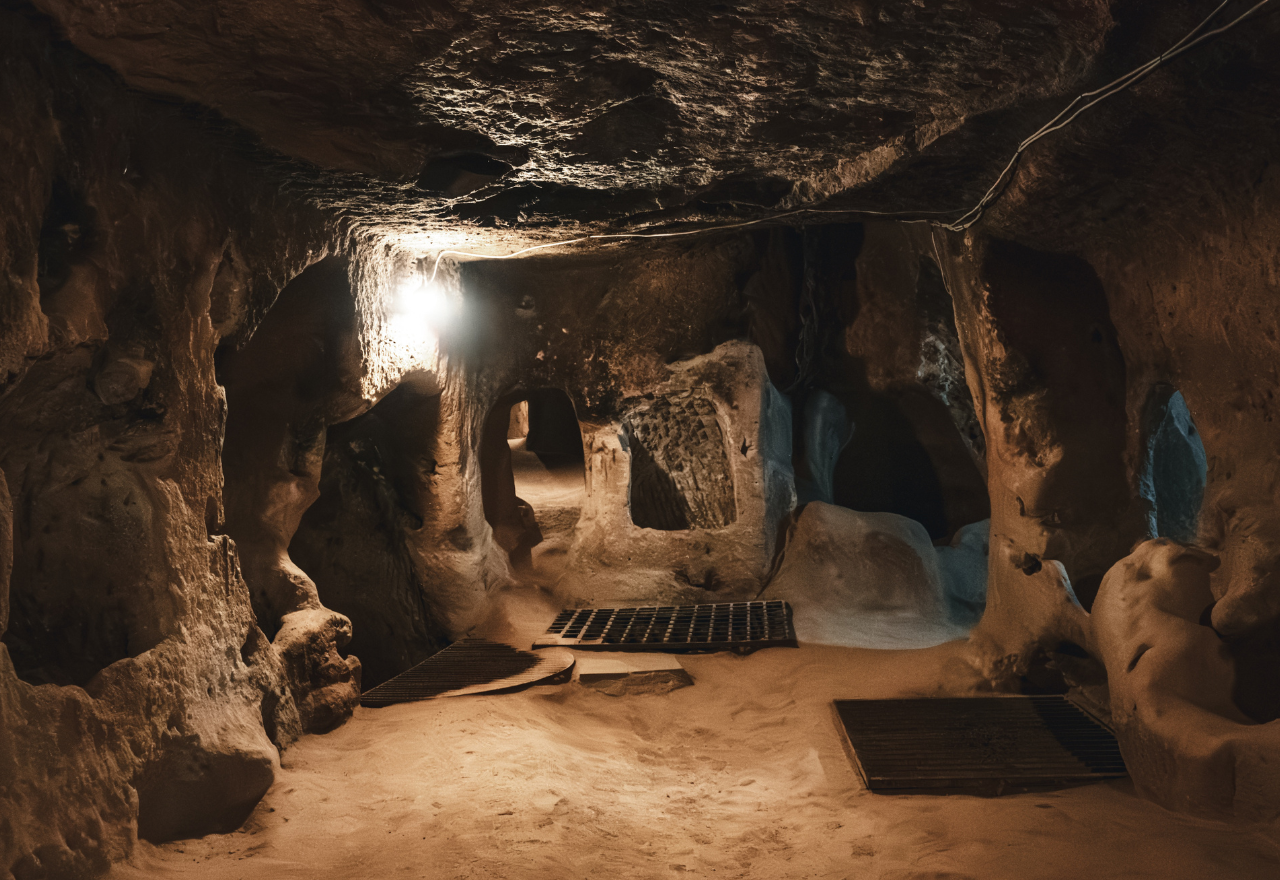
As summer temperatures across inland NSW regularly exceed 40 degrees Celsius, the small outback town of White Cliffs, 93km north of Wilcannia, offers visitors a unique solution; go underground.
For more than a century, White Cliffs residents have been excavating homes, businesses, and now tourist accommodation beneath the surface, where temperatures remain a constant, comfortable 22 degrees regardless of the inferno above.
Around 150 people call White Cliffs home, with approximately 140 underground dwellings scattered across the hillsides surrounding the town.
Using mining equipment, residents have dug extensive networks of rooms, hallways, and living spaces into the stable sandstone that characterises the region.
White Cliffs became Australia's first commercial opal field after stock workers found pretty rocks in 1889 that turned out to be valuable opals.
The rush that followed saw the town peak at around 5,000 residents in 1902, with opals worth £140,000 extracted that year alone. While the glory days have passed, opal mining continues.
The town produces the rare "pineapple opals" (technically double pseudomorphs) found nowhere else on Earth, distinctive specimens with spiky shapes that command premium prices from collectors.
Graeme Dowton, owner of Red Earth Opal, runs underground mine tours that take visitors 45 feet beneath the surface through multiple levels of old and new diggings.
The tour includes demonstrations of mining equipment, explanations of where and how to fossick for opals, and the chance to see working seams.
"You can still find opals if you're patient and lucky," Dowton explained.
"The old-timers were only after the high-quality stones, so they discarded lesser pieces and small fragments. After rain, these wash out of the mullock heaps and you can find them on the surface."
Under the Mining Act 1992, anyone can fossick on the White Cliffs Reserve without a licence, though registered claims must be respected.
The White Cliffs Underground Motel, carved into "Poor Man's Hill" (so named because no opal was ever found there), offers 30 underground rooms plus two above-ground options.
The motel opened in 1989 and has gradually expanded to the size of a football field beneath the earth. A rooftop viewing area provides spectacular sunset views, while below ground, guests experience total silence and constant temperature.
While coastal Australians swelter through humid Christmas Days, White Cliffs' underground residents enjoy comfortable conditions.
Several families travel to White Cliffs specifically for Christmas, booking underground accommodation months in advance to escape coastal heat and humidity.
Beyond underground living, White Cliffs offers several distinctive attractions.
The Solar Power Station, built in 1981, was the world's first commercial solar thermal power station.
Though it ceased operation in 2005 after being converted to photovoltaic panels in 1997, the fourteen large dishes remain as Engineering Australia heritage-listed reminders of Australian innovation.
The Bill O'Reilly Oval, a red dirt cricket pitch with not a blade of grass, honours the legendary spin bowler born in White Cliffs in 1905.
Playing cricket here requires special rules about dust and heat.
The Pioneer Children's Cemetery (1890-92) provides a stark reminder of outback harshness, with children's graves, victims of typhoid and other diseases that thrived in primitive mining camp conditions.
The Stubby House, built from over 50,000 beer bottles, combines bush ingenuity with folk art, while displaying fine examples of White Cliffs' crystal opal set in jewellery.
White Cliffs sits 255km northeast of Broken Hill via the sealed Opal Miners Way from Wilcannia.
The road is sealed all the way, making the town accessible to conventional vehicles, though exploring surrounding national parks requires 4WD.
The nearest commercial flights arrive at Broken Hill, with the three-hour drive to White Cliffs along the Barrier Highway and then north passing through classic outback scenery.
While White Cliffs can be visited year-round thanks to underground accommodation, the period from May to November offers more comfortable surface exploration.
Summer visits (December-February) require planning activities for early morning or evening, with midday hours spent underground or in air-conditioned venues.
For summer visitors seeking genuine outback experience without the usual discomfort, White Cliffs represents one of inland Australia's best-kept secrets, proof that with ingenuity, even the harshest environments can become comfortable homes.